Bank of Thailand Proceeds with Baht Stablecoin Plan
2026-07-02
The Bank of Thailand (BoT) is moving forward with plans to issue a baht-based stablecoin, with a target of final regulations in late 2026 or early 2027.
Different from CBDC, stablecoin It will be issued by a licensed private entity with 1:1 reserves in segregated accounts, and the initial phase will be limited to settlements between financial institutions.
This move makes Thailand one of the most progressive Southeast Asian countries in regulating digital assets, amid tighter scrutiny of illegal foreign exchange transactions.
Key Points
The Bank of Thailand (BoT) will hold public hearings in 2026 to draft regulations for stablecoins backed 1:1 by baht reserves, with a target of final regulations in late 2026 or early 2027.
Unlike CBDCs, these stablecoins will be issued by licensed private entities with full reserves held in segregated accounts, and the initial phase will be limited to settlements between financial institutions.
Thailand has also tightened its foreign exchange enforcement by suspending 5,000 Alipay and WeChat Pay accounts for illegal yuan transfers, and threatening up to three years in prison for violators.
Register at Bittime now and start trading crypto with a fast, safe, and easy process in the app.
Bank of Thailand Proceeds with Baht Stablecoin Plan
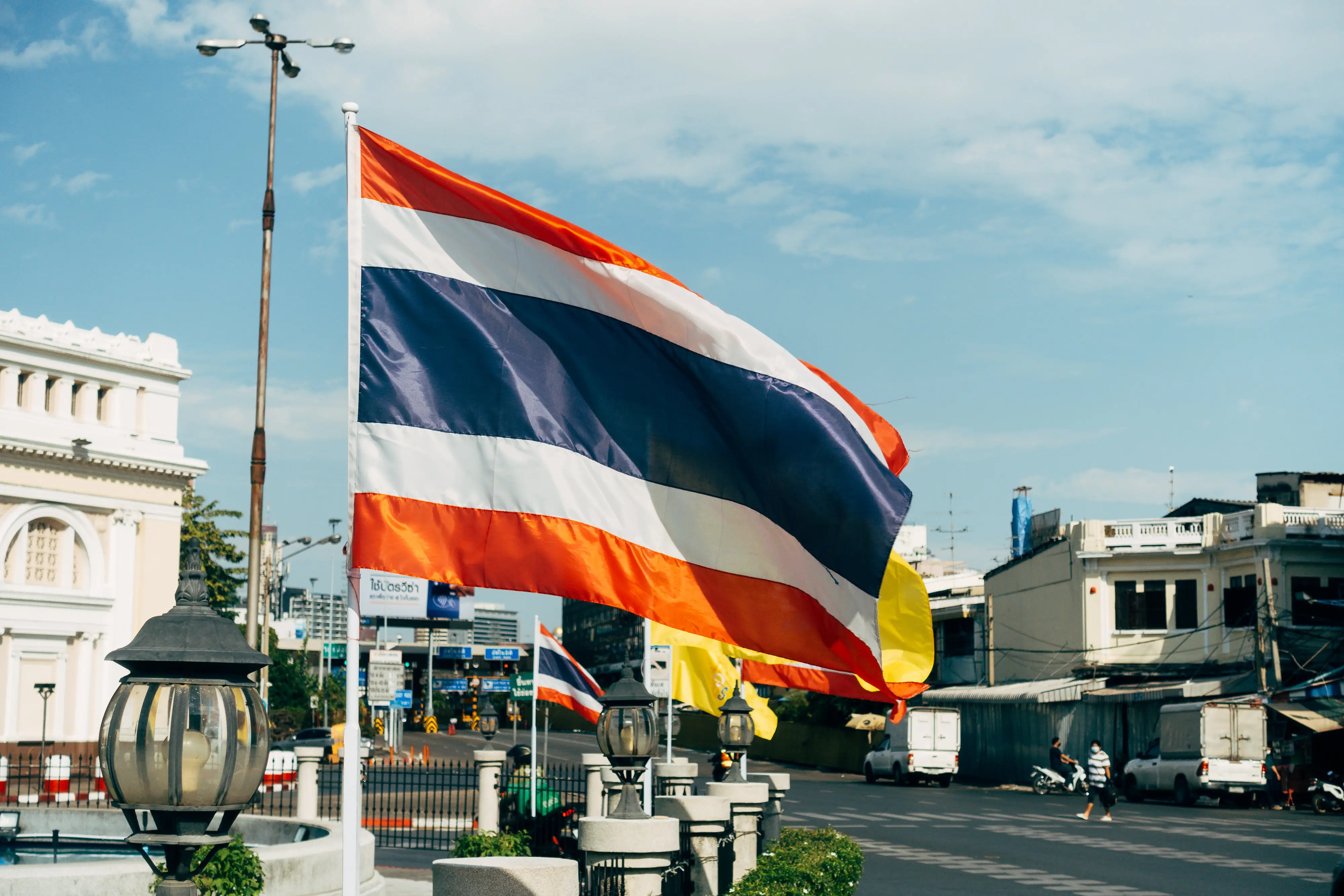
The Bank of Thailand (BoT) is moving forward with plans for a baht-backed stablecoin, marking a concrete step toward a regulated digital currency framework in Southeast Asia's second-largest economy.
BoT Governor Vitai Ratanakorn confirmed that the baht stablecoin design study is in its final stages, with public hearings scheduled before the end of 2026 and final regulations targeted for late 2026 or early 2027.
Unlike central bank digital currencies (CBDCs), these stablecoins will be issued by licensed private entities, with each token fully backed 1:1 by baht reserves in segregated accounts.
Read also:What Is OpenUSD (OUSD)? A New Stablecoin Supported by Visa, Mastercard, and Circle
Stablecoins for Payment Efficiency, Not Speculation
The BoT designed the baht stablecoin primarily to improve payment and settlement efficiency within Thailand's financial infrastructure, not as an investment or speculation instrument.
Authorities are also exploring the potential use of stablecoins in the carbon credit market to support Thailand's transition to a low-carbon economy and net-zero emissions targets.
This approach reflects a shift from previous caution towards digital assets, but Thailand will adopt a phased implementation to ensure institutional readiness and financial system stability.
Read also:BIS 2026 Warning: Stablecoin Risks for Developing Countries
Regulatory Framework and Implementation Plan
The main rule requires that stablecoins be fully backed 1:1 by baht reserves in segregated accounts, with those funds not to be used for any other purpose.
In the first phase, BoT is limiting its use to financial institutions for settlement purposes only, with broader use cases to be evaluated later.
This plan is based on data from the Programmable Payment Sandbox launched by the BoT in 2024 and expanded in December 2025, where eligible entities can test baht-pegged stablecoins in a controlled environment.
Read also:SBI Launches Yen-Based Stablecoin JPYSC
Foreign Exchange Enforcement and Cross-Border Payment Restrictions
Alongside the stablecoin plans, the BoT is tightening enforcement of foreign exchange controls.
Governor Ratanakorn emphasized that all personal QR code payments in Thailand must be made in baht, and yuan transfers via Alipay or WeChat Pay are not permitted.
Between February 2025 and May 2026, regulators suspended approximately 5,000 accounts used for peer-to-peer yuan transfers through the platform.
Payment service providers that process transactions in unauthorized currencies face corrective action, fines, suspension, or license revocation.
Ratanakorn also stated that the BoT does not have a policy of granting retail forex operating licenses intended for speculative trading, with violators risking a prison sentence of up to 3 years and a fine of 200,000 baht.
Read also:Meta Quietly Launches Stablecoin Payment Service
Implications for the Asian Crypto Ecosystem
Thailand's move is part of a broader trend of stablecoin adoption in Asia, where regulators are seeking a balance between financial innovation and system stability.
With a measured and gradual framework, Thailand is positioning itself as one of the most progressive Southeast Asian countries in regulating digital assets, while maintaining tight control over domestic currency flows.
If implemented, a baht stablecoin could become the backbone of a next-generation digital payment system, expanding the digital asset market, and accelerating Thailand's transition to a green economy.

Want to trade popular stablecoins like Tether (USDT)? Check out the latest prices and market updates only on Bittime
Bittime is a licensed and regulated Digital Financial Asset Trader (PAKD) supervised by Indonesia’s Financial Services Authority (OJK) — where you can buy Bitcoin in Indonesia and hundreds of other crypto assets starting from just Rp10,000. The registration process is fast, secure, and you can get started today.
Track USDT to IDR conversions and monitor your favorite crypto assets in real time. Everything is available in one crypto investment app that you can download for free on the Play Store
Ready to start? Register now on Bittime and execute your investment strategy with a platform trusted by millions of users in Indonesia.
FAQ
What is the Bank of Thailand's stablecoin plan?
The Bank of Thailand is planning a stablecoin backed 1:1 by baht reserves, issued by a licensed private entity, with final regulations targeted for late 2026 or early 2027.
Is this a CBDC?
No. Unlike CBDCs, this stablecoin will be issued by a private entity, not the Bank of Thailand itself.
What is the main purpose of this stablecoin?
Improve payment and settlement efficiency, not as a speculative asset.
Who can use stablecoins in the early phase?
Financial institutions only for settlement purposes, with broader use cases to be evaluated later.
What about usage in the carbon credit market?
Authorities are exploring the use of stablecoins in the carbon credit market to support Thailand's transition to a low-carbon economy.
What is the Programmable Payment Sandbox?
The sandbox was launched by the BoT in 2024 and expanded in 2025 to test baht-pegged stablecoins in a controlled environment.
Why did BoT suspend 5,000 Alipay/WeChat Pay accounts?
Because it is used for illegal peer-to-peer yuan transfers, as all QR code payments in Thailand must be in baht.
What are the sanctions for foreign exchange violators?
Fines of up to 200,000 baht and imprisonment of up to 3 years under the Foreign Exchange Control Act 1942.
When will the final regulations be announced?
Either late 2026 or early 2027, after the public hearings are completed.
How will this impact the Asian crypto ecosystem?
Thailand has become one of the most progressive Southeast Asian countries in digital asset regulation, with a phased approach that could serve as a model for neighboring countries.
Disclaimer: The views expressed belong exclusively to the author and do not reflect the views of this platform. This platform and its affiliates disclaim any responsibility for the accuracy or suitability of the information provided. It is for informational purposes only and not intended as financial or investment advice.

.png)