Bittime highlights the functional differences between stablecoins and asset tokenization, while underscoring the importance of transparency, regulation, and risk awareness for consumers.
Check today's USDT to Rupiah exchange rate using a real-time crypto calculator, complete with price drivers and how to calculate accurate conversions.
Stablecoins were created to bypass banks, but in reality they need banking infrastructure to scale globally.
SoFiUSD officially lists on Kraken. The SoFi–Payward partnership opens 24/7 dollar settlement via SEN and Kraken Prime liquidity access for retail to institutional users.
The plan by 21 financial institutions to issue USD stablecoins by 2027 marks the intersection of blockchain and banking. Learn about the drivers and risks.
Wyoming's FRNT stablecoin uses Chainlink Proof of Reserve. Learn how it works, reserve rules, benefits, risks, and opportunities for other governments.
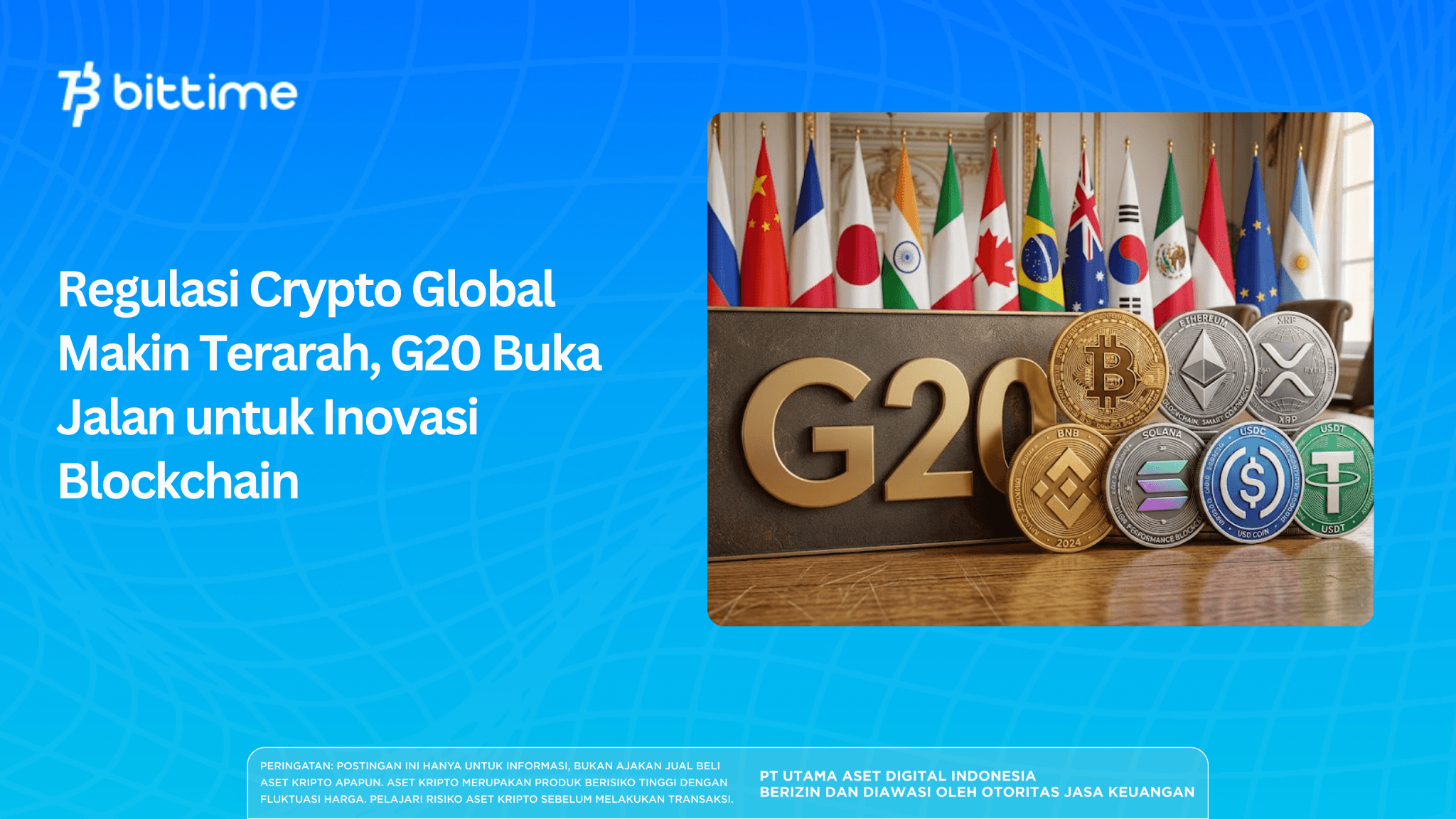
G20 supports clearer regulatory path for digital assets, while 21 major banks prepare dollar stablecoin by 2027.
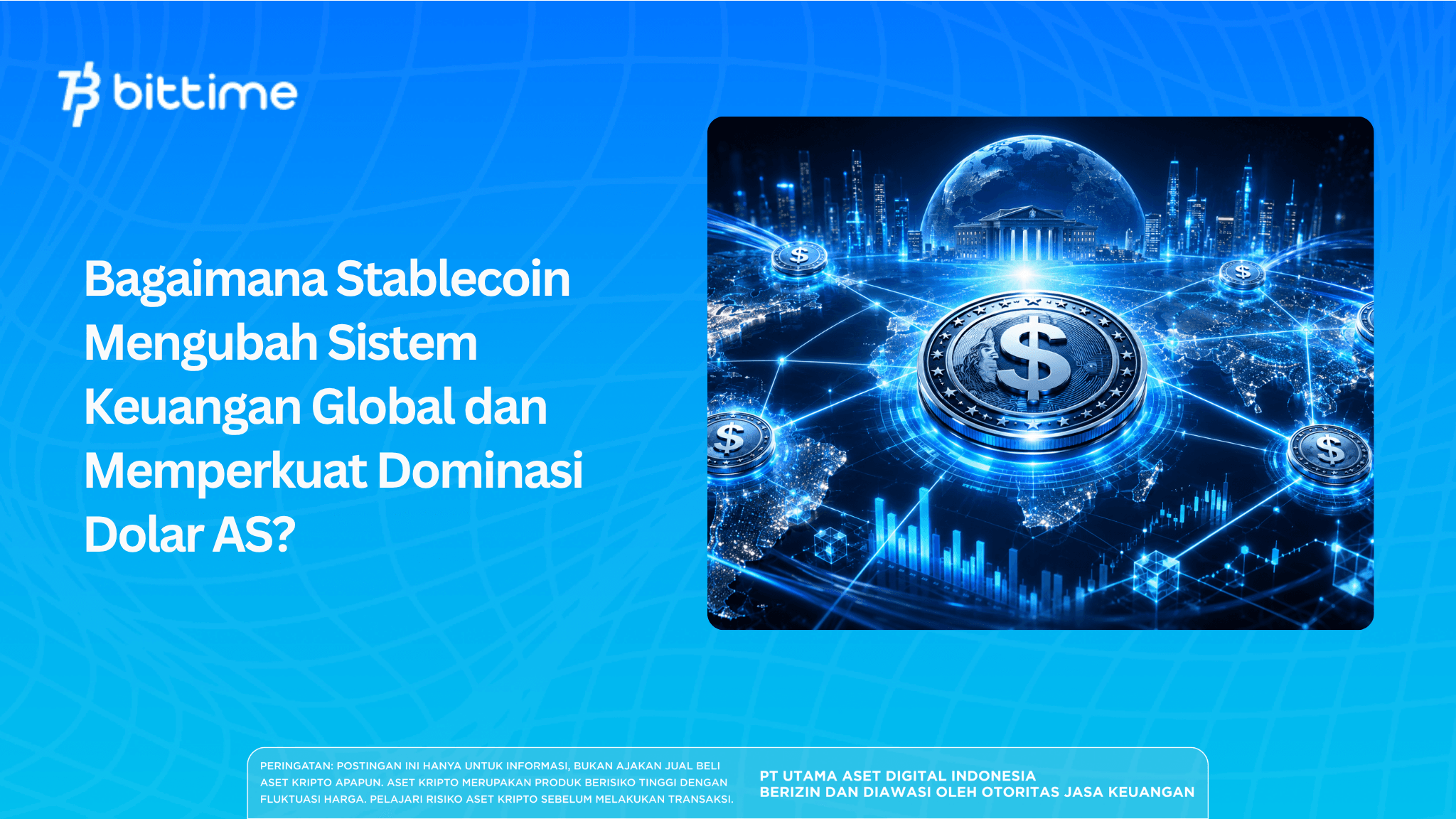
Understand how stablecoins are transforming the global financial system, increasing the role of the US dollar, and driving the development of blockchain-based digital payments.
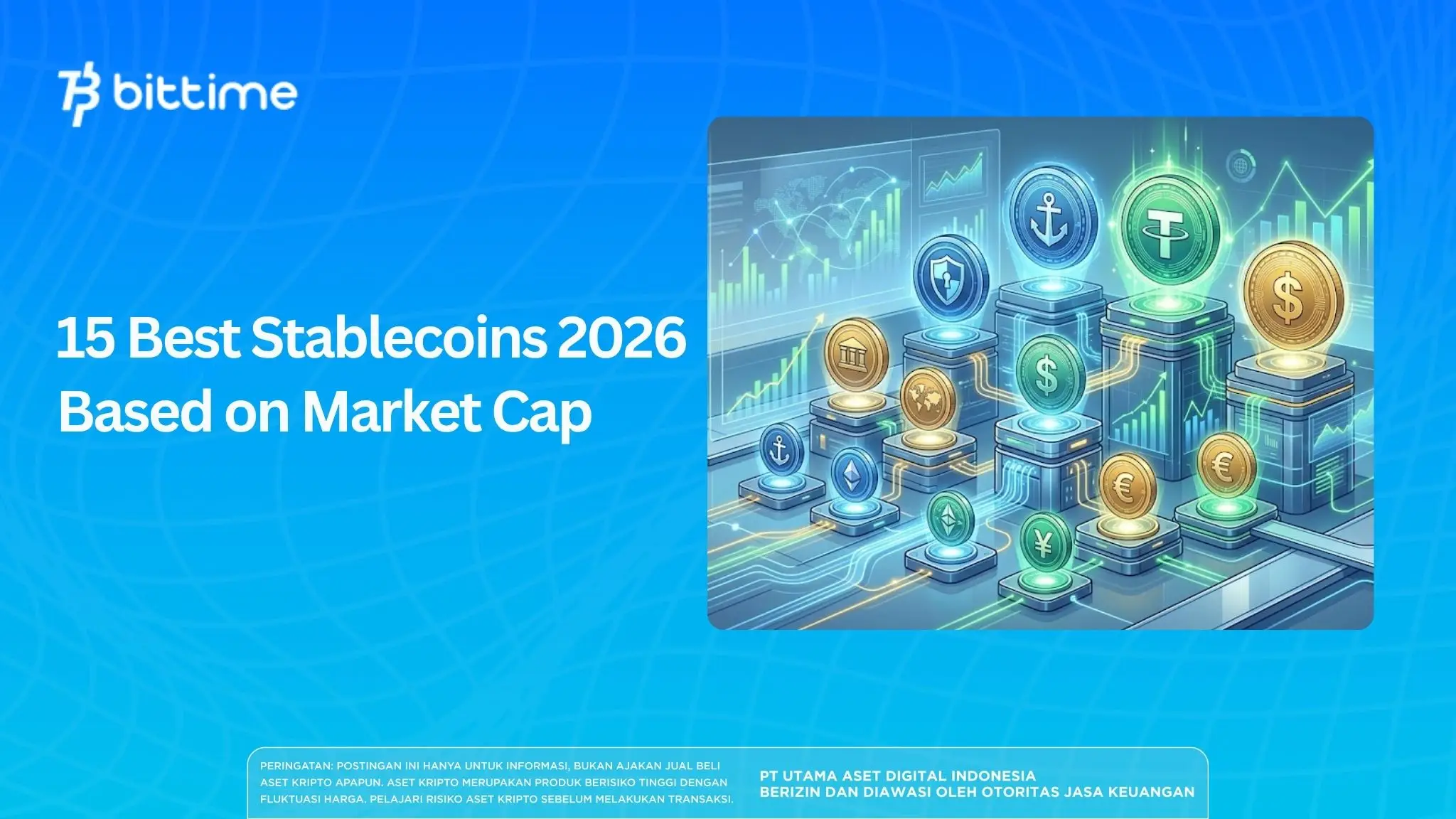
List of the 15 best stablecoins of 2026 by market cap, ranging from USDT and USDC to USD1, USDe, RLUSD, and PAX Gold.
RLUSD supply reaches US$1.71 billion after Ripple mints US$30 million tokens in a day on the XRP Ledger.
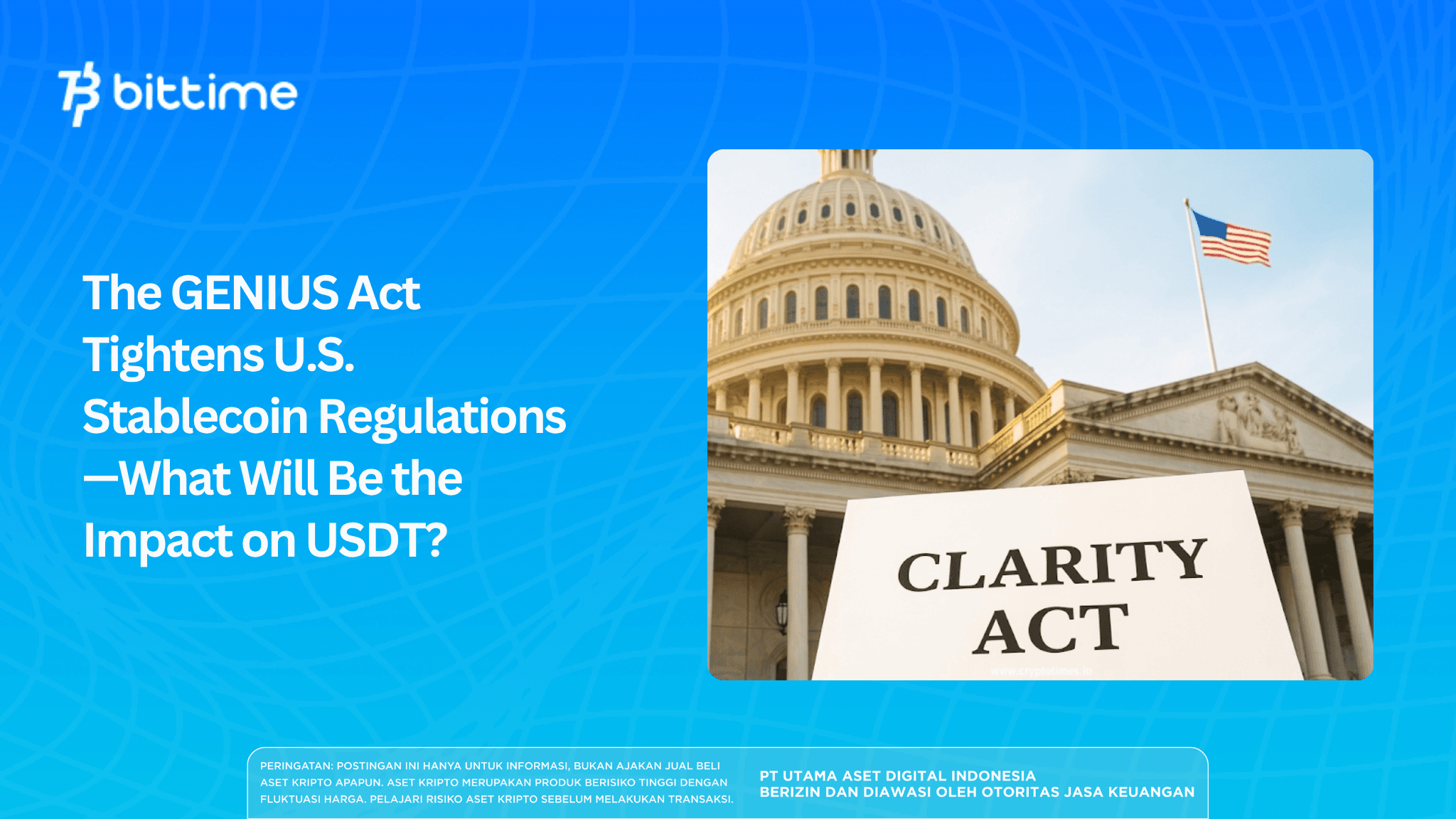
The GENIUS Act tightens stablecoin regulations in the U.S. Learn about the implications for USDT, Tether, crypto exchanges, and stablecoin users
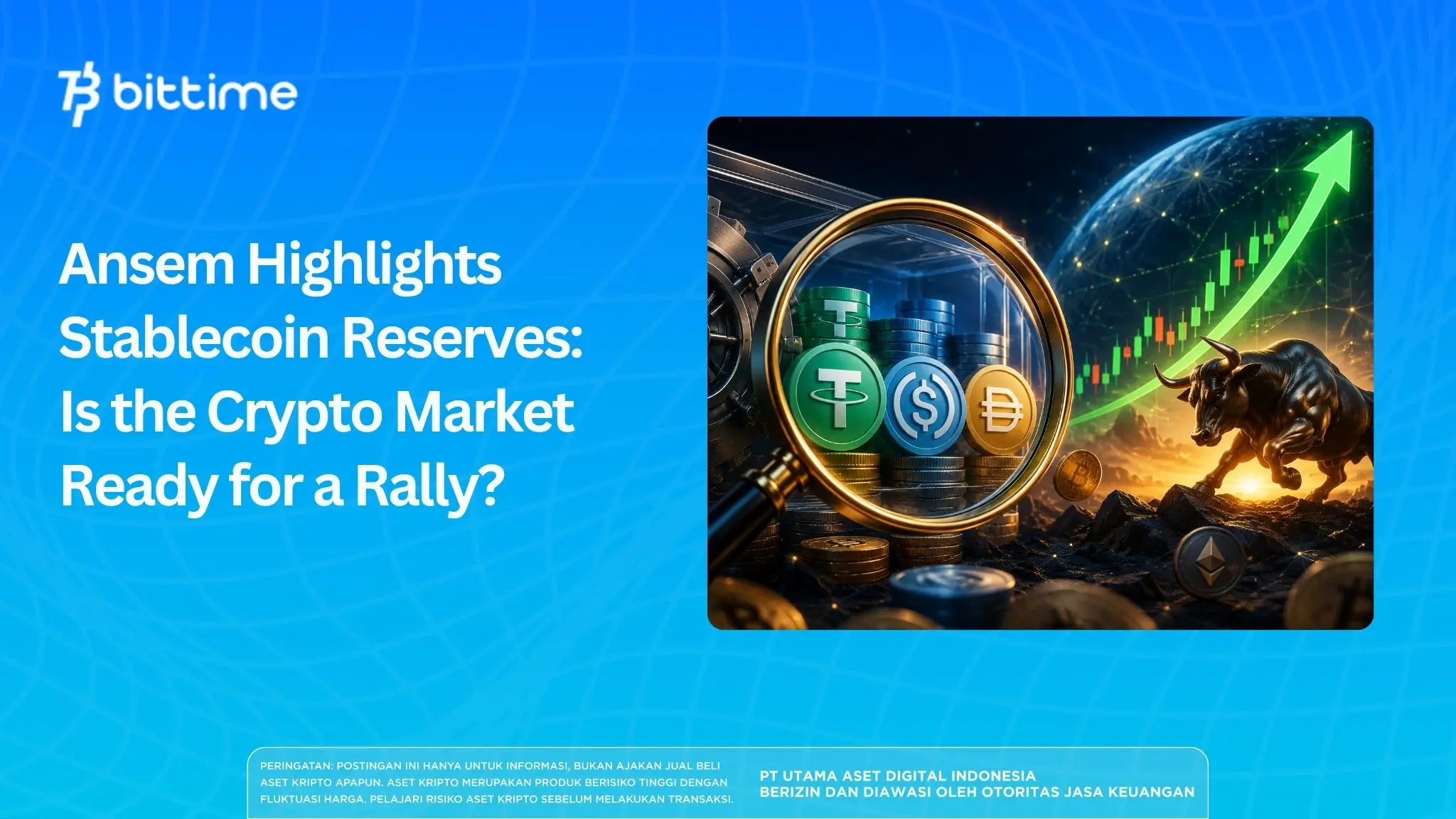
Ansem highlighted the large stablecoin reserves. Could USDT and USDC liquidity fuel a Bitcoin and altcoin rally?
Buy USDT with small capital, starting from Rp10,000 via Rupiah deposit on Bittime, then buy USDT on the USDT/IDR pair.
Learn about Ondo's USDY stablecoin, now available on BNB Chain and PancakeSwap, including how it works, its benefits, access, and the risks of using it in DeFi.
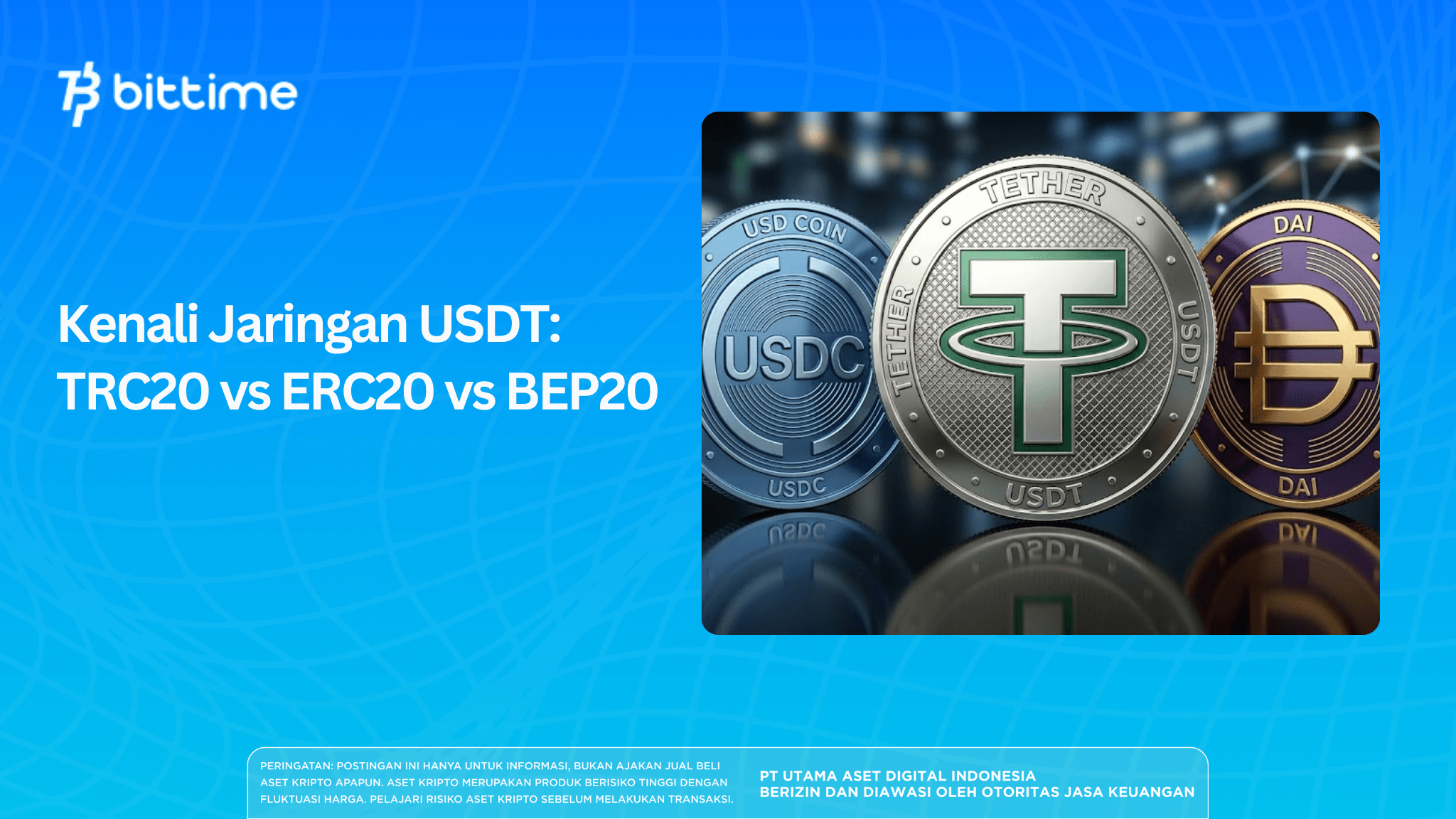
Learn the differences in cost, speed, and risk between USDT networks TRC20, ERC20, and BEP20 before transferring your crypto.
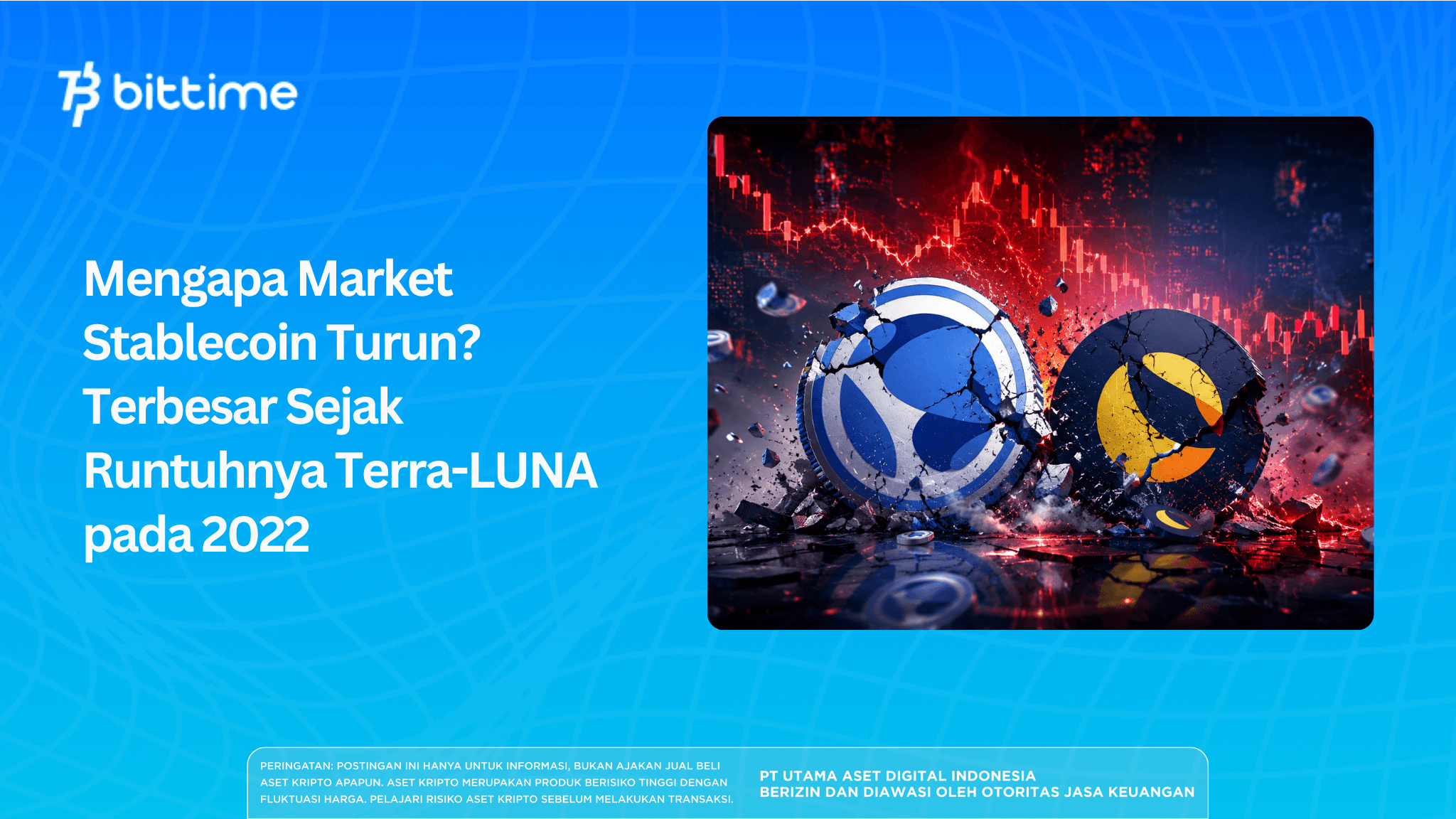
The stablecoin market recorded its biggest drop since the 2022 Terra-LUNA crisis. Learn about the causes and impact on crypto liquidity, including USDT, USDC, and Bitcoin.
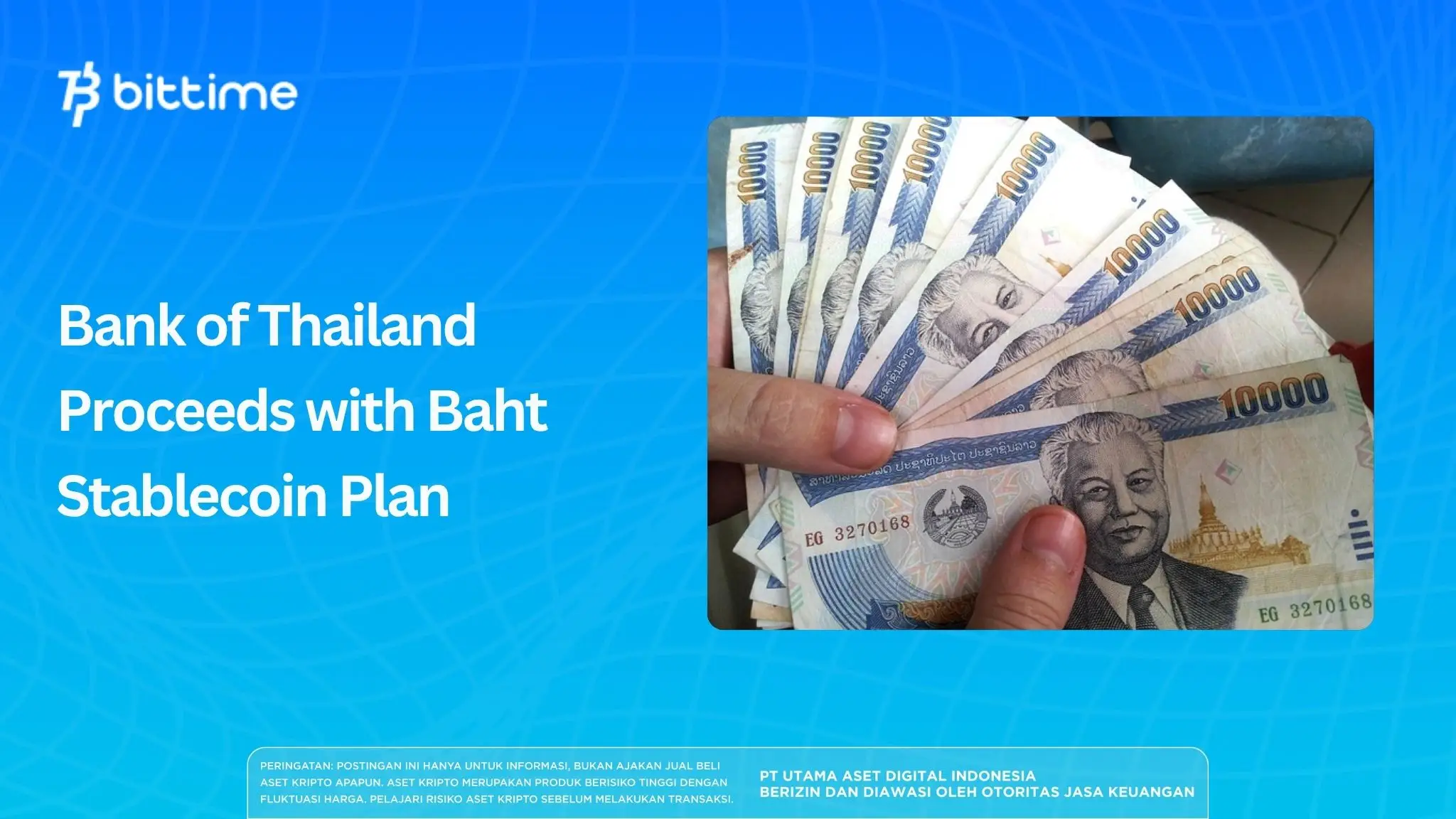
Bank of Thailand moving forward with plans for baht stablecoin for payments and settlements. A look at the regulations and impact on the Asian crypto ecosystem.
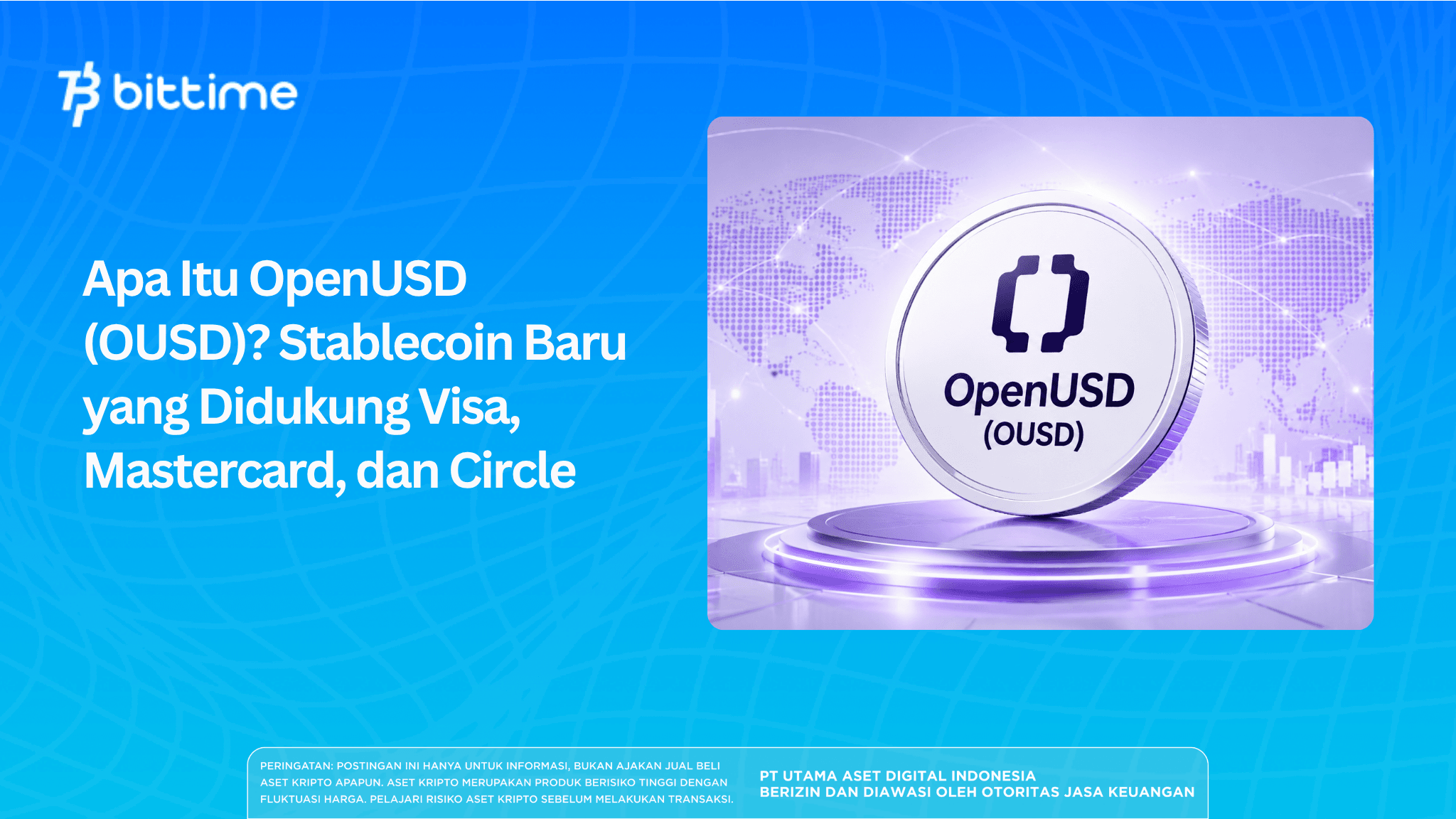
OpenUSD (OUSD) is a new stablecoin supported by Visa, Mastercard, and Circle. Learn how it works, its advantages, and its prospects.