Samsung, SK Hynix, and Micron Face Lawsuits Over Alleged RAM Supply Manipulation
2026-06-30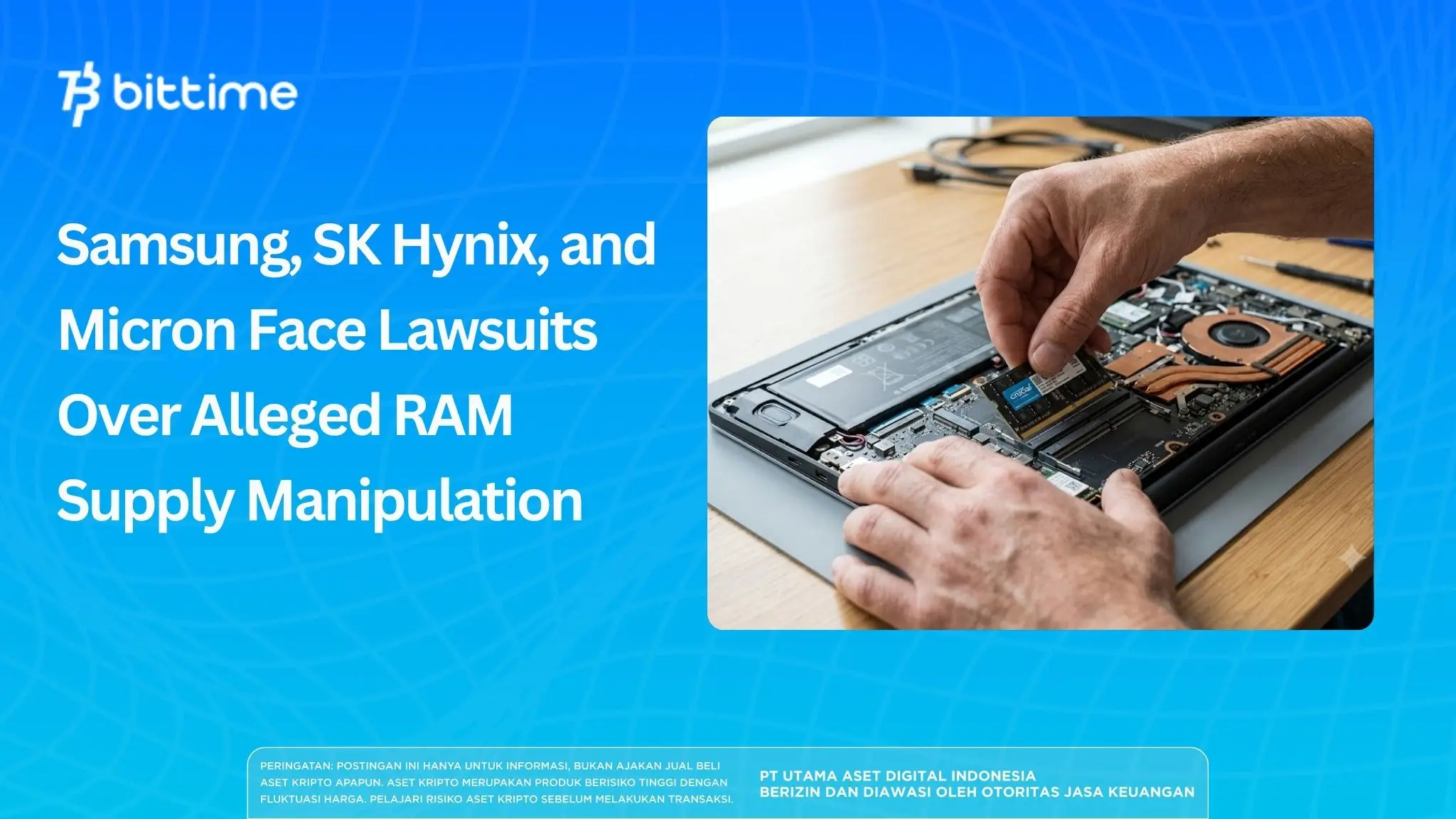
Samsung, SK Hynix, and Micron, which collectively dominate the global DRAM market, are facing a U.S. class action lawsuit over allegations of supply manipulation that drove memory prices up by as much as 700% over the past four years.
The lawsuit, filed on June 25, 2026, alleges the three companies coordinated to limit DDR3 and DDR4 production while shifting capacity to the more profitable HBM memory for artificial intelligence (AI), creating an artificial shortage in the consumer market.
Key Takeaways
- Samsung, SK Hynix, and Micron face a class action lawsuit over alleged DRAM supply manipulation.
- The shift toward HBM for AI allegedly triggered a DRAM shortage and higher prices.
- The impact is expected to drive up the prices of Macs, Xbox consoles, and RAM.
Register at Bittime now and start trading crypto with a fast, safe, and easy process in the app.
Samsung, SK Hynix, and Micron Face Lawsuits Over Alleged RAM Supply Manipulation
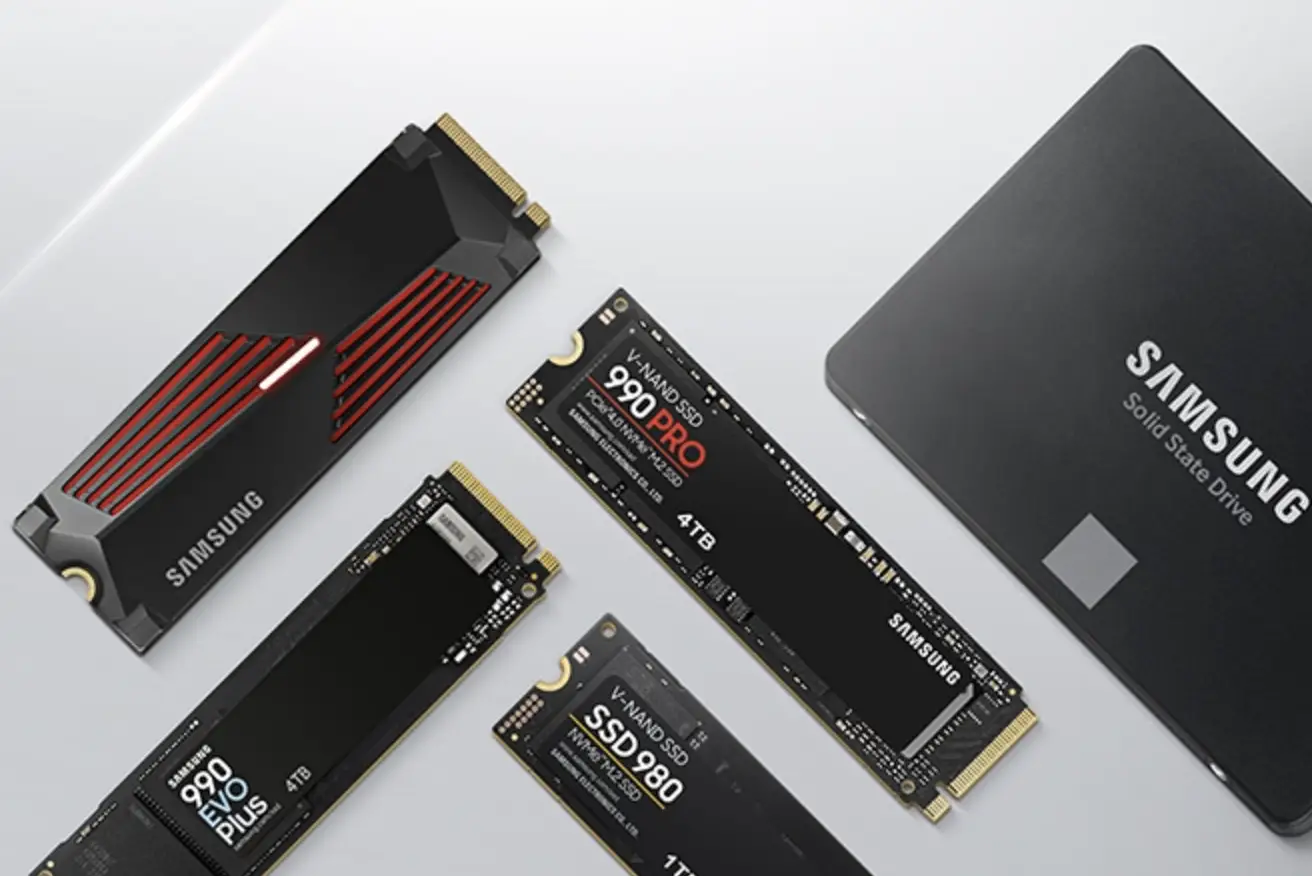
Three global semiconductor giants, Samsung Electronics, SK Hynix, and Micron Technology, were sued in a class action in the US District Court for the Northern District of California on June 25, 2026.
The lawsuit, numbered 3:26-cv-06345, accuses the three companies of coordinatedly restricting the supply of conventional DRAM to raise prices, using the surge in AI demand as justification.
With nearly 100% control of the global DRAM market, the three companies are accused of oligopolistic practices that harm consumers and small businesses.
What is the content of the lawsuit?
The plaintiffs, consisting of 14 individual consumers and three small PC assembly businesses, accuse Samsung, SK Hynix, and Micron of systematically restricting DRAM supplies since 2022.
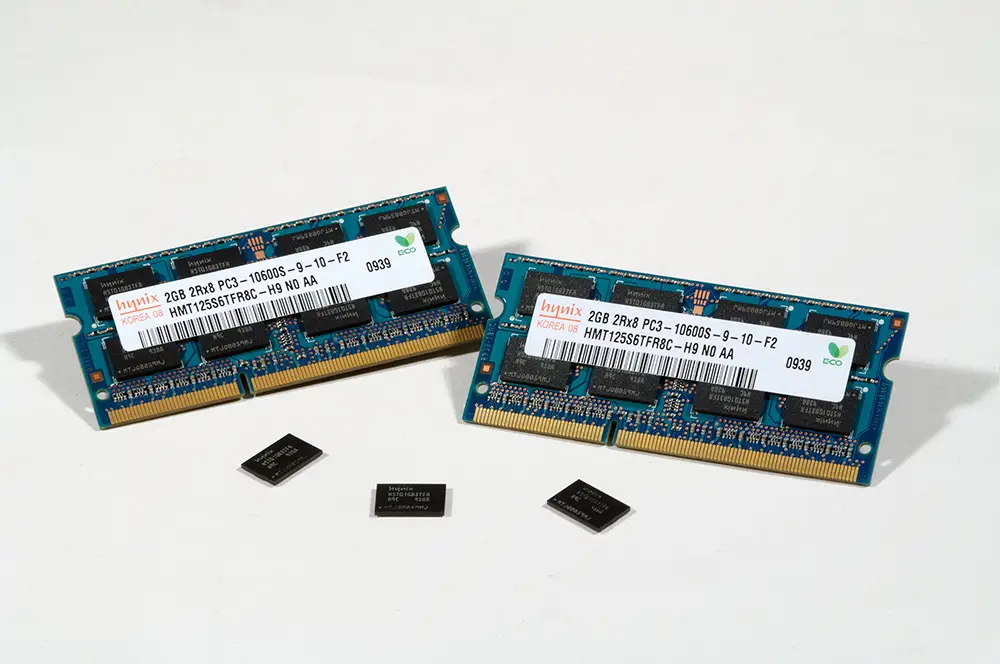
As a result, conventional DRAM prices jumped about 700% in four years.
The lawsuit calls this increase "mind-blowing scale and rapidity."
The essence of the accusation:The three companies are simultaneously reducing production of DDR3 and DDR4, the types of RAM widely used in PCs, laptops, and game consoles, while shifting factory capacity to HBM (High-Bandwidth Memory) which is more profitable for AI data centers.
The plaintiffs argue that in a competitive market, at least one company should have increased DDR production to gain market share when prices rose, but that did not happen.
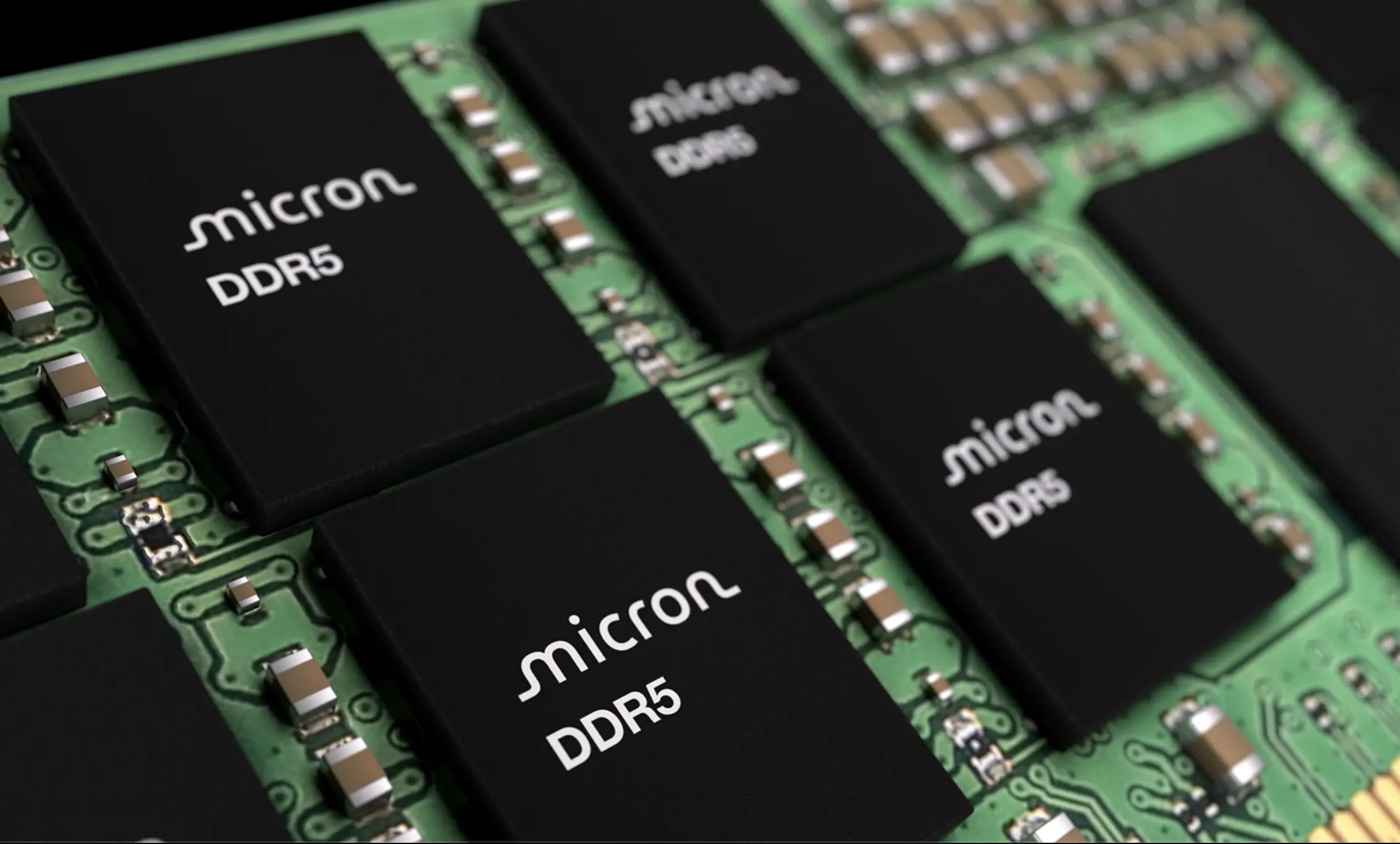
Why Is This Allegation Serious?
The uniqueness of the DRAM market lies in its oligopolistic structure.
These three companies control nearly the entire global supply, and building a new DRAM factory costs tens of billions of dollars and takes years.
As a result, when all three restrict supply simultaneously, no new players can enter to lower prices.
As the lawsuit states: "when three companies restrict supply, no outside party can expand production to compete with them."
This is not the first time the three companies have faced similar allegations.
In 2005, Samsung paid a $300 million fine and SK Hynix $185 million after pleading guilty to a DRAM price-fixing conspiracy.
Micron escaped punishment at that time by becoming a whistleblower witness.
China also investigated the three when prices soared between 2016-2018.
Read also:How to Delete Gemini AI History and Activity After Generating Photos
Impact on Consumers
The lawsuit comes at a time when global consumers are feeling the pressure of rising prices.
Apple raised prices on MacBooks and iPads by up to 20% on the same day the lawsuit was filed, triggering a 6% stock drop.
Read also:AAPL Stock Plunges After Apple Price Hike, What's the Cause?
Microsoft raised Xbox prices by $100-$150, citing memory costs that have increased "more than 2.5 times."
Valve, Sony, and Nintendo also raised the prices of their hardware.
Micron itself has acknowledged a structural shift in its business model, signing 16 strategic agreements worth $22 billion with hyperscale AI customers.
This shows how DRAM supply is prioritized for AI over general consumers.
Read also:Rockstar Announces GTA 6 Price at $79.99
RAM Company Prospects and Responses
The plaintiffs are asking the court to stop the supply restrictions and award treble damages under US antitrust law.
If the court recognizes class-action status, the group of plaintiffs could expand to include consumers and businesses that purchased products containing DRAM since 2022.
Micron has denied the allegations, stating that "we compete strictly, fairly, and in compliance with all applicable laws." Samsung and SK Hynix are also reportedly reviewing the lawsuit and will respond through legal procedures.
Meanwhile, analysts expect DRAM prices to rise by up to 50% in Q3 2026 and another 30-40% in Q4, as AI demand continues to consume available production capacity.
SK Group Chairman Chey Tae-won even called memory the “fuel” of the AI era, signaling the shortage may continue.
Read also:Gemma 4 12B: Google's Multimodal AI Model That Can Run on a Laptop
Conclusion
The lawsuits against Samsung, SK Hynix, and Micron highlight consumer vulnerability in a market dominated by a handful of players.
Whether the allegations of supply manipulation are proven or simply a reflection of an AI demand imbalance, one thing is certain: soaring RAM prices have fundamentally changed the consumer electronics landscape.
The court's decision in this case will set an important precedent for the global semiconductor industry.
Now that you’ve learned about the latest developments in AI, it’s time to explore AI-based cryptocurrencies on Bittime, such as AI digital assets, AI, AGI, RENDER, TAO, VVV, and many more AI coins.
Bittime is a licensed and regulated Digital Financial Asset Trader (PAKD) supervised by Indonesia’s Financial Services Authority (OJK) — where you can buy Bitcoin in Indonesia and hundreds of other crypto assets starting from just Rp10,000. The registration process is fast, secure, and you can get started today.
Track USDT to IDR conversions and monitor your favorite crypto assets in real time. Everything is available in one crypto investment app that you can download for free on the Play Store
Ready to start? Register now on Bittime and execute your investment strategy with a platform trusted by millions of users in Indonesia.
FAQ
What is alleged in the lawsuit against Samsung, SK Hynix, and Micron?
The three are accused of coordinatedly limiting the supply of conventional DRAM (DDR3/DDR4) and shifting production to HBM for AI, which caused RAM prices to rise by up to 700%.
When was this lawsuit filed?
The lawsuit was filed on June 25, 2026 in the U.S. District Court for the Northern District of California under case number 3:26-cv-06345.
What impact does this alleged manipulation have on consumers?
The prices of electronic devices such as laptops, PCs, and game consoles have risen significantly. Apple has raised Mac prices by up to 20%, and Microsoft has raised Xbox prices by $100-$150.
Is this the first time these three companies have faced similar allegations?
No. In 2005, Samsung and SK Hynix pleaded guilty and paid a total of $485 million in fines on similar charges. China also investigated them from 2016 to 2018.
How did the company respond to the lawsuit?
Micron has denied the allegations and said it will defend itself. Samsung and SK Hynix are reviewing the lawsuit.
What are the plaintiffs asking for?
They asked the court to stop the supply restrictions and award treble damages under US antitrust law.
Who are the plaintiffs in this case?
14 individual consumers and three small PC assembly businesses, represented by the law firm Bathaee Dunne LLP.
What is the future price prediction for RAM?
Analysts expect DRAM prices to rise 50% in Q3 2026 and another 30-40% in Q4, driven by AI demand.
What is HBM?
HBM (High-Bandwidth Memory) is a type of 3D-stacked DRAM designed for high speed and power efficiency, primarily used in AI accelerators in data centers.
Why are there no new competitors in the DRAM market?
Building a DRAM factory costs tens of billions of dollars and takes years, as well as manufacturing know-how that is the accumulation of decades of trade secrets.
Disclaimer: The views expressed belong exclusively to the author and do not reflect the views of this platform. This platform and its affiliates disclaim any responsibility for the accuracy or suitability of the information provided. It is for informational purposes only and not intended as financial or investment advice.

.png)