Fed Holds Interest Rates Amid Iran War, Powell Remains Governor
2026-04-30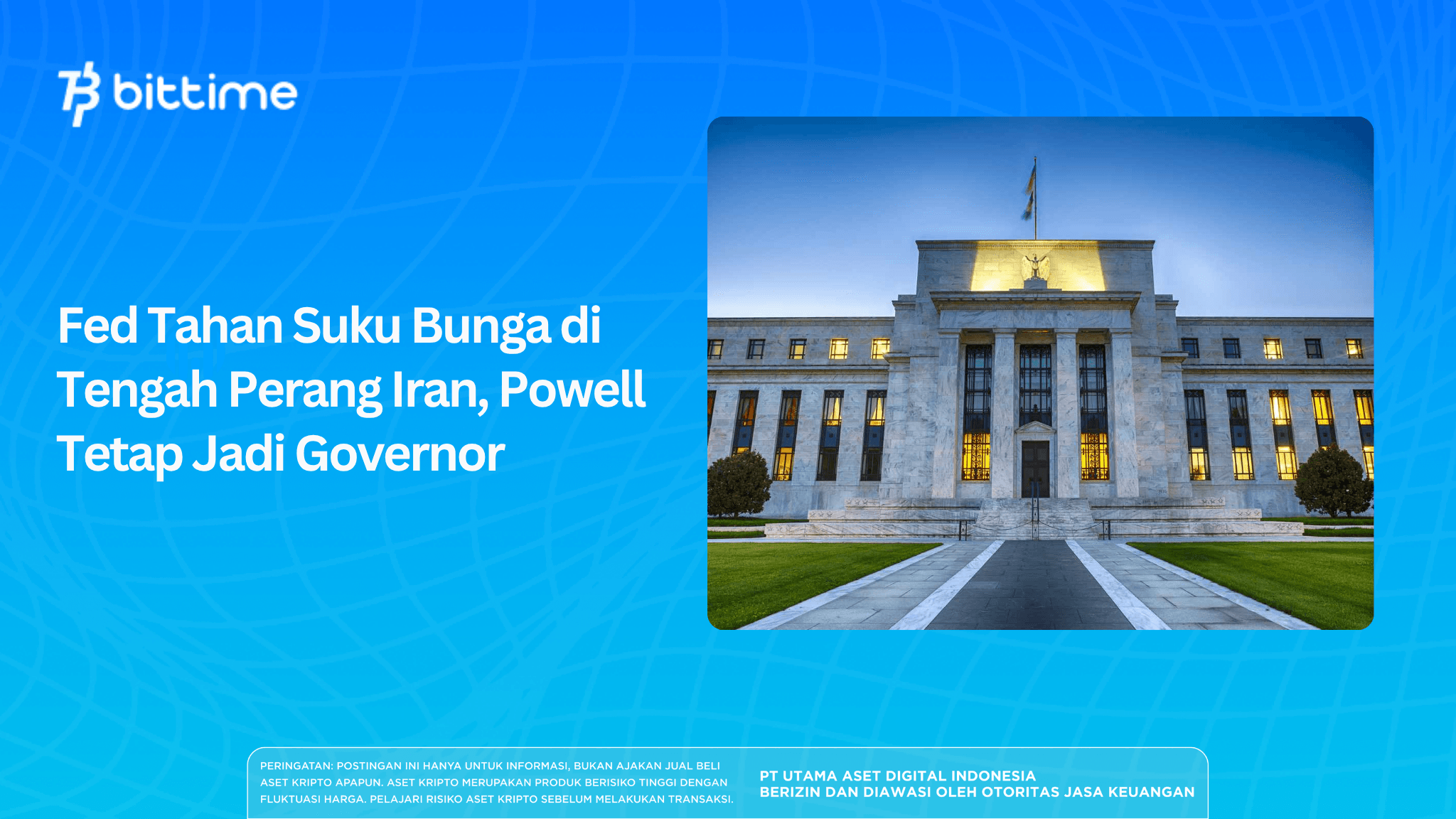
Results Federal ReserveThe decision to hold interest rates in April 2026 has become one of the biggest highlights of global markets. Amid the escalating Iran war, which has triggered a surge in oil prices and inflation, the US central bank has chosen to be cautious.
This step indicates that economic stability remains a top priority, despite increasing geopolitical pressure.
Interestingly, this decision also comes at a crucial transitional moment for Jerome Powell, who will remain governor even after his term as chair ends.
Key Points
- The Fed held interest rates at 3.5%-3.75% until April 2026.
- The Iran war triggered a spike in oil prices and global inflationary pressures.
- Jerome Powell will remain governor until 2028, even though he will no longer serve as chair.
Fed Holds Interest Rates Amid Iran War
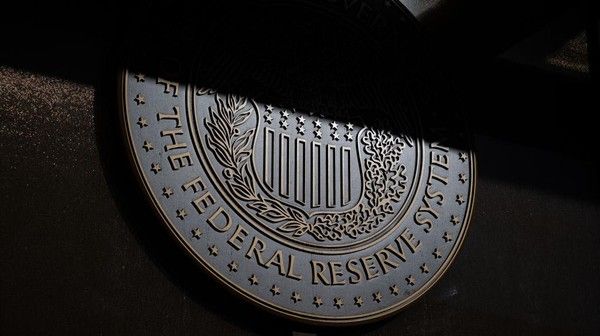
The Federal Reserve has taken another strategic step by maintaining its benchmark interest rate in the 3.5%-3.75% range. This policy comes amidst global uncertainty, particularly due to the Iran war, which has driven up energy prices sharply.
In such conditions, the decisionThe FedIt's not just about interest rates, but also a signal that the US central bank is maintaining a balance between controlling inflation and preventing a deeper economic slowdown.
Read Also:The Impact of the New Fed Chair on the Crypto Market
Interest Rate Decision: Stability a Priority
The decision to hold interest rates reflects the Fed's neutral approach. Inflation in the United States remains above its 2% target, primarily driven by supply shocks from geopolitical conflicts. Gasoline prices exceeding $4 per gallon are a clear indicator of the pressure on the cost of living.
Jerome Powell emphasized that this move aims to give the Fed space to monitor developments, including the possibility of closing the Strait of Hormuz, which could potentially disrupt global oil distribution.
Read Also:US Fed FOMC: Signals No Rate Cut Until March 2026
Why Doesn't the Fed Immediately Lower Interest Rates?
There are several main reasons:
- Inflation is not yet fully under control
Rising energy prices keep pressure on prices of goods and services high. - Geopolitical risks are increasing
The Iran conflict could worsen global supply chains. - The labor market remains relatively strong
As long as employment is stable, the Fed has room to hold interest rates.
The latest projections suggest the possibility of only one interest rate cut throughout 2026. This means the era of high interest rates is not truly over yet.
Read Also:The Fed Cuts Interest Rates
The Impact of the Iran War on the Global Economy
The Iran war has not only impacted the Middle East but also shaken the global economy. Oil prices have become a focus of attention because any supply disruption directly impacts global inflation.
Domino Effect on Major Countries
In the United States, the energy boom is making it increasingly difficult for the Fed to balance its mandate between price stability and employment.
In Europe, the manufacturing sector is starting to come under pressure. PMI data shows a decline into contraction, indicating slowing business activity.
Meanwhile, the US dollar strengthened as a safe haven asset, putting pressure on their domestic currencies in developing countries.
The impact on Indonesia
For Indonesia, the situation is a mix of challenges and opportunities.
Challenge:
- The rupiah has the potential to weaken against the US dollar.
- Energy import costs are rising.
- Domestic inflation could be pushed up.
Opportunities:
- Exports of commodities such as coal and CPO have the potential to increase.
- State revenue from the energy sector can increase.
In other words, Indonesia must carefully manage momentum so that export profits are not overshadowed by inflationary pressures.
Read Also:Chainlink (LINK) Price Rises After Fed Speech
Jerome Powell Remains, Despite No Longer Being Chair
April 2026 will be Jerome Powell's final meeting as Federal Reserve chairman after eight years at the helm. However, he will remain as governor until 2028, or until the investigation into the management of the Fed building is completed.
This situation gave rise to much political speculation, especially because the issue was said to be related to the dynamics of the new government.
What Does Governor Status Mean for Powell?
As governor, Powell still has influence over policymaking, despite no longer being a central figure. However, he emphasized that he would maintain a low profile and not act as a shadow chair.
This step is important for a smooth leadership transition.
Kevin Warsh and New Challenges
Powell's successor, Kevin Warsh, has already passed the Senate committee and will face a major challenge:
- An internally divided Fed
- Inflation is still high
- Risk of recession due to extreme oil prices
Warsh will lead at a time of great stress, where interest rate decisions will greatly determine the direction of the US and global economies.
Read Also:Impact of the Federal Open Market Committee (FOMC)
Economic Outlook: Will a Recession Occur?
The global economic outlook remains shrouded in uncertainty. US inflation has been held down by four major supply shocks during the Powell era: the pandemic, the Russia-Ukraine invasion, Trump's tariffs, and now the Iran war.
If oil prices break through $120 per barrel, the threat of recession will become increasingly real. Household consumption could decline, production costs soar, and economic growth could weaken.
However, the market currently predicts interest rates will remain stable in the short term. Investors believe the Fed will await additional data before taking aggressive action. This means 2026 will be a year of caution, not drastic policy action.
Conclusion
The Fed's decision to hold interest rates amid the Iran war demonstrates that global economic stability remains fragile. Geopolitical conflicts, soaring oil prices, and inflationary pressures require the central bank to exercise extreme caution.
On the other hand, the leadership transition from Jerome Powell to Kevin Warsh will be an important factor in the direction of the next monetary policy.
For investors, these conditions require adaptive strategies, including asset diversification into digital instruments like crypto. For easier, safer, and more reliable crypto trading, Bittime can be the right platform for both beginners and experienced traders.
How to Buy Crypto on Bittime?
Want to trade sell buy BitcoinLooking for easy crypto investing? Bittime is here to help! As an Indonesian crypto exchange officially registered with the OJK, Bittime ensures every transaction is secure and fast.
Start by registering and verifying your identity, then make a minimum deposit of IDR 10,000. After that, you can immediately purchase your favorite digital assets!
Check the course BTC to IDR, ETH to IDR, SOL to IDRand other crypto assets to find out today's crypto market trends in real-time on Bittime.
Additionally, visitBittime Blogto get various interesting updates and educational information about the world of crypto. Find trusted articles on Web3, blockchain technology, and digital asset investment tips designed to enrich your crypto knowledge.
FAQ
Why did the Fed hold interest rates in April 2026?
Because inflation is still high and the geopolitical risks from the Iran war have not subsided.
What is the current interest rate level?
The Fed maintained interest rates in the range of 3.5%-3.75%.
What impact will the Iran war have on the world economy?
Energy prices are rising, inflation is rising, and the risk of a global economic slowdown is increasing.
Does Jerome Powell still have influence at the Fed?
Yes, he will remain as governor until 2028.
How will it impact Indonesia?
There is pressure on the rupiah, but also opportunities from rising commodity exports.
Disclaimer: The views expressed belong exclusively to the author and do not reflect the views of this platform. This platform and its affiliates disclaim any responsibility for the accuracy or suitability of the information provided. It is for informational purposes only and not intended as financial or investment advice.

.png)