Russia Launches Digital Ruble, Bitcoin Remains Banned as Payment Method
2026-08-27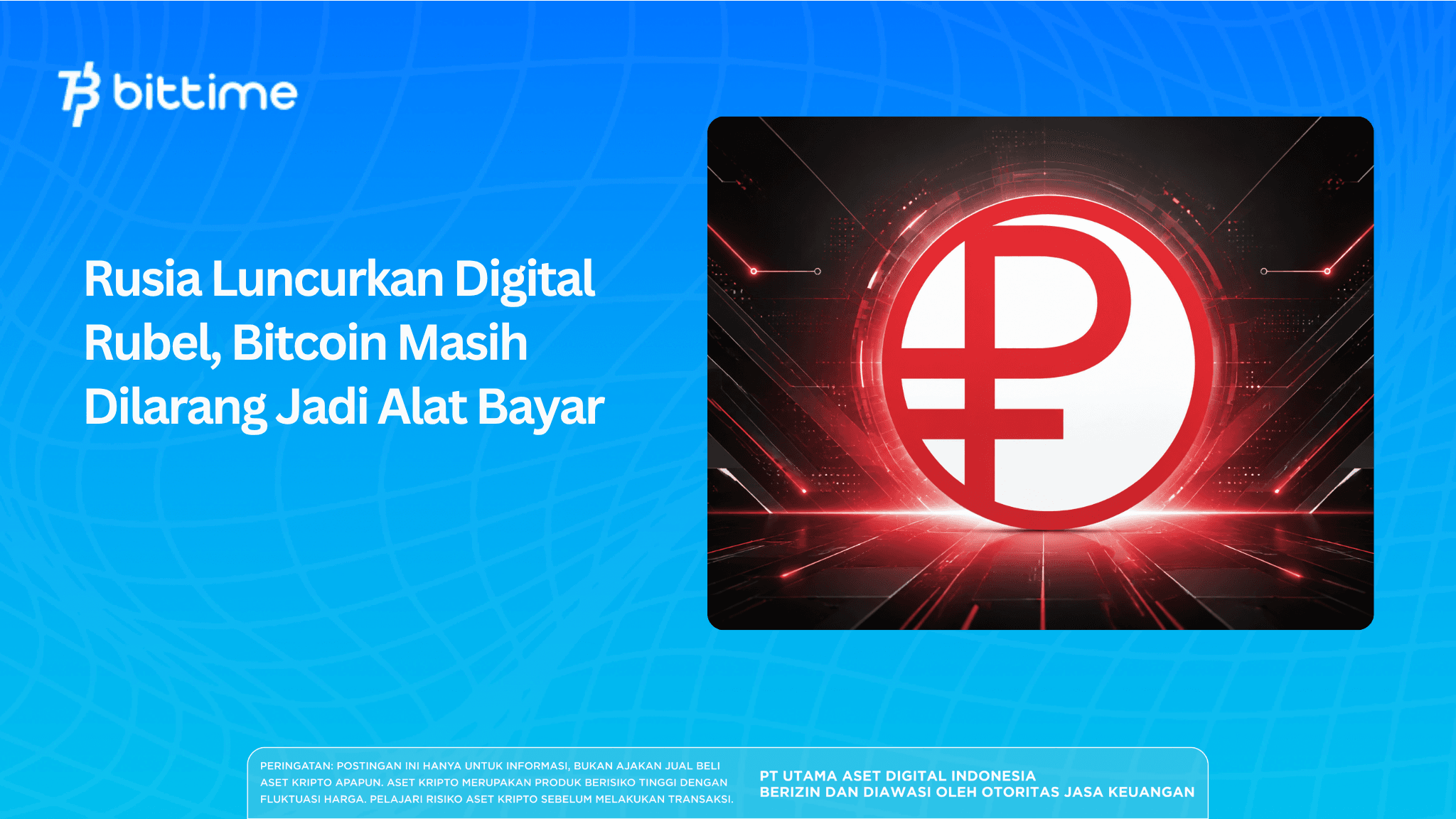
The launch of the digital ruble in September 2026 has caught the attention of the crypto world, highlighting the differing approaches between state-controlled digital currencies and decentralized cryptocurrencies like Bitcoin. Russia has chosen to develop its own CBDC, while the use of Bitcoin as a means of payment remains restricted.
Key Takeaways
- The digital ruble is the official digital currency controlled by the central bank.
- Bitcoin is still not recognized as an official means of payment in Russia.
- CBDCs and cryptocurrencies have different systems and purposes.
What is the Russian Digital Ruble?
The Russian digital ruble is a digital form of Russia's national currency issued by the central bank. This system uses digital technology to speed up transactions, improve payment efficiency, and expand access to financial services.
Unlike cryptocurrencies such as Bitcoin, the digital ruble is not a decentralized asset. The government and central bank retain control over its issuance, management, and usage rules.
The development of Russia's CBDC is part of a global trend as many countries begin exploring national digital currencies. The goal is not to completely replace cash but to provide an additional payment option.
Read also: The US Clarity Act and Its Impact on Today's Crypto Market
Digital Ruble vs Cryptocurrency: What's the Difference?
The main difference between the digital ruble and cryptocurrency lies in the control system. The digital ruble is under government control, while Bitcoin uses a blockchain network that operates without a central authority.
CBDCs like the digital ruble are created to support the national financial system. Meanwhile, cryptocurrencies like Bitcoin are more commonly used as digital assets, stores of value, or investment instruments.
From a regulatory perspective, the government can directly regulate the use of the digital ruble. In contrast, Bitcoin has a global character and is difficult for any single country to control.
Read also: What is Regulation Crypto Assets? SEC Rules for Token Fundraising
Why is Bitcoin Still Banned as a Means of Payment in Russia?
Despite Russia having a growing crypto industry, the government continues to restrict the use of Bitcoin as an official means of payment. Bitcoin cannot be used to replace the ruble in domestic transactions for goods and services.
This policy relates to the government's efforts to maintain control over the national monetary system. The ruble remains the only official currency used for domestic payments.
However, Russian crypto regulations do not mean all cryptocurrency activities are banned. The use of certain digital assets for investment or cross-border transactions may be subject to different rules.

Russian Bitcoin and the Future of Crypto Regulation
The development of crypto in Russia shows a fairly unique approach. The country does not completely reject blockchain technology but prefers technologies that can be controlled through government regulation.
The digital ruble serves as an example of how the government tries to benefit from blockchain without granting the full control seen in open cryptocurrency systems. This approach differs from Bitcoin, which prioritizes decentralization.
For the global crypto industry, Russia's policy illustrates that each country has a different strategy in dealing with the development of digital assets. Some countries openly support cryptocurrencies, while others choose to develop their own CBDCs.
Read also: Thailand Exempts Crypto Capital Gains Tax for 5 Years
Impact of the Digital Ruble on the Global Crypto Industry
The presence of the digital ruble could accelerate competition between CBDCs and cryptocurrencies. As more countries launch national digital currencies, discussions about the future of digital payments will intensify.
However, CBDCs and Bitcoin serve different functions. The digital ruble focuses on an official payment system, while Bitcoin offers a financial alternative independent of government control.
This development suggests that the future of digital finance is likely to involve various types of assets. Users may see a combination of national digital currencies, stablecoins, and cryptocurrencies.
Read also: Is Crypto Haram in Pakistan? This is the Stance of the Ulema Council and Regulators
Can the Digital Ruble Replace Bitcoin?
The digital ruble does not directly replace Bitcoin because they have fundamentally different concepts. The digital ruble is designed to strengthen the national payment system, while Bitcoin offers an alternative financial network.
The success of the digital ruble will depend on public adoption rates and its effectiveness in use. Meanwhile, Bitcoin retains its appeal due to its open nature and lack of single-party control.
For crypto investors, developments like the digital ruble are important factors to monitor. Government regulations can have a significant impact on the direction of the cryptocurrency market.
To follow the latest crypto developments, Russian Bitcoin news, global crypto regulations, and other digital asset updates, you can register on Bittime and monitor market information regularly.
Conclusion
Russia is taking a significant step by developing the digital ruble as an official digital currency. However, this policy runs concurrently with the ban on using Bitcoin as a means of payment.
The difference between the digital ruble and Bitcoin illustrates two different approaches to the future of digital money. Russia chooses a state-controlled system, while Bitcoin continues to operate through a decentralized network.
The development of Russia's CBDC will continue to be a focus of attention as it may influence the direction of global crypto regulations. Keep track of the latest news to understand policy changes and opportunities in the digital asset industry.

Bittime is a licensed Digital Financial Asset Trader (PAKD) platform supervised by the Financial Services Authority — where you can buy Bitcoin in Indonesia and hundreds of other crypto assets starting from Rp10,000. The registration process is fast, secure, and can be started today.
Monitor USDT to IDR conversion and price movements of your favorite crypto assets in real-time. All available in one crypto investment app that can be downloaded for free on the Play Store.
Ready to start? Register now on Bittime and execute your investment strategy with a platform trusted by millions of users in Indonesia.
FAQ
What is the Russian digital ruble?
The Russian digital ruble is the digital version of the ruble currency issued by the central bank. It falls under the CBDC category and is controlled by the government.
Can Bitcoin be used as a means of payment in Russia?
No. Bitcoin is still not recognized as an official means of payment for goods and services transactions in Russia.
What is the difference between the digital ruble and Bitcoin?
The digital ruble is controlled by the central bank, while Bitcoin uses a decentralized blockchain system without central government control.
Does Russia ban all cryptocurrencies?
Not entirely. Russia has certain regulations concerning cryptocurrencies and restricts their use as a domestic means of payment.
Will the digital ruble replace Bitcoin?
Not necessarily. The digital ruble and Bitcoin serve different functions, so both can develop with their respective purposes.
Disclaimer: The views expressed belong exclusively to the author and do not reflect the views of this platform. This platform and its affiliates disclaim any responsibility for the accuracy or suitability of the information provided. It is for informational purposes only and not intended as financial or investment advice.

.png)