How to Recover Funds from Fake Token Honeypot
2025-10-16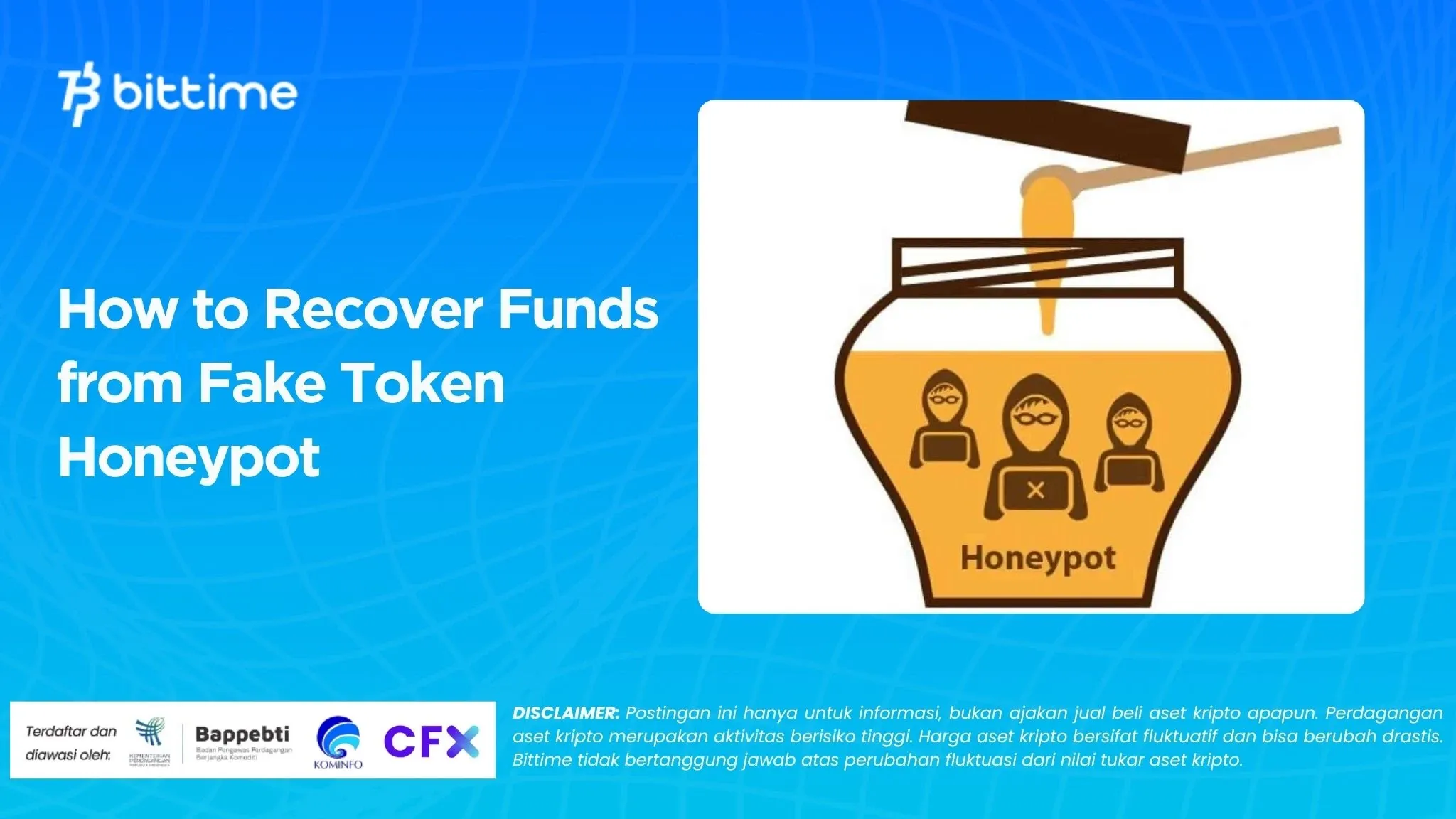
Bittime – One of the methods that often traps crypto investors is honeypot scam. Many users unknowingly purchase fake tokens or fake token honeypot, where their assets can then not be resold.
This article will explain how to realistically recover funds from fake token honeypots, preventative measures to avoid getting caught, and possible legal remedies.
What is a Fake Token Honeypot?
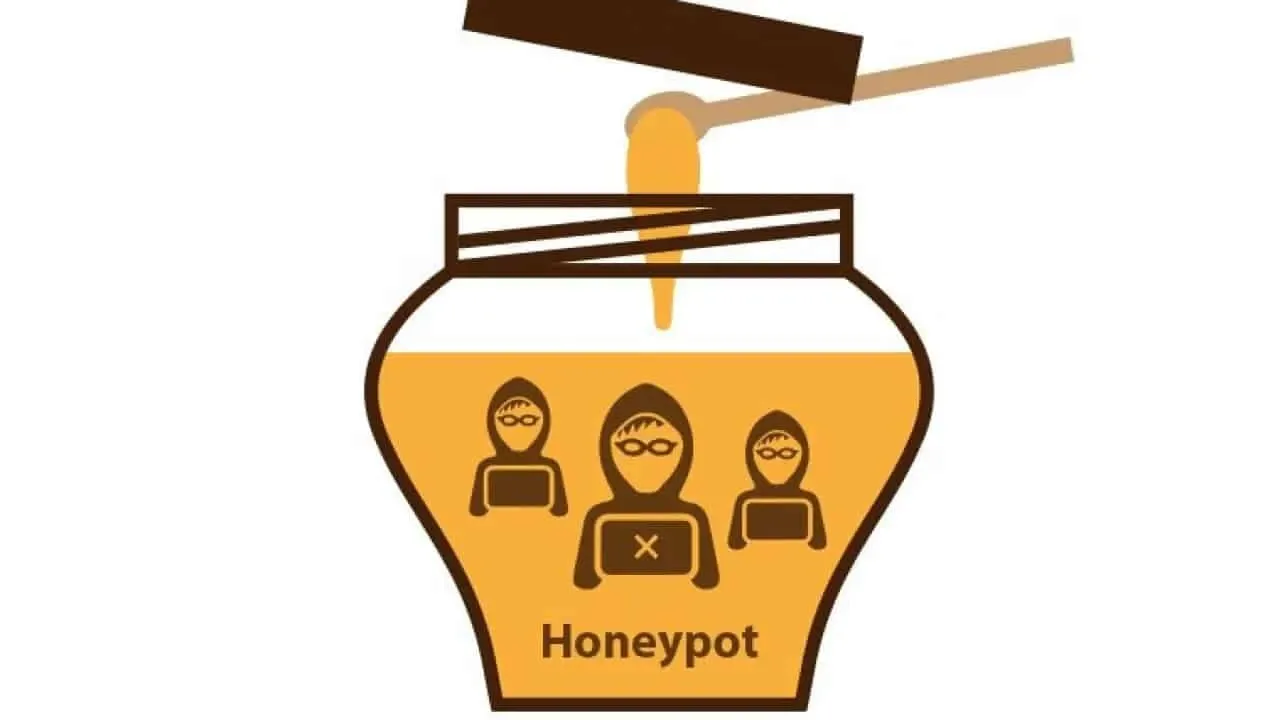
Fake token honeypot is a type of scam in the crypto world that uses smart contracts (smart contract) is dangerous. Scammers create fake tokens that look legitimate, complete with logos, websites, and social media campaigns to attract potential investors.
However, once the tokens are purchased, the victim cannot sell or transfer them because there is a hidden function within the contract that blocks outgoing transactions.
Why Fake Token Honeypots Attract So Many People?
In many cases, honeypot projects promise high returns or lure investors with seemingly skyrocketing token prices. As more people buy, the token creator then withdraws all liquidity from the pool.pool—leaving buyers with worthless tokens.
This phenomenon exploits the anonymous and decentralized nature of blockchain. Because transactions cannot be reversed, victims often lose their entire capital.

Why Honeypots Are Dangerous for the Crypto Ecosystem
This type of fraud not only harms victims financially but also significantly impacts public trust in the crypto industry. Many new investors are reluctant to try new projects for fear of being scammed. In fact, research institutions like Chainalysis note that smart contract-based scams like honeypots cause millions of dollars in losses annually.
Additionally, honeypot scams are slowing down Web3 adoption and DeFi, as many users perceive all new tokens as high risk. This makes it difficult for legitimate blockchain projects to attract funding and community support.
Read also: How to Avoid Crypto Honeypot Scams: Here Are the Signs!
How to Recover Funds from Fake Token Honeypot
While it's not easy, there are several steps you can take to recover funds from a fake token honeypot. Here are the most realistic methods, based on practices used by the blockchain security community:
1. Document All Transactions
The first step is to record all activity related to the token. Save data such as:
Wallet address used
Transaction hash (TXID)
Purchase time and transaction value
Screenshots of sites, Telegram groups, or project promotional posts
This data is important if you want to report a case to the authorities or conduct further investigations.
2. Use Blockchain Analysis
Several companies, such as Chainalysis, Elliptic, and MistTrack, offer blockchain analysis services that can help track fund flows. They can identify where your tokens or ETH are sent after a transaction.
If the funds flow to a specific wallet that is still active in centralized exchange (CEX), the chances of recovery will be slightly greater because the exchange may freeze the account after the report is received.
Read Also: Crypto Honeypot Scam: Definition, How It Works, and Types
3. Contact the Relevant Exchange or Platform
If you buy tokens through a decentralized exchange like PancakeSwap or Uniswap, report the token through official channels. While DEX transactions are final, your report can help prevent other users from becoming victims.
Some major exchanges like Binance and Gate.io have security teams that review scam reports and sometimes help coordinate with blockchain analytics providers for investigations.
4. Consider Blockchain Legal and Forensic Assistance
There are now law firms specializing in digital asset crimes. They collaborate with forensic analysts to trace funds and file formal reports with law enforcement agencies. While the process doesn't always guarantee full recovery, this legal avenue is gaining increasing recognition in various jurisdictions.
Several countries such as the United States, Singapore, and the United Kingdom have categorized the theft of crypto assets as a criminal offense that can be prosecuted.
If you have complete evidence, a lawyer who understands the legal aspects of crypto can help you file a report with the relevant agencies.
5. Beware of Fake “Recovery Scams”
After becoming a victim, you may be contacted by someone claiming to be able to help you recover your funds. Be wary of this new tactic.
Many of these are actually follow-up scams targeting victims who have already lost money. Never send additional fees to parties whose identity and credibility are unknown.
Read also: How to Identify Fake Tokens that are Scams?
How to Lose Funds in Fake Token Honeypot
Prevention is always better than trying to recover funds after a loss. The following steps can help you avoid fake token honeypots:
Check smart contracts before buying
Use tools like Token Sniffer, Honeypot.is, or RugDoc to check if the token has any suspicious functionality that would restrict sales.
Check liquidity and trading volume
Legitimate tokens typically have stable liquidity and natural trading volume. Avoid tokens with high buying volume but no selling activity.
View community and project transparency
Genuine projects are usually active on social media, have clear documentation, and regularly hold AMAs. Scam tokens typically employ overly promotional campaigns with promises of unrealistic returns.
Use a separate wallet
Never purchase new tokens directly from your main wallet, which holds significant assets. Use a dedicated wallet for DeFi experimentation.
Active in the crypto community
Forums like Reddit, Telegram, and X (Twitter) frequently discuss potential new scams. Information from the community can be a very useful early warning.
Conclusion
Recovering funds from a fake token honeypot is not easy, but it is not impossible.
With complete transaction documentation, reporting to authorities and exchanges, and blockchain forensic support, there's still a chance of recovering some funds. However, the primary focus should remain on prevention.
Investors should be more wary of projects that promise quick profits, as most honeypots exploit users' greed and lack of technical verification.
Education, thorough research, and the use of detection tools are key to keeping assets safe in this risky crypto world.
How to Buy Crypto on Bittime
Want to trade sell buy Bitcoins and crypto investment easily? Bittime is here to help! As an Indonesian crypto exchange officially registered with Bappebti, Bittime ensures every transaction is safe and fast.
Start with registration and identity verification, then make a minimum deposit of IDR 10,000. After that, you can immediately buy your favorite digital assets!
Check the exchange rate BTC to IDR, ETH to IDR, SOL to IDR and other crypto assets to find out today's crypto market trends in real-time on Bittime.
Also, visit the Bittime Blog for interesting updates and educational information about the crypto world. Find reliable articles about Web3, blockchain technology, and digital asset investment tips designed to enrich your crypto knowledge.
FAQ How to Recover Funds from Fake Token Honeypot
1. What is a fake token honeypot in crypto?
Fake token honeypots are fake tokens designed to prevent buyers from reselling their assets after the transaction.
2. How to recover funds from fake token honeypot?
Collect transaction evidence, report it to the exchange, use blockchain analysis, and consider legal assistance.
3. Is there a tool to detect honeypot before purchasing?
Yes, use tools like Token Sniffer, RugDoc, or Honeypot.is to check token contracts before investing.
4. Can crypto exchanges help recover funds?
Some major exchanges like Binance or Gate.io can help track transactions and block scammer accounts.
5. How to prevent getting caught in a honeypot scam?
Always verify contracts, check liquidity, use separate wallets, and avoid tokens with unrealistic profit promises.
Disclaimer: The views expressed belong exclusively to the author and do not reflect the views of this platform. This platform and its affiliates disclaim any responsibility for the accuracy or suitability of the information provided. It is for informational purposes only and not intended as financial or investment advice.

.png)