How to Buy Chinese Oil Asset Reserve (COAR) and Where to Buy It?
2026-05-20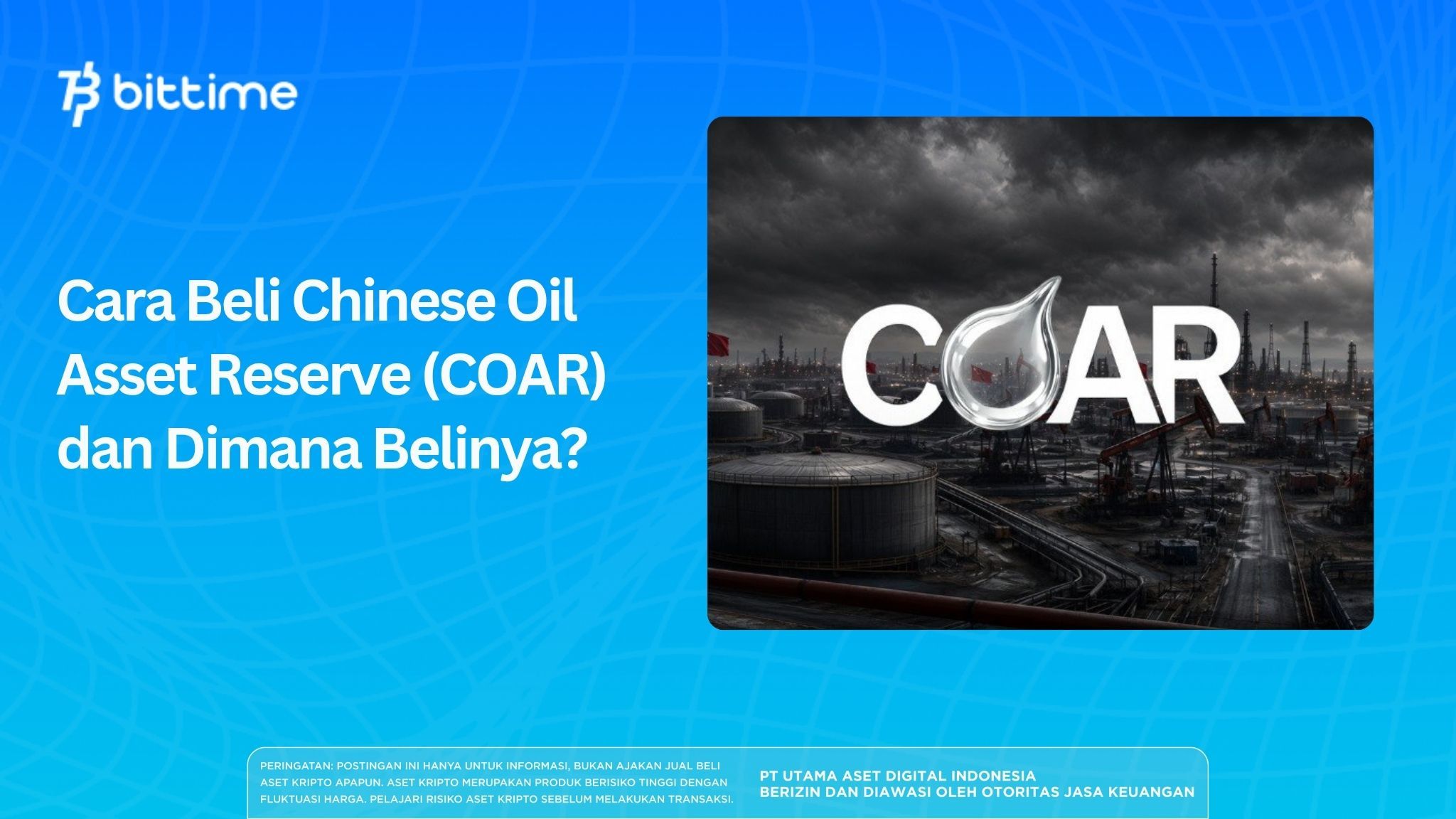
Chinese Oil Asset Reserve (COAR) is an oil-themed token on the Solana network that has attracted attention because of its commodity narrative and trading activity on DEXs. Many users ask how to buy it, where to buy it, and whether its contract is safe to use.
The safest answer: COAR can be checked through public on-chain data, but the project’s product, team, and security claims need direct verification. Buyers should understand how to check the contract, liquidity pool, and meme coin risks before swapping.
Key Takeaways
- Chinese Oil Asset Reserve (COAR) can be bought through Solana DEXs such as Jupiter, Raydium, Meteora, or swap access from DexScreener.
- The process of buying COAR must start with checking the official contract so you do not accidentally buy a fake token.
- The risks of meme coin rug pulls, high slippage, and thin liquidity pools need to be understood before buying COAR.

Sign up on Bittime now and start trading crypto through a fast, safe, and easy process in the app.
What Is Chinese Oil Asset Reserve (COAR)?

Chinese Oil Asset Reserve (COAR) is a Solana-based crypto asset that brings the oil narrative to the on-chain market. The project website describes COAR as Crude Oil Asset Reserve, a token themed around the Crude Oil Reserve Protocol on Solana.
COAR is not an oil stock, not a commodity ETF, and not proof of ownership of barrels of oil. The project also states that COAR is a speculative digital asset and is not backed by physical oil reserves or a government entity.
Why Are Many Traders Searching for COAR?
COAR has gained attention because it combines three popular elements: Solana, meme coins, and the oil narrative. This combination makes traders interested in tracking price, volume, liquidity pools, and short-term trading opportunities.
However, a strong narrative does not always mean strong fundamentals. Tokens like COAR still need to be analyzed based on the contract, liquidity, holder distribution, and project track record.
Where to Buy Chinese Oil Asset Reserve (COAR)?
Chinese Oil Asset Reserve (COAR) can be bought through Solana DEXs, especially pairs listed on tracking platforms such as CoinGecko, DexScreener, and GeckoTerminal. Public data shows that the COAR/USDC pair is active on Meteora DAMM V2, with price, volume, and liquidity pool data changing quickly.
Users can also use aggregators such as Jupiter to find the best swap route. Raydium or Meteora can be used when the pair is available and liquidity is sufficient.
Buy COAR on a Solana DEX
Buying COAR on a Solana DEX means users swap directly from their personal wallets. This process differs from buying assets on a centralized exchange because users manage their own wallet, contract, slippage, and transactions.
DEXs do not always provide protection against fake contracts. For this reason, users need to paste the official contract address, not just type the token name.
Read also: How to Trade Meme Coins on Solana: Avoid Major Losses
How to Check the COAR Contract Before Buying?
Checking the COAR contract is the most important step before swapping. The COAR contract listed on the project website and public sources is:
CoARSp4P9Yr7MEnKMZE7chyAkK3mNbPFyArdQeMm9a1G
Match this address on Solscan, CoinGecko, DexScreener, GeckoTerminal, and the official project website. Do not buy a token based only on its logo, ticker, or the name “COAR” because imitation tokens can use a similar appearance.
Avoid Fake Contracts
Fake contracts usually exploit the hype around trending tokens. Their creators use similar names and symbols so users make the wrong swap.
To stay safer, check the following before buying:
- Make sure the chain is Solana.
- Make sure the contract address matches exactly.
- Make sure the trading pair has reasonable volume and liquidity.
- Check whether the pool is active and not a fake pair.
- Check transaction history, holder count, and the distribution of large wallets.
How to Use a Solana Wallet to Buy COAR?
Using a Solana wallet is fairly simple, but users must stay careful. Popular wallets that are often used include Phantom and Solflare.
After the wallet is installed, users need to fund it with SOL for network fees. Users can also prepare SOL or USDC as the asset to swap into COAR.
Initial Steps to Prepare a Wallet
Create a new wallet, store the seed phrase offline, and never share it with anyone. A seed phrase gives full access to the assets in the wallet.
After the wallet is ready, send SOL from an exchange or another wallet. Leave a small amount of SOL for transaction fees so the swap does not fail.
Read also: What Is LetsBONK.fun? How to Launch a Memecoin on Solana
How to Swap SOL to COAR?
Swapping SOL to COAR can be done through Jupiter, Raydium, Meteora, or the swap button on the DexScreener page. Choose a platform that displays the COAR contract according to official sources.
The general steps are as follows:
- Open a Solana DEX or aggregator.
- Connect your Solana wallet.
- Choose SOL or USDC as the source asset.
- Paste the official COAR contract into the destination token field.
- Check the COAR price, slippage, route, and estimated received amount.
- Confirm the transaction from your wallet.
- Check your COAR balance and transaction through Solscan.
Use a small amount for the first transaction. This helps test the contract, swap route, and transaction fees before using a larger amount of funds.
Slippage When Swapping COAR
Slippage is the difference between the price shown before the transaction and the execution price after the transaction runs. Meme coins often require higher slippage because prices move quickly.
Stay careful with large slippage. Slippage that is too high can cause buyers to receive far fewer tokens than expected.
Check the Liquidity Pool Before Buying COAR
Checking the liquidity pool helps users understand how easy it is to buy or sell COAR. Larger liquidity usually makes transactions more stable, while thin liquidity can make prices spike or drop sharply.
Also check volume, transaction count, buy and sell ratio, and market cap changes. If the volume looks unusual, a new pair appears, or liquidity suddenly drops, it is better to wait and verify again.
Why Is the Liquidity Pool Important?
A liquidity pool acts as the place where assets are available for swaps. If the pool is small, even a small order can move the price significantly.
For meme coins, the liquidity pool is also tied to exit risk. A token may appear to be rising, but it can be hard to sell if liquidity is low or many transactions fail.
Meme Coin Rug Pull Risks and What Should Be Checked?
The risk of meme coin rug pulls needs to be understood before buying COAR. A rug pull occurs when certain parties withdraw liquidity, sell large amounts of tokens, or create a contract that harms buyers.
For COAR, public information shows that the token has a contract, active markets, and supply data. However, information about the team, independent security audits, and validation of utility claims still needs to be checked again.
Read also: How to Buy MELANIA Token on a DEX on the Solana Network
Checklist Before Buying COAR?
Before buying COAR, check the contract, liquidity pool, market cap, volume, holders, and mint status. Also check whether staking, revenue share, governance, or burn claims are already running in practice.
Do not use emergency funds. Use only funds you are prepared to lose because COAR remains a high-risk speculative asset.
Conclusion
Chinese Oil Asset Reserve (COAR) can be bought through Solana DEXs such as Jupiter, Raydium, Meteora, or swap access from DexScreener. The most important steps before buying are to check the official contract, verify the pair, check the liquidity pool, and understand meme coin rug pull risks.
COAR is interesting because of its oil narrative and the Solana ecosystem, but it is not strong enough to be considered a physical oil-based asset or a regulated investment product. Use COAR as material for research and high-risk trading, not as a buy decision without analysis.
FAQ
What Is Chinese Oil Asset Reserve (COAR)?
Chinese Oil Asset Reserve (COAR) is a Solana-based token that uses the oil narrative as its main theme. COAR is better understood as a speculative crypto asset, not a claim of physical oil ownership.
Where to Buy Chinese Oil Asset Reserve (COAR)?
COAR can be bought through Solana DEXs such as Jupiter, Raydium, Meteora, or swap access from DexScreener. Make sure the COAR contract matches before making a transaction.
How to Buy COAR with a Solana Wallet?
Prepare a wallet such as Phantom or Solflare, fund it with SOL for network fees, open a Solana DEX, paste the official COAR contract, then swap SOL or USDC to COAR.
How to Check the COAR Contract So You Do Not Buy the Wrong Token?
Check the COAR contract on the official project website, Solscan, CoinGecko, DexScreener, and GeckoTerminal. Match the full contract address, not just the token name.
What Are the Risks of Buying COAR?
The risks of buying COAR include high volatility, fake contracts, thin liquidity pools, large slippage, and meme coin rug pull risk. Verify on-chain data before buying.
Disclaimer: The views expressed belong exclusively to the author and do not reflect the views of this platform. This platform and its affiliates disclaim any responsibility for the accuracy or suitability of the information provided. It is for informational purposes only and not intended as financial or investment advice.
.png)