What is Yield? Definition and Difference from Return
2026-09-02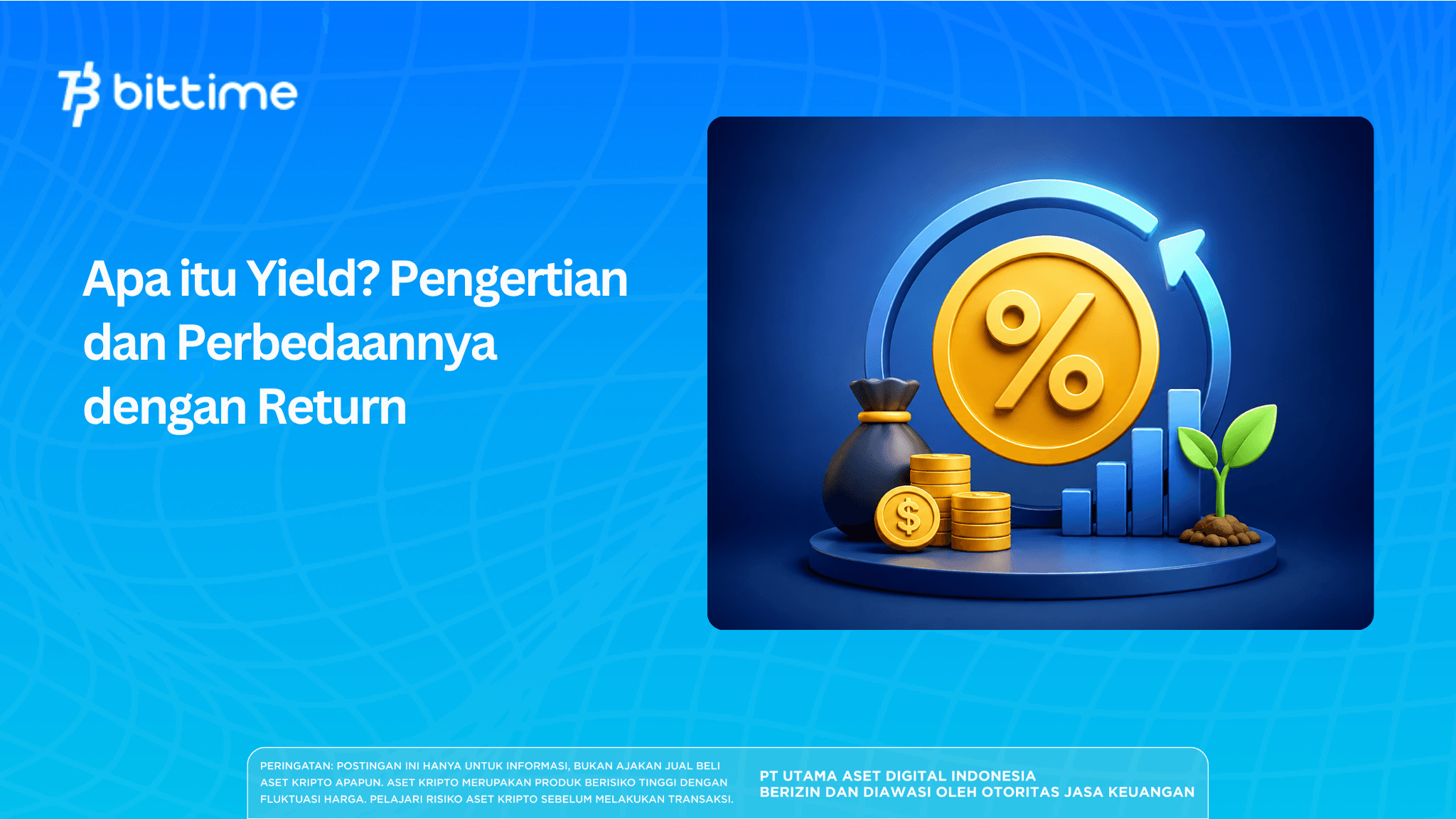
For those of you who are starting to learn about investing, the term yield is one of the important concepts that frequently appears in the world of finance. Yield is used to measure the income generated by an investment asset compared with the value or price of the asset.
Simply put, yield is the level of profit or income earned from an investment over a certain period. This term is widely used for stocks, bonds, mutual funds, and digital assets that provide returns.
Key Takeaways
- Yield measures the income generated by an investment.
- Yield differs from return because it does not always account for changes in asset value.
- Understanding yield helps investors assess the potential income of an asset.
Yield as a Measure of Investment Income
In finance, yield refers to the percentage of income earned by an investor from an asset compared with the price or value of the investment.
Yield is usually expressed as an annual percentage. The higher the yield, the greater the potential income an investor can receive from the asset.
However, a high yield does not always mean that an investment is better. Investors still need to consider the risks, asset stability, and market conditions before making a decision.
For example, a bond with a value of IDR 10 million provides an interest payment of IDR 500,000 per year. Therefore, the yield is approximately 5% per year.
Read also: Crypto Trading Apps: A Guide to Choosing a Crypto App for Beginners
How Yield Works in Investing
Understanding how yield works can help investors determine how an asset generates income.
Yield works by comparing the income received from an investment with the value of the asset or its purchase price. The result of this comparison is then calculated as a percentage.
Simple yield formula:
Yield = Investment Income ÷ Investment Value × 100%
For example, if you purchase an asset worth IDR 20 million and receive IDR 1 million in income in one year, the yield is 5%.
Types of income that can be calculated as yield include:
- Interest from bonds.
- Dividends from stocks.
- Income from rental assets.
- Returns from certain investment products.
- Rewards from digital asset activities.
Read also: Margin Usage, IM Ratio, and MM Ratio: How to Read Them
Types of Yield You Should Know
Yield has several types depending on the investment instrument used. Each type provides different information about potential income.
1. Dividend Yield
Dividend yield is used to measure dividend income dividends from stocks compared with their stock price.
Stock investors often use this indicator to see the potential passive income generated by a company.
2. Bond Yield
Bond yield is used to measure the rate of return from a bond investment. Its value can change depending on bond prices and market conditions.
When bond prices decline, yield generally increases because investors receive a higher rate of return relative to the purchase price.
3. Yield in Crypto
In digital assets, yield can refer to income earned from activities such as staking, lending, or liquidity farming.
This concept allows crypto investors to earn additional returns beyond asset price appreciation.
However, crypto yield generally carries higher risks because it is affected by market volatility, platform security, and protocol conditions.
Read also: Cross Margin vs. Isolated Margin on Bittime Futures
Difference Between Yield and Return
Many beginner investors are still confused about the difference between yield and return because both are related to investment gains.
Yield focuses more on the income generated by an asset. Examples include bond interest or stock dividends received by an investor.
Meanwhile, return includes the overall result of an investment, including income and changes in the asset's price.

(Source: Generated-AI image)
For example, you purchase stocks for IDR 10 million. Within one year, you receive IDR 500,000 in dividends and the stock price increases to IDR 12 million.
Yield only calculates the 5% dividend. However, return calculates the total investment gain from both the dividend and the increase in stock price.
Therefore, return generally provides a more comprehensive picture of investment performance.
Read also: Maker vs. Taker Fee Futures: How to Calculate Trading Fees
Why Is Understanding Yield Important?
Understanding yield helps investors compare different investment options. By looking at yield, investors can estimate the potential income generated by an asset.
Yield also helps determine whether an asset is suitable for an investor's financial goals. Investors looking for regular income generally pay more attention to assets with stable yields.
However, do not choose an investment solely based on a high yield. A high yield often comes with greater risk.
Developments in global yield markets show that investment yields are strongly influenced by economic conditions and interest rate policies.
For example, the yield on Indonesian government bonds with a 10-year maturity was around 6.99%, while rising global bond yields indicate that investors continue to pay attention to inflation risks and monetary policy.
In the crypto sector, yield trends are also continuing to develop through staking and DeFi, but investors need to pay attention to volatility risks, protocol security, and the sustainability of the returns offered.
Read also: What Is the Difference Between Futures and CFDs? A Complete Guide for Traders
Is a Higher Yield Always Better?
Many people assume that a high yield means an investment is more profitable. However, yield is only one indicator used in investment analysis.
Assets with high yields may carry risks such as unstable prices, low liquidity, or weak fundamentals.
Before investing, you need to consider several factors:
- Asset risk.
- Market conditions.
- Income stability.
- Investment objectives.
- Investment period.
Therefore, investment decisions should not be based solely on yield figures but should also consider other factors.
Read also: What Is Address Poisoning? Beware of Accidental Crypto Transfers
The Relationship Between Yield and Investment Strategies
Long-term investors often use yield as one of the tools for building passive income.
For example, stock investors can choose companies that regularly pay dividends. Meanwhile, bond investors can look for instruments with yield levels that match their risk profile.
In the crypto world, yield is also a major attraction because it offers opportunities for additional income. However, technical risks and volatility still need to be considered.
Latest Investment and Financial Information
The investment world continues to evolve, including changes in yield trends for stocks, bonds, and digital assets. Therefore, it is important to stay informed before making financial decisions.
If you want to get updates about crypto investments, digital assets, and the latest market developments, you can register with Bittime to follow the latest financial news and information.
Accurate information can help you understand opportunities as well as risks before making investment decisions.
Conclusion
Yield is an important indicator that helps investors understand how much income an investment asset can generate. This concept is widely used for stocks, bonds, mutual funds, and crypto assets.
The difference between yield and return lies in the scope of their calculations. Yield only considers income generated by an asset, while return calculates the overall gain, including changes in the asset's price.
By understanding yield, you can conduct better investment analysis and choose assets that align with your financial goals. Always conduct your own research before making investment decisions so that your strategy is more measured and informed.

Bittime is a licensed and supervised Digital Financial Asset Trader (PAKD) by the Financial Services Authority (OJK) — a platform where you can buy Bitcoin in Indonesia and hundreds of other crypto assets starting from IDR 10,000. The registration process is fast, secure, and can be started today.
Monitor the USDT to IDR conversion and the price movements of your favorite crypto assets in real time. Everything is available in one crypto investment app that can be downloaded for free from the Play Store.
Ready to get started? Register now with Bittime and execute your investment strategy with a platform trusted by millions of users in Indonesia.
FAQ
What is yield in investing?
Yield is the percentage of income earned from an investment compared with the value of the asset. Yield is generally used to measure the potential income from an investment.
What is the difference between yield and return?
Yield only calculates the income generated by an asset, while return calculates the total gain, including increases or decreases in the asset's price.
How is yield calculated?
Yield is calculated by dividing investment income by the investment value and then multiplying the result by 100 percent.
Is a high yield always good?
Not always. A high yield may indicate an opportunity for greater income, but it may also involve higher investment risk.
Do cryptocurrencies have yield?
Yes, some crypto assets offer yield through staking, lending, or DeFi activities. However, the associated risks should be understood before investing.
Disclaimer: The views expressed belong exclusively to the author and do not reflect the views of this platform. This platform and its affiliates disclaim any responsibility for the accuracy or suitability of the information provided. It is for informational purposes only and not intended as financial or investment advice.

.png)