zkPass (ZKP) vs Monero (XMR): Which Is More Relevant in 2026?
2026-03-26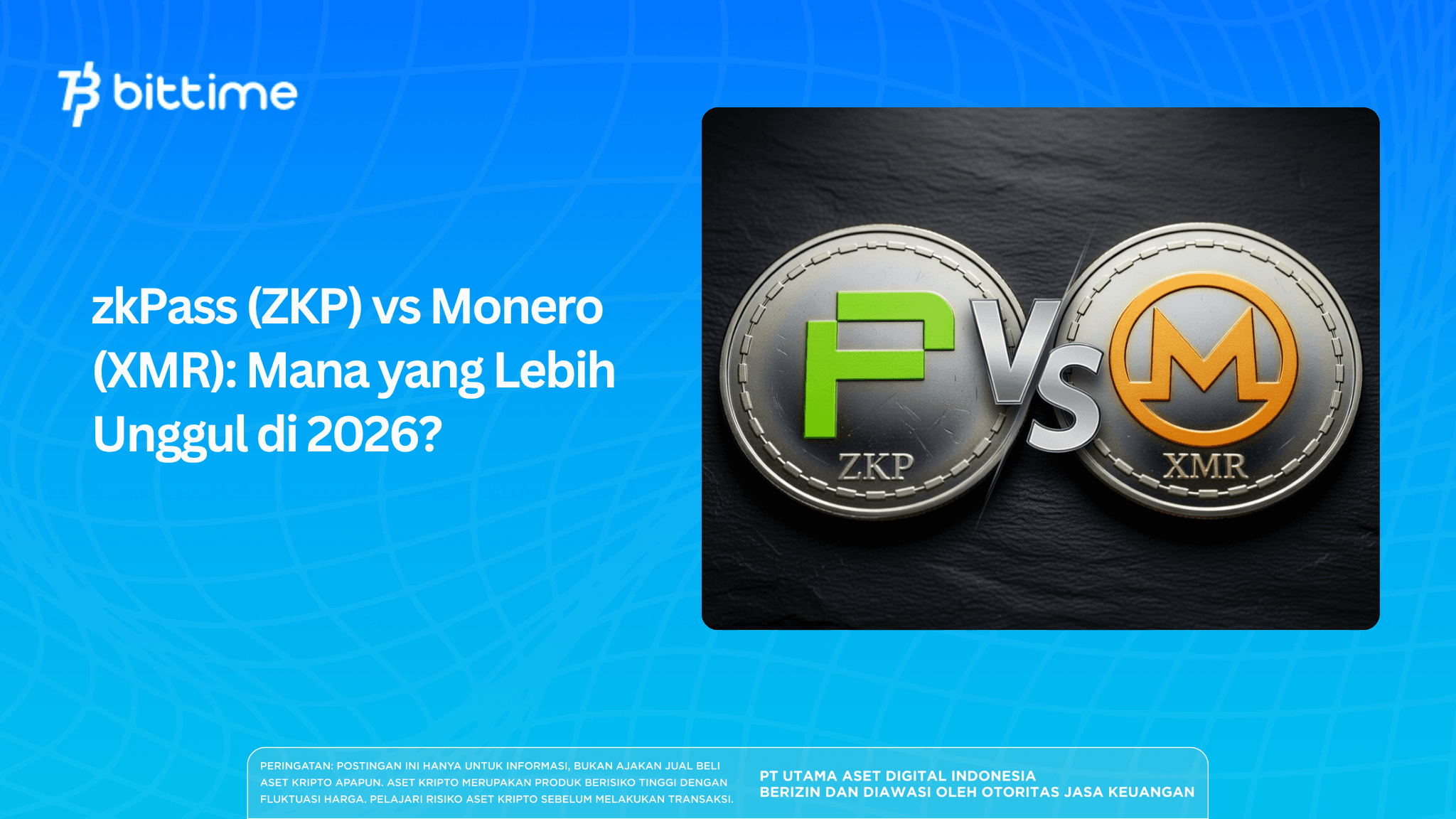
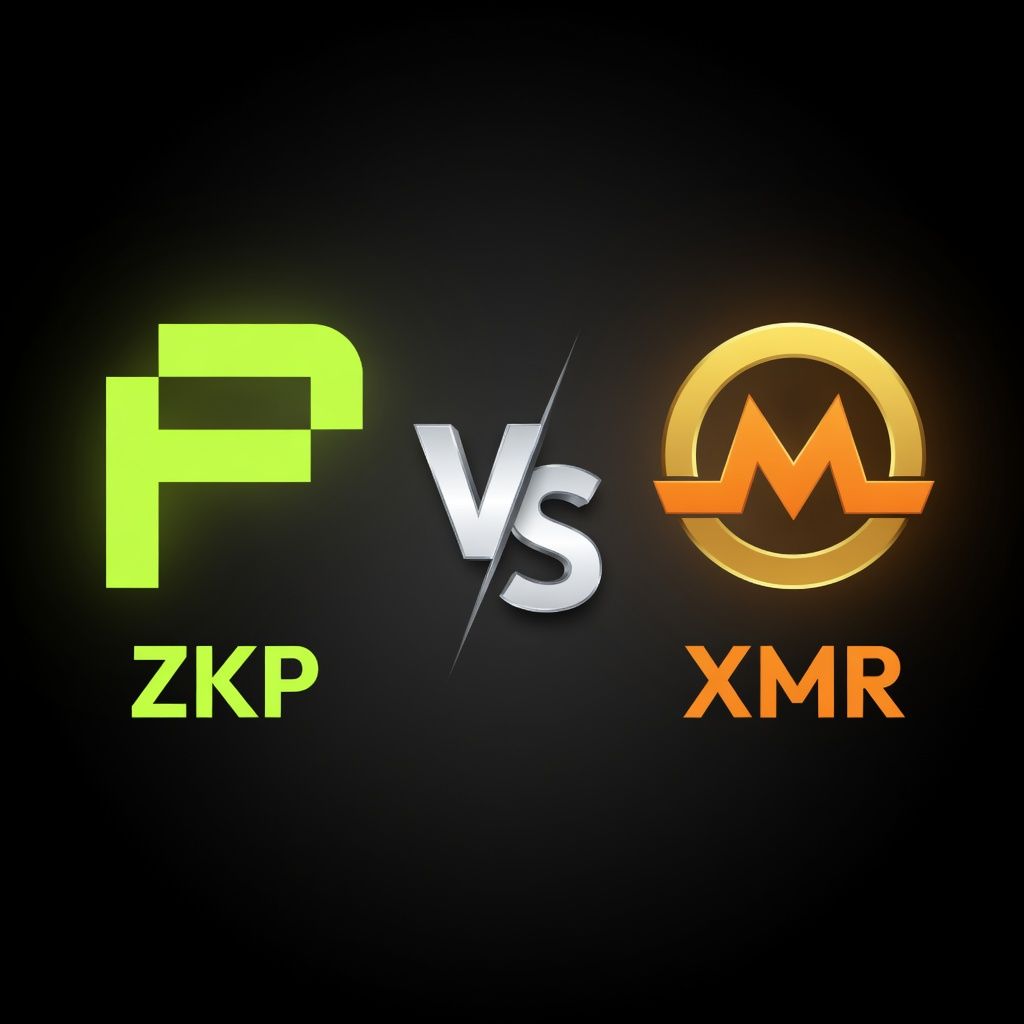
Privacy in crypto has evolved from a niche concern into a mainstream priority — but not everyone agrees on how to achieve it. Monero (XMR) has spent over a decade building an almost unassailable reputation as the gold standard of private transactions.
zkPass (ZKP) arrives with an entirely different playbook: rather than hiding transactions, it proves facts about data without ever revealing the data itself. Both are privacy-focused. But the problems they solve, the markets they serve, and the regulatory environments they navigate are worlds apart. Here's how they stack up.
Key Takeaways
- Monero hides everything, by default. The sender, receiver, and amount of every single transaction are concealed through Stealth Addresses, Ring Signatures, and RingCT — making it a truly fungible and untraceable currency.
- zkPass proves without exposing. zkPass enables applications and users to verify claims from real-world data without exposing the underlying raw data itself — for both humans and AI agents.
- Regulatory posture is the defining difference. As regulatory pressure intensifies globally, zkPass offers an approach that balances privacy with legal compliance — the exact area where Monero faces its most serious headwinds.
Register on Bittime now and start trading crypto with a fast, secure, and easy process on the app.
Two Approaches Born From Different Philosophies
Comparing zkPass and Monero only makes full sense once it's clear they weren't built to solve the same problem. Monero is a currency — engineered for private financial transactions from the ground up. zkPass is a protocol — engineered to verify real-world data claims on-chain without leaking the sensitive information behind them.
Monero has long held the crown as the undisputed leader in the privacy coin space, with powerful privacy features that keep transactions confidential. zkPass doesn't challenge Monero on that terrain. Instead, it targets a different gap entirely: identity verification, credential proofing, and data attestation in the Web3 ecosystem. Both are relevant. They simply serve different masters.
Monero: Privacy Baked Into Every Layer
Monero doesn't offer users a choice about privacy — every transaction is private, without exception, and there is no opt-out. Monero uses three distinct privacy technologies: ring signatures, RingCT, and stealth addresses — hiding the sender, amount, and receiver respectively, with no possibility of accidentally sending a transparent transaction.
Ring signatures ensure transaction outputs are untraceable because no outside observer can determine which member of the signing group actually initiated the transaction.
In 2026, the FCMP++ implementation has expanded Monero's anonymity set further by using the entire ledger as a membership proof basis for each transaction, making chain analysis tools significantly less effective at deanonymizing users.
zkPass: Prove Anything, Reveal Nothing
zkPass operates on fundamentally different ground. Rather than hiding transactions, it hides the data that underpins verification.
Through a three-step process — Perceive, Prove, and Verify — zkPass accesses data from HTTPS sources via a secure 3-party TLS handshake without sharing any API keys, generates a zero-knowledge proof using VOLEITH with millisecond-speed and no trusted setup, and returns a verifiable proof to any party on-chain or off-chain — with no raw data ever leaving its source.
Consider proving that a bank balance exceeds a required threshold to qualify for a DeFi loan — without showing the actual number to anyone.
This capability makes zkPass particularly compelling in the context of AML and KYC compliance, where verification is required but exposing user data creates both privacy and legal risks. That is the gap zkPass is built to fill.
Regulation: Where the Sharpest Difference Emerges
This may be the most consequential dimension of any long-term comparison. Monero faces growing regulatory pressure — major exchanges have already delisted it due to the difficulty of satisfying AML requirements.
Monero's mandatory privacy makes it inherently difficult to integrate into environments that require auditability — exchanges, institutional services, and platforms operating under financial regulation.
zkPass takes the opposite approach. With a transparent on-chain token distribution model and an architecture designed to enable compliance verification without exposing user data, zkPass positions itself as a privacy solution that doesn't conflict with existing regulatory frameworks.
In a market where regulatory clarity is increasingly a prerequisite for institutional adoption, that positioning carries real weight.
Conclusion: Not a Winner, But a Choice of Use Case
Comparing zkPass and Monero is like comparing a vault to a biometric verification system — both are about security, but they serve different functions. Monero remains the strongest option for anyone requiring complete financial privacy in day-to-day transactions, with no compromise. zkPass is better suited for application ecosystems that need to verify data claims without exposing the sensitive information behind them.
What makes this comparison particularly meaningful in 2026 is the tightening regulatory environment. Monero maintains a clear technical edge in transactional anonymity. zkPass holds an edge in long-term operational sustainability within regulated markets.
Both have genuine futures — but for different audiences, different use cases, and different risk profiles. Understanding which problem actually needs to be solved is the necessary first step before any allocation decision.
FAQ
1. What is the core difference between zkPass and Monero?
Monero is a privacy-first cryptocurrency that hides all transaction details — sender, receiver, and amount — by default. zkPass is a verification protocol that enables real-world data claims to be proven on-chain without exposing the underlying data. Both address privacy, but at entirely different layers of the stack.
2. Is Monero still relevant in 2026?
Technically, yes — and significantly so. Monero's protocol continues to evolve, with the FCMP++ upgrade strengthening its anonymity guarantees. The challenge is not technological but regulatory: growing exchange delistings due to AML compliance requirements remain its most serious structural headwind.
3. Can zkPass replace Monero?
Not directly, and it was never designed to. zkPass is not a private currency — it's a data verification layer. The two projects address different needs, making them more complementary than competitive in any meaningful sense.
4. Which is safer from a regulatory standpoint?
zkPass has a clearer advantage here. Its architecture allows KYC and AML compliance to be verified without exposing user data — a design that sits far more comfortably alongside existing financial regulation. Monero's extreme anonymity is precisely what draws regulatory scrutiny in most jurisdictions.
5. Which is the better long-term investment?
This is not financial advice, but the fundamental narratives are distinct. Monero's outlook depends on sustained demand for absolute transactional privacy. zkPass depends on adoption of ZKP-based data verification across Web3 and enterprise ecosystems. Each carries a different risk and growth profile — independent research and careful position sizing remain essential before entering either.
How to Buy Crypto on Bittime?
Want to trade sell buy Bitcoins and crypto investment easily? Bittime is here to help! As an Indonesian crypto exchange officially registered with Bappebti, Bittime ensures every transaction is safe and fast.
Start with registration and identity verification, then make a minimum deposit of IDR 10,000. After that, you can immediately buy your favorite digital assets!
Check the exchange rate BTC to IDR, ETH to IDR, SOL to IDR and other crypto assets to find out today's crypto market trends in real-time on Bittime.
Also, visit the Bittime Blog for interesting updates and educational information about the crypto world. Find reliable articles about Web3, blockchain technology, and digital asset investment tips designed to enrich your crypto knowledge.
Disclaimer: The views expressed belong exclusively to the author and do not reflect the views of this platform. This platform and its affiliates disclaim any responsibility for the accuracy or suitability of the information provided. It is for informational purposes only and not intended as financial or investment advice.

.png)