Tokenization of US Stocks: Rights and Risks Investors Need to Understand
2026-10-29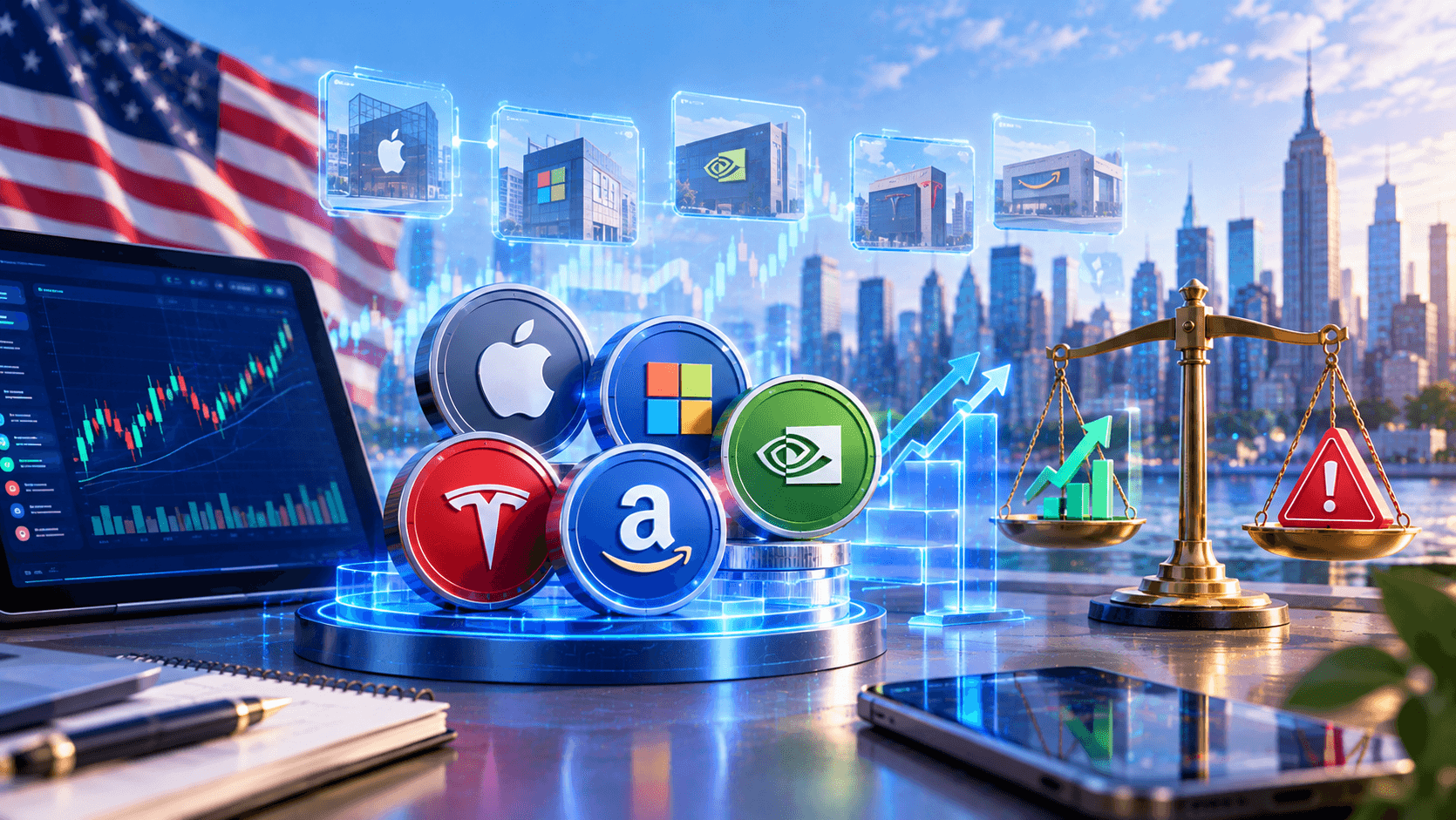
Jakarta, October 28, 2026 — Digital access to the United States stock market is becoming increasingly diverse as financial asset tokenization continues to develop.
However, before choosing these instruments, investors need to understand whether a token grants ownership rights in shares, represents a claim against a particular asset, or merely provides exposure to changes in the underlying asset's price.
Bittime, a Digital Financial Asset Trader (PAKD) licensed and supervised by the Financial Services Authority (OJK), believes that understanding product structures is an important part of the development of blockchain-based investments.
Through its digital asset ecosystem, Bittime offers Tokenized US Stocks, allowing users to gain exposure to the price movements of stocks and related instruments through token-based products.
Bittime Chief Operating Officer Ryan Lymn said that digital investment innovation needs to be accompanied by transparency regarding token holders' rights, product mechanisms, and associated risks.
“Tokenization can open up new approaches to accessing financial assets. However, investors need to understand the structure of the instruments they purchase, including the rights they receive and the parties responsible for the products. Using blockchain technology does not, in itself, make a token equivalent to direct ownership of its underlying asset,” Ryan said.
What Should You Understand Before Buying Tokenized Stocks?
Tokenization is the process of representing an asset or specific rights in the form of a digital token.
In financial markets, tokens may be linked to stocks, securities, gold, interests in investment funds, or other assets. Token holders' rights depend on the legal structure and terms of each product.
For tokenized stocks, these structural differences are particularly important because a company name displayed on a token does not necessarily mean that its holder has the same rights as a conventional shareholder.
Before choosing a product, investors should examine the following aspects:
Token holder rights. Determine whether the token grants direct ownership, a claim through an intermediary, or exposure to the underlying asset's price. Voting rights and dividend entitlements, if any, should be checked in the product terms.
Issuer and legal structure. Identify the party issuing the token, the entity backing or providing exposure to the underlying asset, and the obligations of each party.
Pricing and redemption mechanisms. Understand how the token's price tracks the underlying asset, whether a redemption mechanism is available, and what terms and fees apply.
Liquidity and trading. Check trading volume, bid-ask spreads, and trading terms. Digital access does not automatically guarantee high liquidity.
Technology and third-party risks. Consider risks associated with the platform, custodian, issuer, blockchain network, and applicable legal requirements.
Investor.gov, the investor education website operated by the US securities market regulator, also explains that tokenized securities can use different structures, meaning investor rights depend on the form of the instrument being offered.
Therefore, investors should not assess a product solely by the token's name or the company represented by its underlying asset. Official documents and product terms are the primary sources for understanding the rights actually granted.
Tokenization Developments Attract Institutional Attention
Growing interest in digital assets is also reflected in a survey of global financial institutions. In the 2026 Digital Assets Study released by State Street on October 6, 2026, 51% of the 300 respondents, comprising asset managers, asset owners, and wealth managers, expected digital assets to become mainstream within the next five years. This figure was up from 42% in 2025 and 11% in 2024.
These findings reflect respondents' expectations for digital asset development, rather than guaranteeing that all forms of tokenization will be widely adopted.
Adoption will still depend on regulatory clarity, infrastructure readiness, investor protection, and the benefits offered by each business model.
In Indonesia, OJK also evaluates financial innovations through its regulatory sandbox mechanism. In its September 2026 financial services sector development report, OJK stated that seven participants had completed testing and passed the assessment.
The business models mentioned included gold tokenization, securities through a Fund Management Contract (KPD) scheme, and property ownership benefits, alongside other digital financial innovation models.
Passing the regulatory sandbox does not automatically mean that a product has obtained all the licenses required for market distribution. Its status and operating requirements must still be checked in accordance with the business model and applicable regulations.
“Developments in tokenization need to be accompanied by clarity regarding investor rights, issuer responsibilities, and consumer protection mechanisms. Innovation becomes easier to understand when users can access adequate information about how a product works and the risks involved,” Ryan said.
Tokenized US Stocks and Instrument Options on Bittime
One tokenization application relevant to Indonesian investors is token-based instruments that provide exposure to shares of US companies.
These products can provide access through a digital asset ecosystem, but their mechanisms and associated rights still depend on the structure of each token.
Bittime offers 37 Tokenized US Stocks options. Four instruments mentioned in the product update on October 23, 2026, were DELLB, SNDKB, MUB, and SMCIB. These additions expand the range of instruments available to users through the platform.
However, a greater number of options does not automatically make a portfolio more diversified. Investors still need to assess relationships between assets, exposure to particular sectors, currency risk, and the suitability of each instrument for their investment objectives.
Developments in financing for technology companies are also part of the broader market context. Reuters reported that bond issuance by Amazon, Alphabet, Meta, and Oracle reached approximately US$194 billion as of July 7, 2026.
Financing needs among technology companies and governments can affect bond market dynamics and broader financial conditions. However, changes in bond yields do not automatically determine the direction of stocks or tokens associated with them.
Therefore, tokenized stocks should be assessed based on the characteristics of the product and its underlying asset, rather than solely on a company's popularity or emerging technology trends.
Choosing Instruments Based on Objectives and Risk
Bittime believes that broader access to digital instruments needs to be accompanied by a measured investment approach. Users should understand their investment objectives, assess the risks of each product, and ensure that the information they rely on comes from official sources.
Ryan emphasized that understanding a product is an essential part of the decision-making process.
“Having more asset options does not mean that every instrument needs to be held. Investors should assess how a product works, what rights it provides, and how its risks align with their investment objectives. Decisions should be based on verifiable information rather than simply following trends,” Ryan concluded.
Bittime encourages users to read the official Tokenized US Stocks terms before trading, including information about underlying assets, token holder rights, fees, liquidity, and third-party risks. Investors should also ensure that each instrument's characteristics align with their needs and risk tolerance.
Tokenization can offer new approaches to accessing financial assets, but it does not eliminate investment risks. Understanding a product's structure remains essential before making an investment decision.
Disclaimer: The views expressed belong exclusively to the author and do not reflect the views of this platform. This platform and its affiliates disclaim any responsibility for the accuracy or suitability of the information provided. It is for informational purposes only and not intended as financial or investment advice.
.png)