Gold Tokenization: How Does It Work?
2026-04-11
Have you ever wanted to own gold but without the hassle of storing heavy physical bars at home? Gold tokenization gives you exactly that solution. It turns real physical gold into digital tokens on the blockchain. Each token represents actual gold stored safely in a professional vault.
The way gold tokenization works lets you buy, sell, or transfer gold straight from your phone. No need to worry about shipping or storage. The token price always follows the global gold price in real time.
Key Takeaways
- Gold tokenization connects physical gold with blockchain technology, making it much easier to access.
- Every digital gold token is backed 1:1 by real physical gold kept in secure vaults.
- The minting, trading, and redemption process makes investing in gold simpler and more transparent.
Register at Bittime now and start trading crypto with a fast, safe, and easy process in the app.
What Is Gold Tokenization
Gold tokenization is the process of turning physical gold bars into digital form on the blockchain. The physical gold stays safe in a vault, while the digital token can be traded like regular cryptocurrency.
Imagine you own one ounce of gold. Normally you would need to store it yourself or pay vault fees. With gold tokenization, the issuing company buys the gold, stores it in a certified vault, and creates digital tokens that represent that exact gold. Each token equals one ounce of 99.99% pure gold.
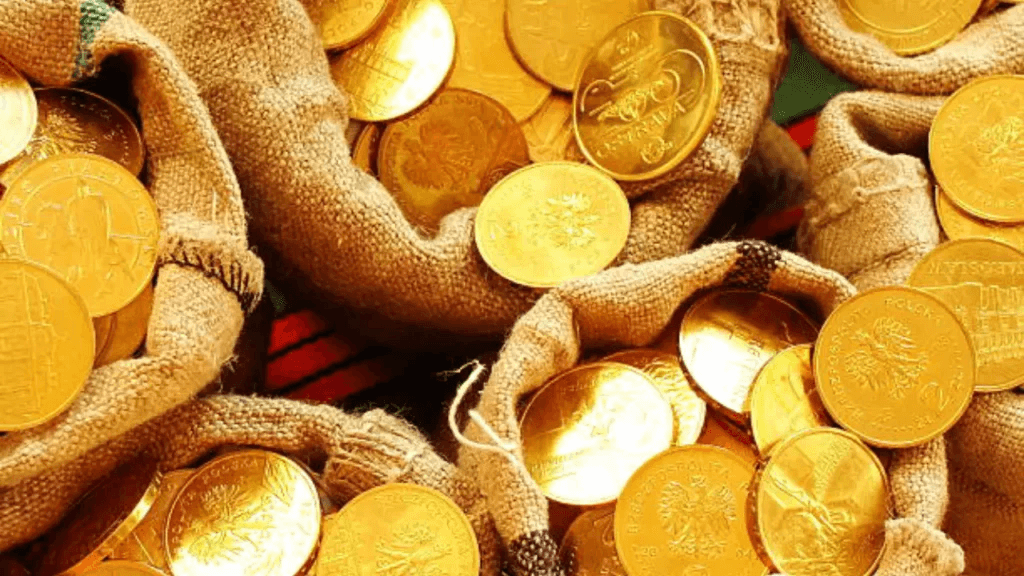
Gold tokenization is popular because it combines the safety of gold as a store of value with the speed of blockchain. You can buy tiny fractions, like 0.01 ounce, without buying a full bar. This opens gold investing to more people.
In Indonesia, many investors are interested in tokenized gold because it is easy to buy on platforms like Bittime. The price updates automatically with the global gold market, so you don’t need to check physical gold prices every day. You can trade 24 hours a day, seven days a week.
Gold tokenization is also very transparent. Every token’s history can be checked on the blockchain. Issuing companies usually run regular audits by independent parties. This builds more trust than traditional paper gold or regular ETFs. You really own a claim on the physical gold, not just a piece of paper.
Read also : Best Antam Gold Alternatives 2026 (PAXG, XAUT, etc.)
The Minting Process and How Gold Tokenization Works
Let’s walk through the steps of how gold tokenization works. This process is called minting gold tokens. Here is the simple sequence:
- The issuing company buys physical gold from official markets. The gold must be pure and carry LBMA certification.
- The gold is stored in internationally accredited secure vaults, such as those in London or Switzerland.
- Once the gold is in the vault, the company creates digital tokens on the blockchain. Each token represents exactly one ounce of gold.
- The tokens are released to the market. You can buy them on crypto exchanges.
- When you buy a token, ownership is recorded on the blockchain. You can sell or transfer it anytime.
- If you want, you can exchange the tokens back for physical gold. Usually there is a minimum amount for redemption.
The minting process for gold tokens is strictly monitored so the number of tokens always matches the physical gold in storage. This is called 1:1 backing. When someone redeems, the token is burned and the physical gold is taken out of the vault.
From the user side, the way gold tokenization works is very straightforward. You only need a crypto wallet, choose a supported exchange, and buy tokens like PAXG or XAUT. The token then appears in your wallet. Its price moves with world gold prices. There are no monthly storage fees like with physical gold.
Besides that, the tokens can be used in DeFi. You can use them as collateral for loans or earn interest. Everything runs automatically through smart contracts on the blockchain.
Read also : Crypto-Based Gold Investment Strategy for Retirement Funds
Getting to Know PAXG and XAUT as Examples of Digital Gold Tokens
The two most popular examples of tokenized gold are PAXG and XAUT. Both are widely used in Indonesia and around the world.
PAXG is issued by Paxos, a company regulated by the New York government. Each PAXG token represents one ounce of gold stored in the Brink’s vault in London. Paxos conducts monthly audits by KPMG. The way PAXG works focuses heavily on regulation and transparency. You can check the gold reserve proof on their official website anytime.
XAUT is issued by Tether, the same company behind the USDT stablecoin. The gold for XAUT is stored in vaults in Switzerland. Each token has a specific gold bar serial number that you can verify. The way XAUT works is faster and integrates well across many blockchains like Ethereum, Tron, and BNB Chain. It often has higher liquidity.
Both tokens follow the same basic mechanism. Their price tracks the world spot gold price. The main differences are in vault location, fees, and ease of use. In Indonesia you can buy both on Bittime. Many investors choose them to diversify their portfolio because gold is considered safe when the crypto market drops.
Simple comparison: PAXG suits investors who prefer strong regulation, while XAUT is better for traders who need high liquidity. Both remain safe because real physical gold always backs them.
Read also : PAXG vs. Antam Gold 1-Year Investment Case Study Analysis: Complete Calculations and Guide
Benefits and Risks of Tokenized Gold
Tokenized gold offers many benefits. First, it has high liquidity. You can sell anytime without waiting for physical buyers. Second, costs are low because you avoid storage and insurance fees. Third, you can buy small amounts, which is perfect for beginners. Fourth, everything is transparent and verifiable on the blockchain.
However, there are risks to consider. You depend on the issuing company and the vault. Even though it is rare, counterparty risk still exists. Token prices follow gold price movements, so if gold falls, the token value falls too. In addition, crypto regulations in Indonesia can still change.
Overall, tokenized gold is a good choice for people who want to combine the safety of gold with the convenience of crypto.
Conclusion
Gold tokenization makes gold investing more modern and easier. By understanding how gold tokenization works, you can decide if it fits your portfolio. Start with a small amount, learn about PAXG or XAUT, and keep an eye on developments. This digital gold blockchain opens new opportunities for Indonesian investors. Go ahead and study it more, then invest wisely.
How to Buy Crypto on Bittime?
Want to trade sell buy Bitcoins and crypto investment easily? Bittime is here to help! As an Indonesian crypto exchange officially registered with Bappebti, Bittime ensures every transaction is safe and fast.
Start with registration and identity verification, then make a minimum deposit of IDR 10,000. After that, you can immediately buy your favorite digital assets!
Check the exchange rate BTC to IDR, ETH to IDR, SOL to IDR and other crypto assets to find out today's crypto market trends in real-time on Bittime.
Also, visit the Bittime Blog for interesting updates and educational information about the crypto world. Find reliable articles about Web3, blockchain technology, and digital asset investment tips designed to enrich your crypto knowledge.
FAQ
What is gold tokenization?
Gold tokenization turns physical gold into digital tokens on the blockchain with 1:1 backing.
How does PAXG work?
PAXG is issued by Paxos. Gold is stored in London, tokens are minted after audit, and then traded on exchanges.
What is the difference between XAUT and PAXG?
XAUT comes from Tether with vaults in Switzerland and higher liquidity, while PAXG is stronger in regulation.
Can I exchange tokens for physical gold?
Yes, for large amounts you can redeem tokens for physical gold through the official process.
Is tokenized gold safe for beginners in Indonesia?
It is safe if you use official exchanges and your own wallet. Start small and learn the risks first.
Disclaimer: The views expressed belong exclusively to the author and do not reflect the views of this platform. This platform and its affiliates disclaim any responsibility for the accuracy or suitability of the information provided. It is for informational purposes only and not intended as financial or investment advice.
.png)