RAI Token: A Guide to Staking RAI
2026-04-22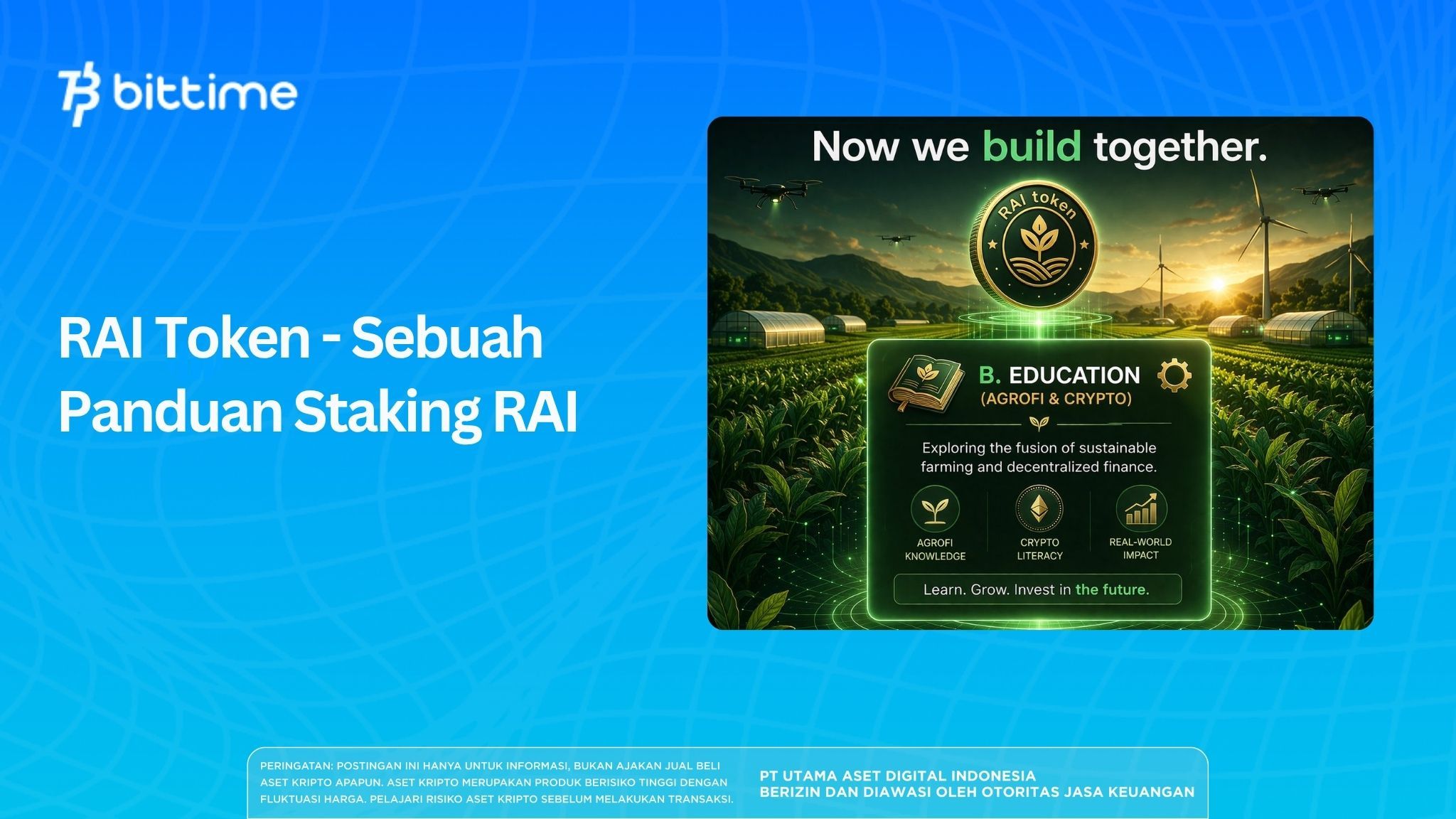
RAI is an ERC-20 token positioned for the blockchain-based agricultural ecosystem. When people search for RAI staking, the most common questions are not just how to start, but also whether the reward model, risks, and project structure are clear enough to understand.
Public information on RAI's product, tokenomics, and roadmap is available. However, readers should still check contract details, audits, the meaning of “governance,” and the latest staking rules before locking assets.
Key Takeaways
- RAI is described as an ERC-20 utility token connected to the AgroFi ecosystem or RAI dApp, primarily functioning within wallets and staking pools.
- Staking rewards come from platform activity fees, community token allocations, and voluntary contributions from Royal Agro Industri, so results should not be considered guaranteed or fixed.
- Before staking RAI Token, users should verify the contract address, audit scope, lock-up duration, and explanation of user rights via official channels.
Register on Bittime now and start trading crypto quickly, safely, and easily via the app.
What is RAI and Its Staking Model?
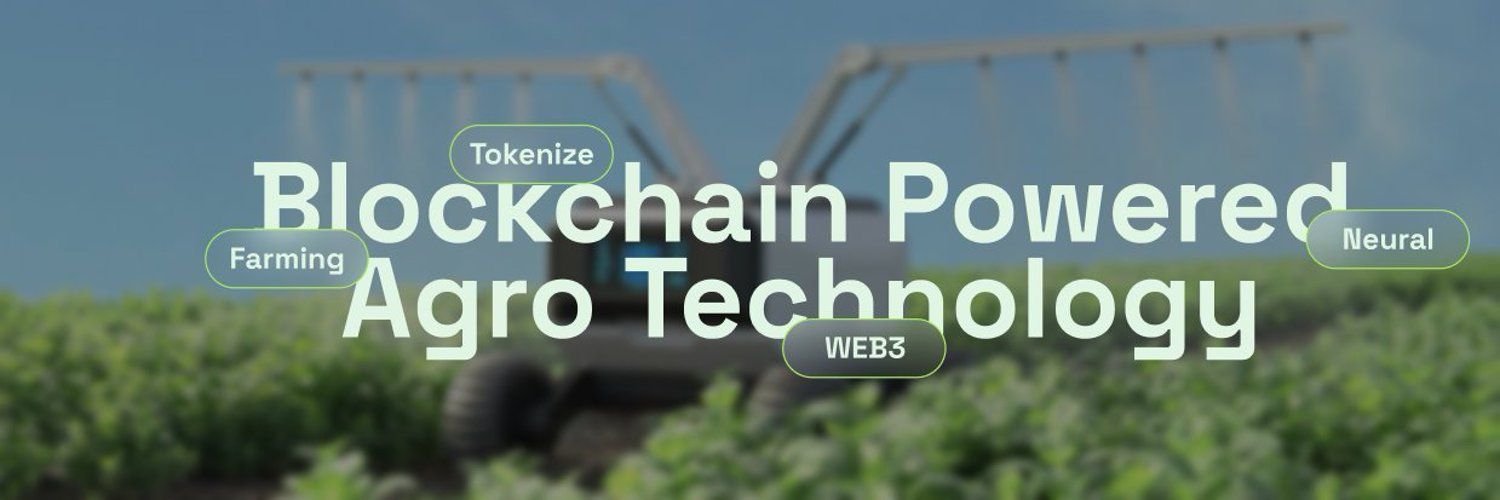
According to the public whitepaper, RAI is an AgroFi ecosystem token designed to link blockchain participation with real agricultural activities.
The two most prominent functions are wallet utility and staking mechanisms within a dedicated staking pool.
The whitepaper also states that the total supply of RAI is permanently capped at 50,000,000 tokens. Structurally, Royal Agro Industri is positioned as operational and integration support rather than a token owner.
How Does RAI Token Staking Work?
Publicly, RAI staking is described as locking tokens in a staking pool to earn ecosystem rewards. Rewards are sourced from platform activity fees, community token allocations, and voluntary contributions from Royal Agro Industri.
The model includes multiple tiers with different multipliers based on lock-up duration and level of participation.
Longer lock-up commitments provide potential additional benefits, such as reduced platform fees or early access to new features, but technical conditions and final calculations should be verified before participating.
Based on available public materials, the RAI Token staking guide leads users to set up a wallet and then enter the RAI staking pool.
In practice, users usually need to prepare a wallet that is compatible with the Ethereum network, ensure the RAI balance is available, and then select the offered staking pool or tier.
After that, the most important step is not just clicking confirm. Users must read the lock-up duration, reward mechanism, network fees, and unstake conditions to avoid misconceptions.
Is it suitable for beginners?
For beginners, RAI can be studied because its utility narrative is fairly easy to understand, linking on-chain participation with the agriculture sector. However, staking still carries typical blockchain risks, such as smart contract vulnerabilities, regulatory changes, and liquidity risks when tokens are locked.
In other words, suitability does not depend solely on the project story. It depends more on the user’s understanding of lock-up, price volatility, and risk tolerance.
See Also: Complete Guide on How to Buy RAI Token (RAI)
Things to Check Before Staking RAI
1. Check the contract and audit
Some public pages display the RAI contract address and third-party security indicators. Nevertheless, users should verify whether the audit truly covers the active staking contract, the audit date, and whether any findings were resolved.
2. Check the meaning of rewards and their source
Many users assume staking always provides a fixed interest. For RAI, public explanations indicate rewards are based on ecosystem activity and certain allocations, so returns should be viewed as potential rather than guaranteed.
See Also: RAI Token (RAI) Price Prediction 2026: Latest Chart Analysis
3. Check governance clarity and user rights
One key point to note: the official homepage describes RAI as a utility and governance token, while the whitepaper clarifies that RAI does not grant ownership or voting rights.
Therefore, the meaning of “governance” in practice should be verified before staking RAI Token.
Additionally, the whitepaper states that RAI is not an investment or security offering, and participation is subject to local laws. Readers in Indonesia or abroad should verify legal aspects according to their jurisdiction.
Conclusion
RAI appears to have sufficient public information to understand the project’s basic functions, particularly ERC-20 utility, staking pool, reward sources, tokenomics, and roadmap.
However, staking decisions should be made only after users review contract details, audits, governance meaning, lock-up rules, and regulatory risks via official channels.
If you are still comparing options, take time to review official documents and understand the reward structure before locking assets.
How to Buy Crypto on Bittime?
Want to trade or buy Bitcoin and invest in crypto easily? Bittime is ready to help! As a licensed Indonesian crypto exchange registered with OJK, Bittime ensures every transaction is safe and fast.
Start with registration and identity verification, then deposit a minimum of IDR 10,000. After that, you can immediately buy your favorite digital assets!
Check the rates for BTC to IDR, ETH to IDR, SOL to IDR and other crypto assets to track real-time market trends on Bittime.
Also, visit Bittime Blog for educational articles and updates about crypto, Web3, and blockchain technology designed to enrich your knowledge in digital asset investing.
FAQ
What is RAI token?
RAI token is an ERC-20 crypto asset positioned as a utility token within the AgroFi ecosystem or RAI dApp, primarily for wallet and staking functions.
How do I stake RAI token?
Users generally need a compatible wallet, sufficient RAI balance, and then enter the staking pool to select a lock-up tier while checking reward and unstake requirements.
Does staking RAI token provide fixed returns?
There is no sufficient public basis to claim fixed returns, as rewards come from platform activity, token allocations, and voluntary contributions.
Is RAI safe for beginners?
RAI can be studied by beginners, but safety should not be assumed automatically because official documents mention smart contract and regulatory risks.
What should I check before buying or staking RAI?
Check contract address, audit, lock-up duration, reward sources, governance meaning, and local law regulations before making a decision.
Disclaimer: The views expressed belong exclusively to the author and do not reflect the views of this platform. This platform and its affiliates disclaim any responsibility for the accuracy or suitability of the information provided. It is for informational purposes only and not intended as financial or investment advice.
.png)