World War 3: Which Countries Are at War?
2026-03-03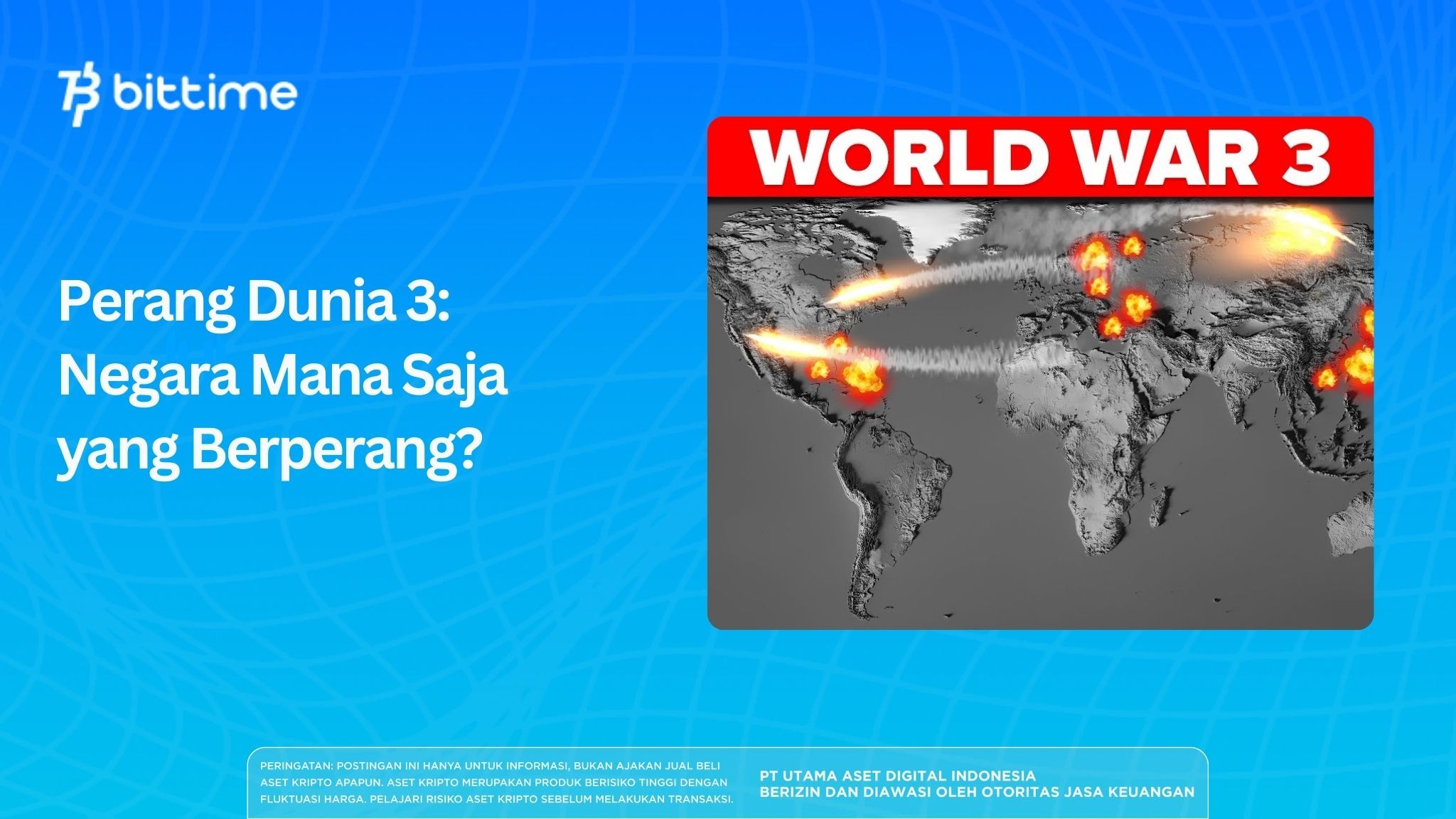
The issue of World War 3 is once again widely discussed due to the expanding Middle East conflict, causing many to wonder which countries are truly involved in the war. The problem is that much of the information on social media mixes countries directly involved, countries merely affected, and countries that have only been mentioned in speculation.
To avoid misunderstandings, this topic needs to be addressed more clearly. The safest way is to differentiate between the main combatants, the targeted regions, and the major countries that are still at the level of diplomatic response.
This way, readers can understand the Potential of World War 3 without being swayed by excessive narratives.
Key Takeaways
- So far, the largest conflict clearly involves the United States, Israel, and Iran as the main combatants.
- Several countries in the Gulf region and Lebanon have been directly affected, but their status is not always the same as those actually at war.
- The potential for World War 3 remains a scenario, not an officially declared global war yet.
Why is the Topic of World War 3 Becoming Popular Again?
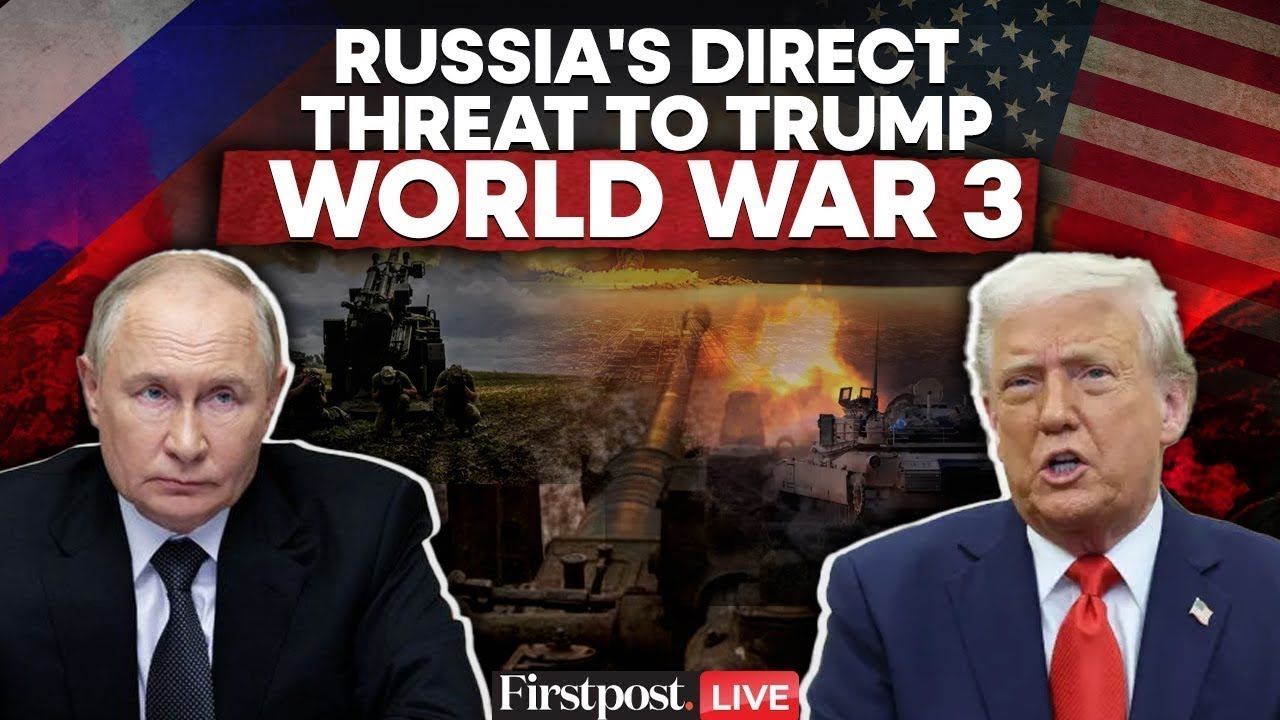
The conversation about World War 3 is rising due to the rapid military escalation. In such situations, the public usually seeks simple answers, such as who is fighting whom, who are the allies, and which countries will be dragged into the conflict.
However, in modern conflicts, the involvement map is not as simple as two large blocks facing each other.
There are countries that attack, countries that host military bases, countries affected by attacks, and countries that only provide political or diplomatic support.
Therefore, when reading news about war, it's important not to immediately assume that all countries mentioned are automatically at war.
Some countries are just strategic grounds, others are indirect targets, and some are only considered in geopolitical analysis. This is what makes discussions about the Potential of World War 3 often confusing.
To clarify, we need to map the involvement status of each country simply and neutrally.
Read Also: Bittime Futures Public Beta Waitlist and Get Trial Funds up to 1500 USDT
Why is the term "participating in the war" often misunderstood?
Many people assume that if a country is affected by an explosion, becomes a military base location, or is mentioned in conflict news, that country is automatically involved in the war.
However, this is not always the case. In international law and practice, there is a big difference between the main combatants, affected countries, allied countries, and countries that only react politically.
Therefore, this article will not include all countries mentioned by the media as the same. The focus is to answer the public's questions more clearly: who is directly involved, who is getting dragged in, and who is still at the speculation level.
Countries Most Clearly Involved Directly
If the question is about who is most clearly participating in the war right now, the answer points to three main countries: the United States, Israel, and Iran. These three countries are at the heart of the conflict, from the side of the attack, retaliation, and military escalation that is forming the current regional crisis.
This is important because many viral articles mix up the core conflict with a list of potential countries, even though the two are different.
The United States and Israel are on the side of military operations that are linked in pressure against Iran. Meanwhile, Iran is the center of retaliatory responses that escalate regional tensions.
From this point, the conflict spreads to surrounding areas. So if the public asks, “Which countries are involved in World War 3?”, these three names are the most direct and clear answers.
Read Also: Crypto Trading Strategies for Beginners, Don’t Do This!
Does this mean World War 3 has officially begun?
Not yet. This is a very important point. So far, there has been no official declaration that the world is in World War 3. What exists is a large regional war with a very high risk of expansion.
That is why the phrase "Potential of World War 3" is more appropriate than referring to the world war as officially started.
This difference is important for the readers. If all major conflicts are immediately called World War 3, the analysis becomes vague. What is more useful is understanding the level of threat. Currently, the threat is high, the impact is global, but the formal status of world war has not yet been declared.
Countries That Are Dragged In or Serve as Conflict Zones
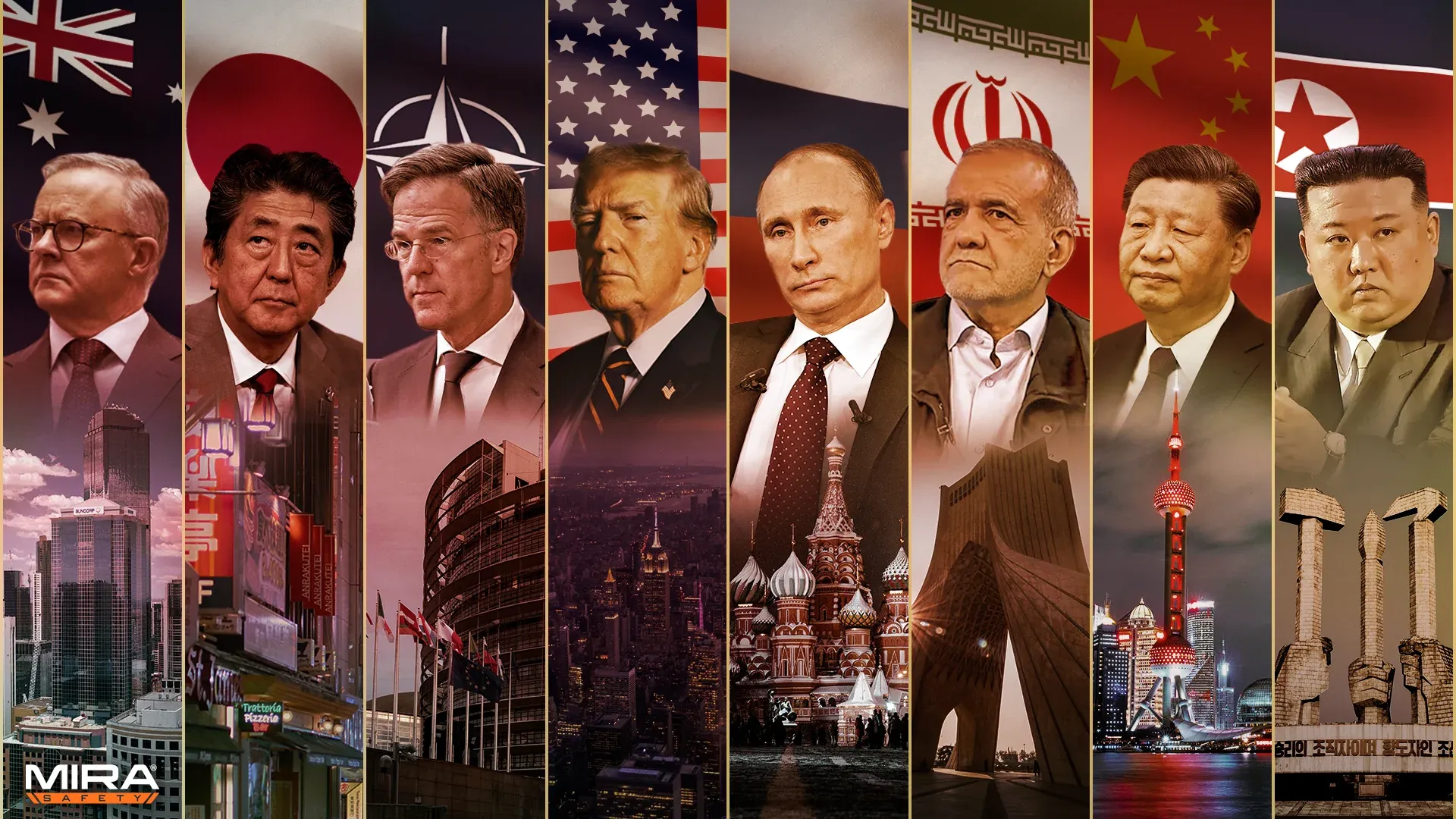
After the main combatants, there is a second group of countries that need to be discussed. This group is not at the core of the conflict but has been dragged in due to geographic location, foreign military bases, or involvement of armed actors within their territories.
In this context, Lebanon becomes an important name because the conflict front has expanded there. When a region becomes a place for retaliatory attacks and military responses, its position changes from merely an observer to an active war zone.
Apart from Lebanon, several countries in the Gulf region have also been affected as they serve as military bases, missile targets, or strategic points impacted by the escalation. However, it is important to understand that not all affected countries automatically become the main belligerents.
There are countries whose territories are shaken without being the main decision-makers in the war itself. This is often overlooked in general discussions.
Which Countries Are Directly Affected?
In general, countries like Lebanon, Qatar, Kuwait, Saudi Arabia, the United Arab Emirates, and several key points in the Gulf region are often mentioned as areas directly affected by the conflict expansion.
However, their status is not the same across the board. Some are affected due to foreign military bases, some are affected due to strategic energy locations, and others are dragged in due to geopolitical proximity.
Thus, when writing clearly, these countries should be referred to as countries that are dragged in or directly affected, not automatically equated with the main combatants. This way, readers get a more accurate picture.
Read Also: 7 Effective Crypto Trading Tips for Beginners, with Complete Tips and Tricks
So, when reading about World War 3, the most important thing is to distinguish between countries that are already at war, countries that are affected, and countries that are still in the expansion scenario. These three levels should be read separately.
What is the Impact on the Public and Investors?
The topic of a major war is not just about military action. The effects are quickly felt in oil prices, exchange rates, gold, stocks, and cryptocurrencies. Therefore, the general public and retail investors need to understand the situation calmly.
When war news intensifies, markets usually react first with fear, not certainty. That’s why clear information is crucial. If the scale of the conflict is misunderstood, people can make wrong financial decisions.
On the other hand, the public must also be aware that modern wars always have a strong psychological impact. The term World War 3 is highly attention-grabbing because it triggers global fear. However, fear does not always equate to the strategic reality. Therefore, reading the details of the conflict in layers will be far more useful than just following viral narratives.
What is the Safest Way to Read This Issue?
There are three simple ways. First, separate facts from speculation. Second, distinguish between countries fighting and countries that are only affected. Third, look at market and geopolitical impacts separately. By doing so, we won’t easily fall for sensational headlines.
For those following the asset market, this approach helps maintain rational decision-making. For the general public, it helps understand the global situation without getting caught up in panic.

Conclusion
So, if asked, "World War 3: Which countries are fighting?", the most concise answer is that the United States, Israel, and Iran are at the core of the current conflict. Lebanon and several countries in the Gulf region are directly affected or dragged into the conflict zone.
Meanwhile, many other major countries are still at the level of diplomatic response, strategic positioning, or expansion scenarios. Therefore, while the Potential of World War 3 is worth monitoring, it cannot yet be equated with an officially declared world war.
If you want to continue monitoring the geopolitical impact on the crypto market and other assets, you can check Bittime Exchange to view market movements or read the latest updates on Bittime Blog. This way, you can stay calm, updated, and not miss out on market direction.
FAQ
Has World War 3 officially started?
Not yet. What is happening is a large regional conflict with a high risk of expansion.
Which country is most clearly involved in the war?
The United States, Israel, and Iran are the countries most clearly at the core of the current conflict.
Is Lebanon involved in the war?
Lebanon has become part of the expanding conflict front, but its position must still be distinguished from the core combatants.
Is NATO involved in the war?
Not yet as an alliance. Many people mention NATO in speculation, but its status is not the same as an active combatant.
Why is this topic important for investors?
Because large conflicts can affect oil prices, gold, stocks, and crypto prices very quickly.
How to Buy Crypto on Bittime?
Want to trade and buy Bitcoin and invest in crypto easily? Bittime is ready to help! As a crypto exchange registered in Bappebti, Bittime ensures every transaction is safe and fast.
Start by registering and verifying your identity, then make a minimum deposit of IDR 10,000. After that, you can directly buy your favorite digital asset!
Check the exchange rate BTC to IDR, ETH to IDR, SOL to IDR and other crypto assets to see today's crypto market trends in real-time at Bittime.
Additionally, visit Bittime Blog to get various interesting updates and educational information about the crypto world. Find reliable articles about Web3, blockchain technology, and investment tips designed to enrich your knowledge in the crypto space.
Disclaimer: The views expressed belong exclusively to the author and do not reflect the views of this platform. This platform and its affiliates disclaim any responsibility for the accuracy or suitability of the information provided. It is for informational purposes only and not intended as financial or investment advice.

.png)