Impact of the US Iran Crisis on Bitcoin
2026-02-20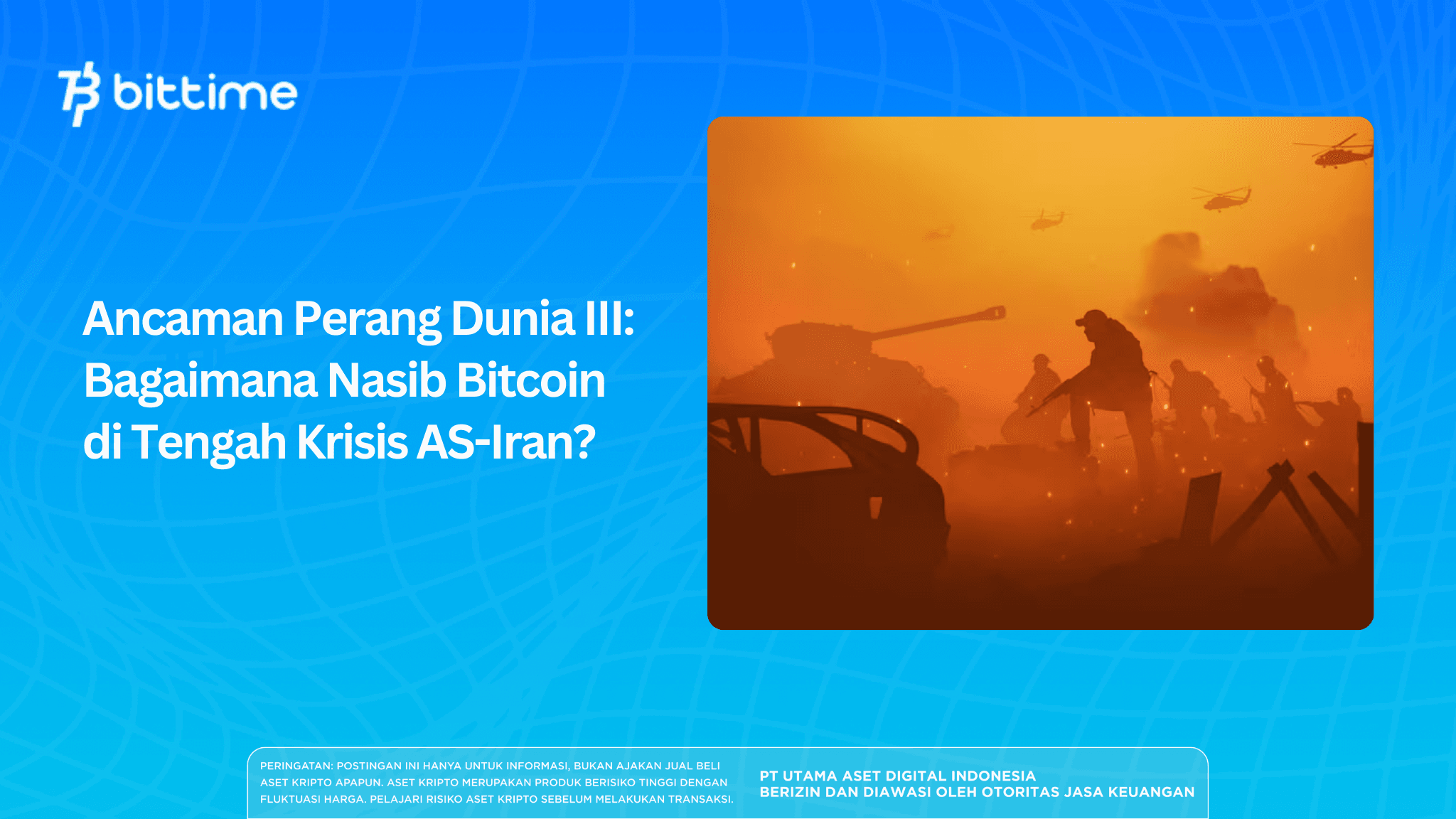
Tensions between US and Iran have raised fresh concerns across global markets. Reports of a possible military conflict push investors toward risk reduction and into assets seen as safer. Oil and precious metals have strengthened, while crypto markets are under pressure.
This situation prompts an important question: will Bitcoin weaken further if conflict breaks out, or could it find a new role amid global uncertainty?
Key Takeaways:
- Geopolitical tension increases crypto-market volatility.
- Bitcoin tends to weaken in the early phase of a global crisis.
- What happens next depends on the conflict’s duration and economic policy responses.
Global Market Reaction to US–Iran Tension
Every escalation in geopolitics is usually followed by rapid changes across financial markets. Investors tend to take a defensive stance when risk rises. In the US–Iran context, energy markets are particularly sensitive: fears of supply disruption push oil prices up and may fuel global inflationary pressure.
When inflation risks increase, central banks may hold or raise interest rates. A high-rate environment generally weighs on risky assets, including crypto — which helps explain why crypto market capitalisation can correct when global sentiment worsens.
Beyond energy, political uncertainty affects investor psychology. Capital often flows into instruments perceived as more stable. During such phases volatility rises and price moves become highly news-sensitive.
Importantly, an initial market reaction doesn’t always reflect the long-term trend. After the panic phase subsides, prices frequently enter consolidation before a new direction is established. Short-term moves should therefore be seen in a broader context.
Read also: US Trade Wars and Their Impact on Bitcoin, XRP and ETH
Bitcoin’s Position Amid Global Crisis
Debate over Bitcoin’s status reappears with every crisis. Some view it as an alternative to traditional finance thanks to decentralisation. In practice, however, Bitcoin often behaves like a risky asset during the early stages of uncertainty.
When conflict intensifies, investors seek liquidity and stability, which can trigger selling pressure on crypto. Such corrections typically reflect risk aversion rather than a change in blockchain fundamentals.
However, the narrative could shift if a conflict is prolonged and undermines confidence in traditional financial institutions. In extreme scenarios, digital assets might be reconsidered as an alternative store of value.
In short, Bitcoin’s position depends heavily on context: short-term volatility is likely, while medium-term direction will be shaped by economic policy, global responses and geopolitical stability.
Read also: Pro-Crypto Policies and Bitcoin in 2026
Scenarios If a Conflict Breaks Out
If conflict occurs and persists, its effects could spill across many sectors. Elevated energy prices may suppress global growth. Equities could correct, and cross-asset volatility would rise.
For crypto there are several plausible paths: continued downward pressure as investors stay cautious; a sideways market with sharp swings; or a gradual recovery if monetary policy loosens in response to economic slowdown.
Government and central-bank responses are pivotal. If stimulus is deployed, added liquidity can support digital assets. Risks remain, though — particularly if the conflict widens.
Therefore, a rational approach and risk management are essential. Avoid emotion-driven choices and ensure you understand your personal risk profile before investing.
Read also: Gold vs Bitcoin: Best Asset Picks for 2026
Conclusion
A US–Iran crisis could raise global market volatility, including in crypto. Initially, Bitcoin is likely to come under pressure as investors reduce risk. Medium-term direction will depend on conflict scale and policy responses. In times of deep uncertainty, discipline, rational analysis and strong risk management are the investor’s best tools.
How to Buy Crypto on Bittime

Want to buy, trade or sell Bitcoin and invest in crypto easily? :contentReference[oaicite:3]{index=3} is ready to help! As an Indonesian crypto exchange officially registered with :contentReference[oaicite:4]{index=4}, Bittime aims to ensure transactions are secure and fast.
Start by registering and verifying your identity, then make a minimum deposit of IDR 10,000. After that you can immediately buy your favourite digital assets!
Check the rates BTC to IDR, ETH to IDR, SOL to IDR and other crypto assets to see real-time market trends on Bittime.
Also visit Bittime Blog for updates and educational content about crypto, Web3 and blockchain technology.
FAQ
Does Bitcoin always fall during conflicts?
Not always, but in the early phase of a crisis selling pressure is common due to risk aversion.
Why does oil affect crypto markets?
Higher oil prices can spur inflation and influence interest-rate policy, which in turn impacts risky assets.
Can Bitcoin be a hedge?
It has potential, especially in a prolonged systemic crisis — but this is not guaranteed.
How should investors cope with crypto volatility?
Use risk management, avoid emotional decisions, and understand market conditions.
Do global conflicts strongly affect crypto?
The impact depends on the scale and duration of the conflict, and on the global economic response.
Disclaimer: The views expressed belong exclusively to the author and do not reflect the views of this platform. This platform and its affiliates disclaim any responsibility for the accuracy or suitability of the information provided. It is for informational purposes only and not intended as financial or investment advice.

.png)