Kevin Warsh and the Tight Liquidity Effect: Why Is Crypto Under Pressure When the Fed Is in the Spotlight?
2026-02-01
The Kevin Warsh–Fed buzz suddenly became a major talking point in the market, and the ripple effects reached crypto as well. When market participants expect Fed interest rates to stay tighter, dollar liquidity tends to “shrink,” and risk assets come under pressure.
This is where the relationship between crypto and interest rates becomes important to understand. The right response isn’t panic—it’s reading macro signals such as bond yields and crypto performance, recognizing risk-on/risk-off patterns, and managing risk before taking a position.
We’ve put together a light, easy-to-follow macro outlook for 2026 so you can understand the macro factors behind Bitcoin’s price without getting lost in jargon.
Key Takeaways
- Expectations of a tighter Fed typically pressure risk assets as dollar liquidity contracts.
- Rising bond yields often make crypto less attractive in the short term.
- Focusing on scenarios and risk management is more effective than chasing “directional guesses.”
Why Can the Name Kevin Warsh Shake Market Sentiment?
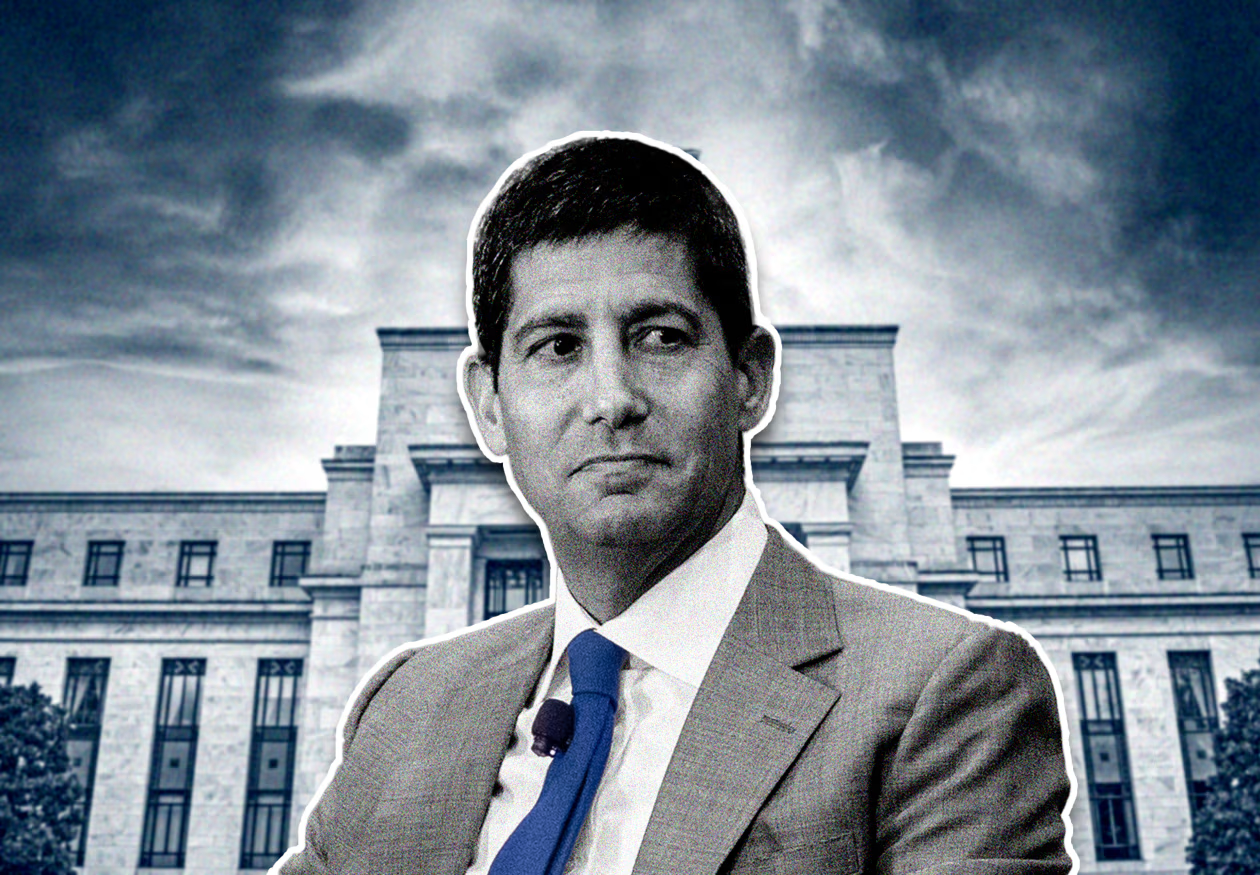
Markets are sensitive creatures. When a narrative emerges that a certain figure could influence the direction of central-bank policy, market participants usually adjust their expectations immediately.
In the context of the Federal Reserve and crypto, what matters most isn’t only who the person is, but “what policy the market imagines they would pursue.” If expectations tilt toward tightening, investors tend to reduce exposure to volatile assets.
At this point, crypto is often treated like other risk assets. When risk-off mode flips on, market priorities shift toward instruments viewed as safer or more stable. As a result, selling pressure can broaden even when there’s no fundamental change in the Bitcoin network.
What Does “Tight Liquidity” Mean in Plain Language?
Tight liquidity means money flowing through the financial system feels more “expensive” or more “scarce.” This can happen when the market expects:
- Interest rates to stay high for longer, or less room for rate cuts.
- The central bank’s balance sheet to shrink, reducing liquidity support.
- A stronger dollar as capital flows back into dollar-based assets.
Also Read: Crypto Trading Strategies for Beginners—Don’t Do This!
How the Fed Impacts Bitcoin and Crypto
The Fed’s impact on Bitcoin usually works through several channels that reinforce one another. These channels don’t always move neatly, but their direction often aligns when macro sentiment dominates.
What people feel most directly is when crypto prices drop fast even though there’s “no specific bad news” from the project itself. That’s because the driver isn’t micro—it’s macro.
Practically, you can picture crypto as a small boat on a big ocean. Macro waves like interest rates and bond yields can rock the boat—even if the engine is perfectly fine.
So, understanding the macro factors behind Bitcoin’s price helps you separate: is this a drop driven by macro risk, or by internal issues within the crypto ecosystem?
3 Main Channels: Interest Rates, Yields, and Risk Appetite
- Fed interest-rate policy: higher rates raise the cost of capital, so appetite for speculative assets often declines.
- Bond yields and crypto: when yields rise, some investors prefer bonds because returns look more attractive with what is perceived as lower risk.
- Risk-on vs. risk-off markets: risk-on is usually friendly to crypto, while risk-off often drags crypto down alongside other risk assets.
Signals Macro Traders Commonly Watch
- The direction of mid- and long-term bond yields.
- Dollar strength and global capital flows.
- Market indications of whether policy is “tighter” or “looser.”
Also Read: 7 Effective Ways to Trade Crypto for Beginners, Complete with Tips and Tricks
Macro Outlook 2026: How to Respond Without Panicking
Heading into the macro outlook for 2026, the point is simple: crypto can go through a pressured phase if the market believes liquidity is tightening or interest rates won’t come down quickly. But that doesn’t automatically mean “crypto is over.”
More accurately, the market is repricing risk. In phases like this, the best decisions are usually slower, more measured, and more disciplined.
Instead of trying to guess the absolute bottom, it’s more useful to prepare a plan: when you’ll buy in stages, when you’ll stop if your scenario fails, and what position size is reasonable.
For most people, a realistic goal is surviving volatility—not winning big in a single day.
A Practical Checklist for Navigating a Risk-Off Phase
- Set your loss limit before entering a position—and stick to it.
- Reduce leverage when volatility is high, because small moves can turn into large losses.
- Use staged buying if your goal is medium-term, not a “one-shot” entry.
- Monitor yields and the dollar for context—not to predict prices minute by minute.
- Keep part of your funds as a reserve so you’re not forced to sell during a dip.

Conclusion
The Kevin Warsh–Fed issue can shift market expectations around Fed interest-rate policy and dollar liquidity. When the market moves into risk-off mode, crypto often comes under pressure through bond yields, dollar strength, and declining risk appetite.
The key is reading the macro context, then locking in simple but consistent risk management.
To track the market and make calmer decisions, you can check the market and execute trades on Bittime Exchange. For lighter, more educational daily updates, keep reading crypto news on Bittime Blog.
FAQ
What is the relationship between the Federal Reserve and crypto price movements?
The Fed influences the cost of money and liquidity. When the market expects tightening, risk assets like crypto often weaken.
Do interest-rate hikes always make Bitcoin go down?
Not always, but higher rates often reduce risk appetite. The impact can be more pronounced when the market is already risk-off.
Why do bond yields matter for crypto investors?
Rising yields provide an alternative return that looks more stable. Some investors may rotate capital from volatile assets into bonds.
What do “risk-on” and “risk-off” mean for beginner traders?
Risk-on means the market is willing to take risk, and crypto tends to benefit. Risk-off means the market avoids risk, and crypto is more vulnerable to declines.
What’s a safer strategy when macro factors are pressuring Bitcoin’s price?
Reduce leverage, use a sensible position size, and follow a staged plan. Focus on scenarios and risk limits—not on guessing tops or bottoms.
Disclaimer: The views expressed belong exclusively to the author and do not reflect the views of this platform. This platform and its affiliates disclaim any responsibility for the accuracy or suitability of the information provided. It is for informational purposes only and not intended as financial or investment advice.

.png)