Crypto Wallet 2026: Reviews and How to Choose the Best One
2026-08-26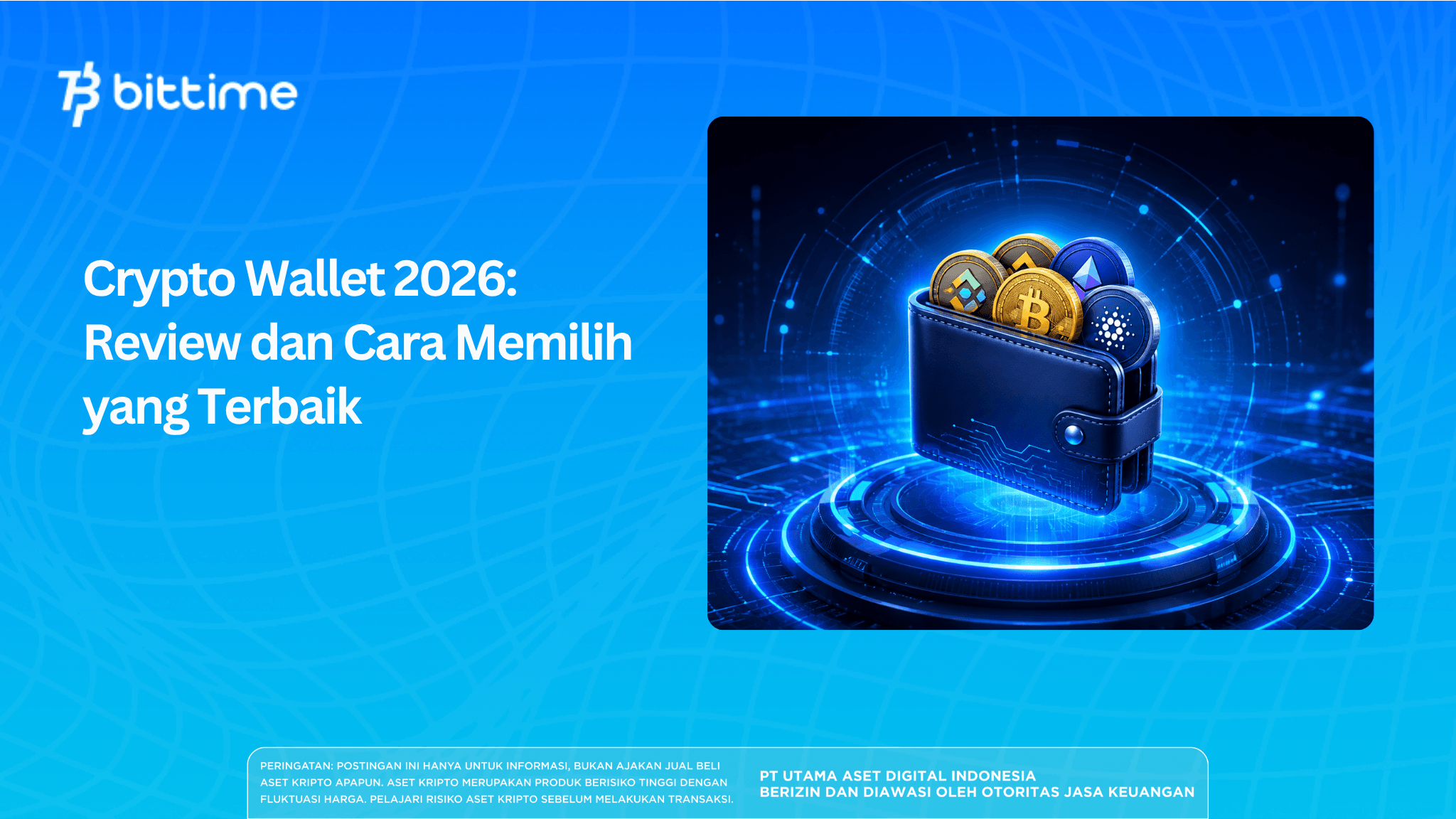
Crypto wallet is a mandatory tool for anyone serious about storing crypto assets. In 2026, wallet choices are increasing, but so are security risks. This article will help you understand how to choose the best crypto wallet and provide a list of recommended wallets worth using.
Key Takeaways
- Security Priority: Choose a wallet with layered security features like 2FA, multisig, and hardware support.
- Match Needs: Hot wallets are suitable for daily transactions, cold wallets for long-term storage.
- Check Asset Support: Ensure the wallet supports the coins you own and the blockchains you frequently use.
What Is a Crypto Wallet and Its Functions?
A crypto wallet is not a place to store coins physically. The wallet stores the private key that gives you access to your crypto assets on the blockchain.
Without the private key, you cannot control or move assets. That's why choosing a secure wallet is very important.

A wallet has three main functions: sending and receiving assets, viewing balance, and interacting with decentralized applications (dApps).
Read also: Non-Custodial Crypto Wallet: Definition, Explanation, and Differences
Types of Crypto Wallets: Hot Wallet vs Cold Wallet
You need to understand two major categories before choosing a wallet.
Hot Wallet
- Connected to the internet.
- Examples: mobile apps, web, and exchange wallets.
- Easy to use for fast transactions.
- Higher risk because vulnerable to online hacks.
Cold Wallet
- Not connected to the internet.
- Examples: hardware wallets and paper wallets.
- Safest for long-term storage.
- Less practical for daily transactions.
Read also: Best Zcash Wallet for Storing ZEC with Maximum Privacy
How to Choose the Best Crypto Wallet in 2026
Choosing a wallet should not be arbitrary. There are several important criteria you must consider.
1. Security
- Check whether the wallet offers private key encryption.
- Two-factor authentication (2FA) feature is mandatory.
- Wallet with multisig support is better for large funds.
2. Ease of Use
- Interface should be intuitive, especially for beginners.
- Backup and recovery process should be simple.
- Available on the platforms you use, such as Android, iOS, or browser.
3. Asset Support
- Ensure the wallet supports Bitcoin, Ethereum, and altcoins you own.
- Also check for Layer-2 network or specific token support.
4. Fees and Transparency
- Some wallets are free, but there are network transaction fees.
- Avoid wallets that charge hidden fees for basic features.
5. Reputation and Security Track Record
- Look for wallets that have been operating for a long time without major incidents.
- Read community reviews and independent security audits.
Read also: What Is Tether Wallet? Complete Explanation of Tether's Official Crypto Wallet
Crypto Wallet Review 2026: Best Recommendation List
Here are several wallet types worth considering based on your needs.
Hardware Wallet: Ledger and Trezor
Both remain the gold standard for cold storage. Very wide asset support and regular firmware updates maintain security.
Ledger has the Ledger Live app that simplifies asset management. Trezor offers models with touchscreens and beginner-friendly interfaces.
Software Wallet: Trust Wallet and MetaMask
Trust Wallet is suitable for mobile users who want to manage many assets in one place. Support for staking and NFT is a plus.
MetaMask remains the main choice for Ethereum and dApp users. Its browser extension makes DeFi interaction smoother.
Exchange Wallet: Bittime
For those just starting out, an exchange wallet like Bittime can be a good starting point. You can directly buy, store, and monitor assets without the hassle of moving private keys.
However, don't keep large funds in an exchange wallet for too long. Move to a cold wallet when your assets become significant.
Before continuing, you can sign up at Bittime to monitor the latest updates on wallet security and crypto asset news. With real-time access, you can make decisions faster.
Read also: 7 Most User-Friendly USDT Wallet Indonesia 2026
Security Tips for Storing Crypto Assets in a Wallet
Even the best wallet is useless if you are careless.
- Never share your private key or seed phrase with anyone.
- Store seed phrase offline, not in screenshots or cloud.
- Use a secure internet connection when accessing hot wallets.
- Enable transaction notifications to detect suspicious activity.
Conclusion
Choosing the best crypto wallet in 2026 really comes down to your needs: daily transactions or long-term storage. Hot wallets offer convenience, cold wallets offer maximum security.
Don't only chase advanced features, but make sure you understand how to manage private keys. Start with a trusted exchange wallet like Bittime, then upgrade to a hardware wallet as your assets grow. The security of your crypto assets is entirely in your hands.
Bittime is a licensed Digital Financial Asset Trader (PAKD) platform supervised by the Financial Services Authority — where you can buy Bitcoin in Indonesia and hundreds of other crypto assets starting from IDR 10,000. Registration is fast, secure, and can be started today.
Monitor the conversion of USDT to IDR and the price movements of your favorite crypto assets in real time. All available in one crypto investment app that can be downloaded for free on the Play Store.
Ready to start? Register now at Bittime and execute your investment strategy with a platform trusted by millions of users in Indonesia.
FAQ
What is the difference between hot wallet and cold wallet?
Hot wallet is connected to the internet and suitable for daily transactions, while cold wallet is offline and safer for long-term storage.
Can a crypto wallet be used for all types of coins?
Not all wallets support all coins. Make sure the wallet you choose is compatible with the assets you want to store.
Is it safe to store assets in an exchange wallet?
Safe for small amounts and active transactions, but not recommended for large funds due to the risk of attacks on the exchange platform.
How to recover a crypto wallet if you forget the password?
You can recover access using the seed phrase or recovery phrase created when the wallet was first set up.
Is a hardware wallet truly hack-proof?
Hardware wallets are very difficult to hack because the private key is never connected to the internet, but they remain vulnerable if the seed phrase is leaked.
Disclaimer: The views expressed belong exclusively to the author and do not reflect the views of this platform. This platform and its affiliates disclaim any responsibility for the accuracy or suitability of the information provided. It is for informational purposes only and not intended as financial or investment advice.
.png)