Authentic White Gold Characteristics: A Complete Guide and How to Distinguish Them?
2026-01-12
White gold is often chosen for its elegant, modern look that suits many styles. The problem is, many people are still confused about how to tell genuine white gold from fake. Choosing the wrong one can lead to losses because the price of white gold per gram isn’t cheap.
Don’t worry—this article will help you recognize the characteristics of genuine white gold, understand what genuine white gold is, and practice easy ways to tell real gold from fake.
With this guide, you can shop more confidently—whether for everyday jewelry or long-term investment.
Key Takeaways
Genuine white gold has a purity stamp, consistent color, and isn’t attracted to magnets
You can tell real gold from fake by checking weight, color, and magnet reaction
The price of white gold per gram is higher because it contains pure gold
What Is Genuine White Gold?
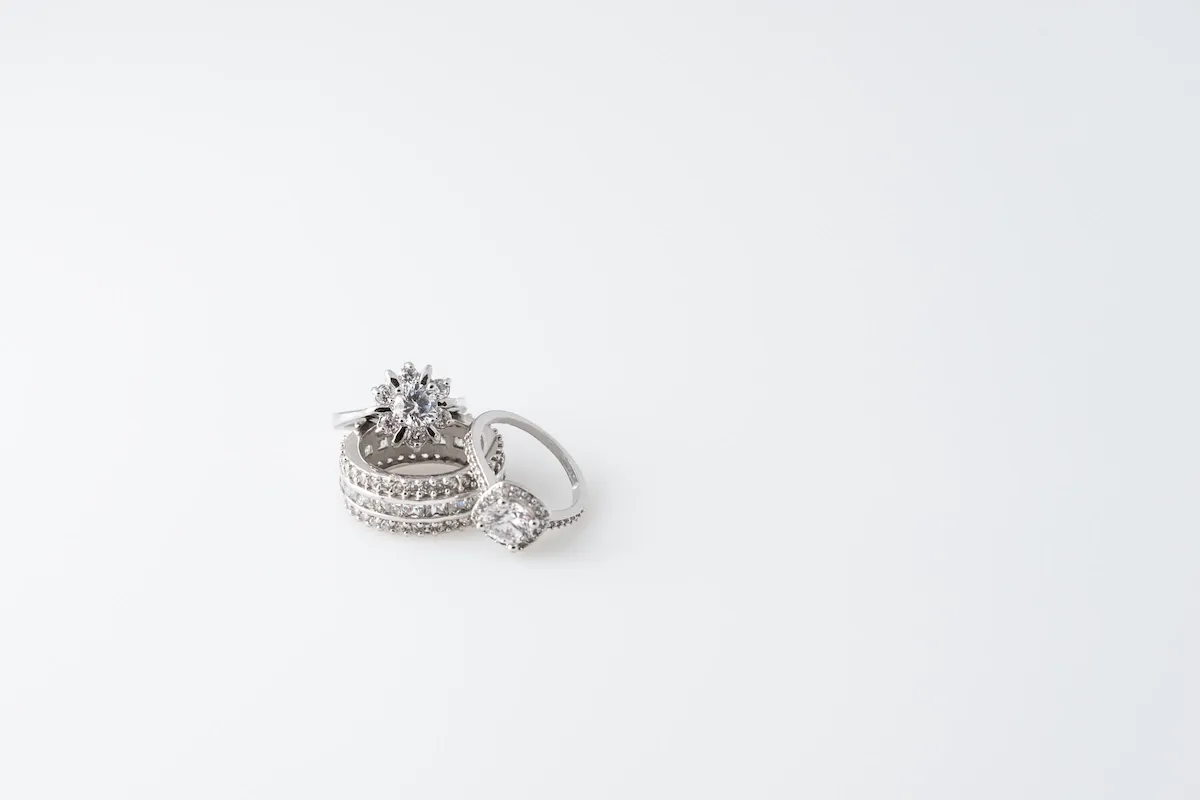
“What is genuine white gold?” is often the main question. White gold isn’t a pure white metal—it’s a mix of yellow gold with other metals like palladium, silver, or nickel. This alloy is then plated with rhodium so it looks bright, shiny white.
So, the characteristics of white gold still follow the properties of gold—the color simply changes because of the plating process.
Genuine white gold contains a certain amount of gold, marked by codes such as 10K, 14K, or 18K
The higher the karat, the higher the price of white gold per gram. That’s what gives white gold value—both as jewelry and as an asset. It’s important to recognize its physical characteristics so you don’t confuse it with silver or imitation metals.
Read Also: Crypto Trading Strategies for Beginners—Don’t Do This!
Characteristics of Genuine White Gold?
Knowing the characteristics of genuine white gold is the most important step before buying. There are several distinctive signs you can check visually and physically.
Physical Characteristics of Genuine White Gold
Has a purity stamp such as 10K, 14K, 18K, 585, or 750
A bright white shine that’s consistent across the entire surface
Feels heavier compared to fake jewelry
Not attracted to magnets
Doesn’t rust easily or change color
These characteristics distinguish genuine white gold from imitation jewelry, which is usually lighter and fades quickly. The signs of real gold can also be seen in its soft, long-lasting luster—not an overly flashy shine like cheap plated metals.
How to Tell Real Gold from Fake?
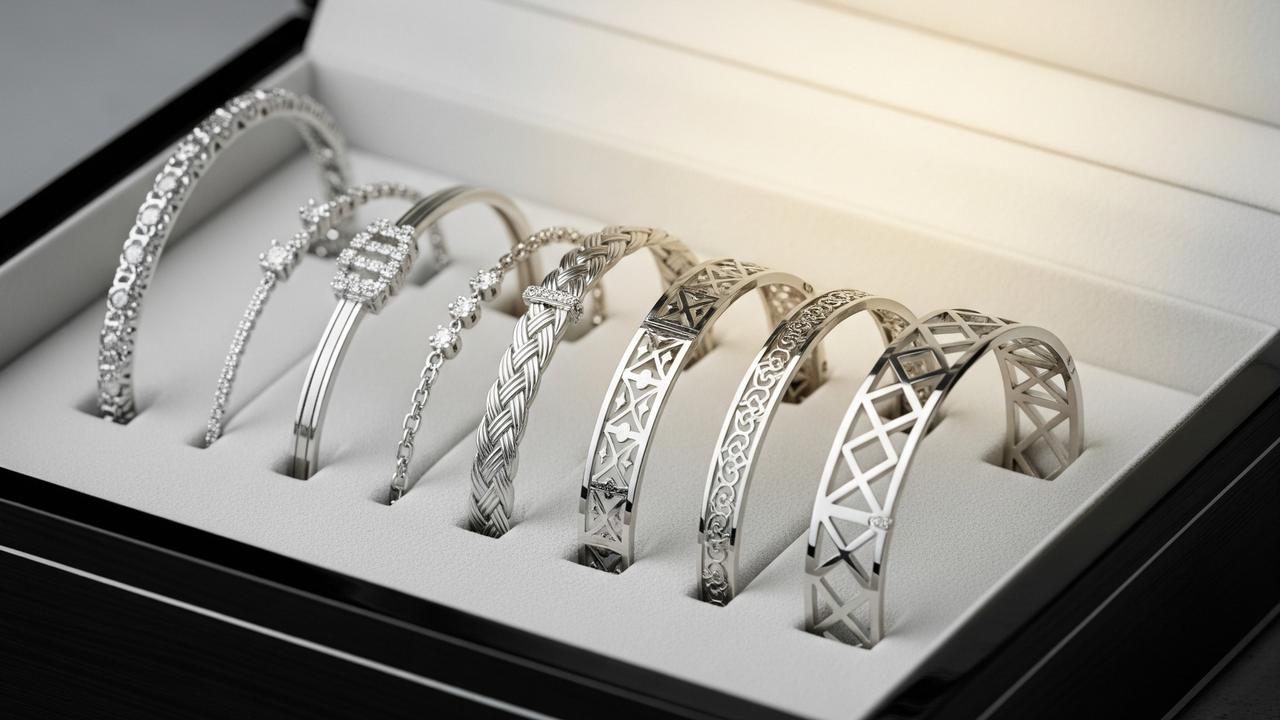
Many people want to know how to tell real gold from fake without special tools. The good news is, there are a few simple methods you can try at home.
Simple At-Home Tests
Bring a magnet close to the jewelry. Genuine white gold won’t be attracted
Check the stamp or purity code on the inside of the jewelry
Gently rub it on ceramic. Real gold won’t leave a black streak
Feel the weight. Real gold feels dense and heavy
These methods won’t damage your jewelry and are effective enough for an initial check. If you’re still unsure, take it to a gold shop or a jewelry expert for a professional test.
Read Also: 7 Effective Ways to Trade Crypto for Beginners, Complete with Tips and Tricks
Differences Between Genuine and Fake White Gold?
Understanding the differences will help you stay more alert when shopping.
General Comparison
Genuine white gold doesn’t react to magnets; fake pieces usually do
The color of genuine white gold is stable; fake pieces often fade or peel
Genuine white gold feels denser; fake pieces are lighter
Genuine white gold is more expensive; fake pieces are much cheaper
If you find jewelry priced far too cheap, be suspicious. White gold prices follow the gold market, so it’s not possible for genuine pieces to be sold extremely cheaply.
White Gold Price Per Gram
Many people ask about the price of white gold per gram. This price depends on gold purity, design, and making fees. 18K white gold is certainly more expensive than 14K. In addition, intricate designs also increase the selling price.
White gold prices also follow movements in global gold prices. So, if gold prices rise, white gold prices rise as well. That’s why white gold is often chosen as both jewelry and an investment.
Tips for Safely Buying White Gold
To avoid making the wrong choice, follow these tips.
Practical Tips
Buy from a trusted gold shop
Ask for a certificate of authenticity
Check the purity stamp carefully
Compare prices with other shops
Avoid being tempted by prices that are too cheap
With these steps, you can make sure you’re getting genuine white gold—not an imitation.

Conclusion
Knowing the characteristics of genuine white gold is essential to avoid being tricked by fake jewelry. By understanding the characteristics of genuine white gold, how to tell real gold from fake, and paying attention to the price of white gold per gram, you can shop more safely and confidently.
Don’t hesitate to check small details like the purity stamp and weight before buying. If you’re also interested in managing assets and digital investments, you can start exploring on Bittime Exchange or read the latest insights on Bittime Blog.
FAQ
What is genuine white gold?
Genuine white gold is yellow gold mixed with other metals and then plated with rhodium to make it white.
What are the characteristics of genuine white gold?
It has a purity stamp, isn’t attracted to magnets, has consistent color, and feels heavy.
Can white gold fade?
The rhodium layer can wear down over time, but the gold inside still holds value.
Is white gold more expensive than silver?
Yes—because it contains pure gold, white gold is far more expensive than silver.
How do you make sure white gold is genuine?
Check the purity stamp, do a magnet test, and buy from a trusted shop.
Disclaimer: The views expressed belong exclusively to the author and do not reflect the views of this platform. This platform and its affiliates disclaim any responsibility for the accuracy or suitability of the information provided. It is for informational purposes only and not intended as financial or investment advice.

.png)