What Is Smart Money? Meaning, Concept, Examples, and How to Track It
2026-05-06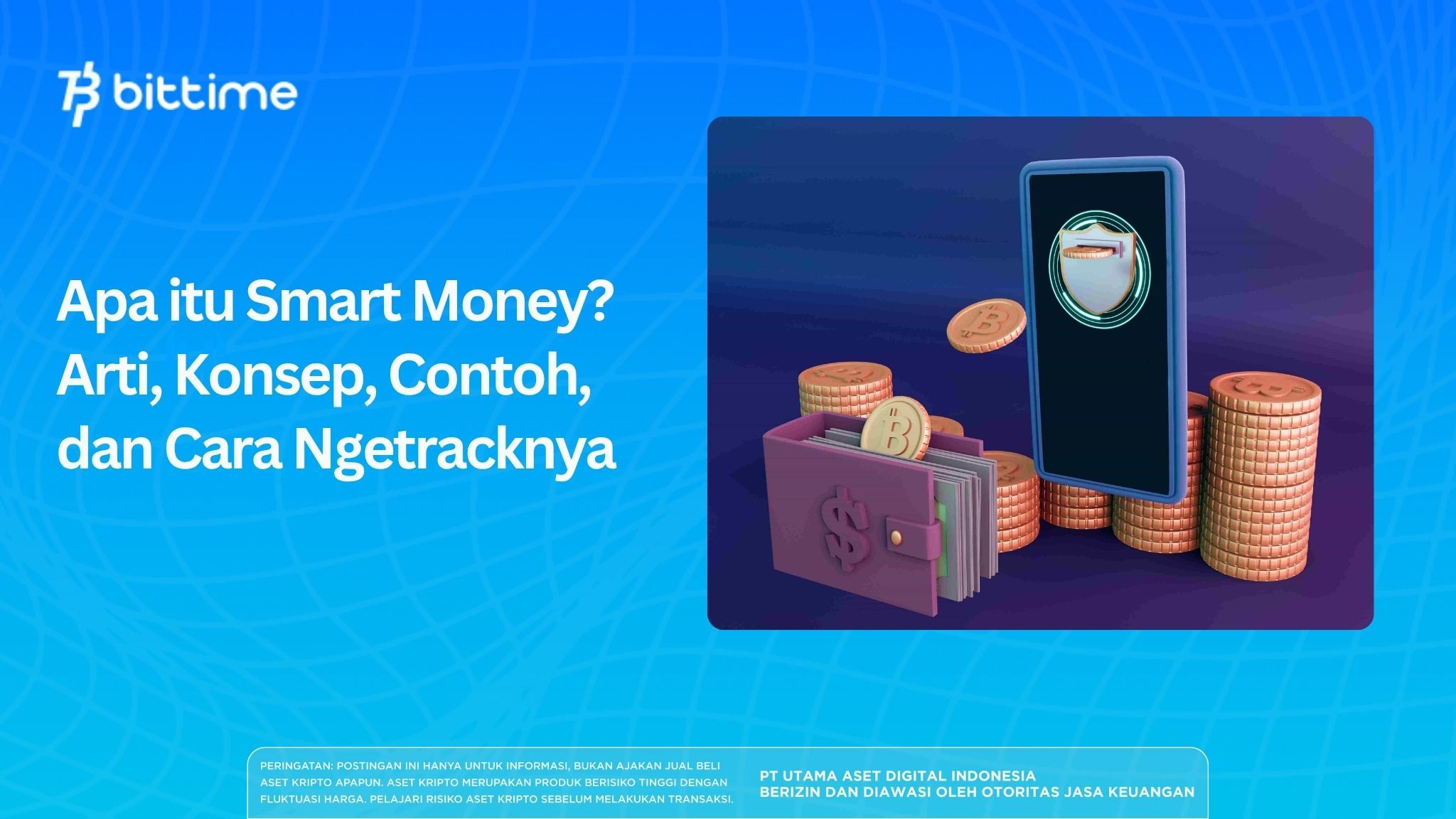
What is smart money is often asked by traders and investors who want to read market direction more calmly. In simple terms, smart money refers to funds managed by experienced parties, such as institutions, hedge funds, market makers, whales, or large investors.
Many people search for the concept of smart money because they want to know whether major movements in crypto, stocks, or other asset markets can signal opportunities. The answer requires caution. Smart money can provide clues, but it does not guarantee profit.
Key Takeaways
- Smart money is capital from large or experienced market participants that often influences price direction.
- The smart money concept can be used to read accumulation, distribution, large volume, and large wallet activity in the crypto market.
- How to track smart money requires data verification, risk management, and should not become the sole basis for decisions.

Register on Bittime now and start trading crypto with a fast, secure, and easy process in the app.
What Is Smart Money?

Smart money is capital managed by market participants who are considered to have greater knowledge, data access, experience, and analytical capacity than retail investors.
In financial markets, this group can include institutions, hedge funds, central banks, market makers, asset managers, or professional investors.
The term smart money first became popular in the betting world, then entered the world of investment and trading. Its meaning remains similar, namely money that moves based on more mature analysis, strategy, and information.
However, smart money is not a product, platform, or investment service. Therefore, there is no “smart money team,” official business model, or security claim that can be considered inherent in the term.
If a platform uses the term smart money, users need to check its legality, fees, service model, data transparency, and risks before using the service.
Read Also: Join the Bittime Futures Public Beta Waitlist and Get Trial Funds Rewards of up to 1,500 USDT
The Smart Money Concept in Trading
The smart money concept in trading attempts to read how large players enter and exit the market. Its focus is not only on whether prices rise or fall, but also on understanding the areas where major demand and supply appear.
In smart money trading, traders often pay attention to market structure, volume, support and resistance areas, liquidity, and accumulation and distribution patterns. Accumulation means large players are suspected of starting to collect assets. Distribution means large players are suspected of starting to release assets gradually.
The smart money concept should not be understood as a certain way to predict the market. Markets can move in the opposite direction due to news, major liquidations, sentiment shifts, or macro conditions.
Smart Money Concept or SMC
Smart Money Concept, or SMC, is an analytical approach that reads price behavior based on suspected institutional activity. Some common terms include market structure, order block, liquidity sweep, break of structure, and fair value gap.
An order block is usually understood as a price area where large orders previously entered. A liquidity sweep occurs when the price touches the stop-loss area of many traders before moving in another direction. This explanation is useful, but it still needs to be tested with data and risk management.
Read Also: What Is Web3 and Why Is It Important for the Future of the Internet?
Smart Money Crypto and Smart Money Stocks

Smart money crypto refers to the activity of whales, institutions, market makers, venture capital firms, or large wallets moving in the crypto asset market. Because blockchain transactions are open, some activity can be tracked through on-chain data.
For example, the movement of assets from an exchange to a private wallet is often read as potential accumulation. Conversely, the movement of assets from a large wallet to an exchange can signal potential selling pressure.
These signals are not always correct, because transfers can also happen for technical reasons, custody, or internal movement.
Smart money stocks are different because public data mostly comes from institutional ownership reports, insider transaction reports, trading volume, and certain regulatory reports. For stocks, information is usually not as fast as crypto on-chain data.
The Difference Between Smart Money and Retail Money
Retail money is capital from individual investors who usually have smaller capital and more limited access to information. Retail investors often make decisions based on news, social media, community signals, or market emotions.
Smart money tends to use research, data, gradual strategies, and longer time horizons. However, this does not mean smart money is always right. Large players can also misread the market.
Read Also: 9 Best Web3 Wallets in 2026: Easy Interface and Abundant Features
How to Track Smart Money Safely?
How to track smart money can start with open and easily verified data. For crypto assets, users can view blockchain explorers, on-chain data, large wallet movements, exchange inflow, exchange outflow, holder count, and transaction volume.
For stocks, users can monitor institutional ownership reports, insider transactions, large volume, and sector changes that attract large investors. Always check official sources because third-party data can be delayed, incorrect, or incomplete.
Practical steps that can be used:
- Determine the asset you want to monitor.
- Check volume and price movement.
- Monitor large wallets or institutional reports.
- Compare it with news, market sentiment, and macro conditions.
- Create an entry plan, exit plan, and risk limit.
How to track smart money should not stop at one indicator. Combine on-chain data, technical analysis, project fundamentals, liquidity, and a risk plan.
Examples of Smart Money in the Crypto Market?
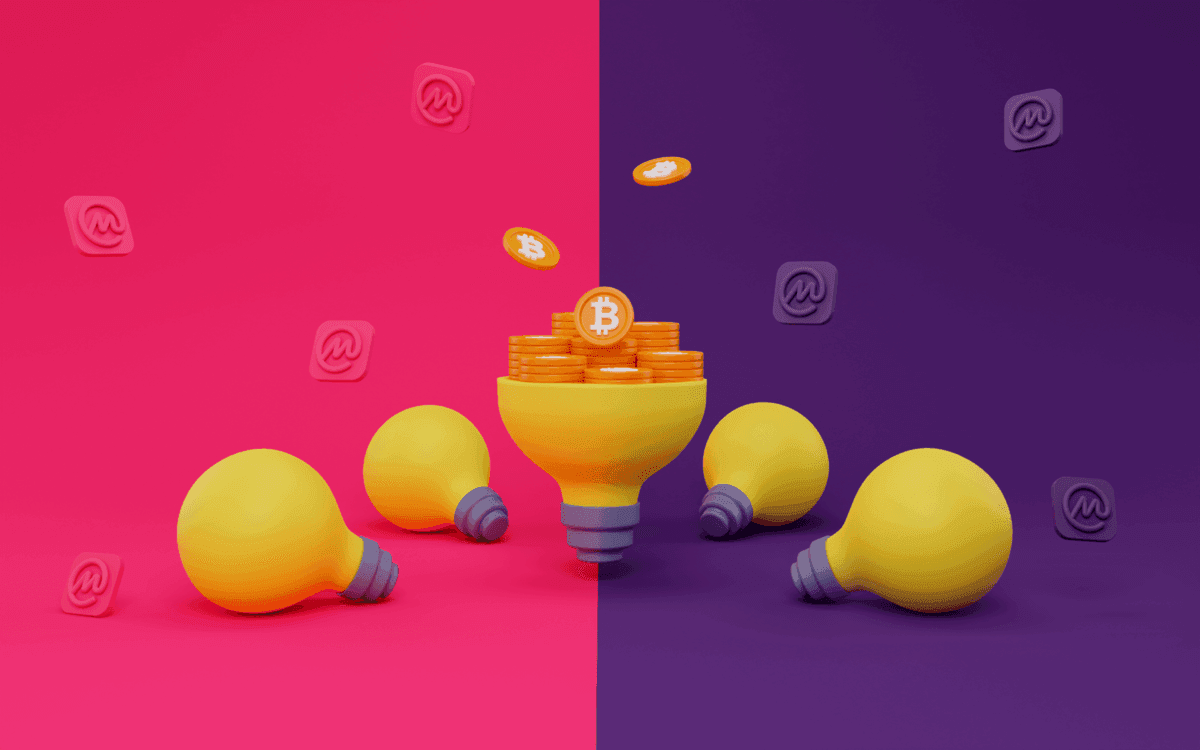
An example of smart money can be seen when large wallets buy crypto assets gradually while prices move sideways. If volume increases, the amount of assets on exchanges decreases, and the price begins to break through important areas, some traders read the condition as accumulation.
Another example occurs when a large wallet sends a large amount of assets to an exchange. Many traders see this as potential selling pressure. However, interpretation requires caution because large transactions do not always mean selling activity.
In the context of new crypto asset projects, venture capital is also often considered part of smart money. Even so, the presence of large investors does not automatically make a project safe or worth buying. Tokenomics, unlock schedules, utility, team, audits, and liquidity still need to be checked.
Risks of Following Smart Money
Following smart money has risks. First, data can be delayed. When retail investors see a large transaction, the price may already have moved.
Second, large wallets can move assets without intending to sell. Without context, the signal is easy to misinterpret.
Third, smart money has different capital, access, and endurance. Retail investors can suffer large losses if they imitate large positions without risk limits.
Fourth, the crypto asset market is highly volatile. Prices can change quickly due to global sentiment, regulation, leverage liquidation, or market maker activity.
Is Smart Money Suitable for Beginners?
Smart money is suitable for beginners to learn as a tool for reading the market, not as an automatic buy signal. Beginners should first understand the basics of crypto assets, volatility risk, how to read charts, and how to manage capital.
The safest approach is to use smart money as one part of the analysis. Do not buy an asset only because a whale enters. Always check the reason, context, and risk.

Conclusion
What smart money is can be understood as funds from large or experienced market participants that often influence price direction. The smart money concept helps traders read accumulation, distribution, large volume, and large wallet activity in both crypto asset and stock markets.
Smart money trading and smart money crypto can be useful, but they do not guarantee profit. Data needs to be verified, signals need to be confirmed, and risk needs to be limited. Before using a smart money tracking platform, check the service model, data sources, fees, transparency, and security claims directly.
FAQ
What is smart money in trading?
Smart money in trading is capital from large or experienced market participants that is considered capable of influencing price direction through large transactions, gradual strategies, and in-depth analysis.
Is smart money a definite buy signal?
No. Smart money only provides an additional clue. Buy decisions still need to consider price, volume, fundamentals, sentiment, liquidity, and risk limits.
What is the difference between smart money crypto and smart money stocks?
Smart money crypto is often tracked through on-chain data, large wallets, and exchange fund flows. Smart money stocks are more often tracked through institutional reports, large volume, and insider transactions.
How can beginners track smart money?
Beginners can start by monitoring volume, large wallet movements, exchange inflow, exchange outflow, and market news. After that, match it with charts and a risk management plan.
Is following smart money safe?
Following smart money is not always safe. Large players can be wrong, data can be delayed, and large transactions can have purposes other than buying or selling. Verification remains mandatory.
How to Buy Crypto on Bittime?

Want to trade and buy Bitcoin and invest in crypto easily? Bittime is ready to help! As an Indonesian crypto exchange officially registered with the OJK, Bittime ensures every transaction is secure and fast.
Start with registration and identity verification, then make a minimum deposit of Rp10,000. After that, you can immediately buy your favorite digital assets!
Check the BTC to IDR rate, ETH to IDR, SOL to IDR and other crypto assets to find out today's crypto market trends in real time on Bittime.
In addition, visit Bittime Blog to get various interesting updates and educational information about the crypto world. Find trusted articles about Web3, blockchain technology, and digital asset investment tips designed to enrich your knowledge in the crypto world.
Disclaimer: The views expressed belong exclusively to the author and do not reflect the views of this platform. This platform and its affiliates disclaim any responsibility for the accuracy or suitability of the information provided. It is for informational purposes only and not intended as financial or investment advice.

.png)