Aave Upgrades Security After Big Losses in DeFi
2026-03-16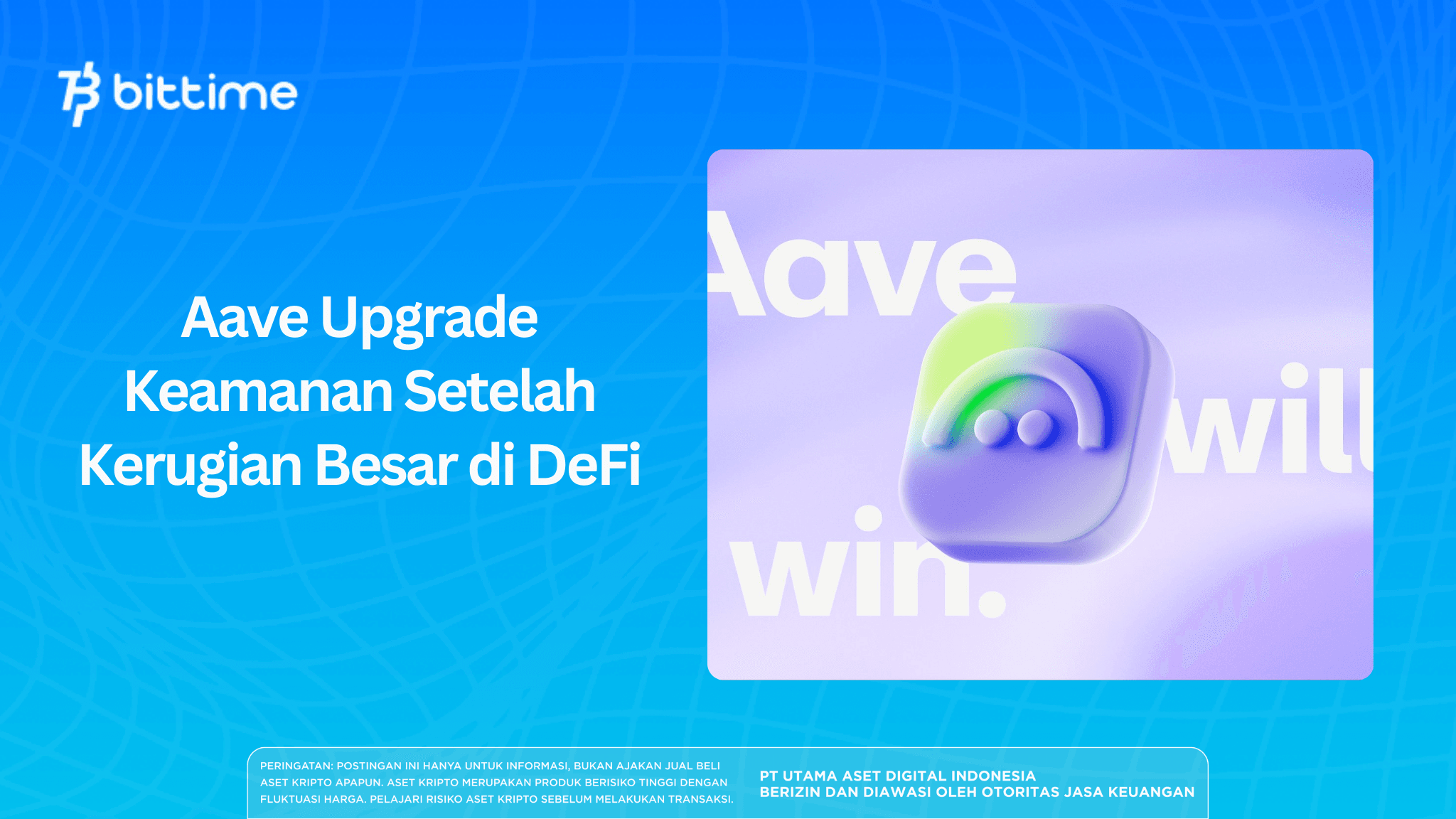
The Decentralized Finance (DeFi) industry continues to grow, but recent incidents show that technical risks can still cause massive losses in seconds.
Recently, a $50.4 million swap transaction on the Aave platform came under scrutiny after resulting in an extremely low execution value.
In that transaction, the user swapped tens of millions of dollars worth of aEthUSDT but only received about $36,000 in AAVE tokens due to extreme price impact.
This event sparked major discussions in the crypto community about liquidity risks, swap mechanisms, and user protection in DeFi protocols.
In response, Aave introduced a new protection system called Aave Shield to enhance security and prevent similar incidents in the future.
Key Takeaways
- Aave introduced Aave Shield to prevent swaps with extreme price impact.
- The $50 million swap incident resulted in up to 99.9% price impact due to low liquidity.
- This security update is a step toward safer DeFi infrastructure.
What Is Aave and Its Role in the DeFi World
To understand Aave DeFi, it’s important to know how this protocol works.
Aave is one of the largest DeFi platforms that allows users to:
- Borrow crypto
- Provide liquidity
- Swap digital assets
This protocol operates on multiple blockchains and is known as one of the DeFi projects with the largest Total Value Locked (TVL) in the industry.
According to the latest data, the value of assets locked in Aave exceeds $25 billion, making it one of the most important protocols in the decentralized finance ecosystem.
However, despite its strong infrastructure, recent events show that liquidity and transaction execution can still be sources of risk.
Read also: AAVE Price Plummets After Aave Chan Initiative Leaves DeFi Project
Chronology of the Aave Swap Incident
The incident that triggered this security update occurred when a user performed a large swap using the CoW Swap widget.
The transaction attempted to swap $50.4 million of aEthUSDT into aEthAAVE. However, several technical factors caused suboptimal execution.
The main causes of the Aave swap incident include:
- Very low pool liquidity
The swap was ultimately routed to a SushiSwap pool with only about $73,000 in liquidity.
- Extreme price impact
The large order pushed the Automated Market Maker price curve drastically, resulting in up to 99.9% price impact.
- MEV bot attack
When the transaction leaked into the public mempool, MEV bots performed front-running to exploit arbitrage opportunities.
As a result, the user only received about 327 AAVE tokens, worth less than $40,000.
How MEV Bots Took Advantage
One of the most interesting aspects of this incident is the role of Maximum Extractable Value (MEV) bots.
These bots spotted the large incoming transaction and executed what is known as a sandwich attack.
The steps were as follows:
- The bot buys AAVE tokens first before the large transaction is executed.
- The user’s large order pushes the price up dramatically.
- The bot immediately sells the tokens at the inflated price.
This strategy generated approximately $9.9 million in profit for the bot, while the block builder earned tens of millions in transaction fees.
Read Also: Stellar (XLM) vs Aave (AAVE) Comparison
Aave Shield: Solution to Protect Traders
In response to this event, the Aave team introduced Aave Shield as part of the Aave security update.
This feature is designed to enhance Aave protocol safety by:
- Automatically blocking transactions with price impact above 25%
Providing clearer risk warnings to users - Ensuring users consciously disable protection if they wish to perform high-risk swaps
With this system, Aave slippage protection becomes stronger, preventing users from unintentionally executing transactions with extreme price impact.
Register at Bittime now and start trading crypto with a fast, secure, and easy process in the app.
Impact on the DeFi Industry
This incident shows that DeFi is still in a developmental phase toward more mature financial infrastructure.
Some key lessons from this case include:
- Pool liquidity is critical for large transactions
- Swap routing systems need to be smarter
- User protection needs to be improved
Updates like Aave Shield demonstrate that DeFi protocols are moving toward higher security standards.
This is also crucial for attracting institutional investors, who require a safer and more stable trading environment.
Read Also: What Is the Aave Ecosystem? List of Leading Tokens & Their Functions in DeFi
Conclusion
The $50 million Aave transaction loss case is one of the most shocking incidents in the DeFi world.
However, from this event emerged an important innovation in the form of Aave Shield, designed to enhance transaction security and protect users from extreme slippage.
With this update, Aave demonstrates its commitment to strengthening its infrastructure and making DeFi safer for all users.
If this trend of improving security continues, DeFi has the potential to evolve into a stronger and more trusted alternative financial system.
How to Buy Crypto on Bittime

Want to trade, sell, or buy Bitcoin and invest in crypto easily? Bittime is ready to help! As an officially registered crypto exchange in Indonesia under Bappebti, Bittime ensures every transaction is safe and fast.
Start with registration and identity verification, then make a minimum deposit of Rp10,000. After that, you can immediately buy your favorite digital assets!
Check rates for BTC to IDR, ETH to IDR, SOL to IDR and other crypto assets to see today’s real-time crypto market trends on Bittime.
In addition, visit the Bittime Blog to get various interesting updates and educational information about the crypto world. Find trusted articles on Web3, blockchain technology, and digital asset investment tips designed to enrich your knowledge in the crypto space.
FAQ
What is Aave Shield?
Aave Shield is a new security feature that automatically blocks swap transactions with price impact above 25% to protect users from major losses.
What caused the $50 million loss in the Aave incident?
The loss was caused by a combination of low liquidity, transaction routing errors, and MEV bot attacks exploiting the large order.
What is price impact in DeFi?
Price impact is the price change that occurs when a large transaction is executed on a small liquidity pool.
How do MEV bots exploit large transactions?
MEV bots can perform front-running and sandwich attacks to buy assets before the large transaction and sell them after the price rises.
Is Aave still safe to use?
Yes, Aave remains one of the largest DeFi protocols. Updates like Aave Shield actually improve transaction security on the platform.
What lessons can DeFi users learn from this incident?
Users need to pay attention to pool liquidity, slippage, and MEV risks when performing large transactions on DeFi protocols.
Disclaimer: The views expressed belong exclusively to the author and do not reflect the views of this platform. This platform and its affiliates disclaim any responsibility for the accuracy or suitability of the information provided. It is for informational purposes only and not intended as financial or investment advice.

.png)