Indonesian Crypto Transactions Reach IDR 30.56 Trillion, Bittime Highlights Stock Tokenization
2026-11-12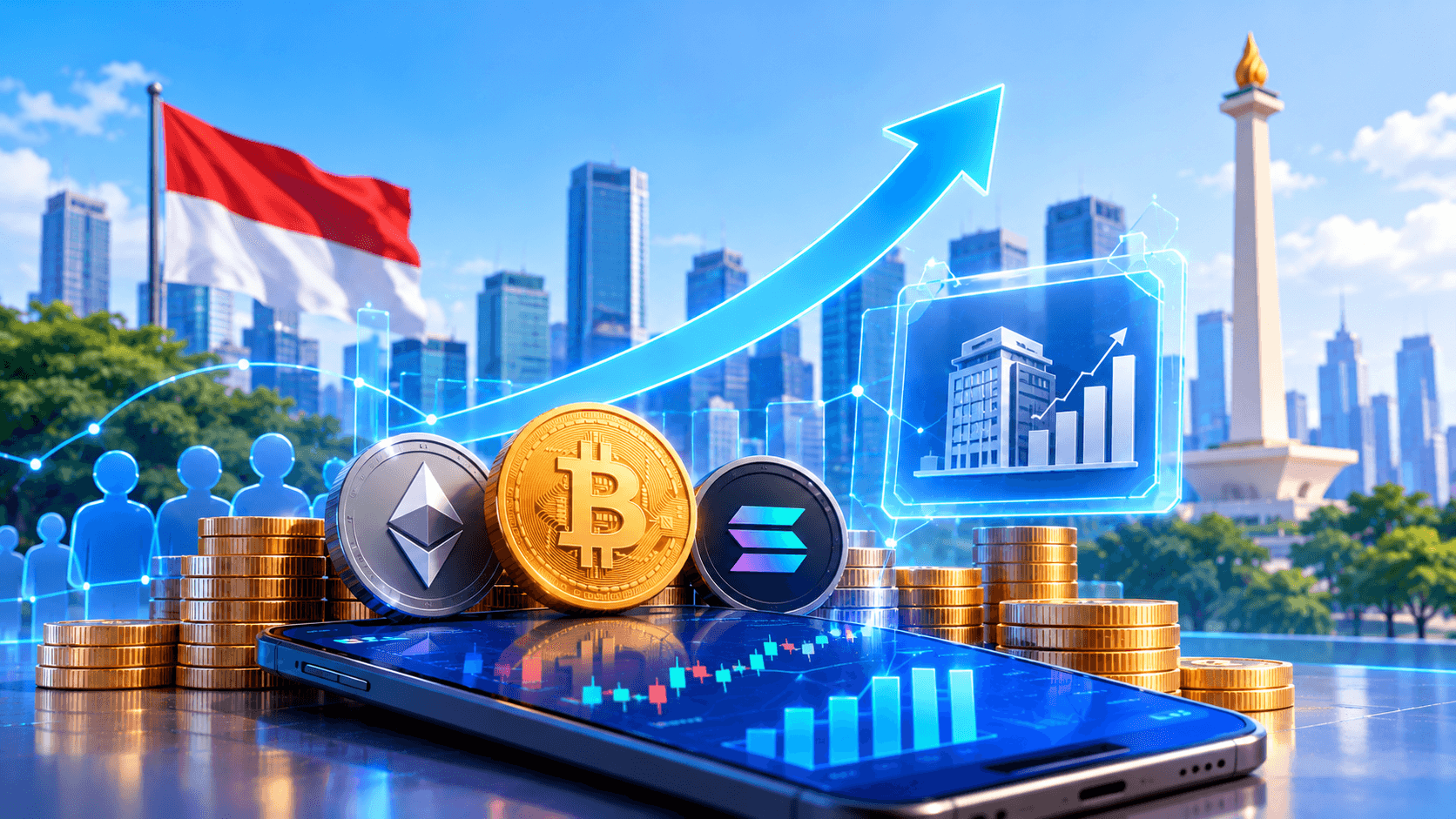
Jakarta, November 11, 2026 – The increase in crypto asset trading activity in Indonesia indicates that the digital asset market continues to grow.
However, industry growth is not solely about the value of transactions. The expansion of asset types, technological innovation, and public understanding of product characteristics are also important aspects of the ecosystem's development.
One innovation that is beginning to attract attention is stock tokenization, which involves the digital representation of stocks or certain financial instruments through blockchain technology.
This innovation opens up alternative ways to gain exposure to global assets through digital ecosystems, although the rights and mechanisms attached to each token may differ from conventional stock ownership.
In response to these developments, Bittime believes that education about product structures and risks needs to keep pace with the growing range of digital asset options.
As a Digital Financial Asset Trader (PAKD) licensed and supervised by the Financial Services Authority (OJK), Bittime offers a 3-in-1 ecosystem comprising Spot, Staking, and Futures, including Tokenized US Stocks products.
Market Activity Rises as Digital Asset Options Continue to Expand
OJK data in the October 2026 Monthly Board of Commissioners Meeting (RDKB) Press Release recorded crypto asset transaction value in Indonesia at Rp30.56 trillion in September 2026. This figure increased by 31.96% compared with August 2026, when transaction value stood at Rp23.16 trillion.
Growth was also reflected in the number of market participants. As of September 2026, the number of consumer accounts at Digital Financial Asset Traders (PAKD) reached 23.51 million, up 1.29% from the previous month.
Meanwhile, digital financial asset derivatives transactions reached Rp5.8 trillion, representing a monthly increase of 27.19%.
The increase in these indicators reflects growing activity within the national digital asset ecosystem.
For the industry, these developments also serve as a reminder that market growth needs to be accompanied by improvements in service quality, information transparency, and consumer understanding of the instruments being traded.
Bittime Chief Operating Officer Ryan Lymn believes that market developments need to be viewed more broadly than simply through increases in transaction value.
"The growth of Indonesia's crypto asset market shows that the digital ecosystem is continuing to develop. The next challenge is ensuring that this growth is accompanied by increasingly diverse product options, transparent information, and public understanding of the characteristics of each asset. Innovation needs to provide alternatives, but users must also understand the risks involved," Ryan said.
Tokenization Is Changing How Financial Assets Are Represented
Tokenization is the process of representing specific assets or rights as digital tokens using blockchain technology.
Its applications can cover various types of assets, ranging from stocks and fixed-income instruments to real-world assets. However, the form and legal implications depend on the issuance structure and the terms governing each product.
The development of tokenization has also attracted the attention of regulators in global markets. In its statement on tokenized securities on January 28, 2026, the U.S. Securities and Exchange Commission (SEC) explained that tokenized securities can use different issuance models.
In general, the SEC distinguishes between tokenization models carried out by or on behalf of the securities issuer and models issued or facilitated by third parties unaffiliated with the issuer.
This distinction matters because it can affect the relationship between a token and its underlying asset, including the rights held by token holders.
Therefore, tokenization does not automatically mean that investors directly own shares in a company.
A token may provide exposure to the value of a particular asset without granting all the rights normally associated with ownership of that asset through conventional mechanisms.
For people interested in exploring global assets, tokenization can offer an alternative form of digital access. However, investors need to check how the product is issued, which asset serves as its underlying reference, and which parties are responsible for its issuance and management.
Ryan believes that transparency in product structures is one of the key factors in the development of tokenization.
"Tokenization brings financial assets together with blockchain infrastructure and creates new possibilities for accessing various instruments. However, not all products can be treated as the same. Investors need to understand whether a token provides ownership rights, merely offers exposure to an asset's value, or grants other rights under its issuance terms," Ryan explained.
Getting to Know Tokenized US Stocks Available on Bittime
As part of its efforts to expand digital asset options, Bittime offers Tokenized US Stocks products that represent the value of publicly listed US companies or other market instruments, depending on the underlying assets and characteristics of each token.
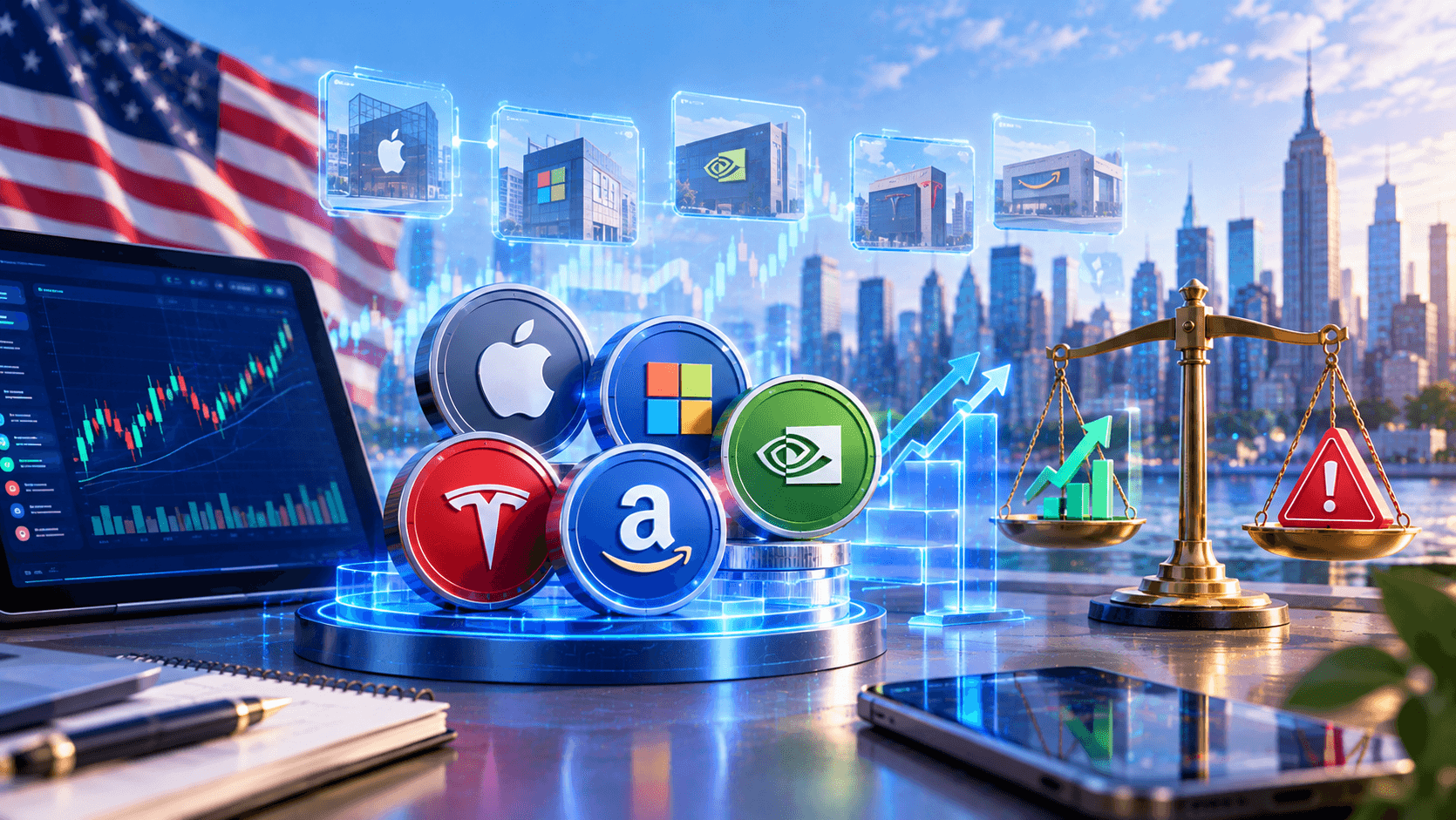
Some of the available tokens include AAPLX, which provides exposure to Apple; NVDAX for NVIDIA; TSLAX for Tesla; and MSTRX for MicroStrategy. Bittime also offers tokens representing ETF products, such as SPYX, which tracks the S&P 500 index, and QQQX, which tracks the Nasdaq-100.
These products provide users with an alternative way to explore the performance of various global assets through a digital asset platform. Transaction terms, minimum amounts, and the characteristics of each token follow the product information applicable on the platform.
Ryan said that the development of Tokenized US Stocks is part of Bittime's efforts to expand digital asset options for the Indonesian public.
"Through Tokenized US Stocks, we aim to provide the public with an alternative way to explore global assets through a digital ecosystem. However, we also recognize the importance of ensuring that users understand the characteristics of the products they choose. Broader access to different assets must be accompanied by clear information so that transaction decisions can be made in a more measured manner," Ryan added.
What to Check Before Trading Tokenized Stocks
Although they provide an alternative way to gain exposure to global assets, tokenized stocks do not always have the same characteristics as conventional stocks. Before making a transaction, investors should consider the following aspects:
- Token holder rights: check whether the token provides direct ownership of shares, specific economic rights, or only exposure to movements in the value of the underlying asset.
- Issuance structure: understand who issues the token, how it is linked to the underlying asset, and the terms governing the product.
- Pricing and liquidity mechanisms: pay attention to the factors affecting token prices, market availability, and the possibility of price differences compared with the underlying asset.
- Third-party and technology risks: consider risks related to the issuer, custodian, blockchain infrastructure, and platform operations.
- Product terms: read the official information about transactions, fees, restrictions, and redemption mechanisms, if available.
For Tokenized US Stocks products available on Bittime, token holders do not obtain direct ownership of company shares or voting rights at shareholder meetings.
The rights and characteristics of each product are determined by its issuance structure and the terms governing the respective token.
"As digital asset options become more diverse, it is increasingly important for the public to understand what they are trading. Investors need to learn about the underlying assets, issuance mechanisms, rights attached to tokens, and potential risks. Sustainable industry development must be supported by information transparency and improvements in digital financial literacy," Ryan concluded.
Bittime urges the public to review product information before trading, consider their individual risk profiles, and ensure they use digital financial asset trading platforms that are licensed in accordance with regulatory requirements.
Disclaimer: The views expressed belong exclusively to the author and do not reflect the views of this platform. This platform and its affiliates disclaim any responsibility for the accuracy or suitability of the information provided. It is for informational purposes only and not intended as financial or investment advice.
.png)