What Is Institutional Crypto Staking? Tips for Earning High Returns
2026-04-12
The crypto market is increasingly attracting the attention of large institutions. Many banks, investment funds, and major companies are now participating in institutional crypto staking. They don’t just hold crypto assets, they lock them on Proof-of-Stake networks to earn rewards while helping keep the network secure.
This explanation of institutional staking is very different from regular staking done by individual users. We’ll cover how institutions perform crypto asset staking in detail, including the institutional crypto staking guide and institutional crypto investment returns strategy so they can maximize their returns.
Key Takeaways
- Institutional crypto staking is done on a large scale with specialized infrastructure, secure custody, and full regulatory compliance.
- Institutions can earn more stable rewards than retail staking thanks to professional validators and 24/7 monitoring.
- The main strategies for high returns are reinvesting rewards, choosing high-performing validators, and diversifying assets.

Register at Bittime now and start trading crypto with a fast, safe, and easy process in the app.
What Is Institutional Crypto Staking and How It Differs from Retail Staking
Institutional crypto staking refers to large organizations such as banks, hedge funds, and insurance companies locking their crypto assets on Proof-of-Stake blockchains. The goals are twofold: to earn new tokens as rewards and to help secure and decentralize the network.
Institutions don’t do this alone like regular users. They use professional custody services, hardware security modules, and multi-party computation systems to keep their asset keys safe.
The difference from retail staking is very clear. Retail staking is done by individuals using personal wallets, usually in small amounts, with no audit requirements. Institutional staking must comply with strict regulations, including SOC 2 reports, ISO 27001, and NIST standards.
Institutions also need global infrastructure with nodes in multiple countries, 24/7 monitoring, and backup plans in case of issues.
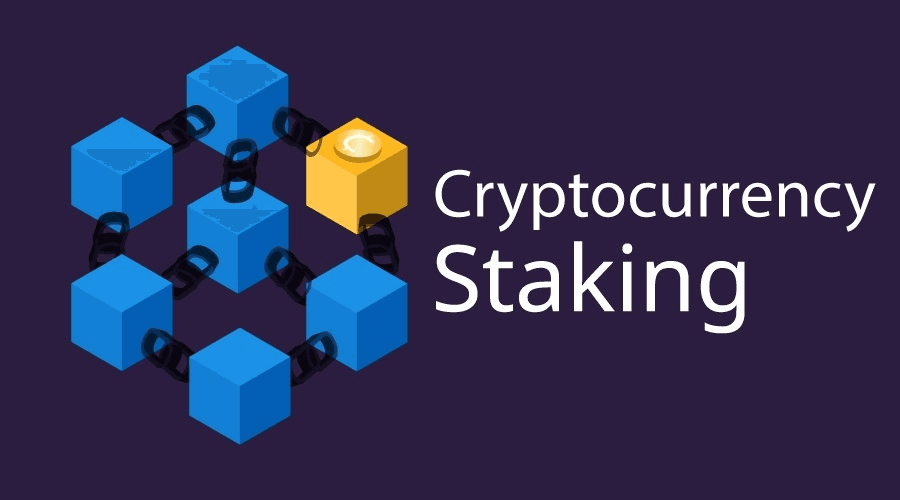
Institutional staking offers attractive benefits. Institutions can earn higher returns than bank deposit interest rates. In addition, they gain significant influence in blockchain governance because of the large amount of tokens they stake. For example, institutions can participate in network voting and help guide the development of the technology.
However, there are risks to consider. Crypto prices can fluctuate, there are lock-up periods that prevent immediate selling, and slashing risk if validators make mistakes. That’s why institutions always work with proven staking providers like Figment or Everstake that offer very high uptime.
Here is a simple list of the main differences:
- Scale: institutional is large and professional, retail is small and personal.
- Security: institutional uses professional custody and audits, retail uses personal wallets.
- Compliance: institutional must follow legal regulations, retail does not.
- Influence: institutional can participate in governance with significant voting power.
Understanding these differences helps show why many institutions are now turning to a structured institutional crypto staking guide.
Read also : 9 Best Web3 Wallets of 2026: Easy to Use and Features
How Institutions Perform Crypto Asset Staking in Practice
How institutions perform crypto asset staking usually starts with choosing the right platform or provider. They typically partner with experienced companies like Figment or Liminal Custody that already have ready-to-use infrastructure. The first step is connecting an institutional wallet that is compatible with networks such as Ethereum, Solana, or Cardano.
After that, institutions select validators with a strong track record. These validators must maintain uptime above 99 percent to avoid slashing penalties. Institutions also ensure their assets are stored securely, not in regular wallets. They use cold storage or MPC systems so the keys never directly touch the internet.
The next step is locking the assets and starting to earn rewards. These rewards can be automatically reinvested so the compounding effect works. Some institutions also request liquidity features so part of the assets remain accessible even while staked.
The institutional crypto staking guide always emphasizes compliance. Every step must be clearly recorded for audit and regulatory reporting purposes. That’s why institutional staking providers usually already have international certifications.
Many institutions start with a small amount first to test the system, then gradually increase it. They also monitor validator performance daily through dedicated dashboards. If issues arise, the system can automatically switch to another validator without interrupting rewards.
Here are the practical steps institutions commonly follow:
- Choose a staking provider with strong certifications and experience.
- Connect the institutional wallet and complete regulatory compliance verification.
- Select validators with high uptime and low commission.
- Confirm the amount of assets to stake and activate reward reinvestment.
- Review monthly reports and adjust strategy when needed.
This approach makes the staking process safer and more efficient for large organizations.
Read also : Crypto-Based Gold Investment Strategy for Retirement Funds
Institutional Crypto Investment Returns Strategy for Maximum Profit
A good institutional crypto investment returns strategy always focuses on balancing returns and risk. One of the best methods is diversification. Institutions do not stake all their assets on a single blockchain. They spread them across multiple networks such as Ethereum, Solana, and Polkadot to reduce risk.
Another highly effective method is automatic reward reinvestment. Rewards received daily or weekly are immediately staked again. This allows the compounding effect to work and can significantly increase long-term returns.
Institutions also carefully choose validators with low commissions and the best performance. They avoid validators that frequently go offline because this can lead to slashing and lost rewards. Some providers even offer slashing insurance to give institutions more peace of mind.
In addition, staying updated on the latest regulations is crucial. With clearer regulations, institutions can plan long-term strategies without worrying about sudden changes. They also use analytics data from providers to select assets that offer high yield with controlled volatility.
For institutions just starting out, it is recommended to begin with a small amount and scale up gradually. Partnering with experienced providers is very helpful because they have expert teams that monitor networks 24/7.
Here is a summary of commonly used strategies:
- Diversify assets across multiple Proof-of-Stake blockchains.
- Reinvest rewards regularly for compounding.
- Partner with highly certified staking providers.
- Choose validators with 99 percent+ uptime.
- Monitor regulations and adjust the portfolio every quarter.
With these strategies, institutional crypto staking can become a stable and competitive source of returns compared to traditional investments.
Read also : What Is the Most Liquid Crypto-Based Silver in 2026?
Conclusion
Institutional crypto staking offers major opportunities for institutions to earn high returns while supporting the blockchain ecosystem. With the right institutional crypto staking guide, the process becomes secure, regulation-compliant, and profitable. The key is choosing the right partners, diversifying, and continuously monitoring performance.
As more institutions participate, the crypto network will become even stronger in the future. If you represent an institution, now is the perfect time to start learning the institutional crypto investment returns strategy that best fits your needs.
How to Buy Crypto on Bittime?

Want to trade sell buy Bitcoins and crypto investment easily? Bittime is here to help! As an Indonesian crypto exchange officially registered with Bappebti, Bittime ensures every transaction is safe and fast.
Start with registration and identity verification, then make a minimum deposit of IDR 10,000. After that, you can immediately buy your favorite digital assets!
Check the exchange rate BTC to IDR, ETH to IDR, SOL to IDR and other crypto assets to find out today's crypto market trends in real-time on Bittime.
Also, visit the Bittime Blog for interesting updates and educational information about the crypto world. Find reliable articles about Web3, blockchain technology, and digital asset investment tips designed to enrich your crypto knowledge.
FAQ
What is institutional crypto staking?
It is large-scale staking carried out by institutions such as banks or investment funds to earn rewards and support blockchain networks.
What is the difference from retail staking?
Institutional staking uses professional custody, complies with regulations, and has large infrastructure, while retail staking is done by individuals using personal wallets.
How do institutions perform crypto asset staking?
Institutions partner with providers, connect institutional wallets, select validators, lock assets, and monitor rewards.
What are the main risks of institutional staking?
The main risks are price volatility, lock-up periods, slashing, and regulatory changes.
What strategies can deliver high returns?
Diversify assets, reinvest rewards, choose strong validators, and work with trusted providers.
Disclaimer: The views expressed belong exclusively to the author and do not reflect the views of this platform. This platform and its affiliates disclaim any responsibility for the accuracy or suitability of the information provided. It is for informational purposes only and not intended as financial or investment advice.

.png)