Visa Focuses on Integrating Stablecoins into Payment Systems: A Trend for 2026?
2026-02-04
In 2026, Visa is placing significant focus on integrating stablecoins into their payment systems. As one of the leading players in the digital payment industry, Visa sees great potential in developing and supporting the use of stablecoins, especially for faster and cheaper transactions.
Although the acceptance of stablecoins among merchants is still limited, Visa is optimistic that demand will increase, thanks to their initiatives such as stablecoin-linked payment cards and partnerships with various banks.
We will discuss how Visa plans to further integrate stablecoins, as well as trends and market projections for digital payment crypto in 2026.
Key Takeaways
- Visa is focusing on integrating stablecoins into traditional payment systems, hoping to increase stablecoin adoption by merchants and users.
- Demand for stablecoin payment cards is rising, as Visa reports that stablecoin payment settlements have reached $4.5 billion annually.
- Cuy Sheffield from Visa highlights the great potential of stablecoins to replace traditional payment systems, despite merchant adoption still being limited.
Visa Crypto Chief and Focus on Stablecoin Settlement

Visa, as a leader in digital payments, has begun introducing stablecoin-based payment solutions. Cuy Sheffield, Head of the Crypto Division at Visa, explained that they see a huge opportunity in integrating stablecoins into their payment systems.
By using stablecoins pegged to the US dollar, Visa aims to simplify international transactions without relying on slower and more expensive traditional banking systems.
However, despite the rapid advancement of the technology behind stablecoins, Sheffield reminds that merchant adoption remains a significant challenge. Visa needs to connect stablecoins to the existing merchant ecosystem to ensure widespread adoption.
Read Also: Join the Bittime Futures Public Beta Waitlist and Get Trial Funds up to 1500 USDT
Visa Payments Crypto Integration
Visa has several initiatives related to stablecoins, one of which is the launch of payment cards linked to stablecoins.
In December 2025, Visa launched a pilot program allowing several banks in the US to settle transactions using Circle's USDC stablecoin.
While the volume has only reached $4.5 billion annually, this figure continues to grow rapidly every month, signaling rising demand for stablecoin-based payment cards.
Stablecoin Merchant Adoption is also a critical factor in Visa's plan to expand stablecoin usage.
Large companies need to provide the infrastructure for merchants to accept payments in stablecoins, and Visa plays a vital role in making this process easier.
Read Also: Crypto Trading Strategy for Beginners, Don't Do This!
Stablecoin Trends in Digital Payments 2026
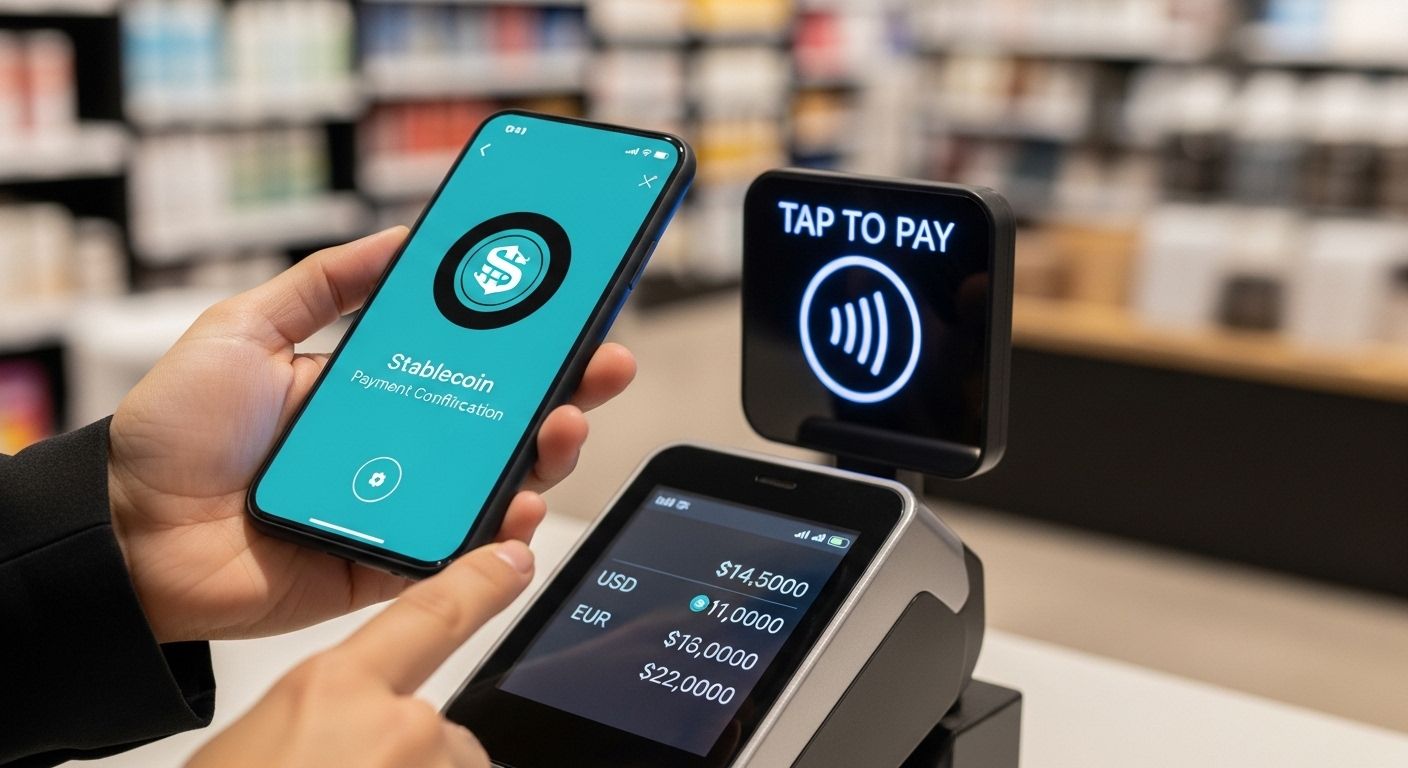
As stablecoin usage grows, Visa is seeing increasing demand for stablecoin payment cards and related solutions.
With increasing interest in stablecoin transactions, many major banks are beginning to consider launching their own stablecoins, such as those by Goldman Sachs and Citi.
This shows that stablecoins are not just a passing trend, but have become an integral part of the future of digital payments.
Read Also: 7 Proven Crypto Trading Tips for Beginners
Cuy Sheffield and Visa's Vision for the Future of Stablecoins
Cuy Sheffield, who has led many crypto initiatives at Visa, is optimistic about the future of stablecoins. He revealed that they are very interested in stablecoins pegged to the euro, given the dominance of the US dollar in global payment transactions.
This indicates that Visa plans to expand the reach of stablecoins beyond the dollar, opening up the possibility for local currency-based stablecoins in various countries.
Stablecoin Card Volumes are also expected to increase significantly in 2026, as adoption broadens among both consumers and merchants. Stablecoin-based payments allow for faster and more efficient transactions, which is highly desired in the rapidly developing digital economy.

Conclusion
Visa is showing its commitment to continue driving stablecoin adoption in global payment systems. With various initiatives involving the latest technologies, such as stablecoin-linked payment cards and partnerships with large banks, Visa is ready to lead the transition to crypto-based payment systems.
Although merchant adoption challenges still exist, demand for stablecoin-based payments continues to rise, and this may pave the way for a more efficient future for digital payments.
If you're interested in exploring more about crypto trading or following the latest crypto news, visit Bittime Exchange or read interesting articles at Bittime Blog.
FAQ
What is a stablecoin?
A stablecoin is a type of cryptocurrency that is pegged to a specific asset, such as the US dollar, to maintain its price stability.
Why is Visa focusing on stablecoins?
Visa sees stablecoins as a fast, cheap, and efficient digital payment solution that can be used globally.
How is Visa integrating stablecoins into the payment system?
Visa is developing payment cards linked to stablecoins and collaborating with banks to facilitate payments using stablecoins.
What are the main challenges in stablecoin adoption?
The main challenge is the lack of stablecoin acceptance among merchants and the infrastructure needed to support stablecoin-based payments.
What are stablecoin-linked payment cards?
These are payment cards that allow users to make transactions using stablecoins as a payment method.
Disclaimer: The views expressed belong exclusively to the author and do not reflect the views of this platform. This platform and its affiliates disclaim any responsibility for the accuracy or suitability of the information provided. It is for informational purposes only and not intended as financial or investment advice.

.png)