Who Is Kevin Warsh, and What’s His Connection to Donald Trump?
2026-02-02
The name Kevin Warsh suddenly became a hot topic after being linked to the chairmanship of the U.S. central bank. For investors and economics readers, the questions are simple: who is Kevin Warsh, why did Donald Trump choose him, and what would it mean for interest rates, the dollar, and the crypto market?
News like this often makes risky-asset prices move fast, not because of political drama, but because markets are trying to anticipate the direction of monetary policy.
You’ll get a concise overview of Warsh’s profile, the Kevin Warsh Trump context, the meaning of Kevin Warsh and the Fed, and Kevin Warsh’s potential impact on the crypto market—plus how to respond more calmly and systematically.
Key Takeaways
- Who Is Kevin Warsh: a former U.S. central bank official who served during the global financial crisis.
- Kevin Warsh trump: linked to a potential nomination to lead the central bank, prompting markets to reassess the direction of rates and liquidity.
- Kevin Warsh crypto: shifting expectations around rates and liquidity can pressure risk assets like crypto in the short term.
Who Is Kevin Warsh?
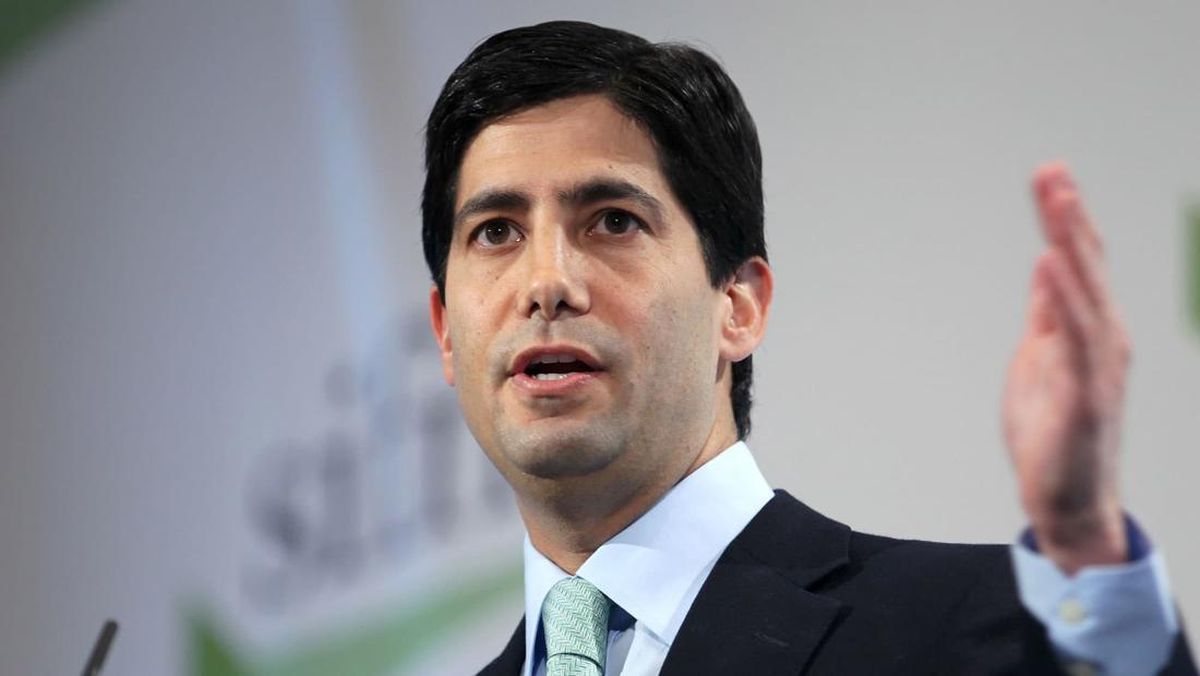
If you come across the phrase “who is Kevin Warsh” in the news, the main context is his track record in monetary policy. He previously served as a member of the Board of Governors of the U.S. central bank and is known for a strong focus on price stability and policy discipline.
In the period after the 2008 crisis, he was among the figures often mentioned in discussions about how quickly the central bank should ease or tighten policy.
What makes his name carry more weight is the combination of government experience, an understanding of financial markets, and proximity to policy circles.
In practical terms, a profile like this is often read by markets as a signal: the tone of central bank policy could shift—becoming tighter, or more supportive of rate cuts—depending on inflation and growth conditions.
So, discussing who Kevin Warsh is isn’t just about biodata—it’s about how markets interpret a potential monetary leadership style.
Quick profile summary
- Served as a U.S. central bank governor from 2006–2011.
- Often associated with a firm approach to inflation and policy credibility.
- More recently, his name has resurfaced as a potential central bank leader candidate.
Read also: Crypto Trading Strategies for Beginners—Don’t Do This!
Kevin Warsh Trump: What’s His Connection to Donald Trump?
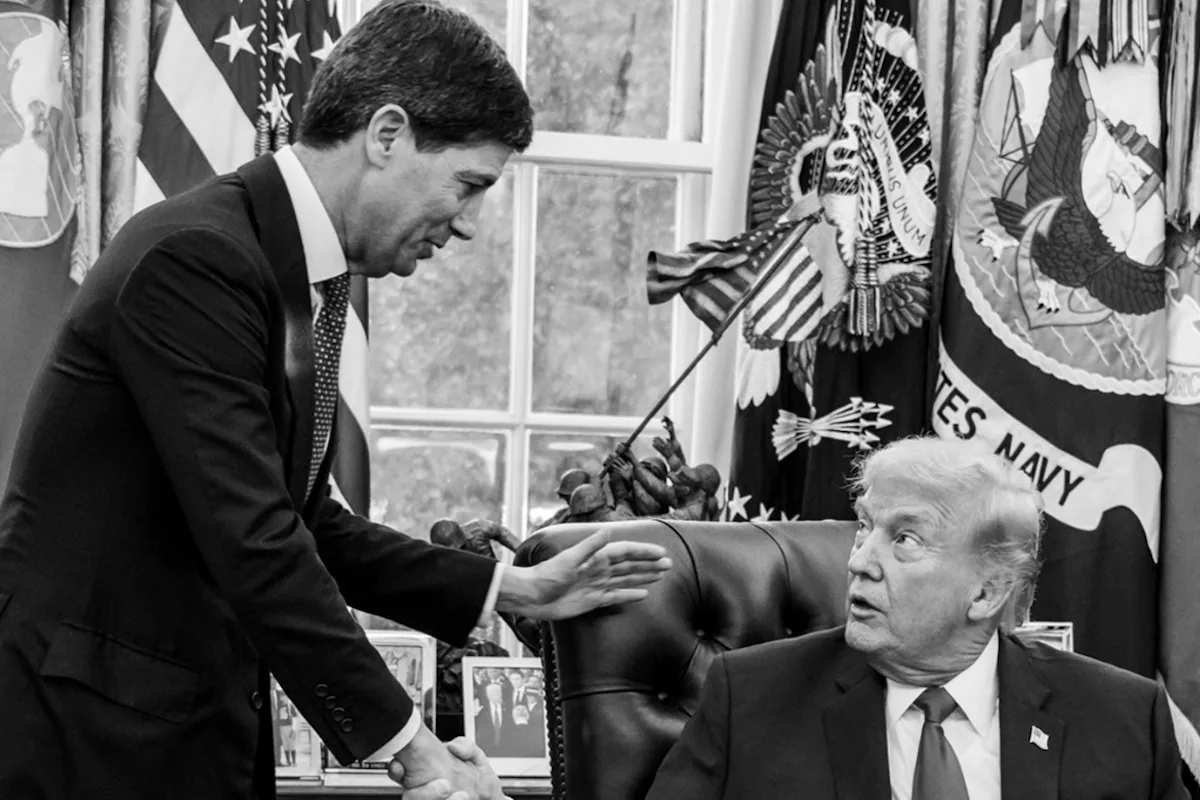
The link comes down to one highly consequential point: a potential nomination to lead the U.S. central bank. In modern economics, the relationship between a president and the central bank is sensitive because the central bank is ideally independent, while presidents often have agendas related to growth, borrowing costs, and public perception.
When Donald Trump named Warsh as a choice, markets immediately mapped two things: how likely interest rates might fall, and how strongly central bank independence would be maintained.
On the other hand, this isn’t simply about someone “close” to a politician. Warsh is seen as a credible candidate by some analysts, but his policy details remain an open question: would he follow pressure for aggressive cuts, or stay cautious due to inflation risks and financial-system stability?
Because of that uncertainty, nomination news can trigger short-term volatility in the dollar, gold, stocks, and crypto.
Why did Trump choose Warsh?
- Strong policy experience and deep connections in financial markets.
- Seen as credible to run monetary policy, though still dependent on political dynamics.
- His name can quickly shift rate expectations, so the impact is felt immediately in markets.
Read also: 7 Effective Crypto Trading Methods for Beginners, Complete with Tips and Tricks
Kevin Warsh and the Fed: What Does the Market Infer from His Style?
When people write “Kevin Warsh the fed,” they usually mean his thinking on interest rates, inflation, and the central bank’s balance sheet. Markets assess that Warsh tends to support rate cuts, but not to the point of extremely aggressive easing.
This matters because even a slight difference in policy tone can shift the dollar’s direction and global capital flows.
Beyond interest rates, another major topic is the size of the central bank’s balance sheet and liquidity. If the central bank drains liquidity or shrinks the balance sheet faster, risk assets can lose short-term tailwinds.
Conversely, if rate cuts happen without strong liquidity tightening, markets can breathe easier. The point is: markets don’t only judge the person, but also the mix of tools he might choose.
Key terms that often come up
- Hawkish: tends to be firm on controlling inflation, usually associated with higher rates or not rushing into cuts.
- Liquidity: the availability of funds in the system, often lifting speculative assets when conditions are loose.
- Stronger dollar: often happens when markets expect tighter or more credible policy.
Kevin Warsh crypto: Kevin Warsh’s Potential Impact on the Crypto Market
The “Kevin Warsh crypto” angle is discussed most often because crypto is sensitive to two things: real interest rates and liquidity. When markets believe rates will stay higher for longer, or liquidity will be tightened, risk assets can come under pressure because the opportunity cost rises.
That’s why even news about a potential central bank chair can trigger a sharp price drop—before any real policy decision is made.
In situations like this, investors usually separate risk into two layers. First, the short-term reaction driven by uncertainty. Second, the medium-term direction, which is more determined by inflation data, growth, and official central bank decisions.
So, crypto’s price move after the Warsh issue emerges may feel sharp, but it doesn’t automatically mean the long-term trend has changed. The key is discipline: understand the macro context, manage position sizing, and don’t make decisions based on a single headline.
Commonly discussed impact scenarios
- Rates fall gradually + tight liquidity: crypto may remain volatile because easy money doesn’t return quickly.
- Rates fall faster: risk assets could benefit, but it still depends on inflation and the bond market’s response.
- Stronger dollar: often adds extra pressure to dollar-denominated assets, including crypto.

Conclusion
So, who is Kevin Warsh? He’s a monetary policy figure whose track record makes markets react quickly. His connection to Donald Trump comes from talk of a nomination to lead the central bank, which can immediately shift expectations for interest rates, the dollar’s direction, and risk appetite.
For crypto, the impact is mostly through macro mechanisms: when liquidity tightens or the dollar strengthens, crypto markets often come under pressure—at least in the short term.
If you want to track markets and news more systematically, you can check the market on Bittime Exchange or read crypto updates and education on Bittime Blog. Stay calm, keep checking your risk, and don’t let one headline run your entire decision-making process.
FAQ
Who is Kevin Warsh?
A former U.S. central bank official who held an important role in monetary policy discussions, especially during and after periods of crisis.
What is the relationship between Kevin Warsh trump?
Kevin Warsh has been linked to a potential nomination to lead the U.S. central bank, prompting markets to reassess the direction of interest rates and monetary policy.
Why does Kevin Warsh the Fed matter for investors?
Because shifts in central bank policy style can affect the dollar, bonds, equities, and risk assets globally.
What is Kevin Warsh’s impact on the crypto market?
Expectations of tighter rates and liquidity can pressure crypto, especially when markets are highly sensitive to policy changes.
Does this mean crypto will definitely fall?
Not necessarily. The impact is often short-term volatility, while the next direction is more influenced by economic data and official decisions.
Disclaimer: The views expressed belong exclusively to the author and do not reflect the views of this platform. This platform and its affiliates disclaim any responsibility for the accuracy or suitability of the information provided. It is for informational purposes only and not intended as financial or investment advice.

.png)