World Cup 2026 Tickets May Require NFTs First: How the Right-to-Buy System Is Sparking Debate
2026-06-12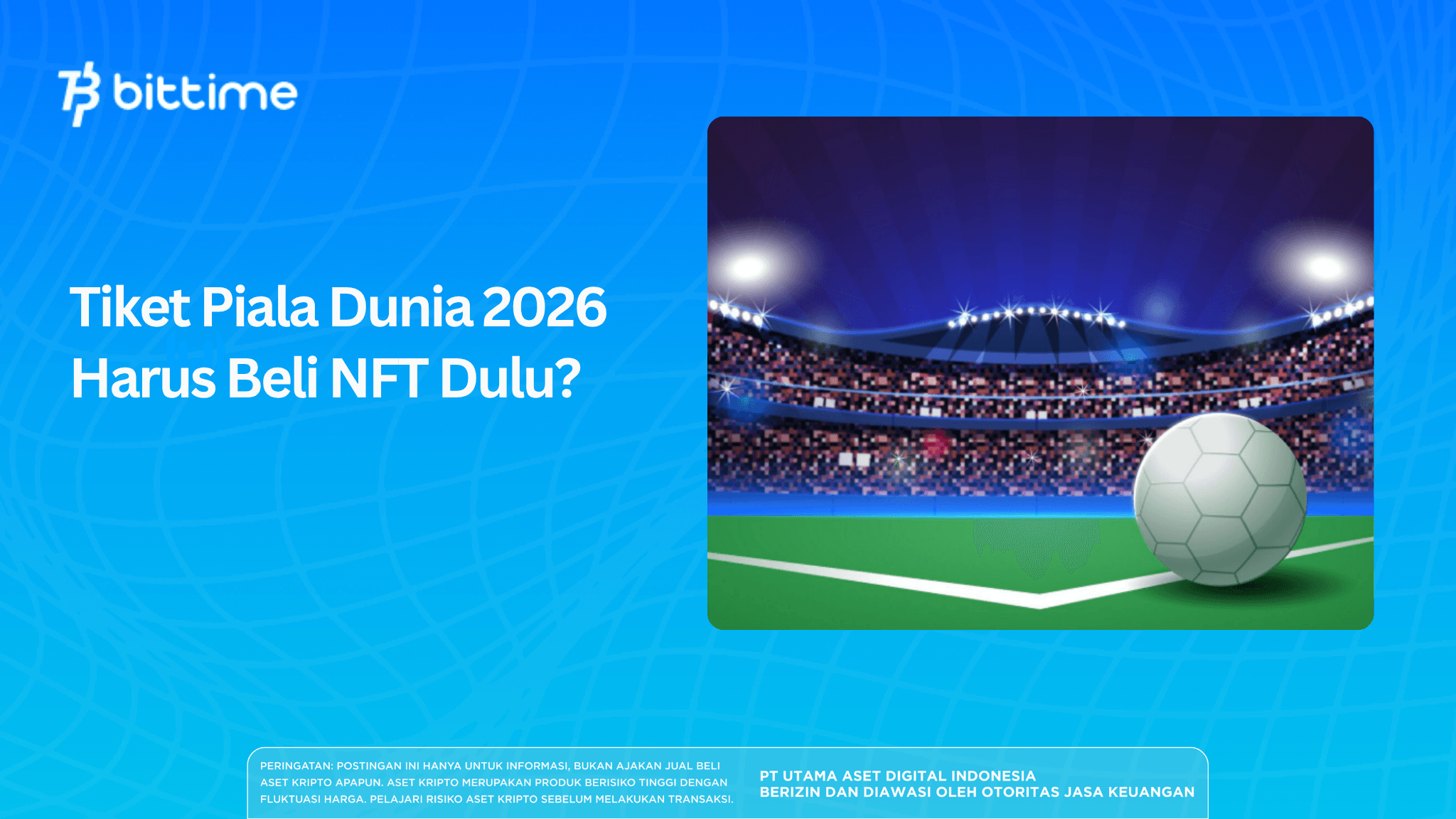
Securing a seat at a FIFA World Cup final has always been one of the most difficult challenges in global sports. For the 2026 tournament, however, fans may face an entirely new process before they can even attempt to buy a ticket.
Through its digital collectibles ecosystem, FIFA is exploring an NFT Right to Buy model that gives certain NFT holders priority access to ticket purchases.
The initiative represents one of the largest real-world applications of blockchain technology in sports, but it has also triggered debate among supporters who question whether buying an NFT should be part of the ticketing journey.
As FIFA experiments with blockchain-powered access systems, the discussion is no longer just about football tickets—it is about the future of digital ownership, fan engagement, and event access.
Key Takeaways
- FIFA's NFT Right-to-Buy system gives NFT holders access to specific ticket sales opportunities.
- NFTs do not automatically function as match tickets.
- Supporters are divided between anti-scalping benefits and concerns over accessibility.
Register on Bittime now and start trading crypto with a fast, secure, and easy process on the app.
What Is FIFA's NFT Right-to-Buy System?
According to reports highlighted by Crypto Briefing and industry coverage surrounding FIFA Collect, the proposed model introduces a digital access layer between fans and ticket purchases.
The process works as follows:
- Fans acquire a designated NFT.
- The NFT grants a Right-to-Buy (RTB) privilege.
- Eligible holders receive access to a ticket sale window.
- Tickets can then be purchased separately if available.
A crucial distinction often overlooked is that the NFT itself is not a match ticket.
Instead, it acts as a digital entitlement that provides access to ticket purchasing opportunities. Ownership of the NFT improves access but does not guarantee entry to a stadium.
The concept is designed to leverage blockchain technology for verification, distribution, and fan engagement while reducing some of the challenges associated with traditional ticket sales.

Read Also: Will the 2026 World Cup Affect the Crypto Market? Here's the Analysis
Why Is FIFA Using Blockchain Ticketing?
Major sporting events have long struggled with ticketing issues.
Common challenges include:
- Ticket scalping
- Automated bot purchases
- Counterfeit tickets
- Unfair allocation systems
- Secondary market price inflation
Blockchain ticketing offers a potential solution because transactions can be tracked transparently and ownership records can be verified digitally.
By integrating NFTs into the ticketing process, FIFA hopes to create a more controlled distribution system where access rights can be managed more effectively.
The initiative also aligns with broader trends in sports technology.
Organizations across football, basketball, motorsports, and entertainment have increasingly explored Sports NFTs as tools for fan engagement, loyalty programs, collectibles, and digital experiences.
For FIFA, NFT-based access may represent a natural extension of those efforts.
Why Are Fans Criticizing the NFT Ticketing Model?
Despite its technological advantages, the system has generated significant controversy.
The biggest concern revolves around the additional step required before purchasing tickets.
Many fans argue that acquiring an NFT creates an extra cost layer, especially when ownership does not guarantee ticket allocation.
Critics also point to accessibility issues.
While cryptocurrency and blockchain adoption have grown substantially, many football supporters remain unfamiliar with:
- Digital wallets
- NFT marketplaces
- Blockchain transactions
- Web3 platforms
For these users, the traditional ticket purchasing process is generally easier to understand.
Another concern involves speculation.
If RTB NFTs gain significant demand, secondary market activity could drive prices higher, potentially creating a new version of the problem the system aims to solve.
Supporters of the initiative counter that blockchain verification could significantly reduce scalping and fraudulent ticket sales, ultimately benefiting genuine fans over the long term.
Read Also: Avalanche Becomes the Blockchain Backbone of the World Cup
Could NFT Ticketing Change Future Sports Events?
The significance of FIFA's experiment extends beyond the World Cup.
If successful, NFT-based ticket access could become a model for:
- International football tournaments
- Olympic events
- Concerts
- Music festivals
- Esports championships
- Global entertainment events
Blockchain technology offers capabilities that traditional ticketing systems often struggle to provide, including programmable ownership, transparent transfers, and verifiable digital identities.
Many analysts believe NFT ticketing may evolve from a niche innovation into a mainstream infrastructure layer for large-scale events.
However, adoption will likely depend on whether organizations can make the technology seamless enough for non-technical users.
The easier the user experience becomes, the more likely blockchain ticketing is to achieve widespread acceptance.
Read Also: List of Stocks with Potential Profits During the 2026 World Cup
Conclusion
FIFA's NFT Right-to-Buy initiative represents one of the most ambitious attempts to bring blockchain technology into mainstream sports ticketing.
The system aims to improve transparency, reduce scalping, and create new forms of digital fan engagement. At the same time, it raises important questions about accessibility, cost, and whether NFT ownership should influence access to major sporting events.
As preparations for the FIFA World Cup 2026 continue, the success or failure of this model could shape how future global events approach ticket sales in the digital era.
Want to capitalize on the fan token trend ahead of the 2026 World Cup? Keep an eye on the price movements of Chiliz (CHZ) and Avalanche (AVAX), then start trading easily on Bittime.
Bittime is a licensed and regulated Digital Financial Asset Trader (PAKD) supervised by Indonesia’s Financial Services Authority (OJK) — where you can buy Bitcoin in Indonesia and hundreds of other crypto assets starting from just Rp10,000. The registration process is fast, secure, and you can get started today.
Track USDT to IDR conversions and monitor your favorite crypto assets in real time. Everything is available in one crypto investment app that you can download for free on the Play Store
Ready to start? Register now on Bittime and execute your investment strategy with a platform trusted by millions of users in Indonesia.
FAQ
What is FIFA's NFT Right-to-Buy system?
It is a blockchain-based system that grants NFT holders access to specific ticket purchasing opportunities.
Does owning a FIFA NFT guarantee a World Cup ticket?
No. The NFT provides purchasing rights or priority access but does not guarantee ticket allocation.
What is FIFA Collect?
FIFA Collect is FIFA's official digital collectibles platform built around blockchain-based fan experiences and NFTs.
Why is FIFA using NFTs for ticket sales?
The organization aims to improve transparency, reduce ticket scalping, and enhance fan engagement through blockchain technology.
What are the main criticisms of the system?
Critics argue that requiring NFTs adds complexity and costs while still not guaranteeing ticket access.
Could NFT ticketing become common in sports?
Yes. Many industry observers believe blockchain-based ticketing could eventually expand across major sporting and entertainment events worldwide.
How does blockchain help prevent ticket fraud?
Blockchain creates verifiable ownership records, making it easier to track authentic tickets and reduce counterfeit activity.
Are FIFA NFT tickets already replacing traditional tickets?
No. Current discussions focus on NFT-based access rights rather than replacing conventional match tickets entirely.
Disclaimer: The views expressed belong exclusively to the author and do not reflect the views of this platform. This platform and its affiliates disclaim any responsibility for the accuracy or suitability of the information provided. It is for informational purposes only and not intended as financial or investment advice.
.png)