Indonesian Banking Cyberattack: 214,000, Are Customer Funds Safe?
2026-11-09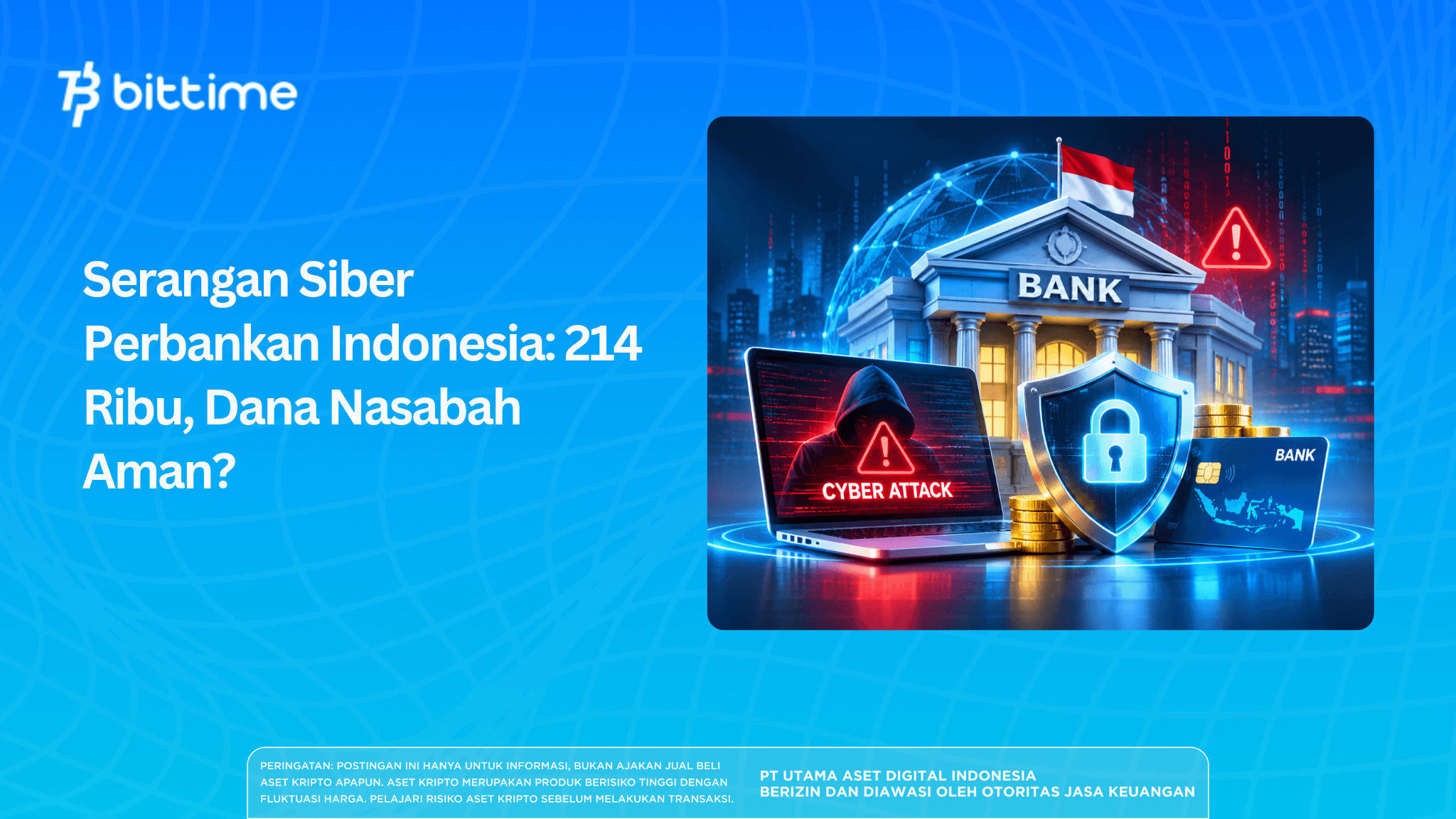
Cyber threats targeting Indonesia's banking sector drew attention after approximately 214,000 digital threat events were detected in the financial sector on November 7, 2026. According to FortiGuard Labs monitoring, these were among roughly 350,600 cyber threat detections recorded across Indonesia over a 24-hour period. The findings prompted the Financial Services Authority (OJK) to step up coordination with banks to ensure their security systems were prepared.
Such a large figure naturally raises concerns, especially among people who use mobile banking and digital financial services every day. However, there is an important distinction between detected threats and attacks that actually succeed in breaching a system. So, are customers' funds still safe, and what exactly has OJK said?
Key Takeaways
- FortiGuard Labs recorded approximately 350,600 cyber threat detections on November 7, 2026, around 214,000 of which involved the financial sector.
- OJK said the banking system remained secure based on its November 8 monitoring, but urged banks to strengthen oversight and preparedness.
- A high number of detected threats does not prove that systems were breached, although customers should still pay attention to account security.
Cyberattacks on Indonesian Banks: What Happened?
Reports of cyber threats targeting the banking sector gained attention over the weekend of November 7–8, 2026.
Several international social media accounts shared digital security monitoring data showing high levels of suspicious activity in Indonesia. Banking, financial services, and insurance were reportedly the sectors with the highest number of threat detections.
The posts quickly attracted attention because they directly concerned the security of financial systems used by the public.
However, the term cyberattack in news reports does not necessarily mean that a system was successfully breached.
Recorded activity may include attempts to access networks without authorization, scans for security vulnerabilities, or digital traffic considered malicious.
Some of this activity may even come from automated programs making repeated attempts.
The findings are therefore better understood as a snapshot of monitored threat activity, not proof that hundreds of thousands of bank accounts were hacked.
Read also: Not Password Theft: How Hackers Are Suspected of Attacking Polymarket
Where Did the Figures of 214,000 and 350,000 Cyber Threats Come From?
The figures attracting attention came from the FortiGuard Labs Threat Map, a monitoring system that collects information about cyber threat activity through a network of security sensors.
A snapshot dated November 7, 2026, recorded approximately 350,600 threat events across Indonesia over 24 hours.
Of that total, the financial sector accounted for the largest share.
With roughly 214,000 detections, the financial sector accounted for about 61% of all threats during that monitoring period.
On average, 350,600 events in a single day amount to approximately four detections per second across Indonesia.
The figure is striking. However, a recorded event does not necessarily represent a different attacker or target a particular institution.
For example, a server can receive thousands of scanning attempts from automated systems without suffering a data breach.
Why Do Some Reports Cite More Than 250,000 Threats?
As the news spread, another figure emerged, citing more than 250,000 threats against the financial sector. The difference needs to be interpreted in light of when the data was collected.
Cyber threat monitoring dashboards can change continuously as new activity enters the system. A figure displayed at one point may therefore differ from a reading taken several hours later.
Problems arise when figures from different periods are compared without context. For example, more than 250,000 cannot simply be described as 61% of the 350,600 detections recorded in the earlier snapshot.
To avoid misinterpretation, threat figures should always be accompanied by the date, observation time, and scope of the sectors counted.
Read also: Suspected Binance Hack: US$5.7 Billion in Crypto Assets Moved, Raising Questions
Do 214,000 Threats Mean Banks Were Successfully Hacked?
There is no basis for concluding that those 214,000 threats represented successful hacks.
In cybersecurity, monitoring systems are designed to identify suspicious activity, including attempts that are stopped before they cause harm.
That is why the number of detections can be far higher than the number of security incidents that actually occur.
For example, an attacker might run a program to search thousands of servers for weaknesses. Each identified attempt may be logged as a threat event.
However, the existence of those attempts does not demonstrate that the attacker gained access to a system.
An incident can be assessed further when there is evidence of unauthorized access, service disruption, data theft, or other malicious activity.
Cybersecurity expert Alfons Tanujaya also emphasized the importance of reviewing historical data before treating a single day's threat count as an extraordinary spike.
Without comparisons with previous days, months, or years, it is difficult to determine whether the activity was truly far above normal levels.
In other words, the figure of 214,000 deserves attention, but it is not enough to establish the extent of any damage or impact on customers.
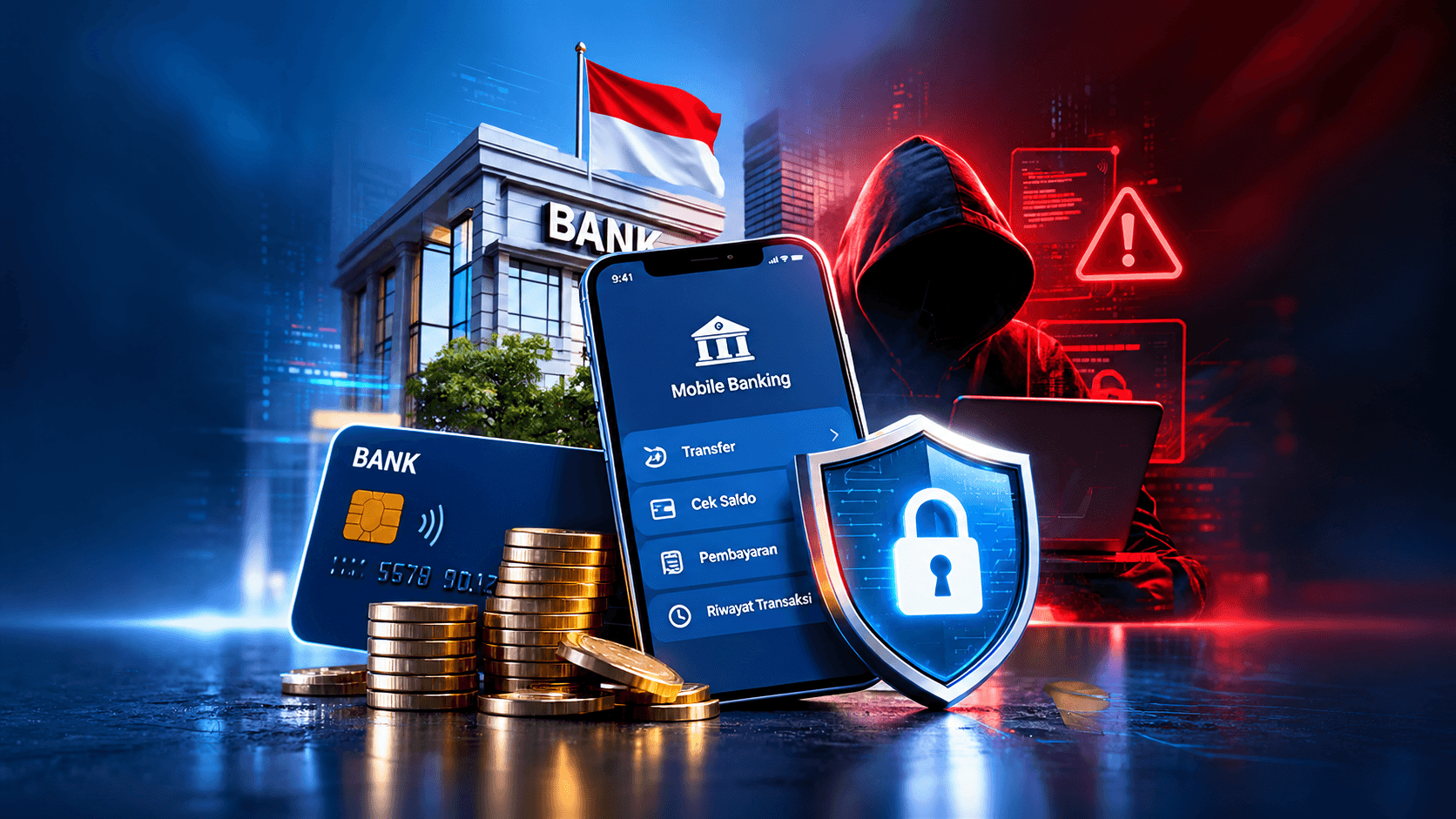
What Has OJK Said About Cyberattacks on Banks?
OJK responded to these developments by increasing coordination with the banking industry.
On November 8, 2026, OJK's Chief Executive of Banking Supervision, Dian Ediana Rae, explained that OJK's information technology supervisory team had been communicating with banks' IT teams since the preceding Friday.
The coordination was intended to strengthen banks' preparedness for potential digital security disruptions.
OJK also reminded bank directors to pay particular attention to unusual activity in their systems.
Monitoring extends beyond infrastructure managed directly by banks.
Third-party technology services are also under scrutiny because modern banking operations increasingly rely on interconnected systems.
OJK Urges Banks to Strengthen Round-the-Clock Monitoring
Based on monitoring at the time of its statement, OJK assessed Indonesia's banking systems as still secure.
Nevertheless, the regulator instructed banks to increase monitoring around the clock and promptly investigate activity that could cause disruptions.
If signs of a problem emerge, banks need to take appropriate security measures based on the findings of their investigations.
Such measures may include temporary restrictions on certain transactions when necessary for further verification.
OJK's approach indicates a need for greater vigilance even though the detection figures do not provide evidence of a widespread breach of banking systems.
Read also: CoinDCX Hack: 15.99 Million USDT Lost, Initially Reported as a False Alarm
Is Bank Indonesia Really Under a Cyber Emergency?
Amid widespread reports of digital threats, some have suggested that Bank Indonesia was hacked or placed under emergency conditions.
That claim should be treated with caution.
First, Bank Indonesia (BI) is the central bank of the Republic of Indonesia, while the circulating threat data covers the broader banking and financial sectors.
In other words, references to banks in Indonesia do not mean that Bank Indonesia's own systems were targeted or successfully breached.
Second, the 214,000 figure is not a list of institutions that were hacked. Nor does it prove that BI suffered a data leak or that customers' accounts were breached on a mass scale.
Third, OJK's increased supervisory coordination is a preventive measure and should not automatically be interpreted as a declaration of a national emergency.
Based on the information reviewed, there is no verified evidence supporting claims that all Indonesian banks were hacked as a result of this threat activity.
Claims circulating online about large-scale theft of funds should therefore be checked against official sources before being believed or shared.
Read also: Binance Uses Half of Its SAFU Bitcoin Reserves: What Does It Mean for Users?
Are Customers' Funds and Mobile Banking Still Safe?
For bank customers, news of cyberattacks naturally raises questions about the safety of money held in their accounts.
In its November 8 statement, OJK said banking systems remained secure based on its monitoring at the time.
The widely reported threat figures also do not establish that customers' funds were stolen. However, this assessment does not guarantee that every account and digital service will always be risk-free.
There is a difference between the security of a bank's infrastructure and that of an individual's account. Banking systems may have several layers of protection, but customers can still fall victim to fraud if they share passwords, PINs, or one-time passwords (OTPs) with scammers.
People should therefore not automatically assume that mobile banking is unsafe simply because threat detection figures are high.
What matters more is following official bank announcements, reviewing account activity, and promptly reporting unfamiliar transactions.
Why Is the Financial Sector a Target for Cyber Threats?
Banks handle a wide range of sensitive information, from identity data to high-value financial transactions. This makes banking one of the sectors that attracts the attention of cybercriminals.
Moreover, financial services are no longer limited to bank branches or ATMs. Customers can access accounts on their phones, make online payments, and use a wide range of services connected to third-party systems.
Every digital service needs safeguards to ensure that access and data exchanges occur as intended. However, a high number of detected threats does not automatically mean that a bank's defenses are weak.
Security systems are specifically designed to identify and stop suspicious activity as early as possible.
A bank's ability to detect incidents, respond to them, and restore services is therefore an important measure of its cyber resilience.
Read also: PEPE and UNI Bought by a Wallet Suspected of Being Linked to the Binance Hack
Cybercrime Tactics Bank Customers Should Watch Out For
Although the methods behind all detections on November 7 have not been established, there are several common forms of cybercrime that banking customers should understand.
Phishing Through Messages and Fake Websites
Phishing involves directing victims to fake websites or forms that imitate legitimate services. Attackers typically use urgent-sounding messages, such as warnings that an account has been blocked or requests to update personal information.
When victims enter their login information, the details may be misused to access their accounts.
Scams Impersonating Bank Employees
In a social engineeringscheme, attackers try to manipulate victims into disclosing confidential information. For example, someone may pretend to be a bank employee and claim that a suspicious transaction needs to be canceled immediately.
The victim is then asked to disclose an OTP or follow certain instructions. This is dangerous because attackers exploit panic, not just technical weaknesses in devices.
Malware from Unofficial Applications
Malware is malicious software that can steal data, monitor activity, or disrupt a device's functions. Risks can increase when users install apps from unknown sources or grant unnecessary access permissions.
Securing your phone is therefore also part of protecting your digital bank accounts.
These three methods are examples of common threats to customers, not confirmed explanations for all the activity detected on November 7.
Read also: Revolut $3 Million Hack: Digital Attack Methods Threatening Global Fintech Security
Five Ways to Protect Your Bank Account from Hackers
Concerns about cyberattacks should be followed by simple, consistent protective measures.
Here are five steps you can take:
- Enable additional security features. Use multifactor authentication, biometrics, and the transaction alerts available in your banking app.
- Keep your PIN, passwords, and OTPs confidential. Never share this information with anyone, including people claiming to be bank employees.
- Access banking services through official apps. Avoid opening mobile banking services through suspicious links sent by SMS, email, or messaging apps.
- Keep your apps and device software up to date. Security updates help fix vulnerabilities that attackers could exploit.
- Review your account transactions regularly. By monitoring transaction activity, you can spot unauthorized account use more quickly.
These habits may seem simple, but they can help reduce the risk of fraud and misuse of personal information.
What Should You Do If You Notice a Suspicious Transaction?
If you find a transaction you did not authorize, contact your bank through its official customer service channels immediately. Use the contact number listed in the bank's app or on its official website, not one sent in a message by an unknown party.
Provide details of the disputed transaction and ask the bank to investigate possible account misuse. If necessary, ask whether access to the account or certain transactions should be temporarily restricted.
Next, secure the account by changing any credentials that may have been exposed, using a trusted device and communication channel.
Keep transaction records, incident times, screenshots, and complaint reference numbers. These documents may assist the investigation and follow-up process.
If the issue remains unresolved, use the applicable official complaint procedures.
Reporting as quickly as possible is important so that the bank can begin investigating, although the outcome and any potential reimbursement will depend on the circumstances of the case.
What Should Be Monitored After OJK's Response?
After news of the cyber threats spread, attention should not be focused solely on constantly changing figures on monitoring dashboards. Other developments are more relevant to assessing the actual impact on the banking industry.
These include official incident announcements, confirmed service disruptions, evidence of data breaches, and changes to regulators' security guidance.
Comparing threat data over longer periods is also important for determining whether the activity represents a significant increase.
Such information helps the public distinguish routine security vigilance from incidents that cause actual losses.
For users of digital financial services, following official notices is far more useful than making decisions based solely on viral posts.
If you want to follow developments in digital security, financial regulation, and the crypto industry, you can sign up for Bittime to read the latest market updates and educational articles.
Conclusion
Cyber threats targeting Indonesian banks drew renewed attention after approximately 214,000 threat events were detected in the financial sector in a single day.
In response, OJK strengthened its coordination with banks and called for continuous system monitoring. According to the regulator's assessment on November 8, 2026, banking systems remained secure at that time.
Despite the large figure, the monitoring data does not establish that banks were breached on a mass scale or that customers' funds were stolen.
For the public, the best course is to continue using financial services carefully, safeguard account credentials, and verify information through official channels.
Vigilance remains necessary, but decisions should be based on verified facts rather than fears triggered by figures presented without context.

Bittime is a licensed Digital Financial Asset Trader (PAKD) regulated and supervised by the Financial Services Authority — where you can buy Bitcoin in Indonesia and hundreds of other crypto assets starting from IDR 10,000. Registration is fast and secure, and you can get started today.
Track the USDT to IDR exchange rate and real-time price movements of your favorite crypto assets. Everything is available in one crypto investment app that you can download for free from the Play Store.
Ready to get started? Sign up for Bittime now and put your investment strategy into action on a platform trusted by millions of users in Indonesia.
FAQ
Did 214,000 Cyberattacks Really Target Banks in Indonesia?
On November 7, 2026, approximately 214,000 threat events involving the banking, financial services, and insurance sectors were recorded. This figure represents detections of suspicious activity, not the number of banks or accounts successfully hacked. Not every detection indicates a security incident that caused losses.
Was Bank Indonesia Successfully Hacked?
The reports reviewed do not provide evidence that Bank Indonesia, the country's central bank, was successfully hacked during this incident. The 214,000 detections refer to the wider financial sector, not specifically to BI's systems. Claims of an emergency status also require official confirmation.
What Has OJK Said About Banking Security?
OJK said banking systems remained secure based on its monitoring on November 8, 2026. The regulator also strengthened coordination with banks' IT teams and called for 24-hour security monitoring. These measures were intended to improve preparedness for potential disruptions.
Are Customers' Funds Safe from Cyberattacks?
The circulating threat figures do not prove that customers' funds have been stolen. However, account security still depends on both banks' system protections and how customers safeguard their account information. It is therefore important to monitor transactions and follow official notices from your bank.
What Should You Do If Hackers Compromise Your Bank Account?
Contact your bank immediately through official channels and report any unrecognized transactions or activity. Request an account investigation and access restrictions if necessary, then secure your passwords and other credentials. Keep transaction records and complaint reference numbers for follow-up.
Disclaimer: The views expressed belong exclusively to the author and do not reflect the views of this platform. This platform and its affiliates disclaim any responsibility for the accuracy or suitability of the information provided. It is for informational purposes only and not intended as financial or investment advice.

.png)