US Stablecoin Regulation and Asset Tokenization: Bittime Highlights the Direction of the Digital Industry
2026-11-19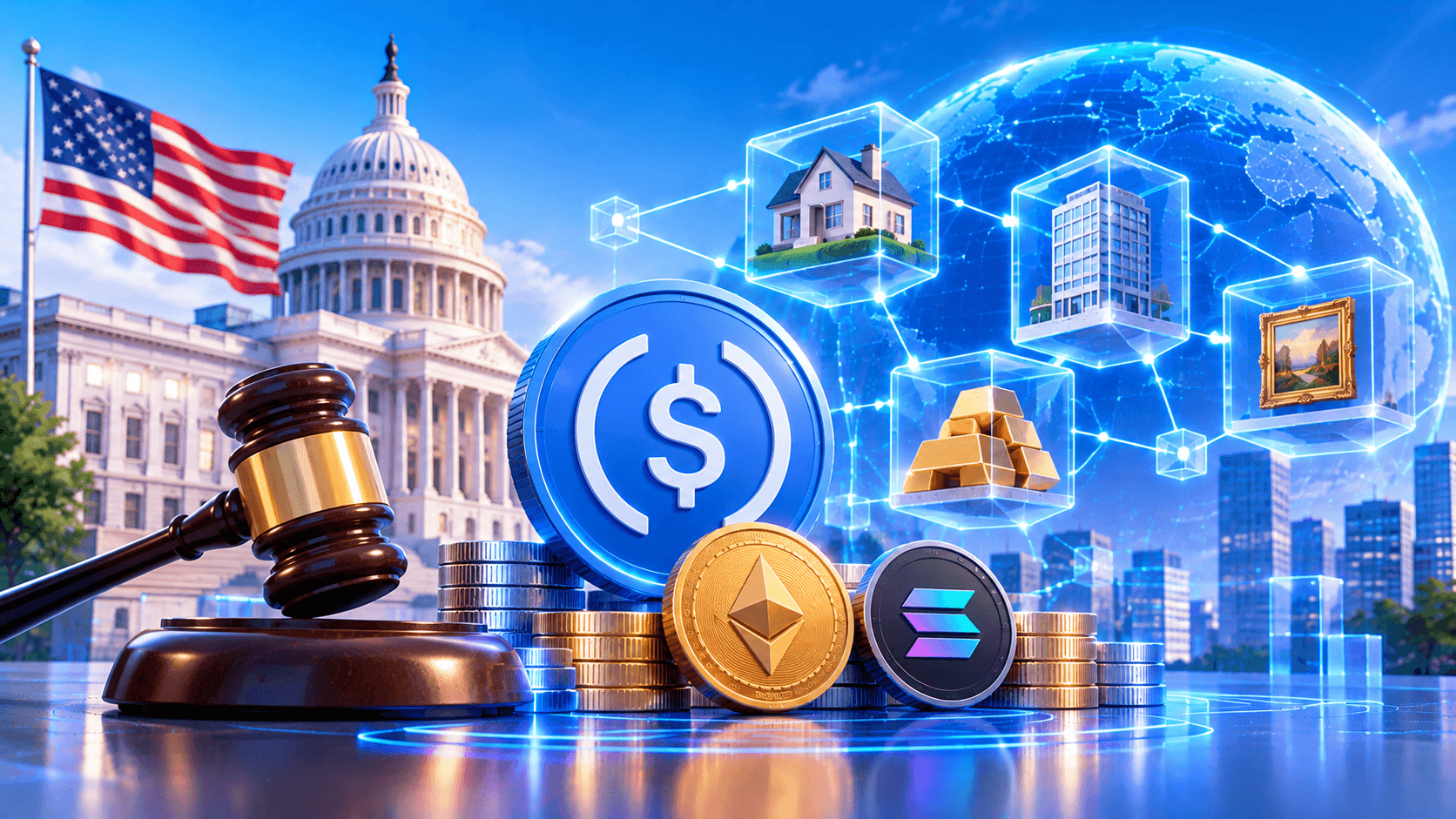
Jakarta, November 18, 2026– Developments in stablecoin regulations in the United States mark a significant shift in the governance of the global digital asset industry.
Through the Guiding and Establishing National Innovation for U.S. Stablecoins Act (GENIUS Act), the US government is beginning to establish more structured standards for stablecoin issuers, covering everything from reserve management to asset redemption mechanisms.
These changes are not limited to stablecoin issuer compliance. Regulatory standards may also influence user confidence, the integration of digital assets with traditional financial systems, and the development of blockchain-based innovations, including asset tokenization.
Bittime Chief Operating Officer Ryan Lymn believes regulatory certainty is one of the key factors in building a sustainable digital asset ecosystem. In his view, industry developments need to be accompanied by stronger governance, transparency, and consumer protection.
As a Digital Financial Asset Trader (PAKD) licensed and supervised by the Financial Services Authority (OJK), Bittime offers a digital asset ecosystem covering Spot, Staking, and Futures services. Bittime also provides Tokenized Stocks options that offer exposure to the price movements of various global financial assets.
GENIUS Act Promotes New Standards for Stablecoin Issuers
One important aspect of stablecoin regulatory developments in the US is the implementation of the GENIUS Act. On October 21, 2026, the Office of the Comptroller of the Currency (OCC) issued a final rule to implement the provisions of the Act.
According to the OCC's official publication, the rule covers several key areas, including reserve asset requirements, redemption mechanisms, risk management, audits, reporting, and oversight of stablecoin issuers. These provisions are scheduled to take effect on January 18, 2027.
A similar development can also be seen at the Federal Reserve. On September 29, 2026, the institution published a proposed regulatory framework for stablecoin issuers under its supervision. The proposal covers provisions related to reserve assets, capital requirements, and risk management.
Both developments show that stablecoin regulation is increasingly focused on operational aspects and governance. Issuers are not only required to provide backing assets, but must also establish mechanisms to maintain transparency and ensure they can fulfill redemption requests in accordance with applicable requirements.
Ryan Lymn noted that stablecoins serve a strategic function in the digital asset ecosystem because they can be used as transaction instruments while also acting as a bridge between traditional financial systems and blockchain technology.
"Stablecoins play an important role in the digital asset ecosystem, particularly as transaction instruments and as a bridge between traditional financial systems and blockchain technology. Regulatory clarity is essential to ensure that reserve management, transparency, and consumer protection receive adequate attention," Ryan said.
Indonesia's Digital Asset Supervisory Framework Continues to Develop
Regulatory changes in the US are also part of broader developments in digital asset supervision across various countries. Indonesia has also established a regulatory framework for digital financial asset trading, including crypto assets, through the OJK.
The regulatory foundation includes OJK Regulation (POJK) Number 27 of 2024 concerning the Organization of Digital Financial Asset Trading, including Crypto Assets, which was subsequently amended through POJK Number 23 of 2025. The OJK also issued OJK Board of Commissioners Regulation (PADK) Number 3 of 2026, which took effect on September 1, 2026.
The strengthening of this framework highlights the importance of supervising digital asset trading operators, managing risks, and protecting consumers as the range of products and activities in the market continues to expand.
Meanwhile, the market is also becoming familiar with derivative instruments that use publicly listed company stocks as their underlying assets.
According to the list of derivative instruments published by PT Central Finansial X (CFX), there are USDT-based perpetual contracts that track the price movements of several assets associated with US companies, including Apple, Amazon, Google, Meta, NVIDIA, and Tesla.
Perpetual contracts allow traders to take Long or Short positions based on their expectations of price movements. A Long position is used when traders expect prices to rise, while a Short position is used when they expect prices to fall.
However, these derivative contracts are not equivalent to direct stock ownership. Traders need to understand the contract mechanisms, margin requirements, volatility, and potential loss risks before using these instruments.
"Clear regulations can help create a more structured industry environment. However, innovation also needs to go hand in hand with stronger governance and consumer education to ensure that digital asset development remains sustainable," Ryan explained.
Tokenization Expands Forms of Exposure to Financial Assets
In addition to stablecoins, asset tokenization, or tokenized real-world assets (RWA), is another development related to the integration of blockchain technology with traditional financial instruments.
Through tokenization, the value of or exposure to an asset can be represented in the form of digital tokens. In the context of financial markets, this approach allows users to gain exposure to the price movements of certain assets through blockchain-based instruments.
Bittime offers 51 Tokenized Stocks options representing exposure to various global financial assets. These include Apple (AAPLX), NVIDIA (NVDAX), Tesla (TSLAX), Strategy (MSTRX), and the S&P 500 (SPYX). Information about these asset options is available on Bittime's Tokenized page.
Although they offer an alternative way to gain exposure to global assets, tokenized stocks have characteristics that need to be understood separately from conventional stocks.
User rights, product structures, redemption mechanisms, liquidity, and issuer-related risks may vary depending on the terms of each instrument.
Therefore, users need to review product documentation before making decisions. Owning a token that represents the value of a stock does not automatically mean that users own shares in the relevant company or receive shareholder voting rights.
Ryan added that education about product characteristics is an important part of the development of tokenization.
"Tokenization represents a new development in how people can gain exposure to global financial assets. However, users need to understand that tokenized stocks may have different characteristics and rights compared with direct stock ownership, including the risks associated with each product," Ryan concluded.
Going forward, the development of stablecoins and tokenization will form part of the evolution of digital finance. Regulatory clarity, governance quality, product transparency, and user understanding will play important roles in determining how these innovations develop and integrate with the broader financial system.
Disclaimer: The views expressed belong exclusively to the author and do not reflect the views of this platform. This platform and its affiliates disclaim any responsibility for the accuracy or suitability of the information provided. It is for informational purposes only and not intended as financial or investment advice.

.png)