The On-Chain Economy is Growing: How Big Will the Global Blockchain-Based Economy Become?
2026-09-04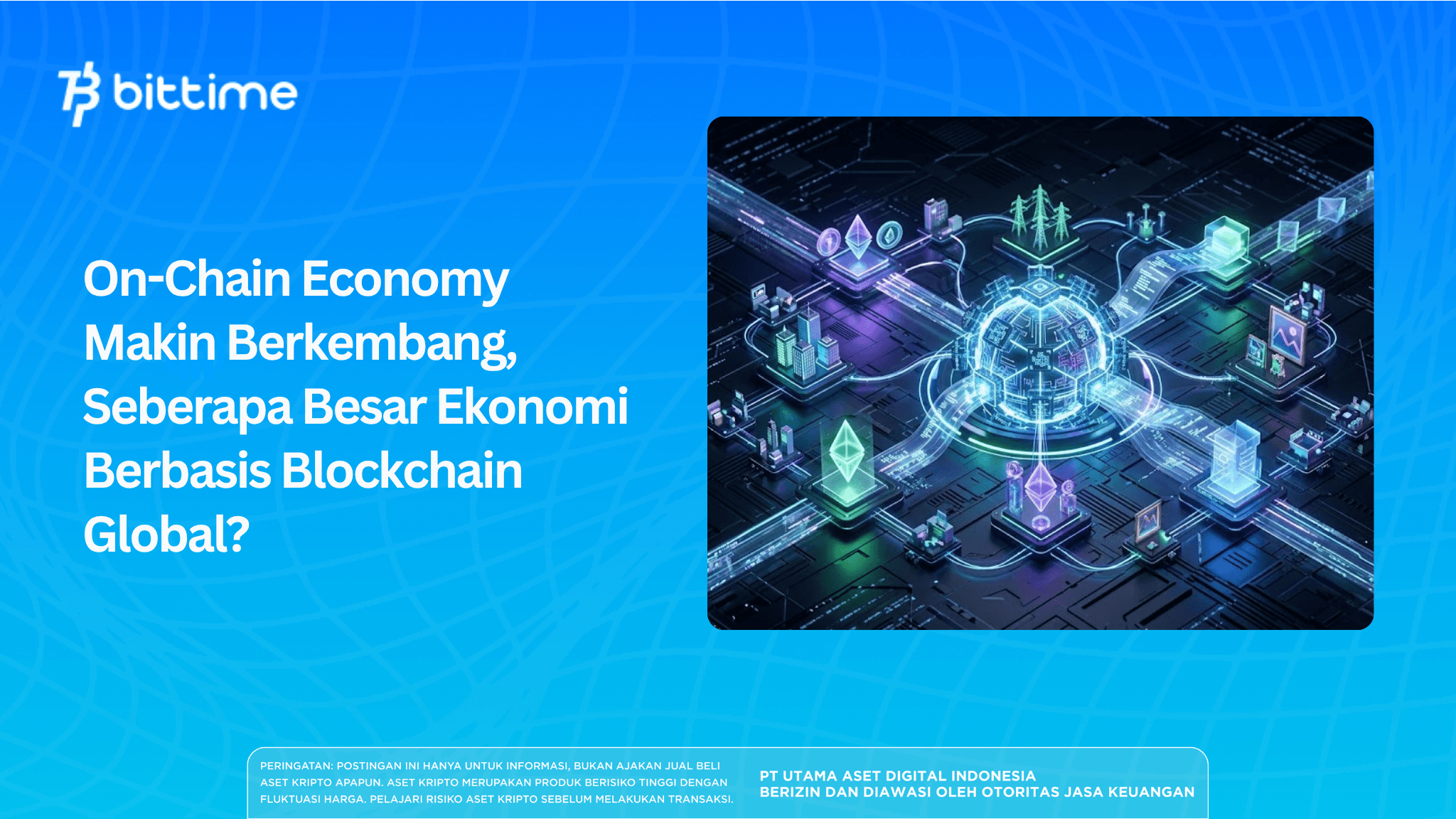
The on-chain economy is becoming one of the biggest developments in the global blockchain industry. While previously blockchain blockchain was better known as the technology behind crypto assets, its use has now expanded into infrastructure for transactions, investments, payments, and the tokenization of real-world assets.
The growth of the on-chain economy can be seen in the increasing use of stablecoins, real-world assets (RWA), tokenized stocks, and blockchain-based financial applications. Indonesia is also beginning to pay attention to this trend after regulators stated that Indonesia's on-chain economy could grow as digital assets become increasingly integrated into the financial system.
Key Takeaways
- The on-chain economy is growing through stablecoins, RWA, and other digital assets.
- Asset tokenization has become one of the main drivers of global blockchain growth.
- Indonesia is beginning to prepare a more integrated blockchain ecosystem.
The Global On-Chain Economy Is No Longer Just About Crypto
The blockchain-based economy has undergone major changes in recent years. On-chain activity is no longer limited to buying and selling crypto assets, but also includes various economic transactions recorded and conducted through blockchain networks.
The concept of the on-chain economy refers to economic activity that uses blockchain as its primary infrastructure. This system enables assets, transactions, and digital ownership to be recorded transparently without relying entirely on traditional systems.
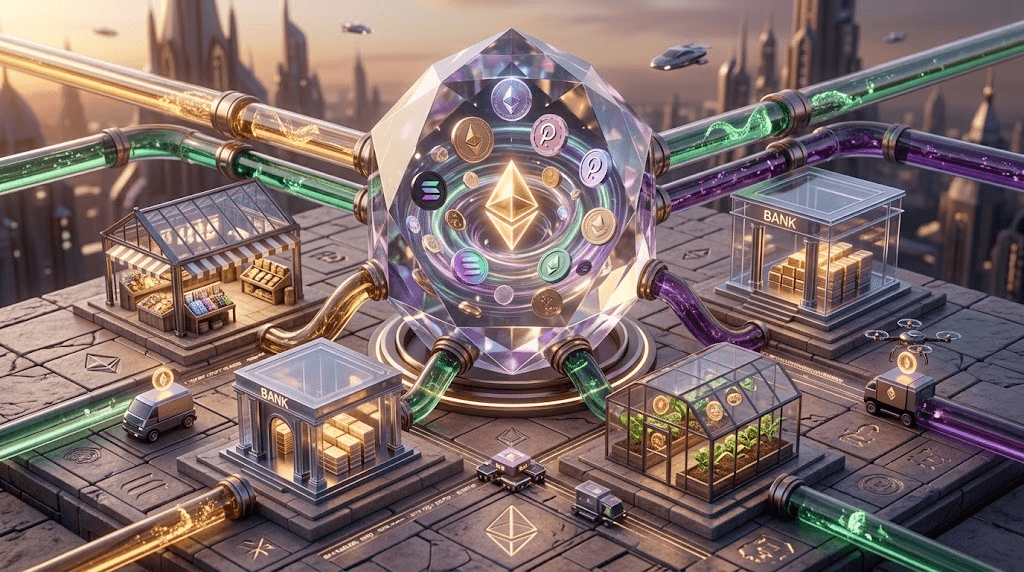
Several sectors driving the growth of the on-chain economy include:
- Digital payments using stablecoins.
- Tokenization of assets such as bonds, gold, and stocks.
- Decentralized finance services, or DeFi.
- Digital infrastructure for asset ownership.
This change shows that blockchain is moving from experimental technology toward economic infrastructure used for various financial needs.
Read also: How Is Blockchain Changing the Stock Ownership System?
Asset Tokenization and RWA Become Drivers of Blockchain Economic Growth
One of the biggest trends in the on-chain economy is the increasing use of real-world assets (RWA). RWA are real-world assets represented as digital tokens on the blockchain.
Examples include:
- Digital gold.
- Government bonds.
- Corporate debt.
- Real estate.
- Tokenized stocks.
CoinGecko data shows that the market capitalization of tokenized RWA increased by 256.7%, from approximately US$5.42 billion at the beginning of 2025 to US$19.32 billion as of March 31, 2026.
This growth shows that blockchain is increasingly being used to bring traditional assets into the digital ecosystem.
In addition to market capitalization, trading activity in tokenized assets has also increased. Tokenized gold recorded a spot volume of approximately US$90.7 billion in the first quarter of 2026, surpassing the total volume for all of 2025.
Meanwhile, tokenized stocks recorded a spot volume of approximately US$15.1 billion during the same period.
Although RWA growth is significant, this increase cannot be directly interpreted as evidence that the entire global economy has moved to blockchain. RWA indicates growing use of the technology, but does not directly represent the overall economic value.
Read also: US-Iran Conflict and Bitcoin Price: Why Geopolitics, Oil, and Interest Rates Could Affect BTC
Stablecoins Accelerate the Growth of the On-Chain Economy
In addition to RWA, stablecoins are an important component in the development of the blockchain-based economy.
Stablecoin allow users to conduct digital transactions with relatively stable values because these assets typically track the value of a specific currency, such as the United States dollar.
Stablecoin adoption is growing because it offers several benefits:
- Faster cross-border transactions.
- Transfer costs can be lower.
- Digital liquidity is available 24 hours a day.
- Can be used in various blockchain applications.
In the DeFi ecosystem, stablecoins are a primary tool for trading, lending, and various digital financial activities.
However, stablecoin development still requires clear regulations so that it can be safely integrated with the traditional financial system.
Read also: Global Crypto Regulation Becomes More Structured, G20 Paves the Way for Blockchain Innovation
How Is Indonesia's On-Chain Economy Developing?
Indonesia is beginning to recognize the potential of the blockchain-based economy as part of the development of the digital asset industry.
The regulator's statement that “Indonesia’s on-chain economy is coming” indicates that blockchain use is expected to expand beyond crypto asset trading. Coinfest Asia 2026, held in Bali on August 20–21, 2026, was one of the moments that strengthened attention toward the development of Indonesia's blockchain and digital asset ecosystem.
The potential development of Indonesia's on-chain economy can be seen in several areas:
- A more mature digital asset infrastructure.
- Integration of blockchain with financial services.
- Development of asset tokenization.
- Improved public literacy regarding digital assets.
However, this development is still at an early stage. Indonesia needs to establish regulations, technological security, and a supportive ecosystem so that blockchain can be used more widely.
For those who want to follow the latest developments in Indonesian blockchain, digital assets, and on-chain economy trends, you can join Bittime and monitor the latest updates on the crypto industry and blockchain technology.
For users who want to explore trading strategies further, Bittime Futures can also be an option for learning about crypto derivatives trading more flexibly.
The Future of the Global Blockchain-Based Economy
The blockchain-based economy is likely to continue growing as the need for faster, more transparent, and more flexible financial systems increases.
Trends that could continue to grow include:
- Tokenization of various types of traditional assets.
- Use of stablecoins for global payments.
- Integration of blockchain with the financial sector.
- Development of digital-based financial applications.
However, the growth of the on-chain economy does not mean that all economic activity will immediately move to blockchain. Challenges such as regulation, security, scalability, and user adoption remain important factors.
Conclusion
The on-chain economy shows that blockchain is evolving into digital economic infrastructure, rather than merely technology for crypto assets. The growth of RWA, stablecoins, and asset tokenization demonstrates that blockchain use is expanding.
In Indonesia, the development of the on-chain economy is still at an early stage, but attention from regulators and the industry indicates significant opportunities to build a more mature digital asset ecosystem.
By understanding these developments early on, you can see how blockchain could shape the digital economic system of the future. Follow the latest developments through Bittime to get the newest information about Indonesian blockchain and the digital asset economy.

Bittime is a licensed Digital Financial Asset Trader (PAKD) platform authorized and supervised by the Financial Services Authority (OJK) — where you can buy Bitcoin in Indonesia and hundreds of other crypto assets starting from Rp10,000. The registration process is fast and secure, and you can get started today.
Track the conversion USDT to IDR and the real-time price movements of your favorite crypto assets. Everything is available in one crypto investment app that can be downloaded for free from the Play Store.
Ready to get started? Sign up on Bittime now and execute your investment strategy with a platform trusted by millions of users in Indonesia.
FAQ
What is the on-chain economy?
The on-chain economy is economic activity that uses blockchain as the primary infrastructure for transactions, asset ownership, and digital financial services.
Is the on-chain economy only related to crypto?
No. The on-chain economy includes various activities such as stablecoins, asset tokenization, RWA, digital payments, and blockchain-based financial applications.
What are real-world assets (RWA)?
RWA are real-world assets represented as digital tokens on the blockchain, such as gold, bonds, real estate, or other financial assets.
How is Indonesia's on-chain economy developing?
Indonesia is beginning to develop its blockchain ecosystem through digital asset regulations and the potential integration of blockchain technology with the financial system.
Does RWA growth mean crypto prices will rise?
No. RWA growth indicates increased use of blockchain technology, but it does not directly determine crypto asset price movements.
Disclaimer: The views expressed belong exclusively to the author and do not reflect the views of this platform. This platform and its affiliates disclaim any responsibility for the accuracy or suitability of the information provided. It is for informational purposes only and not intended as financial or investment advice.

.png)