Non-Custodial Crypto Wallet: Definition, Explanation, and Differences
2026-08-05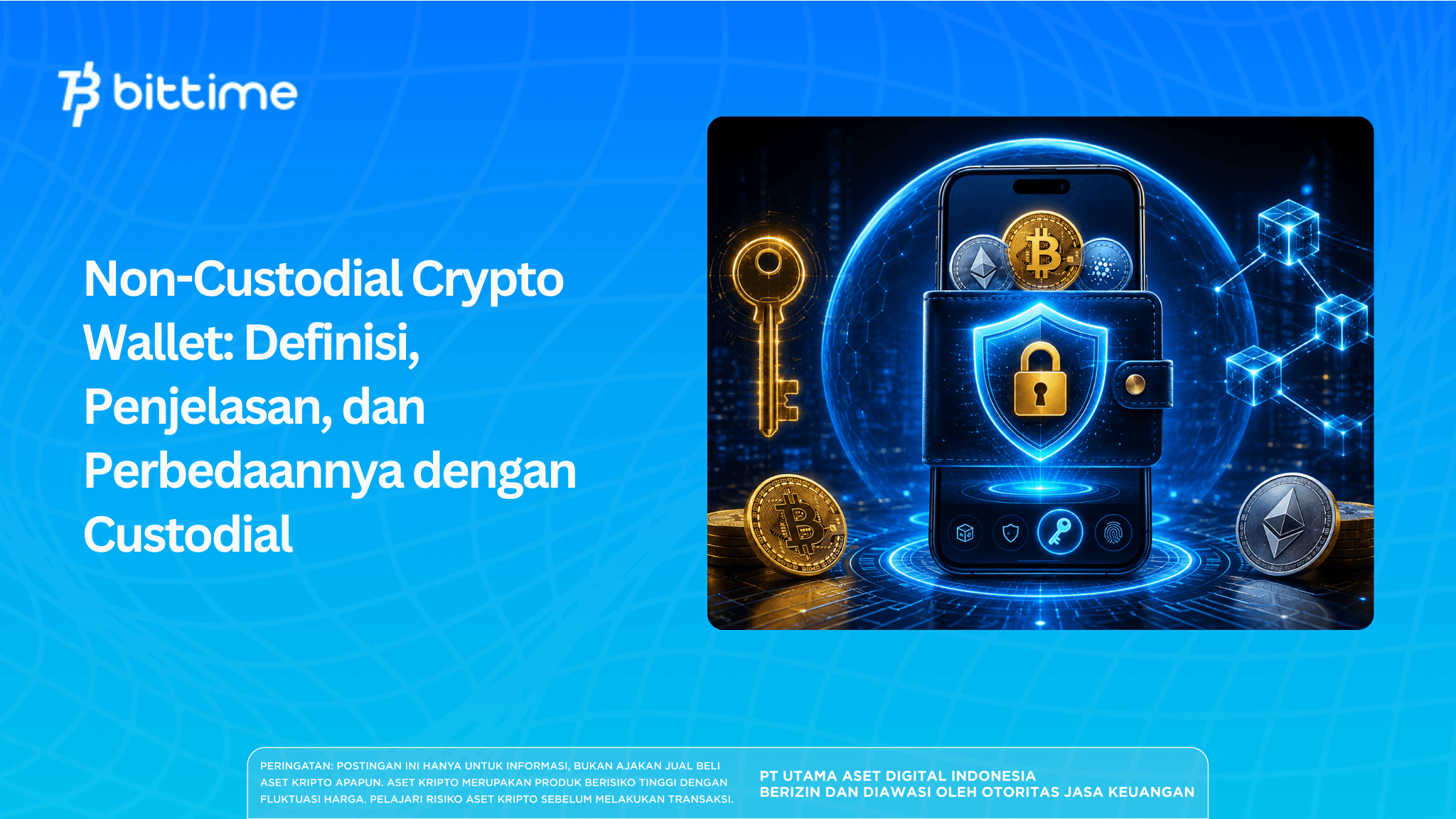
Non-custodial crypto wallet is a digital asset wallet that gives users full control over their private keys. Unlike wallets provided by centralized platforms, a non-custodial wallet provider does not store the master key used to access and authorize transactions.
This means users have greater freedom, but they are also fully responsible for the security of their assets.
Key Takeaways
- A non-custodial wallet gives users full control over their private keys and crypto assets.
- Losing the seed phrase may result in permanent loss of access to the wallet.
- The choice between a custodial and non-custodial wallet depends on the user’s needs, experience, and risk tolerance.
Definition of a Non-Custodial Crypto Wallet
The definition of a non-custodial wallet refers to a crypto wallet that does not entrust private key management to a third party. Users personally hold the credentials required to access their assets and sign blockchain transactions.
In practice, crypto assets are not actually stored inside the wallet application. The assets remain recorded on the blockchain. The wallet serves as a tool for managing private keys, viewing balances, receiving assets, and sending transactions.
A private key can be regarded as proof of ownership and authorization. Anyone with access to the private key or seed phrase could potentially control the assets in the wallet. Therefore, this information must never be shared with anyone.
Also read: Best Zcash Wallets for Storing ZEC with Maximum Privacy
How a Non-Custodial Crypto Wallet Works
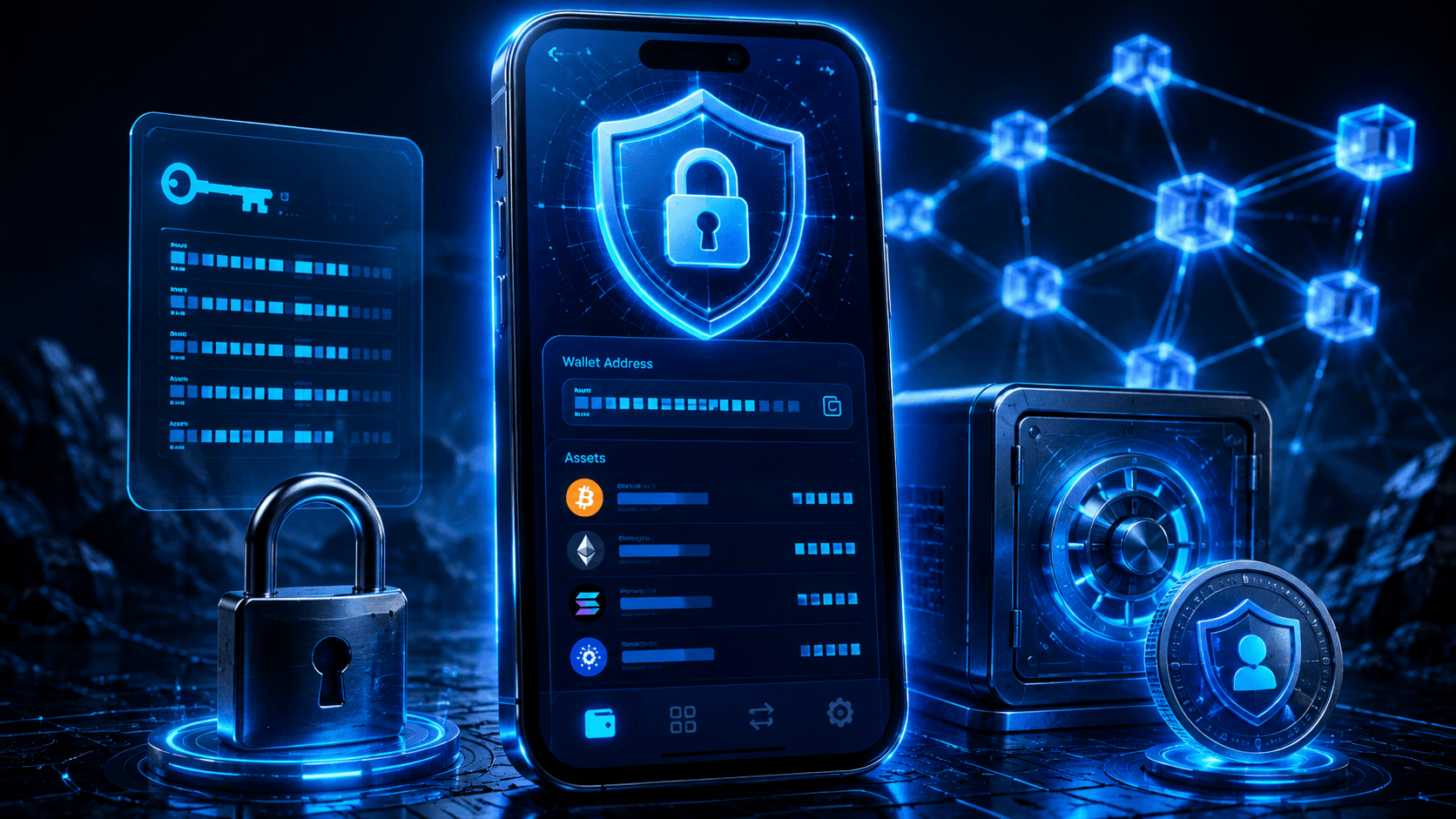
When a user creates a non-custodial wallet, the application typically generates a private key and a seed phrase. A seed phrase generally consists of a series of words that serves as a backup for restoring wallet access.
Source: AI-Generated Image
Transactions in a non-custodial wallet proceed through several stages:
- The user enters the destination address and the amount of assets.
- The wallet prepares the transaction details.
- The user authorizes the transaction using the private key.
- The transaction is broadcast to the blockchain network.
- Validators or miners process and record the transaction.
The private key does not need to be sent to the network. The wallet uses the key to generate a digital signature proving that the asset owner has authorized the transaction.
Because control remains with the user, the application provider generally cannot cancel transactions, recover a lost seed phrase, or restore assets sent to the wrong address.
To expand your knowledge before using various digital asset services, you can register with Bittime and follow the latest crypto news and educational content. Always learn about the risks of each product before transferring or storing assets.
Custodial vs. Non-Custodial Crypto Wallets
The primary difference between custodial and non-custodial crypto wallets lies in who holds the private key.
With a custodial wallet, the private key is managed by a company or platform. Users sign in using an account, password, and other authentication methods. This model is easier to use because the provider can assist with account recovery.
With a non-custodial wallet, users manage their own private keys. No third party can access the funds without the user’s approval, provided the seed phrase and private key remain secure.
Control Over Assets
A custodial wallet gives technical control to the service provider. Users have a claim to the balance in their account, but transactions still depend on the platform’s policies and systems.
A non-custodial wallet gives users direct control. Transactions can be made without waiting for company approval, provided the blockchain network is operational and the user has enough funds to pay transaction fees.
Access Recovery
With a custodial wallet, access can usually be recovered through email, identity verification, or customer support.
With a non-custodial wallet, recovery depends on the seed phrase. If the seed phrase is lost and the device can no longer be accessed, the assets may be permanently lost.
Ease of Use
Custodial wallets tend to be more beginner-friendly. Users do not need to understand private key management, network fees, or how to interact with smart contracts.
Non-custodial wallets offer greater flexibility, but they require a better understanding of security. A small mistake, such as connecting the wallet to a fake website, can result in losses.
Access to DeFi and Web3 Applications
Non-custodial wallets are commonly used to interact with decentralized exchanges, lending platforms, NFT marketplaces, blockchain games, and Web3.
Custodial wallets are more commonly used to buy, sell, and store assets through centralized platforms. The available Web3 features depend on the services offered by each provider.
Also read: What Is a Tether Wallet? A Complete Guide to Tether’s Official Crypto Wallet
Advantages of Non-Custodial Wallets
Non-custodial wallets offer several benefits for users who want to manage their assets independently.
- Users retain full control over their private keys.
- Assets are not entirely dependent on the operations of a single company.
- The wallet can be used to access DeFi and Web3 applications.
- Transactions can be carried out directly on the blockchain.
- Users do not always need to create an account using personal identity information.
- Many wallets support multiple networks and token types.
This model is suitable for users who understand security risks and want greater control over their digital assets.
Also read: 3 Best Factom Crypto Wallets in 2026
Disadvantages and Risks of Non-Custodial Wallets
Greater freedom also comes with greater responsibility. There is no support center that can recover assets if the private key is stolen or the seed phrase is lost.
Risks to consider include:
- Losing the seed phrase or private key
- Phishing through fake websites and applications
- Approving malicious smart contracts
- Malware that steals wallet data
- Sending assets to the wrong network
- Entering the wrong destination address
- Gas fees that fluctuate with network conditions
Users must also exercise caution when granting token approvals. A malicious smart contract may gain permission to transfer tokens from the wallet if the user approves a transaction without checking its details.
Also read: 7 Most User-Friendly USDT Wallets in Indonesia for 2026
How to Use a Non-Custodial Wallet Safely
The first step is to download the application only from an official website or app store. Check the developer’s name, website address, reviews, and download count before installing it.
After creating the wallet, write the seed phrase on a physical medium and store it in a secure location. Avoid saving it in screenshots, email, cloud storage, note-taking apps, or private messages.
Recommended security practices include:
- Never share your seed phrase with anyone.
- Check the website address before connecting your wallet.
- Use a hardware wallet for high-value funds.
- Enable device locking and additional authentication.
- Test transfers with a small amount.
- Keep your main wallet separate from the wallet used to try new applications.
- Review and revoke unnecessary token approvals.
Who Should Use a Non-Custodial Wallet?
A non-custodial wallet is suitable for users who want to store assets independently, use DeFi applications, buy NFTs, or interact directly with the blockchain.
Beginners can still use one, but they should start with a small amount. Learn how networks, wallet addresses, gas fees, seed phrases, and token approvals work before storing large amounts of funds.
A custodial wallet may be more practical for users who prioritize transaction convenience and account recovery support. Meanwhile, a non-custodial wallet is better suited to users who want greater control and Web3 access.
Also read: ZachXBT Calls All Hardware Wallets “Garbage,” Recommends a Dedicated iPhone Instead
Conclusion
A non-custodial crypto wallet is a wallet that gives users complete control over their private keys. This model offers freedom, privacy, and broad access to the Web3 ecosystem, but it does not provide recovery mechanisms like those offered by centralized services.
The main differences between custodial and non-custodial wallets concern private key ownership, recovery procedures, ease of use, and security responsibility. Custodial wallets are more practical, while non-custodial wallets provide greater control.
Before choosing a wallet, consider your intended use, technical ability, asset value, and readiness to protect the seed phrase. Choose a reputable service, start with a small amount, and always prioritize security.
Let’s start trading crypto safely with the largest assets, such as BTC/IDR and ETH/IDR, right in the Bittime app.
Bittime is a licensed Digital Financial Asset Trader (PAKD) platform regulated and supervised by the Financial Services Authority (OJK)— where you can buy Bitcoin in Indonesia and hundreds of other crypto assets starting from IDR 10,000. Registration is fast and secure, and you can get started today.
Track USDT to IDR conversions and the real-time price movements of your favorite crypto assets. Everything is available in one crypto investment app that can be downloaded for free from the Play Store.
Ready to get started? Register with Bittime now and execute your investment strategy on a platform trusted by millions of users in Indonesia.
FAQ
What Is a Non-Custodial Crypto Wallet?
A non-custodial crypto wallet allows users to hold and manage their own private keys. The wallet provider has no direct control over the user’s assets.
Is a Non-Custodial Wallet Safer?
A non-custodial wallet can reduce reliance on centralized platforms. However, its security depends heavily on the user’s ability to protect the seed phrase, device, and smart contract permissions.
What Is the Main Difference Between Custodial and Non-Custodial Wallets?
In a custodial wallet, the private key is managed by the service provider. In a non-custodial wallet, the private key and full responsibility for security remain with the user.
What Happens If the Seed Phrase Is Lost?
If the device is inaccessible and the seed phrase is lost, the wallet generally cannot be recovered. Non-custodial wallet providers typically cannot restore the user’s access.
Is a Non-Custodial Wallet Suitable for Beginners?
Yes, provided users learn basic security practices and start with a small amount. Beginners should understand seed phrases, gas fees, network addresses, and phishing risks before making transactions.
Disclaimer: The views expressed belong exclusively to the author and do not reflect the views of this platform. This platform and its affiliates disclaim any responsibility for the accuracy or suitability of the information provided. It is for informational purposes only and not intended as financial or investment advice.

.png)