Futures Liquidation Conditions: When Can a Trader's Position Be Liquidated?
2026-08-10
Futures liquidation occurs when a trader's margin is no longer sufficient to meet the maintenance margin required to keep a leverage position open. Once this threshold is reached, the system may take over and automatically close part or all of the position to limit further losses.
Key Takeaways
- Liquidation occurs when the margin no longer meets the required maintenance margin.
- High leverage brings the liquidation price closer to the entry price.
- Stop-losses, conservative leverage, and position sizing can help reduce liquidation risk.
What Is Futures Liquidation?
Futures liquidation is the forced closure of a leveraged position by the system when the capital supporting the position no longer meets the minimum requirements.
In futures, traders provide only a portion of the position's value as margin. Because leverage is used, both profits and losses are calculated based on a position value that is larger than the initial capital.
When the price moves far enough against the position, unrealized losses reduce the margin balance. If the margin falls to the maintenance margin threshold, the liquidation process may begin.
Also read: Perpetual Futures vs. Quarterly Futures: What's the Difference?
When Are Futures Positions Liquidated?
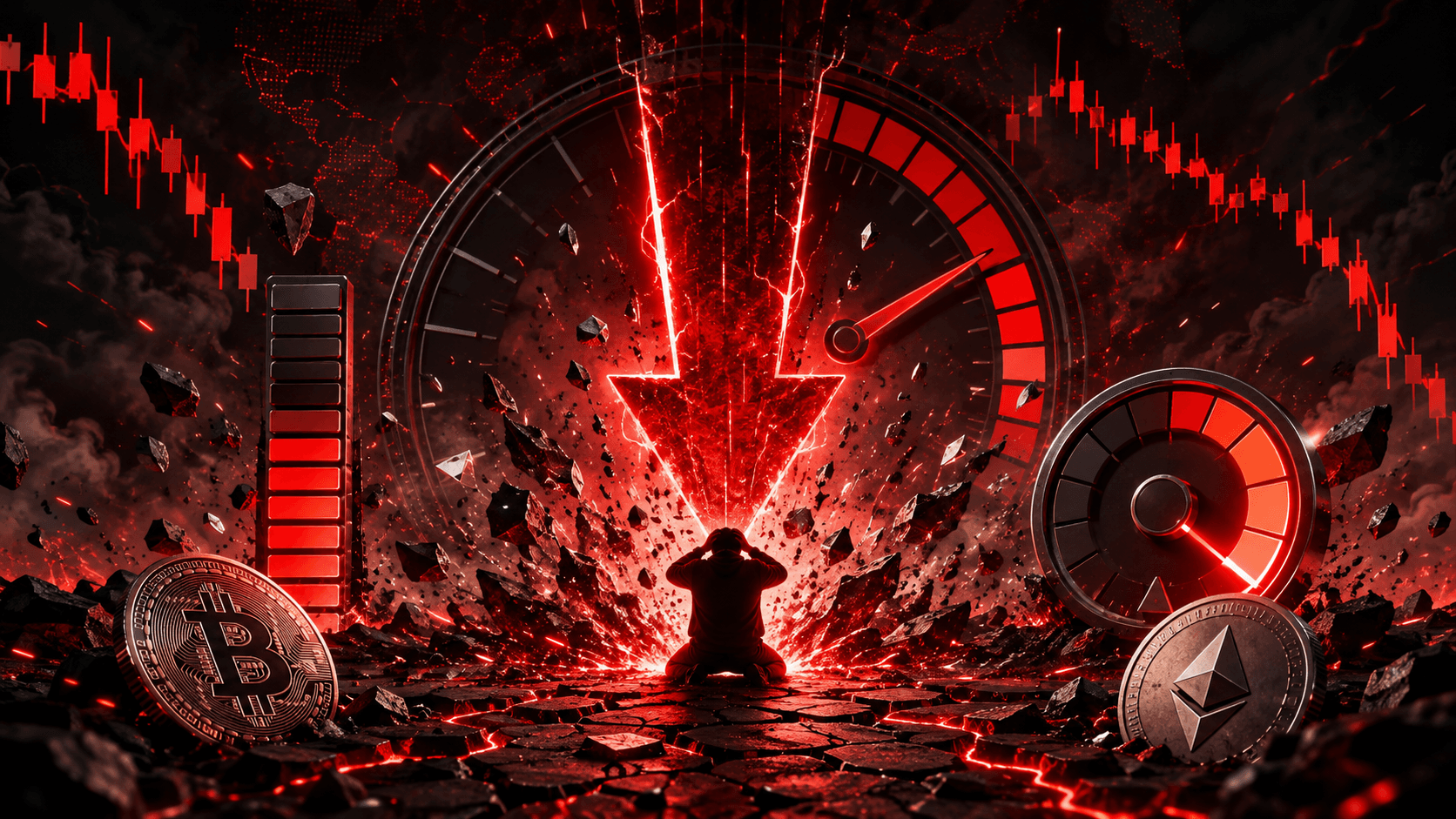
In the simplest case, liquidation occurs when the mark price reaches the liquidation price and the margin requirements are no longer met. Some platforms use the mark price as a reference for determining liquidation risk rather than relying solely on the last traded price.
Source: AI-Generated Image
For example, a trader opens a long Bitcoin position. If the price falls closer to the liquidation price, unrealized losses continue to increase. When the available capital can no longer cover the maintenance margin, the system may liquidate the position.
For a short position, the mechanism works in reverse. Liquidation risk increases when the asset price rises sharply.
The exact mechanism may differ by platform, contract type, and margin mode.
Also read: Futures Open Interest: How to Read Market Trends and Sentiment
What Determines the Futures Liquidation Price?
The futures liquidation price is not determined by a single factor. The main components include:
- entry price;
- leverage;
- position size;
- available margin;
- maintenance margin;
- isolated or cross margin mode;
- position- and liquidation-related fees.
The higher the leverage, the less initial margin supports the position. As a result, a relatively small price movement can push the position toward the liquidation price more quickly.
Also read: Margin Call in Crypto Futures? Do This to Avoid Liquidation
Isolated vs. Cross Margin During Liquidation
With isolated margin, risk is limited to the margin allocated to a specific position. Liquidation may be triggered when the equity of that position reaches the maintenance margin requirement.
With cross margin, the margin balance is shared to support multiple positions. This means losses on one position can affect the funds available for other positions. The trigger mechanism for cross-margin liquidation may use an account risk ratio, so it is not always identical to isolated margin.
Futures Liquidation Causes to Watch Out For
The most common cause is excessive leverage. Traders can open large positions with relatively little capital, but the tolerance for adverse price movements becomes much narrower.
Other risks arise when a position is too large relative to the available capital, when no stop-loss is used, or when a trader continues to hold a position that keeps losing value.
Highly volatile markets can also trigger a liquidation cascade. This occurs when automatic liquidations push prices to move more sharply, triggering a chain reaction of liquidations across other traders' positions.
Also read: Long vs. Short Crypto Futures Strategies: When Should You Buy and Sell?
How to Reduce Futures Liquidation Risk
Traders can reduce risk by using leverage conservatively, choosing a position size that matches their capital, keeping margin at a healthy level, and setting a stop-loss before the liquidation price is reached.
Do not treat the liquidation price as a stop-loss. Once a position reaches the liquidation level, control over the closing process may shift to the system.
If you follow the crypto market, you can also register on Bittime and check the latest crypto news to monitor volatility and market developments before making trading decisions.
Conclusion
Futures liquidation occurs when the margin can no longer meet the maintenance margin requirement. Leverage, position size, margin mode, and price movements determine how close a trader is to the liquidation price.
Because leverage can amplify losses quickly, the main focus should not only be on seeking profits, but also on keeping position risk under control. Use leverage prudently and understand the platform's mechanisms before trading futures.

Bittime is a licensed Digital Financial Asset Trader (PAKD) platform regulated and supervised by Indonesia's Financial Services Authority (OJK) — where you can buy Bitcoin in Indonesia and hundreds of other crypto assets starting from Rp10,000. The registration process is fast and secure, and you can get started today.
Track the USDT to IDR conversion and the real-time price movements of your favorite crypto assets. Everything is available in one crypto investment app that can be downloaded for free from the Play Store.
Ready to get started? Register on Bittime now and execute your investment strategy on a platform trusted by millions of users in Indonesia.
FAQ
What Is Futures Liquidation?
Futures liquidation is the process of forcibly closing a position when the margin no longer meets the minimum requirements needed to keep the position open. The process is carried out automatically by the system.
When Is a Futures Position Liquidated?
A position may enter liquidation when the maintenance margin requirement is no longer met. In some isolated margin mechanisms, the mark price reaching the liquidation price may trigger the process.
What Is the Futures Liquidation Price?
The liquidation price is the estimated price level at which a position begins to meet the conditions for liquidation. It is affected by leverage, margin, maintenance margin, and position size.
Does High Leverage Increase Liquidation Risk?
Yes. Higher leverage generally narrows the distance between the entry price and the liquidation price, making the position more sensitive to volatility.
How Can You Avoid Futures Liquidation?
Use conservative leverage, adjust your position size, monitor your margin, and place a stop-loss before the price reaches the liquidation zone. These strategies reduce risk but do not eliminate it entirely.
Disclaimer: The views expressed belong exclusively to the author and do not reflect the views of this platform. This platform and its affiliates disclaim any responsibility for the accuracy or suitability of the information provided. It is for informational purposes only and not intended as financial or investment advice.

.png)