Kalshi and Polymarket Under CFTC Spotlight: Will Risky Trading Incentives Be Tightened?
2026-08-13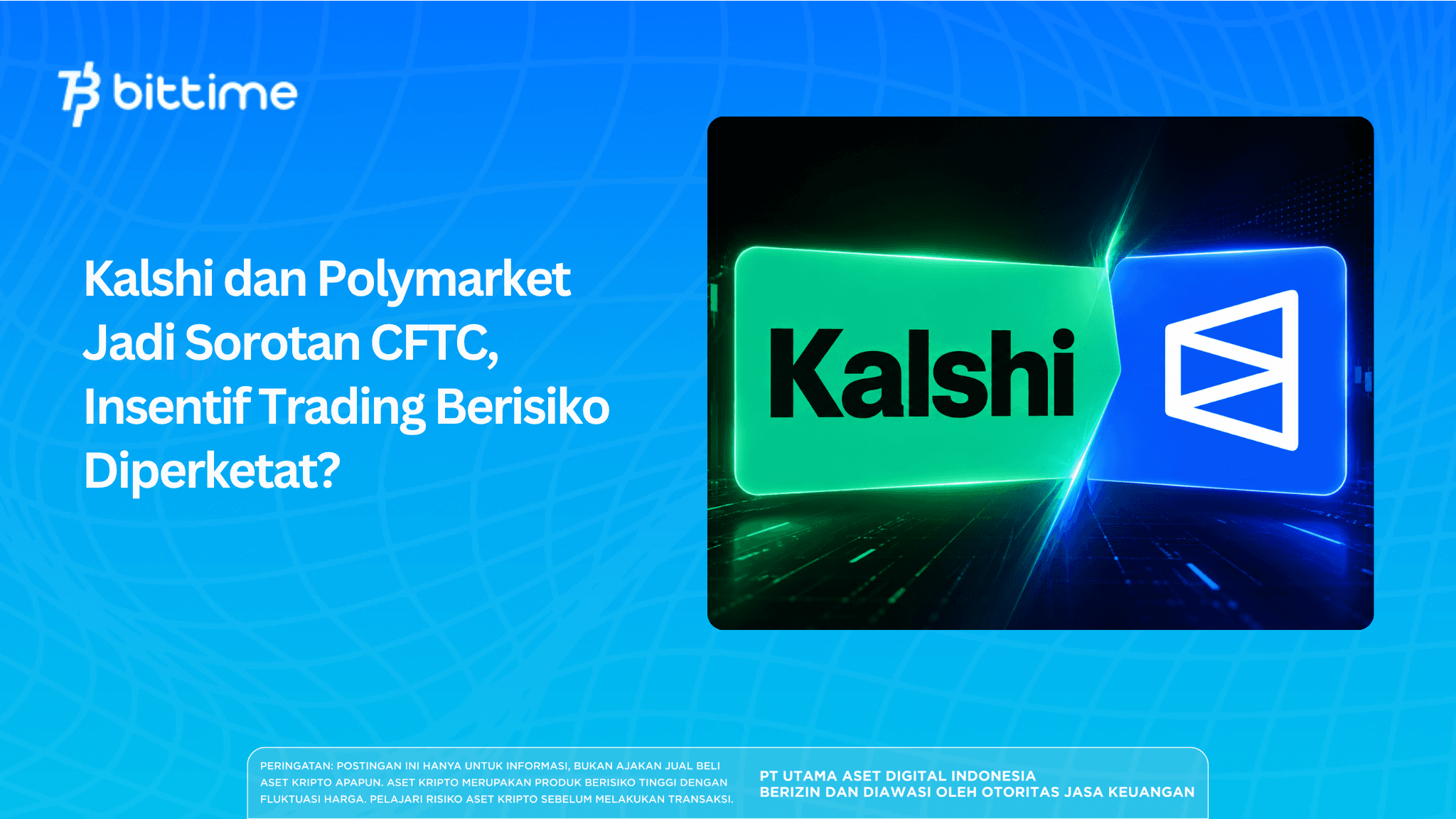
Kalshi and Polymarket are back in the spotlight after the CFTC issued an advisory on incentive programs in prediction markets.
The U.S. regulator warned that certain programs designed to boost volume, liquidity, and market-maker activity may raise compliance issues if they are inadequately designed or reported. However, this move does not mean the CFTC has imposed a blanket ban on trading incentives.
Key Takeaways
- The CFTC warned of an increase in incentive-program filings with procedural or substantive deficiencies.
- Volume-based incentives can increase the risk of wash trading, pre-arranged trading, and market manipulation.
- Kalshi and Polymarket US are Designated Contract Markets under CFTC oversight.
Why Are Kalshi and Polymarket Under CFTC Scrutiny?
On August 12, 2026, CFTC reminded Designated Contract Markets, or DCMs, of their obligations when submitting market-maker, liquidity, trading, and other incentive programs.
The regulator identified an increase in filings under Regulation 40.6(a) that were considered procedurally or substantively deficient. These shortcomings can make it difficult for regulators to determine whether program terms have been adequately disclosed and comply with market-integrity requirements.
This issue is relevant to the regulation of both Kalshi and Polymarket. Kalshi has held DCM status since November 2020, while QCX, which operates as Polymarket US, obtained DCM status in July 2025. As a result, both must comply with the federal oversight framework applicable to registered derivatives exchanges.
Also read: Coinsbuy Hacked: US$7.9 Million in Ethereum and Tron Assets Stolen
What Is the Problem With Prediction-Market Trading Incentives?
Reward programs are generally used to increase participation and liquidity. Problems arise when rewards encourage traders to make transactions solely to meet volume targets.
The CFTC believes structures like these can increase the risk of wash trading, pre-arranged transactions, and manipulative or disruptive trading practices. Market-maker programs can also raise concerns when they use stipends or rebates that effectively guarantee net profits or cover participants’ losses.
Polymarket US itself previously filed a Daily Trading Incentive Program designed to increase participation, repeat engagement, and liquidity through trading activity categorized as bona fide.
To follow developments in prediction-market regulation, crypto, and U.S. digital-asset policy, you can register with Bittime and check the latest news so you do not miss regulatory changes that could affect the market.
Will CFTC Rules for Prediction Markets Be Tightened?
For now, the advisory is better understood as a reaffirmation of compliance standards rather than a new ban on incentive programs. The CFTC is asking operators to provide sufficient information so programs can be evaluated under Regulations 40.5 and 40.6.
Even so, the U.S. regulatory framework for prediction markets is evolving. In June 2026, the CFTC proposed changes concerning certain types of event contracts and the process for determining whether a contract is contrary to the public interest.
This means the growth of prediction markets will likely be accompanied by more detailed oversight of product structures, trading mechanisms, reporting, and programs designed to increase volume.
Also read: What Is TTWO Tokenized Stock? Take-Two Interactive Shares
Kalshi vs. Polymarket: What Does It Mean for Users?
For users, the most important change may not be the disappearance of prediction markets, but rather how platforms design rewards and liquidity programs. Overly aggressive programs may need to be revised so they do not encourage artificial transactions or manipulative behavior.
Clearer oversight could also be positive for the industry. Consistent compliance standards can help the volumes and probabilities displayed by prediction markets better reflect genuine market activity.
Also read: Ondo Finance Conflict Escalates as Founder Nathan Allman’s Mother Sues CEO
Conclusion
The scrutiny of Kalshi and Polymarket does not mean the CFTC is shutting down prediction markets or banning every form of incentive.
The regulator’s current focus is ensuring that programs designed to increase volume and liquidity do not create opportunities for wash trading, manipulation, or misleading activity.
Going forward, prediction-market operators will likely need to be more disciplined in designing and reporting incentive programs. For users, these regulatory developments are important to monitor because they may shape how U.S. prediction markets evolve.

Let’s start trading crypto with the largest assets, such as BTC/IDR and ETH/IDR, right in the Bittime app.
Bittime is a licensed Digital Financial Asset Trader (PAKD) platform regulated and supervised by the Financial Services Authority (OJK) — where you can buy Bitcoin in Indonesia and hundreds of other crypto assets starting from IDR 10,000. Registration is fast and secure, and you can get started today.
Track the conversion of USDT to IDR and the price movements of your favorite crypto assets in real time. Everything is available in one crypto investment app that can be downloaded for free from the Play Store.
Ready to get started? Register with Bittime now and execute your investment strategy on a platform trusted by millions of users in Indonesia.
FAQ
What Is Kalshi?
Kalshi is a prediction market that operates as a Designated Contract Market under CFTC oversight. It was granted DCM status in 2020.
Is Polymarket Regulated by the CFTC?
Polymarket US operates through QCX LLC, which has been registered as a DCM since July 2025.
Does the CFTC Ban Trading Incentives?
No. The latest advisory focuses on filing standards and compliance requirements for incentive programs, not a blanket ban.
Why Are Volume Incentives Considered Risky?
Volume-based rewards can encourage transactions made solely to reach targets, increasing the risk of wash trading or manipulation.
Will U.S. Prediction-Market Rules Change?
The regulatory framework will likely continue to evolve. The CFTC proposed new regulations related to event contracts in June 2026.
Disclaimer: The views expressed belong exclusively to the author and do not reflect the views of this platform. This platform and its affiliates disclaim any responsibility for the accuracy or suitability of the information provided. It is for informational purposes only and not intended as financial or investment advice.

.png)