Crypto Cards Are Booming: A Sign That Crypto Is Becoming More Widely Used for Shopping?
2026-06-10
The use of crypto assets is no longer limited to trading and investing. In recent years, various payment companies and card issuers have begun connecting stablecoins to global payment networks such as Visa and Mastercard.
As a result, users can now make crypto payments at millions of merchants without needing to understand the technical details of blockchain.
Recent data shows that this trend is getting stronger. In May 2026, crypto card volume exceeded US$747 million per month, with growth of 48.6% since the beginning of the year.
This figure is far higher than the growth in stablecoin supply, which was only around 3.2% in the same period. This raises an important question: are cryptocurrencies really starting to be used as everyday payment tools?
Key Takeaways
- Crypto card transaction volume reached more than US$747 million in May 2026 and grew 48.6% year-to-date.
- Crypto card usage is growing much faster than stablecoin supply, showing stronger real payment activity.
- Solana and BNB Chain are the main networks for crypto card transactions, while Ethereum still dominates as the main holder of stablecoin liquidity.
Sign up on Bittime now and start crypto trading quickly, safely, and easily in the app.
Crypto Card Volume Grows Faster Than Stablecoin Supply
One of the most interesting findings from the latest data is the difference between stablecoin growth and card transaction growth.
Throughout 2026, total stablecoin supply rose from around US$311 billion to US$321 billion, or only about 3.2%. Yet in the same period, crypto card transaction volume jumped 48.6%.
This difference shows that stablecoins are no longer used only as parking assets or collateral in the DeFi ecosystem. Instead, stablecoins are increasingly used for real transactions through payment cards.
In other words, the value flowing through the payment system is growing much faster than the amount of stablecoins in circulation. This phenomenon reflects the increasing utility of digital assets as everyday transaction tools.
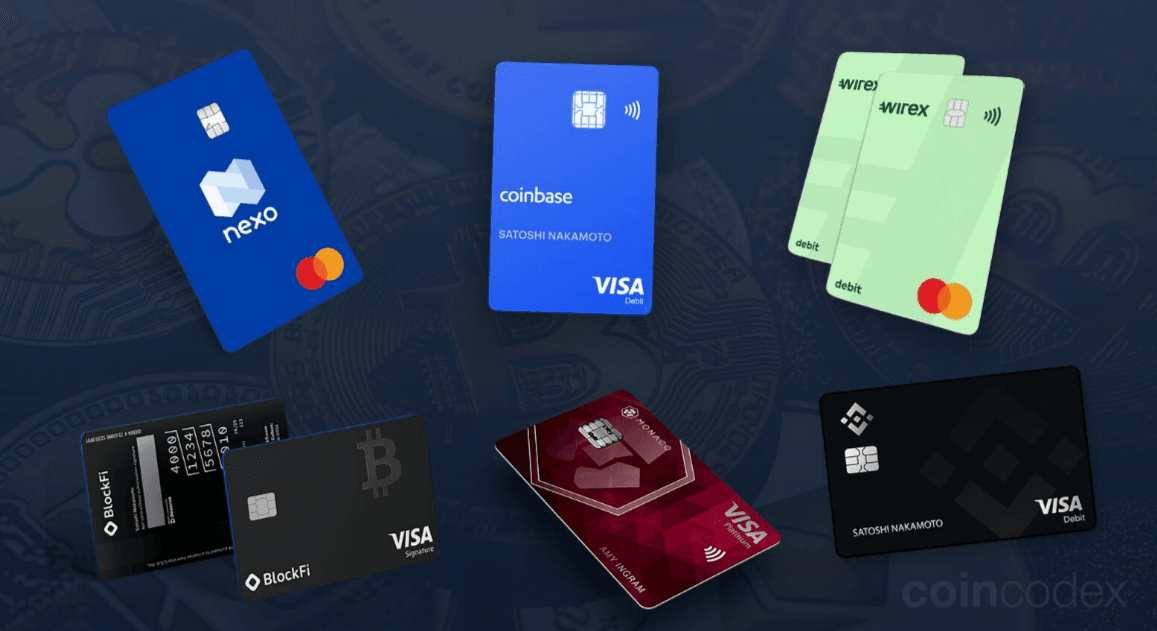
Read Also: Record! Visa Takes 90% of On-Chain Card Payments, Crypto Spending Surges
Why Is Crypto Card Becoming More Popular?
The growth in crypto card adoption is driven by several key factors.
First, the user experience has become much simpler. Stablecoin holders do not need to send assets directly to merchants.
When making a payment, the system automatically converts the crypto balance into the currency accepted by the merchant.
Second, more card issuers are focusing on emerging markets. Regions such as Southeast Asia, Latin America, and Africa have high crypto adoption because of the need for more efficient cross-border payment alternatives.
Third, blockchain transaction fees are getting lower, especially on networks like Solana and BNB Chain. This makes microtransactions and everyday payments more practical than a few years ago.
This development shows that crypto card usage is beginning to shift from a niche product into a payment tool with real utility.
Want to trade popular stablecoins like Tether (USDT)? Check the latest price and market data only on Bittime.
Solana and BNB Chain Lead in Crypto Payments
Interestingly, the distribution of crypto card payments does not follow the distribution of stablecoin supply.
Ethereum currently holds around 53% of total global stablecoin supply. However, that network contributes only about 12% of crypto card settlement volume.
By contrast, BNB Chain has only about 5% of stablecoin supply but handles around 14% of card payment volume. Solana also shows a similar pattern, with around 5% of stablecoin supply but contributing about 12% of transaction volume.
This data indicates that the blockchain networks best suited for payment activity are not the ones with the largest liquidity, but rather the ones that offer high speed, low fees, and a better user experience.
Ethereum remains the center of institutional liquidity and DeFi activity, but for everyday transactions, users tend to choose more efficient blockchains.
Read Also: Best Crypto Card: An Easy Way to Shop with Crypto Assets
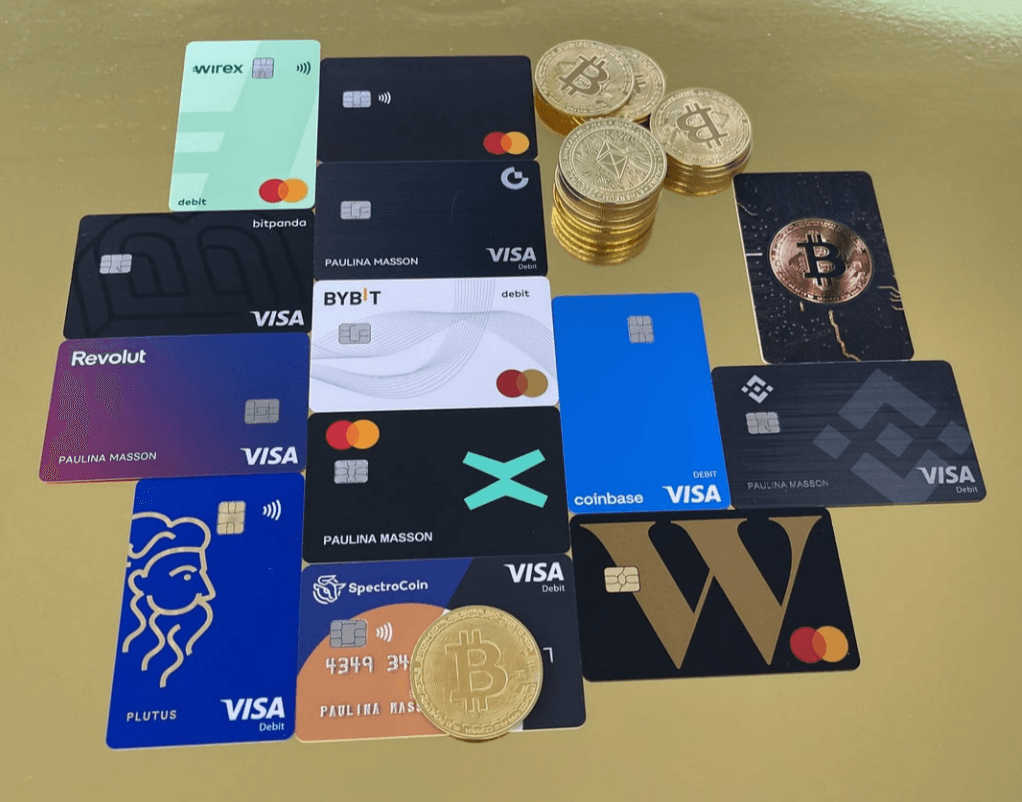
Visa Still Dominates the Crypto Card Market
In the global payment network competition, Visa remains the clear leader.
Around 97% of crypto card payment volume is currently processed through the Visa network, while Mastercard controls only about 3%.
That dominance mainly comes from Visa’s early integration with various crypto-based card issuers.
Partnerships with companies such as Rain, Reap, and various digital payment service providers have allowed Visa to build an ecosystem faster than its competitors.
On the issuer side, RedotPay is the dominant player. The company contributes about 59% of total monthly crypto card volume, even surpassing the combined volume of the next ten largest issuers.
Most transactions currently come from debit and prepaid cards. Meanwhile, crypto-based credit cards are still a relatively small segment. Yet if credit models start to grow, the industry’s growth potential could increase even further.
Just starting crypto investing? Bitcoin (BTC) and Ethereum (ETH) could be popular starting points to watch and trade on Bittime.
Is This a Sign That Crypto Is Increasingly Used for Shopping?
The latest data gives a fairly strong indication that the answer is yes.
For years, most crypto activity has been dominated by trading, investing, staking, and price speculation. However, payment volume growth shows a change in user behavior.
More and more people are choosing to use stablecoins to buy goods and services through payment infrastructure they already know. They do not need to learn complicated blockchain wallets or ask merchants to accept crypto directly.
In addition, the emergence of payment ecosystems from Solana, Optimism, and various other crypto payment platforms is further accelerating adoption.
Although crypto card transaction value is still small compared with the global payments industry, which reaches trillions of dollars per year, its growth rate shows that the market is entering a new phase.
The focus is no longer only on investing, but also on practical use in daily life.
Read Also: Visa Focuses on Stablecoin Integration into Payment Systems: A 2026 Trend?
Crypto Card Outlook Ahead
Going forward, crypto payments are likely to keep growing as stablecoins, blockchains, and traditional payment networks become more integrated.
If the current trend continues, crypto card transaction volume could grow faster than stablecoin supply itself. This means the efficiency of digital asset usage is increasing.
In addition, the development of layer-2 solutions, lower transaction fees, and clearer regulations could open the door to wider crypto card usage.
In the end, crypto cards may become one of the most important bridges between traditional finance and blockchain-based digital economies.
Interested in starting crypto investing? Learn how to buy Bitcoin (BTC) or Ethereum (ETH), two popular coins for beginners!
Conclusion
The growth of crypto card volume, which has reached more than US$747 million per month, shows that digital assets are increasingly being used for more practical purposes.
Transaction growth that far outpaces stablecoin supply growth indicates rising real payment activity, not just asset accumulation.
The dominance of networks such as Solana and BNB Chain in payment settlement also shows that efficiency and low fees are key factors in adoption.
As more users use crypto cards for daily transactions, the industry seems to be moving from speculation toward real-world use as a payment tool.

With the rapid rise of crypto card usage, crypto adoption could grow even faster. Follow the trend with Bittime!
Bittime is a licensed Digital Financial Asset Trader (PAKD) platform supervised by the Financial Services Authority — a place where you can buy Bitcoin in Indonesia and hundreds of other crypto assets starting from Rp10,000. The registration process is fast, safe, and can be started today.
Track conversions USDT to IDR and the real-time price movements of your favorite crypto assets. Everything is available in one crypto investment app that can be downloaded for free on the Play Store.
Ready to start? Sign up now on Bittime and execute your investment strategy with a platform trusted by millions of users in Indonesia.
FAQ
What is a crypto card?
A crypto card is a payment card linked to a user’s crypto asset or stablecoin balance and can be used to make transactions at merchants that accept networks such as Visa or Mastercard.
Why did crypto card volume increase in 2026?
The increase in volume was driven by wider stablecoin adoption, lower blockchain transaction fees, and the ease of using crypto cards for everyday payments.
Which blockchain is most used for crypto card payments?
BNB Chain and Solana are the most active networks in crypto card payment settlement because of low fees and high transaction speeds.
Are crypto payments already used for everyday shopping?
Yes. Data shows crypto card usage continues to rise, indicating that stablecoins are increasingly being used to buy goods and services, not just for trading or investing.
Is crypto card more popular than direct crypto transfers?
At present, crypto card is one of the largest adoption channels because it offers an experience similar to traditional payment cards without requiring merchants to accept crypto directly.
Disclaimer: The views expressed belong exclusively to the author and do not reflect the views of this platform. This platform and its affiliates disclaim any responsibility for the accuracy or suitability of the information provided. It is for informational purposes only and not intended as financial or investment advice.

.png)