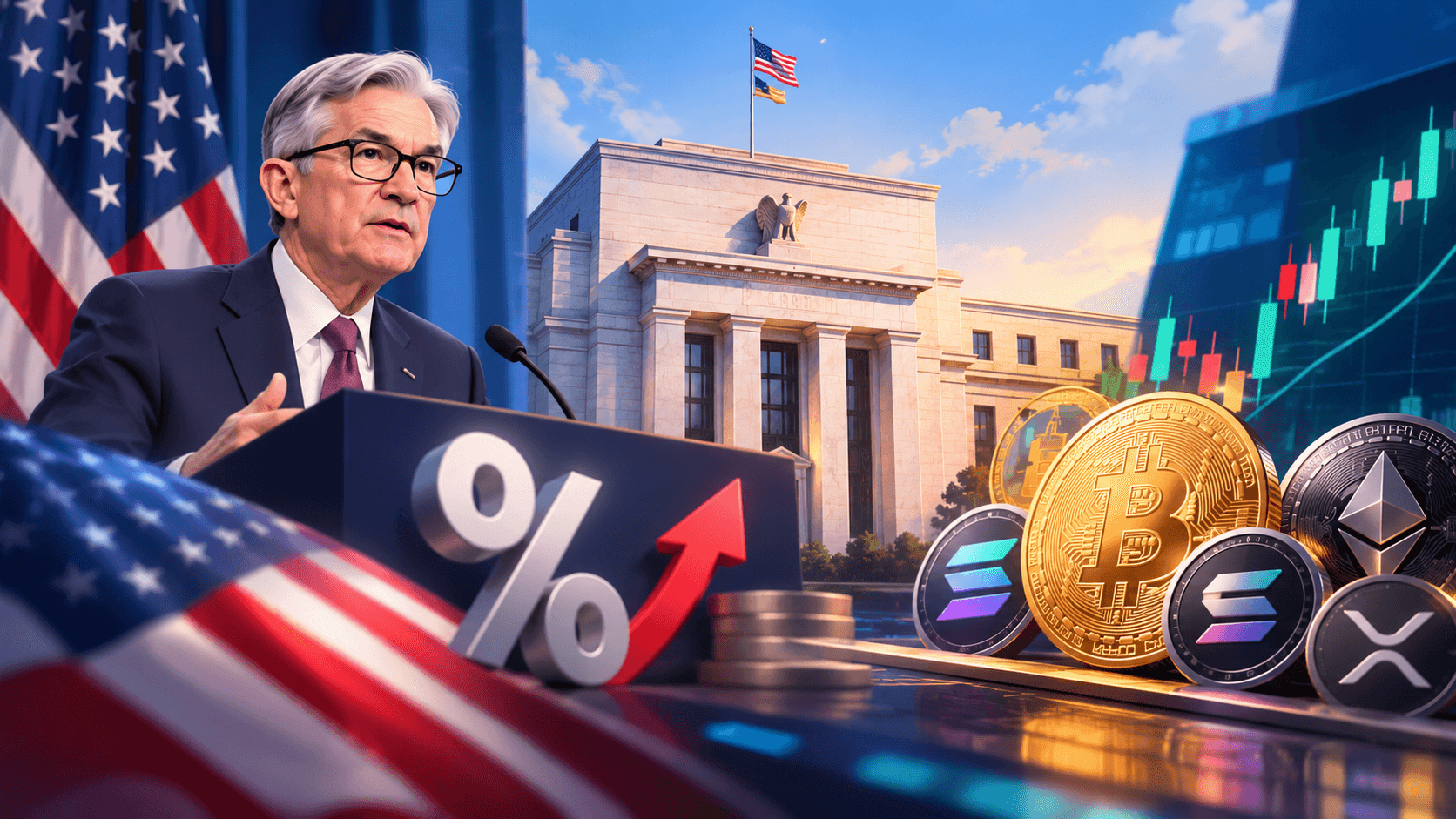
CLARITY Act Stalled in the U.S. Senate; Bittime Highlights Opportunities Amid Global Digital Asset Regulatory Developments
2026-09-16
Jakarta, September 16, 2026 – Bittime, a Digital Financial Asset Trader (PAKD) offering a 3-in-1 ecosystem of Spot, Staking, and Futures on a platform registered with and supervised by the Financial Services Authority (OJK), highlights the latest developments in crypto market trading activity and opportunities for investors after the Digital Asset Market CLARITY Act failed to secure sufficient support to advance its consideration in the United States Senate.
Bittime is also monitoring developments surrounding the CLARITY Act as part of the evolving digital asset regulatory landscape in the United States. According to reporting from Reuters, the U.S. Senate on September 15, 2026, U.S. time, failed to advance the CLARITY Act after a procedural vote resulted in 50 votes to 49.
The result was below the three-fifths threshold required to advance the bill's consideration. The official record from the U.S. Senate noted that the cloture on the motion to proceed on H.R. 3633 was rejected.
The vote was a procedural step and not a final rejection of the bill as a whole. Reuters also reported that Senator Thom Tillis changed his vote to “no” in the vote, meaning the bill may still be reconsidered through a subsequent process.
The CLARITY Act itself is designed to establish a federal regulatory framework for digital assets, including defining the division of authority between the Securities and Exchange Commission (SEC) and the Commodity Futures Trading Commission (CFTC).
Bittime: Regulation Is an Important Part of Industry Development
Bittime Operations Director Ryan Lymn said that developments surrounding the CLARITY Act show that the process of establishing a regulatory framework for digital assets is still evolving dynamically.
“The developments surrounding the CLARITY Act show that establishing a regulatory framework for digital assets requires a process and discussions that are fairly complex. Although the latest procedural vote did not allow the bill to advance, discussions regarding market structure and the division of regulatory authority remain an important part of the development of the digital asset industry,” Ryan said.
Before the vote, several changes were made to the CLARITY Act draft. Based on the official release from Senator Cynthia Lummis on September 14, 2026, the latest version of the bill includes 126 substantive changes resulting from bipartisan discussions.
The changes include provisions concerning stablecoins, ethics, the role of state attorneys general in enforcement, as well as updates to the Blockchain Regulatory Certainty Act.
Bitcoin and Ethereum Weaken Amid CLARITY Act Developments
The regulatory developments occurred amid pressure in the crypto market. Based on data from CoinMarketCap, on the morning of September 16, 2026, Bitcoin was trading around US$75,513, down 3.07% over 24 hours and 4.10% over seven days.
Meanwhile, Ethereum was trading around US$2,400, down 4.58% over 24 hours and 3.65% over seven days.
Crypto asset price movements cannot be attributed solely to developments surrounding the CLARITY Act because the market is influenced by various factors. In a Reuters report on market reactions following the Senate vote, Bitcoin and several crypto-related stocks were reported to come under pressure following the vote.
Ryan added that regulatory developments should be viewed as one part of broader market dynamics.
“Regulation is not the only factor determining the movement of crypto asset prices. Therefore, understanding market conditions, asset characteristics, and the risks associated with each product remains an important part of participating in the market,” he explained.
Derivatives Trading Becomes Part of Global Crypto Market Dynamics
Developments in the global crypto market are reflected not only in spot trading but also in derivatives market activity, where market participants can take long or short positions based on expectations of price movements.
As various instruments in the digital asset market continue to develop, Bittime provides Bittime Futures, giving users access to crypto asset futures contracts trading.
Unlike spot trading, which involves directly buying or selling an asset, futures allow users to take positions based on an asset's price movements through contracts.
Users can take either long or short positions, while the use of leverage can increase exposure as well as amplify potential losses.
Therefore, using futures requires an understanding of contract mechanisms, leverage, margin, volatility, and the risks associated with derivatives trading.
Bittime Futures is part of the Bittime digital asset trading ecosystem, and its use should be aligned with each user's understanding and risk tolerance.
Disclaimer: The views expressed belong exclusively to the author and do not reflect the views of this platform. This platform and its affiliates disclaim any responsibility for the accuracy or suitability of the information provided. It is for informational purposes only and not intended as financial or investment advice.

.png)