Bittime Highlights the Impact of the FOMC’s Decision on the Crypto Market
2026-09-16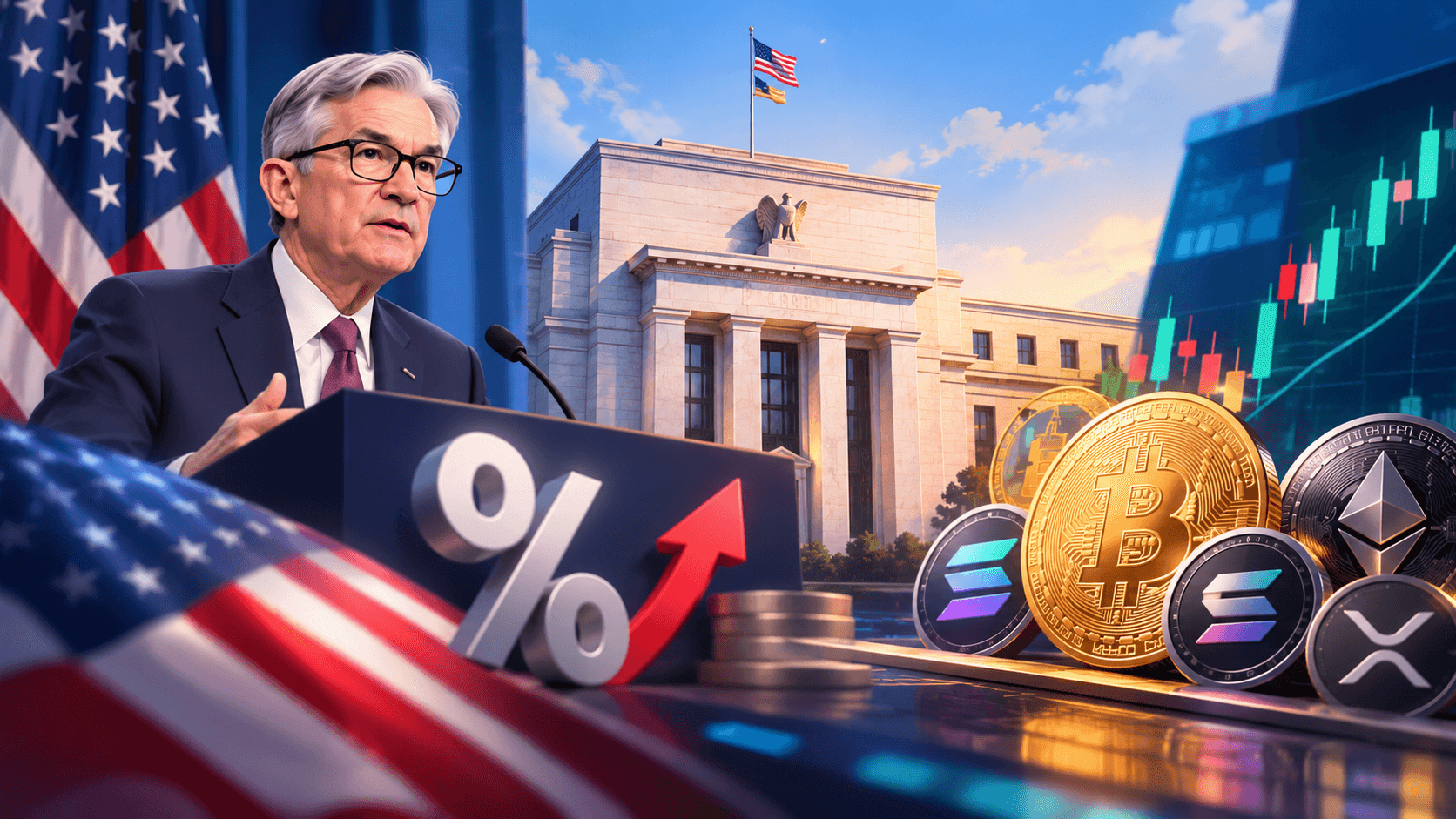
Jakarta, September 15, 2026 – The Digital Financial Asset Trader (PAKD), registered with and supervised by the Financial Services Authority (OJK), assesses that the FOMC decision can affect the movement of crypto assets such as Bitcoin and Ethereum through changes in interest rates, monetary policy expectations, liquidity, and market sentiment.
However, the impact does not necessarily mean crypto prices will rise or fall directly. The market response also depends on whether the Federal Reserve's decision is in line with expectations, as well as how market participants assess the direction of monetary policy going forward.
Based on the official Federal Reserve schedule, the FOMC is holding its meeting on September 15–16, 2026, U.S. time. In addition to the interest rate decision, the market will also monitor the Federal Reserve's statement and economic projections to assess the direction of future policy.
Why Can the FOMC Affect Crypto Assets?
The FOMC's influence on crypto assets does not only come from interest rate decisions, but also from changes in market expectations. Economic data such as inflation is one of the indicators being monitored because it can alter expectations about the Federal Reserve's policy direction.
This was evident in June 2026. According to a CoinDesk report in July 2026, lower-than-expected U.S. inflation data caused the probability of a Federal Reserve rate hike to fall from 43% to 13%.
At the same time, Bitcoin rose around 3.6% to approximately US$64,800, while Ether gained around 5.3%.
Ahead of the September FOMC meeting, market attention has once again turned to inflation developments. Reuters reported that U.S. CPI in August rose 0.4% month over month and 3.4% year over year. This development increased expectations of an interest rate hike at the September meeting.
“The FOMC is one of the key macroeconomic factors to monitor because the Federal Reserve's decisions and communication can influence market expectations. However, its impact on crypto assets still needs to be considered alongside other economic factors and market conditions,” said Bittime Operations Director Ryan Lymn.
Bitcoin and Ethereum Do Not Always Respond the Same Way
The movements of Bitcoin and Ethereum after an FOMC meeting can depend on how the Federal Reserve's decision compares with established expectations.
A decision that is in line with market expectations can produce a different response compared with a policy stance that is more hawkish or dovish than anticipated.
In addition, the impact of monetary policy can be reflected before the FOMC decision is announced because market participants continuously adjust their positions based on the latest economic data.
“What needs to be considered is not only the interest rate decision, but also how that decision compares with market expectations. The Federal Reserve's statement and projections are also important because they provide an indication of the direction of future policy,” Ryan said.
Nevertheless, the FOMC is not the only factor affecting crypto asset prices. U.S. economic conditions, dollar movements, global liquidity, fund flows, market sentiment, and developments in the crypto industry can also influence the movements of Bitcoin, Ethereum, and other assets.
Derivatives Data Provides a View of Market Sentiment
In addition to price movements, derivatives market data such as long/short positions and open interest can provide additional insight into market participant positioning amid uncertainty.
Based on global market data (Binance/USA) observed on the afternoon of September 15, 2026, 73.76% of investors held long positions on ETHUSDT perpetual contracts globally, while 26.24% were in short positions. Long/Short Ratio was recorded at 2.81.
Meanwhile, for BTCUSDT perpetual contracts, 58.88% of accounts globally were in long positions, while 41.12% held short positions. The long/short ratio was 1.43.
Long and short positions indicate market participants' exposure to price movements, while open interest represents the number of derivatives contracts that remain open.
This data can be used to understand changes in positioning before and after major economic events such as the FOMC.
However, positioning data is not a definitive indicator of price direction. Positions can change rapidly when volatility increases following economic data releases or central bank decisions.
“Long, short, and open interest data can provide context on sentiment and activity in the derivatives market. However, this data cannot be considered a certainty regarding price direction because positioning can change rapidly when market conditions shift,” Ryan explained.
Amid market conditions that can change following major economic events, Bittime Futures provides access to crypto asset futures trading, allowing users to manage both long and short positions.
This flexibility can be used to navigate various market conditions, but futures trading also carries risks, including risks arising from price movements and the use of leverage. Users should understand the product's characteristics and risks before conducting transactions.
Ultimately, the FOMC can be one of the catalysts for the crypto market, but it is not the only factor determining price movements. Understanding Federal Reserve policy, U.S. economic data, market expectations, and overall market conditions remains important for gaining a more comprehensive view of crypto asset dynamics.
Disclaimer: The views expressed belong exclusively to the author and do not reflect the views of this platform. This platform and its affiliates disclaim any responsibility for the accuracy or suitability of the information provided. It is for informational purposes only and not intended as financial or investment advice.

.png)