Bitcoin Security Vulnerability Discovered by AI: Is BTC at Risk?
2026-10-30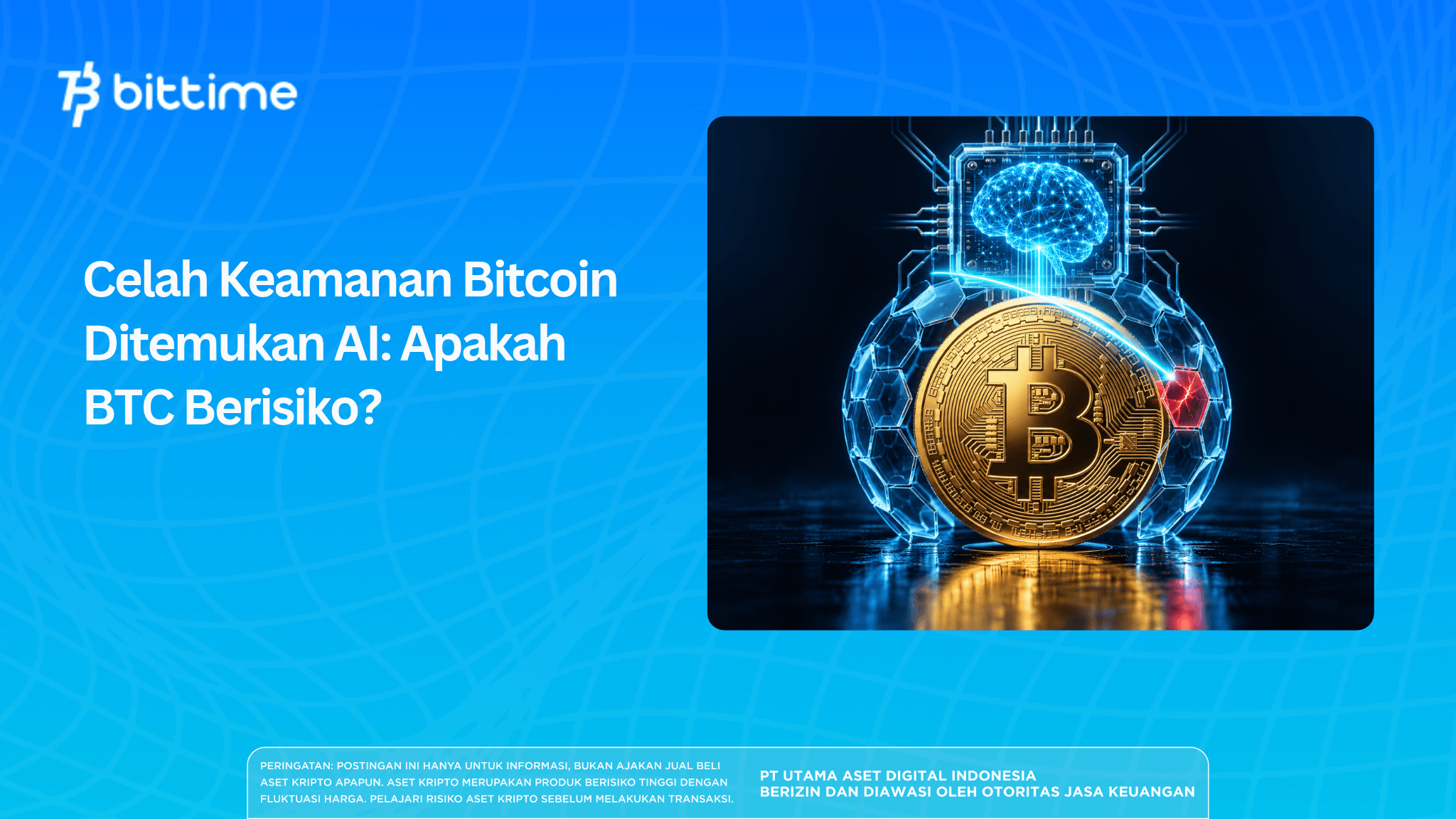
A Bitcoin security vulnerability discovered with the help of AI could cause certain nodes to stop working. This finding does not prove that BTC has been stolen or that the network has been taken over, but it remains important for people running Bitcoin Core. The risks and mitigation measures vary depending on the type of vulnerability.
One issue disclosed on October 28, 2026, targets how nodes on Windows, macOS, and BSD handle connection data. A fix is already available, so users need to determine whether their devices are affected and whether the update has been installed.
Key Takeaways
- AI helps identify code weaknesses, after which researchers review the findings before developers release a fix.
- A node going offline can disrupt the services that rely on it, but this does not automatically indicate a loss of BTC.
- Operators should check their Bitcoin Core version, device compatibility, and the limitations of fixes for 32-bit systems and FAT32.
Understanding the Bitcoin Security Vulnerability: What Was Targeted?
The issues discussed affect Bitcoin Core, the software used to run a node. A full node verifies transactions and blocks according to Bitcoin's rules, then helps relay that information to other devices. Nodes can also serve applications that need access to the network.
When a node experiences a crash, its program stops running. The immediate impact is that the functions performed by that device also stop until it is restored.
For example, a payment application that relies on a single node may experience delays in updating transaction statuses when that node encounters a problem. This example illustrates why disruptions still need to be addressed even when there is no evidence of stolen assets. Services with backup nodes may have different recovery capabilities.
Read also: Alleged Binance Hack: US$5.7 Billion in Crypto Assets Transfers Under Scrutiny
Three Bitcoin Core Bugs and How They Work
The three findings have different causes. For general readers, the most important thing is to understand their impact and limitations rather than memorize vulnerability identifiers.
1. Incoming Data Accumulates Until Memory Runs Out
In CVE-2026-117350, a device connected to a node can send certain types of TCP data to bypass queue limits. A connected device of this kind is called a peer.
The data can then continue accumulating until memory is exhausted. This vulnerability affects Windows, macOS, and BSD, while Linux is unaffected because it uses a different method of monitoring connections. Its severity is rated medium.
2. Outgoing Messages Keep Queuing on Certain Connections
Bug CVE-2026-117349 is related to the mechanism used to check responses from other devices. Under certain conditions, a peer that claims not to support the BIP31 ping mechanism can cause the transaction announcement queue to keep growing.
Memory usage can increase by approximately 2 MB per hour for each inbound peer and 5 MB per hour for each outbound peer. The disruption can develop gradually, so it does not always appear as a program that suddenly stops running.
3. Block Recovery Files Exceed the Limits the System Can Handle
Vulnerability CVE-2026-117346 concerns undo data. This data is used when a node needs to reverse changes resulting from block processing.
Under extreme conditions, the file can exceed the size or position limits the system can handle, causing the node to stop. This bug is rated low severity and is not practical to exploit because it requires extensive preparation and highly specific conditions.
The limitations of the fix need attention: 32-bit systems and nodes that store blocks on FAT32 remain affected. Therefore, operators must check their devices and data storage locations, not just the software version number.

Can These Vulnerabilities Be Used to Steal BTC?
A program stopping does not indicate that someone has obtained a wallet's private keys or carried out unauthorized transactions. Proving theft requires evidence of access to or the transfer of those assets.
In Bitcoin Core's security classification, service-disrupting issues are distinguished from critical protocol vulnerabilities. Examples of critical categories include protocol-level theft and the creation of coins outside the rules.
Therefore, the phrase "Bitcoin Core hack" is too broad without further explanation. Check whether a report concerns a newly discovered bug, an attack test, or an actual incident affecting users.
You should also avoid assuming that every application failure comes from the same vulnerability. Operators need to examine device conditions and error logs before deciding on recovery steps. An accurate diagnosis prevents unnecessary system changes that fail to address the underlying cause.
Read also: CoinDCX Hack: 15.99 Million USDT Lost, Initially Described as a False Alarm
What Should BTC Holders Do?
If you use a wallet or exchange application, find out whether you run your own node or rely on a third-party service. Holding BTC does not automatically make you responsible for updating Bitcoin Core.
Check announcements from your application provider through its usual communication channels. If you do not manage a node, do not install additional software simply because you have read a headline about a vulnerability.
Continue protecting access to your wallet and be cautious of messages offering "security fixes." Updates should come from trusted sources, not random links requesting access to your assets. Wallet security practices remain essential regardless of this bug report.
If a disruption occurs in a service you use, save the transaction information and follow the provider's announcements. Distinguish display or connection problems from suspected unauthorized transactions so that your customer service report is clearer.
Read also: Why JPMorgan Blocks AI Agents from Customer Accounts
Bitcoin Core Updates: Check the Version and Support Period
Fixes for the two memory-growth vulnerabilities are available in Bitcoin Core 29.5, 30.4, 31.2, and 32.1. Versions 31.2 and 32.1 were released on October 27, 2026, while versions 29.5 and 30.4 followed on October 28.
However, the 32.1 release notes state that the 29.x branch and earlier versions have reached end of life. A patch for a specific issue does not mean that these versions will continue to be maintained. Choose a release based on compatibility and future support.
For operators, the following five checks are useful:
- Document active installations. Check the version, operating system, and whether the node was installed directly or through a third-party package.
- Check storage. Make sure you know the system and block storage format, especially regarding the limitations of the undo data fix.
- Read the update instructions. Match the installation steps to your device and prepare relevant backups if you use a wallet.
- Shut down the program properly. Wait for the process to finish before replacing the installation.
- Make sure the service is restored. Check connectivity, block processing, and applications that use the node after the update.
The release instructions distinguish update procedures for Windows, macOS, and Linux. If you use a ready-to-run node device, follow the steps in the device provider's documentation.
Read also: Timothy Ronald Case: Two Investigations Discontinued, Here's Why
Why Are AI-Assisted Discoveries Important?
Code scanning through Project Loupe helps identify issues that are then reviewed by humans. In the memory-growth findings, Gregory Sanders validated the report before forwarding it to the security team. AI assists with the search, but the results still require technical assessment.
Disclosure policies have also been adjusted to address vulnerabilities that are easy to discover, including those identified through language models. For this category, fixes and notifications are published as quickly as possible without the standard embargo period.
For operators, keeping up with release announcements is becoming increasingly useful. The discovery of a new bug is a reason to inspect systems, but update decisions should still be based on the software and configuration actually in use.
Read also: Bitget Suspected of Being Hacked, US$388 Million in Assets Affected, North Korea Under Scrutiny
What Should Be Monitored Next?
Once a patch is available, attention shifts to its installation and results. Service operators should record the version in use, maintenance times, and the outcomes of functionality checks.
For news readers, look for new evidence of exploitation or changes in the scope of the fixes. The number of bugs discovered does not indicate the number of victims, and the availability of an update does not mean that every node has installed it.
Changes in the BTC price are also insufficient to prove the impact of a vulnerability. Without data connecting the two, security decisions should be based on technical information and service conditions.
Conclusion
Bitcoin security vulnerabilities discovered with AI highlight the importance of node maintenance. Operators need to install the appropriate fixes and check their limitations, while BTC holders should follow information from the products they use.
When choosing a trading service, follow the same approach: understand its features, fees, and terms before making a decision. If it suits your needs, you can register with Bittime after reviewing that information.

Bittime is a licensed Digital Financial Asset Trader (PAKD) platform regulated and supervised by the Financial Services Authority (OJK) — where you can buy Bitcoin in Indonesia and hundreds of other crypto assets starting from IDR 10,000. Registration is quick and secure, and you can get started today.
Track the USDT to IDR conversion rate and the real-time price movements of your favorite crypto assets. Everything is available in one crypto investment app that you can download for free from the Play Store.
Ready to get started? Sign up on Bittime now and put your investment strategy into action with a platform trusted by millions of users in Indonesia.
FAQ
Has AI Successfully Disrupted the Bitcoin Network?
These findings demonstrate AI's ability to help discover bugs in node software. They do not prove that the entire network has been taken over or damaged.
Are Linux Nodes Affected by the Same Vulnerability?
Linux is not affected by the TCP urgent data bug described here. This exception does not automatically apply to other vulnerabilities.
Do All Bitcoin Users Need to Install the Update?
Bitcoin Core updates are intended for those who run the software. Users of other applications should follow announcements from their respective providers.
Why Should 32-Bit Systems and FAT32 Be Checked?
The undo data announcement states that these systems remain affected even though a fix has been released. Operators need to review their device configurations, not just update the application.
Is BTC Balance Lost When a Node Crashes?
A program stopping does not automatically indicate that funds have been stolen. Suspected asset losses need to be investigated using evidence of transactions or unauthorized access.
Disclaimer: The views expressed belong exclusively to the author and do not reflect the views of this platform. This platform and its affiliates disclaim any responsibility for the accuracy or suitability of the information provided. It is for informational purposes only and not intended as financial or investment advice.

.png)