How to Deal with Debt Collectors?
2025-09-09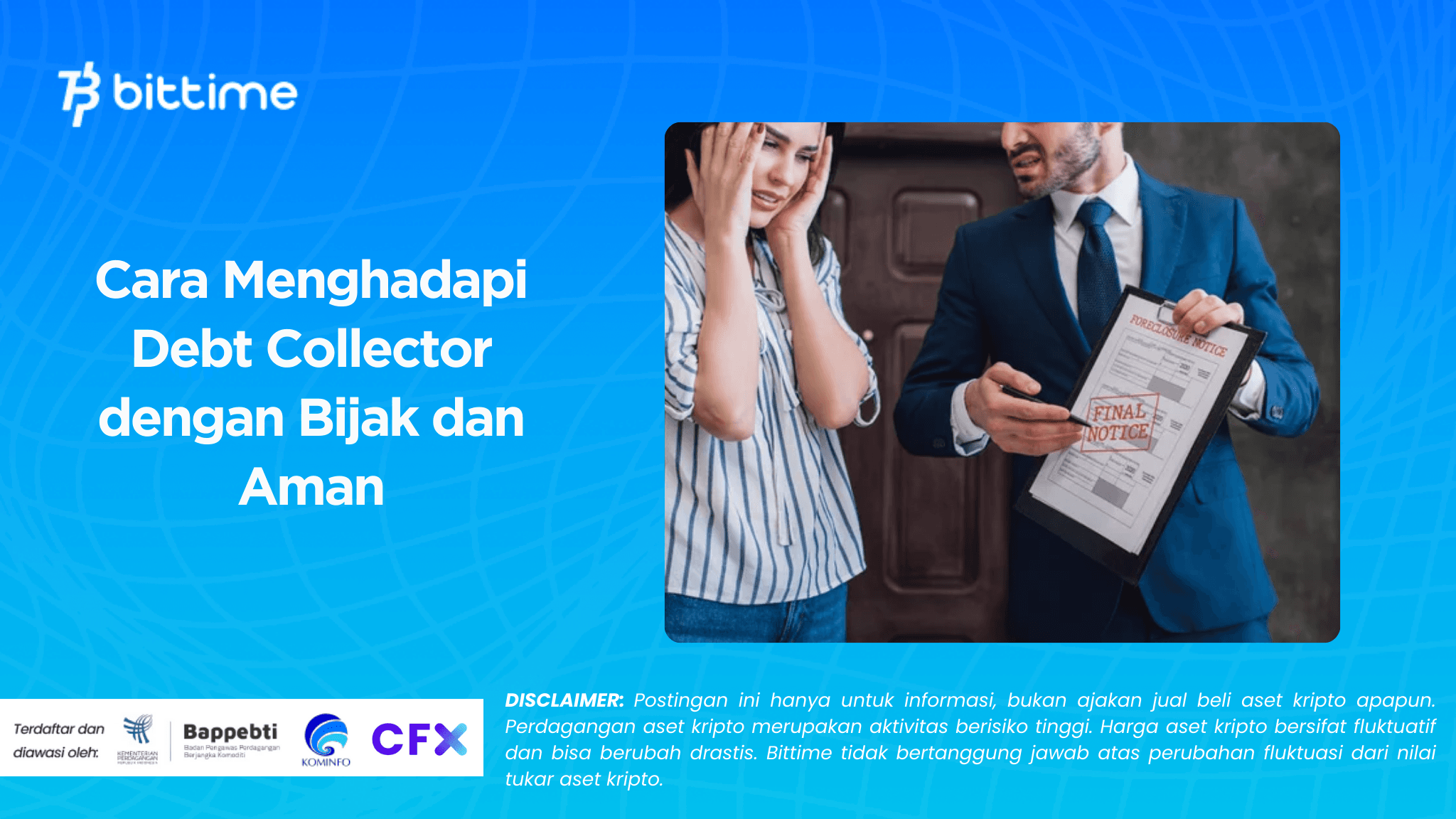
Bittime - For many people, the term debt collector is not unfamiliar, especially in the era of the rise of online loans (pinjol) and bank credit.
A debt collector is a party tasked with collecting debts from delinquent debtors. However, debt collection practices often create fear due to abusive or illegal methods.
This article comprehensively discusses what a debt collector is, the legal regulations applicable in Indonesia, debtors' rights when dealing with debt collectors, and how to deal with online loan debt collectors safely, wisely, and legally.
What is a Debt Collector?
Simply put, a debt collector is someone who collects debts. They can be from an internal company team, a third party, or even a specialized collection agency.
Their main duties include:
- Collecting payment of outstanding debts.
- Verify debt data before making collections.
- Develop a payment plan that suits the debtor's condition.
In practice, debt collectors may work for a commission based on the amount of debt collected. However, it's important to understand that they remain bound by legal and ethical rules.
Read Also: How to Know When to Buy and When to Sell in the Crypto Market
Legal Regulations for Debt Collectors in Indonesia
Many debtors do not know that debt collector activities actually have a clear legal umbrella.
Some important regulations include:
- Bank Indonesia Circular Letter No. 14/17/DASP/2012
- Billing can only be done between 08.00–20.00 WIB.
- Must bring official identification.
- It is prohibited to use threats, violence, or humiliate debtors.
- Financial Services Authority Regulation (POJK) No. 6 of 2022 & No. 22 of 2023
- Prohibiting debt collection by physical or verbal intimidation.
- Billing can only be done to the debtor, not family or other parties.
- There are administrative sanctions up to and including revocation of business permits if the rules are violated.
In other words, debtors' rights to confront debt collectors are protected by law. If violations occur, debtors can report them to the Financial Services Authority (OJK), Bank Indonesia (BI), or other authorities.
Debt Collection Ethics
In addition to the law, there are ethics that must be followed by debt collectors, among others:
- Do not use harsh words.
- Do not make physical contact.
- Do not accept money outside of official procedures.
- Must dress neatly and professionally.
- Prioritize persuasive methods over intimidation.
Read Also: What is the JCI Trading Halt? Read the explanation here!
How to Deal with Debt Collectors Wisely
Dealing with debt collectors is certainly not easy. However, there are practical steps to stay safe:
- Know Your Rights
Learn BI and OJK regulations. Don't let debt collectors act arbitrarily.
- Stay calm
Don't panic or get emotional. Remember, intimidation is illegal.
- Ask for Written Proof
Ensure the debt collected matches the records. You have the right to request a power of attorney or official documents.
- Don't Give Out Personal Data Carelessly
Avoid giving out account numbers or other sensitive data.
- Negotiate a Payment Plan
Propose realistic solutions according to your financial capabilities.
- Report Any Violations
If a debt collector threatens or violates ethics, immediately report it to the OJK or the police.
Read also: Bitcoin vs. Gold Investment in 2025: Which Will Be More Profitable?
Conclusion
Debt collectors have official duties, but they must operate within the law and ethics. As a debtor, it's important to understand your rights when dealing with debt collectors to avoid being easily intimidated.
By remaining calm, verifying your debt, and adhering to legal rules, you can deal with debt collectors more wisely and safely.
How to Buy Crypto on Bittime

Want to trade sell buy Bitcoins and crypto investment easily? Bittime is here to help! As an Indonesian crypto exchange officially registered with Bappebti, Bittime ensures every transaction is safe and fast.
Start with registration and identity verification, then make a minimum deposit of IDR 10,000. After that, you can immediately buy your favorite digital assets!
Check the exchange rate BTC to IDR, ETH to IDR, SOL to IDR and other crypto assets to find out today's crypto market trends in real-time on Bittime.
Also, visit the Bittime Blog for interesting updates and educational information about the crypto world. Find reliable articles about Web3, blockchain technology, and digital asset investment tips designed to enrich your crypto knowledge.
FAQ
What is a debt collector?
A debt collector is an individual or company tasked with collecting debt payments from debtors who have failed to pay.
What does debt collector mean in Indonesian?
The word "debt collector" means someone who collects debts. Although the term is popular in English, legally in Indonesia it's called "penagah utang" (debt collector).
How to deal with loan shark debt collectors?
Remain calm, ask for official proof, do not provide personal data, and report any intimidation or violence to the OJK.
What are the debtor's rights when facing debt collectors?
Debtors have the right to be protected from threats, violence, debt collection outside official hours, and have the right to request written proof of debt.
Is the work of debt collectors regulated by Indonesian law?
Yes, the legal regulations for debt collectors in Indonesia are stated in SE BI 14/17/DASP/2012 and POJK No. 6/2022 and No. 22/2023.
Disclaimer: The views expressed belong exclusively to the author and do not reflect the views of this platform. This platform and its affiliates disclaim any responsibility for the accuracy or suitability of the information provided. It is for informational purposes only and not intended as financial or investment advice.

.png)