Binance SAFU Fund Conversion to Bitcoin: Impact on User Security, Exchange Risks, and Market Effects
2026-02-01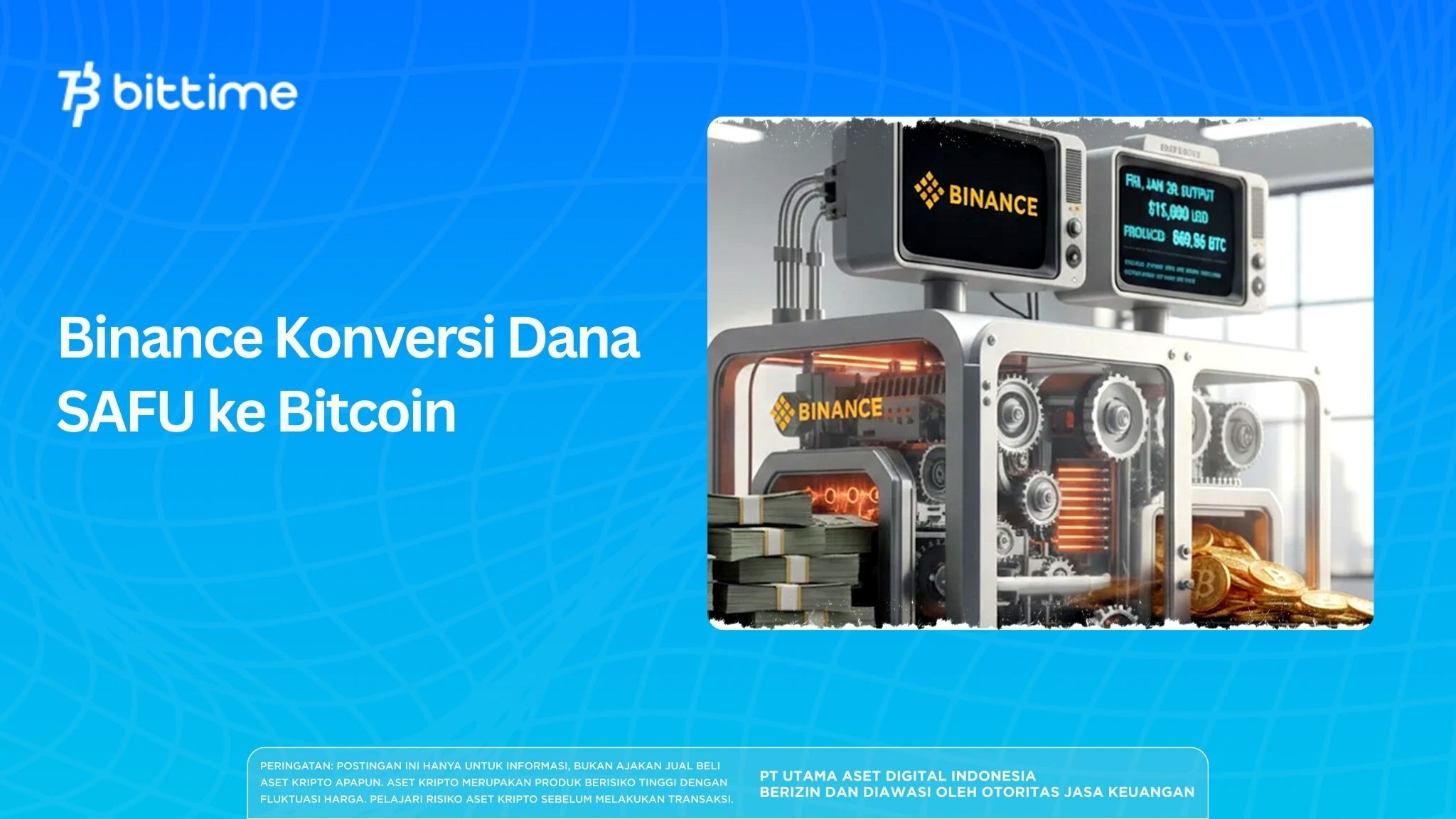
News about Binance SAFU being converted to Bitcoin has made a lot of people wonder: is this a smart move for Binance’s security, or does it carry risks? In short, the Binance user security fund is a reserve fund intended to protect users when unexpected events occur.
When SAFU moves to Bitcoin, the reserve composition changes—so how we evaluate protection for user assets also needs to change.
The solution is simple: understand what SAFU is for, check transparency signals like Binance Proof of Reserves, and recognize crypto exchange risks so your decisions stay calm and grounded. In this article, we’ll unpack the impact on users and the market in an easy-to-follow way.
Key Takeaways
- SAFU is a safety net, but its asset composition affects how volatile that fund can be.
- Transparency signals like Proof of Reserves help users assess asset protection more objectively.
- Diversification and personal security habits are still mandatory, regardless of any exchange policy.
What Is Binance SAFU and Why Is This Conversion Important?

A crypto safety fund like SAFU is essentially a “safety net.” The goal is to help protect users if a major incident happens—for example, an operational disruption or certain security issues.
For retail users, this sounds reassuring because there’s a reserve fund set aside separately from the platform’s daily operations.
However, when the reserve fund changes its composition, the way we read its strength changes too. If it used to be stored mostly in assets that tend to be more stable, and now more of it shifts to Bitcoin, the fund’s value can rise and fall with the market.
That isn’t automatically bad. Bitcoin is also considered a core crypto asset—it’s liquid and easy to monitor. But there’s still a trade-off you need to understand so expectations stay realistic.
Read also: Beginner Crypto Trading Strategies—Don’t Do This!
Why can “SAFU moving to Bitcoin” change how we assess security?
- Volatility: Bitcoin can move fast. The value of the protection fund can rise or fall with price moves.
- Liquidity: BTC is generally very liquid, so converting it quickly is typically easier.
- Market perception: Some traders see this as confidence in BTC, while others see it as a shift in the reserve’s risk profile.
Impact on User Security: What Changes and What Doesn’t?
For users, the most important question is: “Does this make the protection fund safer?” The answer: it depends on how you view risk. A protection fund aims to reduce extreme impact, but it doesn’t mean all risks disappear.
That’s why understanding crypto exchange risks still matters. Exchanges can be secure, but systemic risks remain—such as market volatility, reliance on third parties, and potential technical disruptions.
On the other hand, a move like converting to BTC can be read as an effort to simplify the fund’s composition and lean into an asset that the public can monitor more easily. In practice, what truly helps users is transparency—not just claims.
That’s why attention to Binance Proof of Reserves is key for evaluating how “strong” the protection really is.
Read also: 7 Practical Ways to Trade Crypto for Beginners—Complete with Tips and Tricks
A simple checklist to assess user-asset protection
- Make sure you understand what the reserve fund is for—don’t treat it as unlimited personal insurance.
- Look at reserve transparency, including periodic reports and any published audit mechanisms.
- Keep only what you need on an exchange—don’t store everything long-term.
Security habits users must still follow
- Enable 2FA, use unique passwords, and avoid logging in on public devices.
- Move assets to a personal wallet when you’re not actively using them for trading.
- Watch out for fake links and social engineering attacks that often target exchange users.
Market Impact: Sentiment, Liquidity, and the “Domino Effect” of the Latest Binance News
News like this often affects the market because it delivers two big messages at once. First, it signals that a major exchange is thinking about reserve structure and risk management.
Second, it can support the narrative of “BTC as the primary asset” amid volatility in altcoins and stablecoins.
That’s why the latest Binance news often triggers short-term movement—especially when many social media accounts discuss it at the same time.
From a market perspective, converting reserves to Bitcoin can increase attention on BTC. But stay realistic: crypto prices are more often driven by a combination of sentiment, macro conditions, and large-trader activity.
So don’t treat a single headline as a trend-maker. Think of it as one puzzle piece that helps you understand the broader context.
What can traders monitor after this news?
- BTC’s price reaction over 24 hours to 1 week—whether it’s just noise or there’s follow-through.
- Shifts in sentiment toward stablecoins and exchange reserves more broadly.
- Public discussion around transparency, Proof of Reserves, and exchange risk management.
How to respond as a reader and trader
- Separate “news” from “action.” News provides context; action needs a plan.
- Use sensible position sizing. Don’t trade just because of a headline.
- Set targets and stop-loss limits so emotions don’t take over.

Conclusion
Binance converting SAFU to Bitcoin is a move that can strengthen the security-and-transparency narrative, but it also introduces volatility into the value of the protection fund.
For users, the core is to understand what the Binance user security fund is for, evaluate transparency signals like Binance Proof of Reserves, and keep practicing personal security habits. For the market, this news can affect short-term sentiment, but bigger trends are still shaped by many factors.
For cleaner trade execution and price monitoring, you can explore Bittime Exchange. For lighter, educational updates, keep reading news on Bittime Blog.
FAQ
What is Binance SAFU?
SAFU is a reserve fund prepared as user protection for unexpected events.
Does SAFU moving to Bitcoin mean it’s safer?
Not necessarily safer or riskier. BTC is liquid, but its value can fluctuate, so the fund’s risk profile changes too.
What’s the relationship between Binance Proof of Reserves and user-asset protection?
Proof of Reserves helps users assess reserve transparency and confirm there’s clear asset backing, although it isn’t a guarantee of being risk-free.
What crypto exchange risks should still be watched?
Technical risks, account-security risks, market volatility, and reliance on exchange systems can still exist—even with a safety fund.
What are safer steps for users after this news?
Use 2FA, limit how much you keep on an exchange, and move assets to a personal wallet when they’re not being used for trading.
Disclaimer: The views expressed belong exclusively to the author and do not reflect the views of this platform. This platform and its affiliates disclaim any responsibility for the accuracy or suitability of the information provided. It is for informational purposes only and not intended as financial or investment advice.

.png)