How Did USDT Become the De Facto Currency for Oil and Venezuelans?
2026-03-27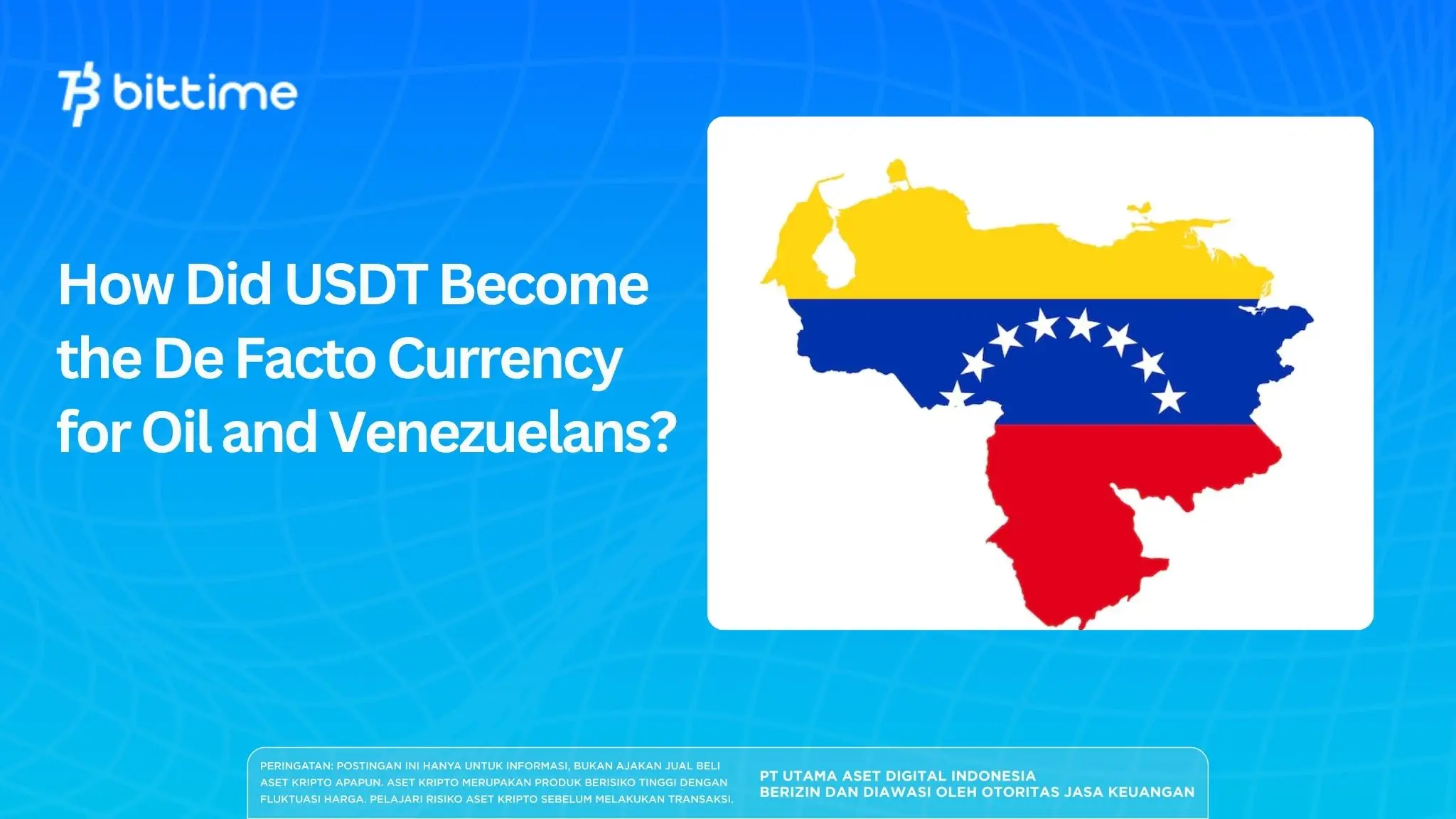
Extreme economic crises often serve as laboratories for the adoption of new financial technologies.
In Venezuela, the collapse of the traditional banking system and international sanctions have given rise to a unique phenomenon:Tether (USDT) The role of crypto assets has now shifted from being merely a crypto asset to a daily operational currency, both for state oil corporations and for ordinary people in the retail market.
Key Takeaways
Export Cash Flow Savior:It is estimated that nearly 80 percent of oil export revenues are traded in USDT by the state-owned company PdVSA to avoid freezing funds in the international banking clearing system.
Retail Inflation Resistance Tools:Due to the Venezuelan Bolivar currency crisis, which lost more than 99 percent of its value, citizens are using USDT for everyday transactions ranging from haircuts to property contributions.
Global Regulatory Dilemma:This phenomenon demonstrates the double-edged sword nature of blockchain technology: it serves as a safety net for civilians and a loophole for entities on the SDN List and crypto wallet sanctions radar.
Register at Bittime now and start trading crypto with a fast, safe, and easy process in the app.
Understanding the Fall of Bolivar and the Flight to Tether
Public distrust of the domestic banking system and strict capital controls in Venezuela have fueled a search for alternatives to the scarce physical dollar in the market.
The way the USDT stablecoin, a global market currency pegged 1:1 to the US dollar, works makes it the most logical escape instrument amid hyperinflation.
Venezuela's national currency, the Bolivar, has experienced extreme devaluation over the past decade.
The failure of the government-owned cryptocurrency experiment (Petro) in 2018 further pushed people to turn to Tether USDT, a privately managed and globally recognized international financial market.
In Venezuela's current retail market, everyday transactions such as paying gardeners, haircuts, and apartment maintenance fees are coordinated using peer-to-peer USDT transfers.
Read also:How to Buy and Transfer USDT
Oil Exports Using USDT to Break Economic Blockade
Faced with news of increasingly restrictive US oil sanctions in 2020, Venezuela's state-owned oil company, Petroleos de Venezuela (PdVSA), has begun switching to USDT.
The crude oil payment system is being diverted outside the traditional SWIFT channels.
Crude oil buyers are required to transfer USDT directly to designated crypto wallet addresses or use a network of money laundering intermediaries.
This move is a drastic transformation in global hard commodity trading.
Venezuela's use of USDT digital assets for crude oil is a clear demonstration of how a decentralized financial system can bypass the unilateral restrictions of a superpower without being intercepted midway by correspondent banks.
Read also:How to Save USDT and Get High Interest? Try Bittime?
Blockchain Contradiction: Citizen Lifeline vs. Lawlessness
The reality of crypto asset use in Venezuela exposes the digital asset industry's biggest dilemma today. On the one hand, it's a lifeline for a 71-year-old grandmother who needs digital dollars to pay for basic living expenses.
On the other hand, it is an instrument for authoritarian regimes to maintain their economic breath from global isolation.
Responding to legal pressure, Tether has reportedly begun working with international security authorities to track platform abuse.
Hundreds of wallets connected to the illicit oil trading network and included in the SDN List sanctions radar and crypto wallets are now starting to be periodically frozen.
This proves that blockchain is not completely immune from the law if the issuing company chooses to comply with the jurisdiction of the United States.
Read also:How to Convert IDR to USDT on Bittime: A Beginner's Guide
A Forward-Looking Guide: DYOR Crypto Stablecoin Investments March 2026
For global market participants observing the shifting role of stablecoins, the Venezuelan case offers valuable lessons regarding the operational risk management of digital asset issuers.
Conclusion
If you hold digital dollar-based assets, it is important to always apply the principles of crypto stablecoin investment March 2026.
You should understand that centralized stablecoins like USDT have a pause button mechanism that allows the issuer to freeze assets in your wallet if it is deemed to be in violation of unilateral compliance rules or interfacing with banned addresses.
Diversifying asset holdings across multiple stablecoins (both centralized and decentralized algorithmic) remains the best defensive strategy going forward.
How to Buy Crypto on Bittime?

Want to trade sell buy Bitcoins and crypto investment easily? Bittime is here to help! As an Indonesian crypto exchange officially registered with Bappebti, Bittime ensures every transaction is safe and fast.
Start with registration and identity verification, then make a minimum deposit of IDR 10,000. After that, you can immediately buy your favorite digital assets!
Check the exchange rate BTC to IDR, ETH to IDR, SOL to IDR and other crypto assets to find out today's crypto market trends in real-time on Bittime.
Also, visit the Bittime Blog for interesting updates and educational information about the crypto world. Find reliable articles about Web3, blockchain technology, and digital asset investment tips designed to enrich your crypto knowledge.
FAQ
Why do Venezuelan oil exports use USDT payments?
The state oil company (PdVSA) uses USDT to bypass the traditional SWIFT banking system to avoid restrictions and fund freezes imposed by US government sanctions.
How much dominance does USDT have in Venezuelan oil trading?
Economists estimate that nearly 80 percent of Venezuela's total oil sales transaction value is settled using the USDT digital dollar instrument.
Why don't Venezuelan civilians use the local currency Bolivar?
The Bolivar currency has collapsed due to extreme hyperinflation, forcing citizens to store their wealth and conduct daily transactions using USDT, which is pegged to the US dollar.
Can Tether freeze crypto wallets in Venezuela?
Yes. Tether is working with international law enforcement authorities to freeze crypto wallet addresses suspected of involvement in illegal oil trading.
Why did the Venezuelan government's Petro crypto asset experiment fail?
The Petro cryptocurrency, launched in 2018, failed miserably due to a lack of domestic public trust and a lack of liquidity recognition on international crypto exchanges.
Disclaimer: The views expressed belong exclusively to the author and do not reflect the views of this platform. This platform and its affiliates disclaim any responsibility for the accuracy or suitability of the information provided. It is for informational purposes only and not intended as financial or investment advice.

.png)