BTCUSD Analysis January 19, 2026 — ETFs, Derivatives & Bitcoin Rebound Opportunities
2026-01-19
BTCUSD began January 19, 2026 with a movement that tested patience. The price swung from the $95,000 area and then fell back to around $92,000. Conditions like this often raise the same question: is this just a pause before another rise, or a sign of weakness?
The answer is rarely black and white, but we can read the clues from two sources of signals that are currently most watched by the market, namely ETF flows and derivative indicators.

Get the latest crypto updates and insights on Bittime Blog, or start buying your favorite crypto easily and securely on Bittime.
Today's BTCUSD Price and Movement Context January 19, 2026
To read the chances of a rebound, we need to start with the most basic facts: where the price is and how volatile it is today. BTCUSD is moving around $92,000, with an intraday range that touched the $95,000 area and then fell back to the $92,000 area.
This signals that the market still has energy, but it is not yet unified enough to push the price through key areas. At moments like this, many traders do two things: lock in short-term profits and wait for clearer signals.
In the Asian session, stabilization often appears more “calm” compared to the American session. However, calm does not mean safe. In fact, when prices flatten out and then suddenly move, the trigger is usually not rumors, but large flows from institutions, changes in derivative positions, or data releases that alter risk expectations.
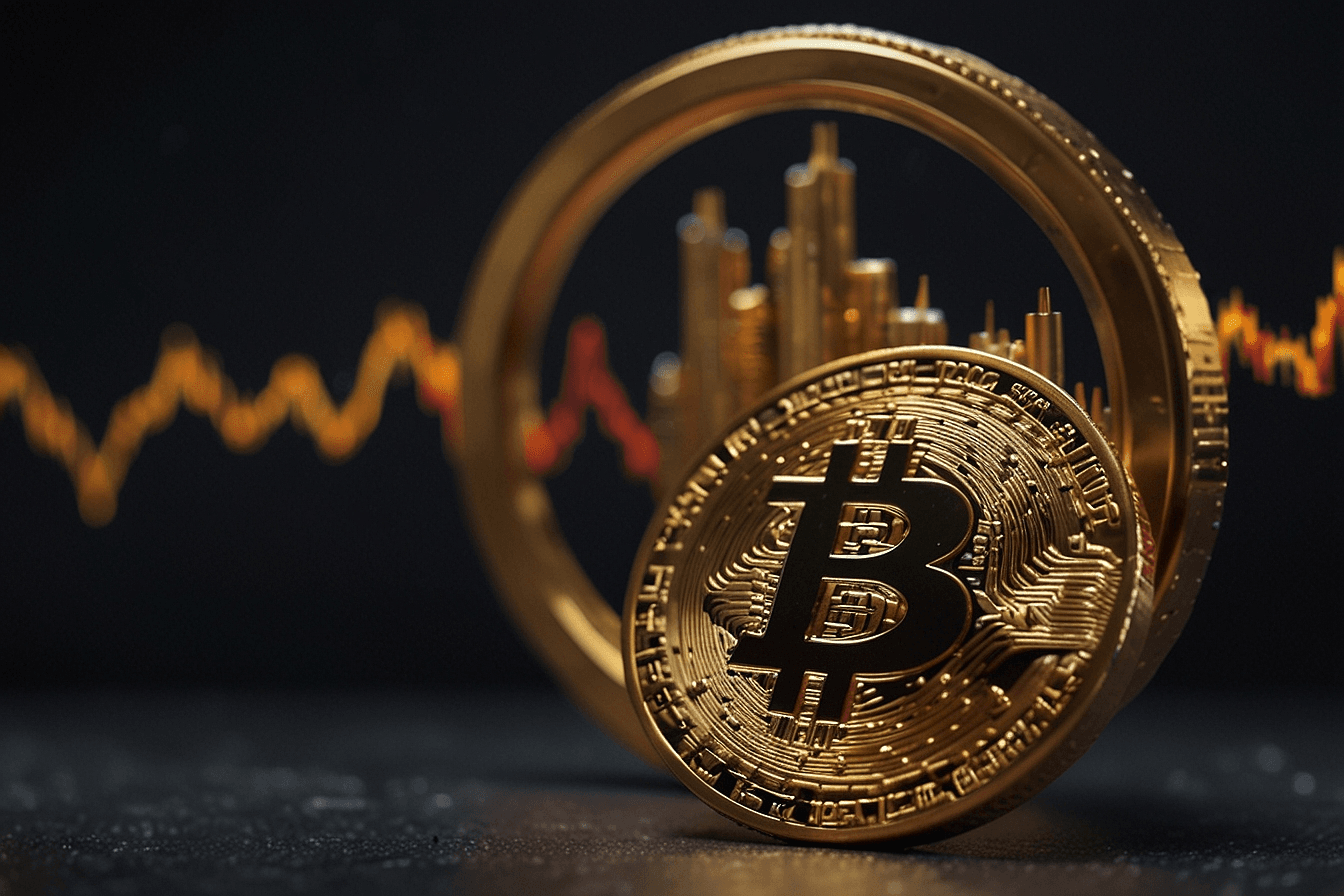
Therefore, reading BTCUSD today is not enough just by looking at the candles, but also requires understanding who is driving the movement.
The term “rebound” itself needs to be understood simply. A healthy rebound usually has three characteristics. First, prices stop falling and begin to form a base. Second, buyers enter gradually, not in a single surge. Third, the derivatives market does not show overly aggressive leverage.
If these three characteristics appear simultaneously, the rebound is more likely to last. If not, the rebound could be a brief bounce that is quickly broken by selling pressure.
On January 19, 2026, the $95,000 area is often referred to as an important zone because it is close to a point that has been tested several times. On the other hand, the $90,000 to $93,000 area is closely watched as a psychological support zone. When prices move between these two zones, the market usually waits for a strong trigger to decide the direction.
Read also: Bitcoin Price Prediction Today: January 19, 2026
Bitcoin ETFs and How They Affect Today's BTCUSD Price Movement
In previous cycles, the crypto market often moved due to retail euphoria. The current cycle appears to be more influenced by “neater” products such as spot Bitcoin ETFs. When funds flow into ETFs, it signals that demand is coming from players who are usually more patient.
If inflows are consistent, selling pressure from older holders can be more easily absorbed. This doesn't guarantee prices will always rise, but it makes the market structure easier to read.
In the most recent period, ETF flows showed an important reversal, with net inflows turning positive again after previous outflow pressure. Such narratives typically fuel a more subdued bullish sentiment.
Not exploding, but pushing prices up through gradual momentum. In practice, this often looks like a modest rise, but one that continues to creep upward as small corrections are quickly bought up.
To avoid getting caught up in headlines, use a more technical but still simple reading method. Here is a list format you can use when monitoring ETF signals.
- See if inflows occur for several days in a row, not just one big day
- Note whether inflows are spread out or concentrated in one product
- Compare inflows with price movements. Are inflows truly followed by increases, or are prices still uncertain?
- Note the market's response when inflows appear. Does volatility decrease or increase?
While you are making plans, it is also important to choose a transaction platform that is secure. Bittime can be considered because it emphasizes account protection and a structured trading experience.
For those of you who are active in the digital, crypto, and technology world, don't forget to register on the Bittime platform.
In essence, ETFs tend to influence BTCUSD through more stable demand. When stable demand meets less heated derivative conditions, the chances of a rebound usually become more reasonable.
Read also: The Hidden Bitcoin Cycle That Determines Price Reversals
Bitcoin Derivatives and Technical Analysis of BTCUSD January 19, 2026 to Read Rebound Signals
Derivatives are where the market “comes clean” about its appetite for risk. When derivative positions rise, there are two possibilities: the market is building a trend, or the market is accumulating fragile leverage. The difference can be seen from several key indicators such as funding rate, open interest, basis, and options.
Healthy signals usually appear when open interest rises, but the funding rate does not spike. This means that positions are increasing without excessive leverage. When funding is too high, the market becomes prone to liquidation.
Meanwhile, options provide clues about fear and confidence. If the option skew is close to neutral, the market is usually not panicking, but also not overly confident. This often fits with a cautious rebound scenario.
From a technical perspective, the most practical focus is on price structure and key areas. If the price is able to rebound and stay above the US$95,000 area, the rebound narrative will be stronger as it shows that the market is able to reclaim a zone that was previously difficult to break through.
However, if the price continues to be stuck and falls below the US$90,000 to US$93,000 area, then what happens could turn into a longer consolidation phase, or even a deeper correction.
To be used as a plan, use a simple scenario-based strategy.
- Cautious rebound scenario: gradual entry when the price forms a higher low, with a clear stop below the daily support
- Breakout scenario: wait for a convincing close above the key zone, then enter with a smaller size to reduce the risk of a false breakout
- Wait-and-see scenario: if derivative indicators start to heat up and volatility rises, it is safer to wait until the market calms down
How to buy BTCUSD on Bittime with simple steps
If your goal is exposure to BTCUSD, the common practice is to buy BTC and then monitor its value in US dollar terms. On Bittime, you can start with an easy path.
- Download the Bittime app and create an account
- Verify your identity to activate transaction features
- Enable account security before depositing
- Deposit rupiah, then buy BTC through available pairs
- If you want to be closer to the BTCUSD movement, use the BTC pair with USDT, then set up a gradual purchase plan
Always remember that crypto moves fast. The best strategy is usually not the most complicated, but the most disciplined.
Read also: Free Bitcoin Mining in 2026: Is it Still Possible and Safe for Beginners?
Conclusion
On January 19, 2026, the likelihood of a BTCUSD rebound becomes more plausible when two factors align: ETF flows remain supportive, and derivatives indicators do not show excessive leverage.
Technically, the $95,000 zone is a crucial test point, while the $90,000 to $93,000 area is worth monitoring as support. If you want to execute a buy plan, do it gradually, use risk limits, and run a neat purchase process through Bittime.
How to Buy Crypto on Bittime?

Want to trade sell buy Bitcoins and crypto investment easily? Bittime is here to help! As an Indonesian crypto exchange officially registered with Bappebti, Bittime ensures every transaction is safe and fast.
Start with registration and identity verification, then make a minimum deposit of IDR 10,000. After that, you can immediately buy your favorite digital assets!
Check the exchange rate BTC to IDR, ETH to IDR, SOL to IDR and other crypto assets to find out today's crypto market trends in real-time on Bittime.
Also, visit the Bittime Blog for interesting updates and educational information about the crypto world. Find reliable articles about Web3, blockchain technology, and digital asset investment tips designed to enrich your crypto knowledge.
FAQ
What is a BTCUSD rebound?
A rebound means that the price stops falling and then bounces back up. A healthy rebound is usually supported by stable demand and no excessive leverage.
How do Bitcoin ETFs affect the BTCUSD price?
ETFs can increase demand more consistently. If inflows persist, selling pressure is easier for the market to absorb.
What derivative indicators are most useful for beginners?
Funding rate, open interest, and option skew. These three indicators help gauge whether the market is healthy or overheated.
Are ETF and derivative signals always accurate?
No. They are indicators, not certainties. Risk management and a clear plan are still necessary.
How can beginners safely buy BTCUSD?
Start with a small amount, buy gradually, enable account security, and use a clear platform like Bittime.
Disclaimer: The views expressed belong exclusively to the author and do not reflect the views of this platform. This platform and its affiliates disclaim any responsibility for the accuracy or suitability of the information provided. It is for informational purposes only and not intended as financial or investment advice.

.png)