YouTube Introduces AI Likeness in Shorts: What Does It Mean for Creators?
2026-01-23
YouTube is making another breakthrough in the digital content world. The world's largest video platform has officially announced the AI Likeness feature for Shorts, a technology that allows creators to create short videos using digital replicas of their own faces and voices.
This feature is scheduled for release in 2026 and is part of YouTube's larger strategy to pushgenerative AI-based creativity.
For creators, especially those active on Shorts, AI Likeness has the potential to change the way content is produced: faster, more flexible, and without always requiring a conventional filming process.
Key Points
- AI Likeness allows creators to be present without having to appear directly in front of the camera.
- This feature still requires transparency through synthetic content labels.
- Human creativity remains the main factor so that content does not feel stiff or artificial.

What Is AI Likeness?
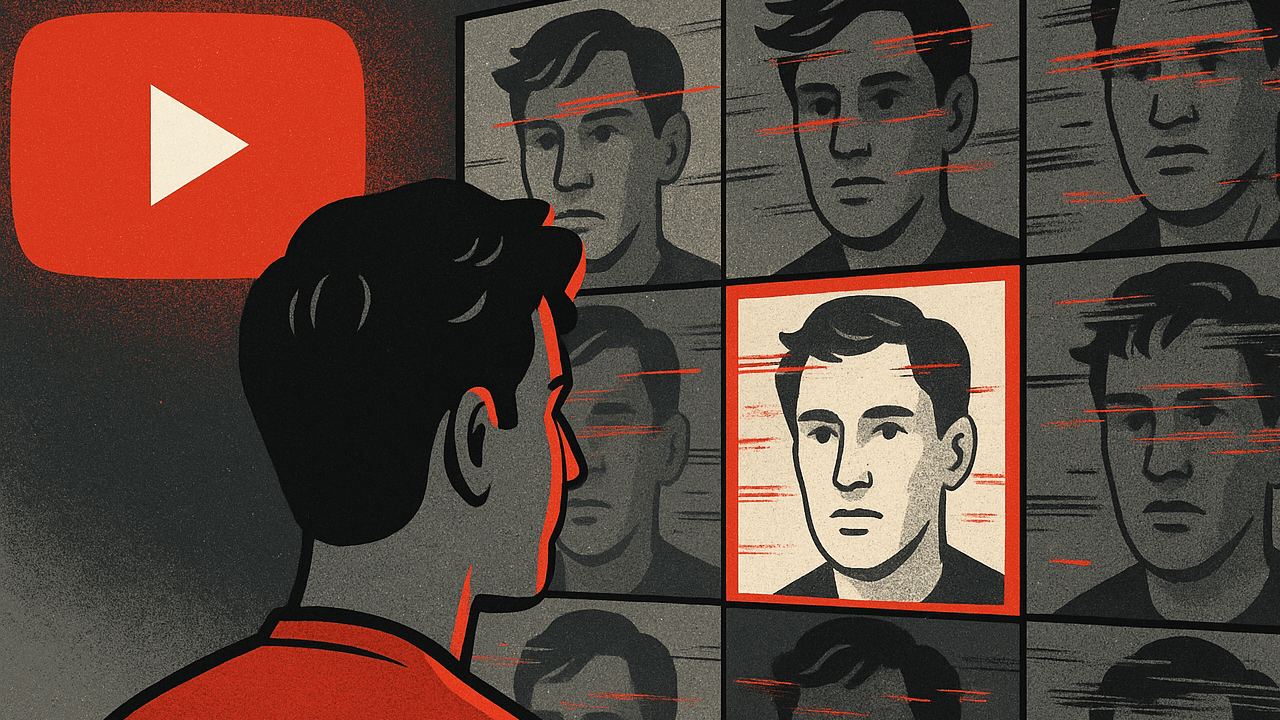
AI Likeness is a generative AI-based feature that allows creators to create Shorts with their own likeness, from facial features to voices to speaking styles.
This feature was announced directly by YouTube CEO, Neal Mohan, as an evolution of previous technologies such as Dream Screen and Veo 2.
Technically, creators can upload visual data (photos or videos of their faces) as well as audio of their voices. From this data, YouTube's AI model will create a digital replica that can be used to create text-based content (prompts). This means creators simply write a script, and the AI will execute it in the form of a Shorts video.
YouTube confirms thatall AI contentLikeness must comply with YouTube's Community Guidelines. To maintain transparency, the platform will automatically add a label indicating that the video was generated or modified by AI.
Read Also:How to Create AI Agents and Their Functions
Benefits of AI Likeness for Creators
The presence of AI Likeness offers many benefits, especially for creators who rely on consistency and speed of content production.
First, time efficiency. Creators no longer need to set up studios, organize lighting, or schedule recurring shoots. This is especially relevant for creators in Indonesia, who often face time or location constraints.
Second, creative flexibility. Creators can experiment with new content formats, such as storytelling, short educational content, or personal content, without having to perform live. In fact, content can be produced from anywhere.
Third, the potential for increased engagement and monetization. More consistent and relevant Shorts production has the potential to improve algorithm performance, ultimately impacting revenue, including through the Shorts Fund or brand partnerships.
However, YouTube continues to emphasize that AI is just a tool. A human creative touch is still needed to prevent content from feeling generic or "too artificial."
Read Also:Hirohito's Viral AI Prompt Tutorial: How to Turn Photos into Hyper-Realistic Imperial Characters
Risks and Challenges of Using AI Likeness
Despite the significant opportunities, AI Likeness also presents serious challenges. One of the main ones is the disclosure requirement. Creators are required to use the provided AI labels. Ignoring this requirement risks distribution restrictions and even account sanctions.
Copyright and likeability issues are also a concern. Creators are prohibited from using other people's faces or voices without explicit permission. YouTube is reportedly developing deepfake detection tools to prevent misuse of this technology.
Additionally, there's the risk of AI content saturation. If too many creators rely on AI without a solid concept, the quality of Shorts could decline and they could lose their authenticity—something audiences value most right now.
Read Also:How to Buy Sleepless AI (AI) | AI to IDR | AI to USDT
How to Use AI Likeness
While the official release is still in 2026, YouTube has provided a timeline for its use. Creators will be able to access this feature through the Shorts creation tools in the YouTube app (initially in English).
General steps include:
- Select the AI Likeness option in the Shorts creation menu.
- Upload a photo or voice recording of yourself.
- Write a text prompt according to the desired content.
- Editing AI results before publishing.
- Enable automatic synthetic content labeling.
Creators are advised to always monitor official updates from YouTube Support, especially regarding the availability of this feature in Indonesia.
Read Also:What Is Alchemist AI (ALCH)? A Complete Explanation of the ALCH Token
Register to the Bittime Platform
As AI technology and the creator economy evolve, understanding digital and financial assets is becoming increasingly important.
If you want to start getting to know the world of crypto assets and blockchain technology as part of the future digital ecosystem, do it now.registration on the Bittime platformThe registration process is easy, secure, and suitable for both beginners and experienced users.
Conclusion
AI Likeness in YouTube Shorts marks a new era in digital content production. This feature offers creators greater efficiency, flexibility, and broader monetization opportunities.
However, the use of AI also demands responsibility, transparency, and creativity to ensure content remains authentic and valuable. For creators who can adapt, AI Likeness could become a competitive advantage in the future.
FAQ
What is the AI Likeness feature in YouTube Shorts?
AI Likeness is a feature that allows creators to create Shorts videos using AI-based digital replicas of their own faces and voices.
When will AI Likeness be released?
YouTube is targeting the launch of this feature in 2026.
Is it mandatory to label AI Likeness content?
Yes, YouTube will add automated labels to mark AI-generated or modified content.
Is AI Likeness safe for creators?
It is safe as long as it is used according to community guidelines and does not violate the copyright or likeness rights of others.
Will AI replace creators' creativity?
No. AI is just a tool, while ideas, concepts, and the human touch remain the key factors in content success.
Disclaimer: The views expressed belong exclusively to the author and do not reflect the views of this platform. This platform and its affiliates disclaim any responsibility for the accuracy or suitability of the information provided. It is for informational purposes only and not intended as financial or investment advice.
.png)