The Strait of Hormuz is Under Threat Again, Will Oil Prices Surge?
2026-07-30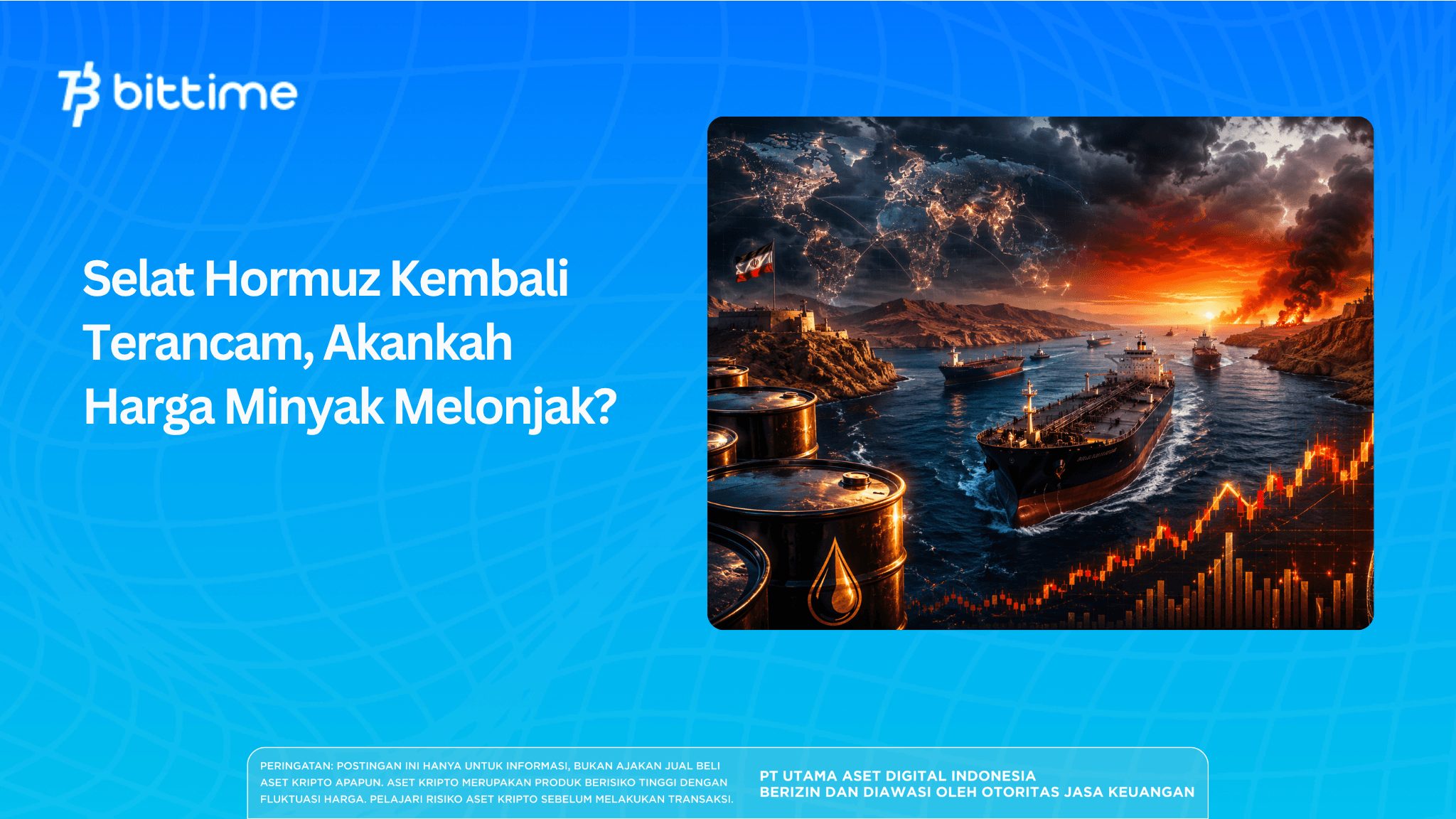
The latest tensions between the United States and Iran have once again placed the Strait of Hormuz at the center of attention in the energy market. This narrow waterway is a critical point in the global oil supply chain. Attacks on vessels, shipping restrictions, or threats of closure could increase transportation costs while also triggering a surge in oil prices Brent and WTI.
Key Takeaways
- The Strait of Hormuz is a major route for oil and gas exports from the Gulf region to global markets.
- Oil prices can rise even without a complete closure of the strait because the market prices in supply, shipping, and insurance risks.
- The direction of Brent and WTI will depend on the duration of the conflict, the volume of supply actually lost, alternative routes, and the response of producing countries.
Why Is the Strait of Hormuz Important to the Global Oil Market?
The Strait of Hormuz connects the Persian Gulf with the Gulf of Oman and the Arabian Sea. Countries such as Saudi Arabia, Iran, Iraq, Kuwait, the United Arab Emirates, Qatar, and Bahrain use this waterway to transport oil, petroleum products, or liquefied natural gas.
Before major disruptions occurred, more than 20 million barrels of oil per day had passed through this route. This scale makes Hormuz one of the world’s most important energy transit points. Even a minor disruption can quickly alter supply expectations, particularly for Asian countries that import substantial amounts of energy from the Middle East.
Some oil can be redirected through pipelines and terminals outside Hormuz. However, the capacity of these alternative routes is insufficient to replace the entire volume normally transported by tanker.
Read also: SpaceX Announces Its First Earnings Report for August 4, 2026: What Does It Mean for Investors?
How the Strait of Hormuz Conflict Affects Oil Prices
The market does not need to wait for a complete closure before reacting. Prices can rise when fewer vessels pass through the strait, tankers are attacked, insurance premiums increase, or diplomatic negotiations reach an impasse.
On July 29, 2026, Brent surged by nearly 8% and WTI rose by more than 6% in a single session after an Iranian attack on United States forces in Jordan prompted threats of retaliation.
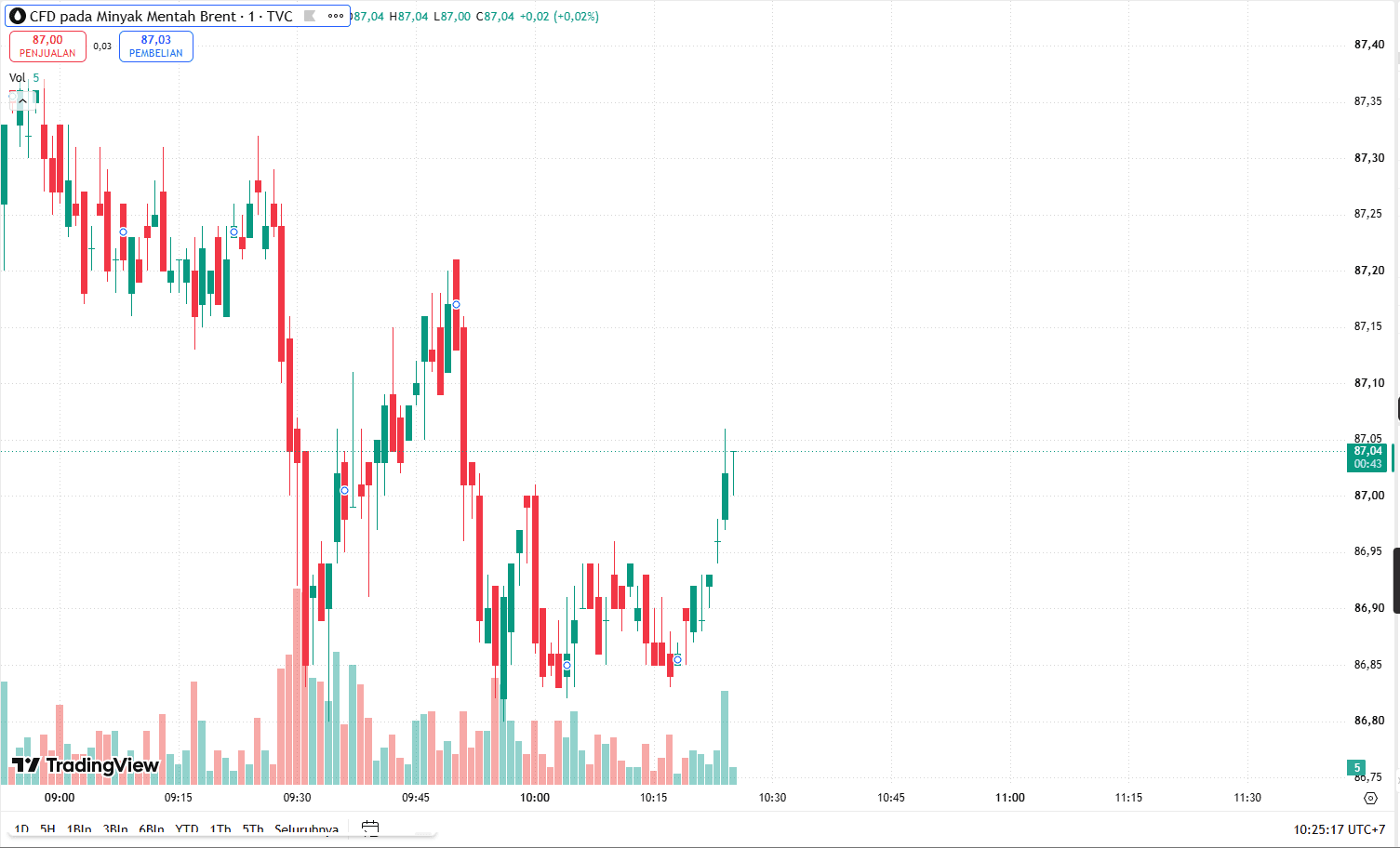
Brent Crude Oil Price
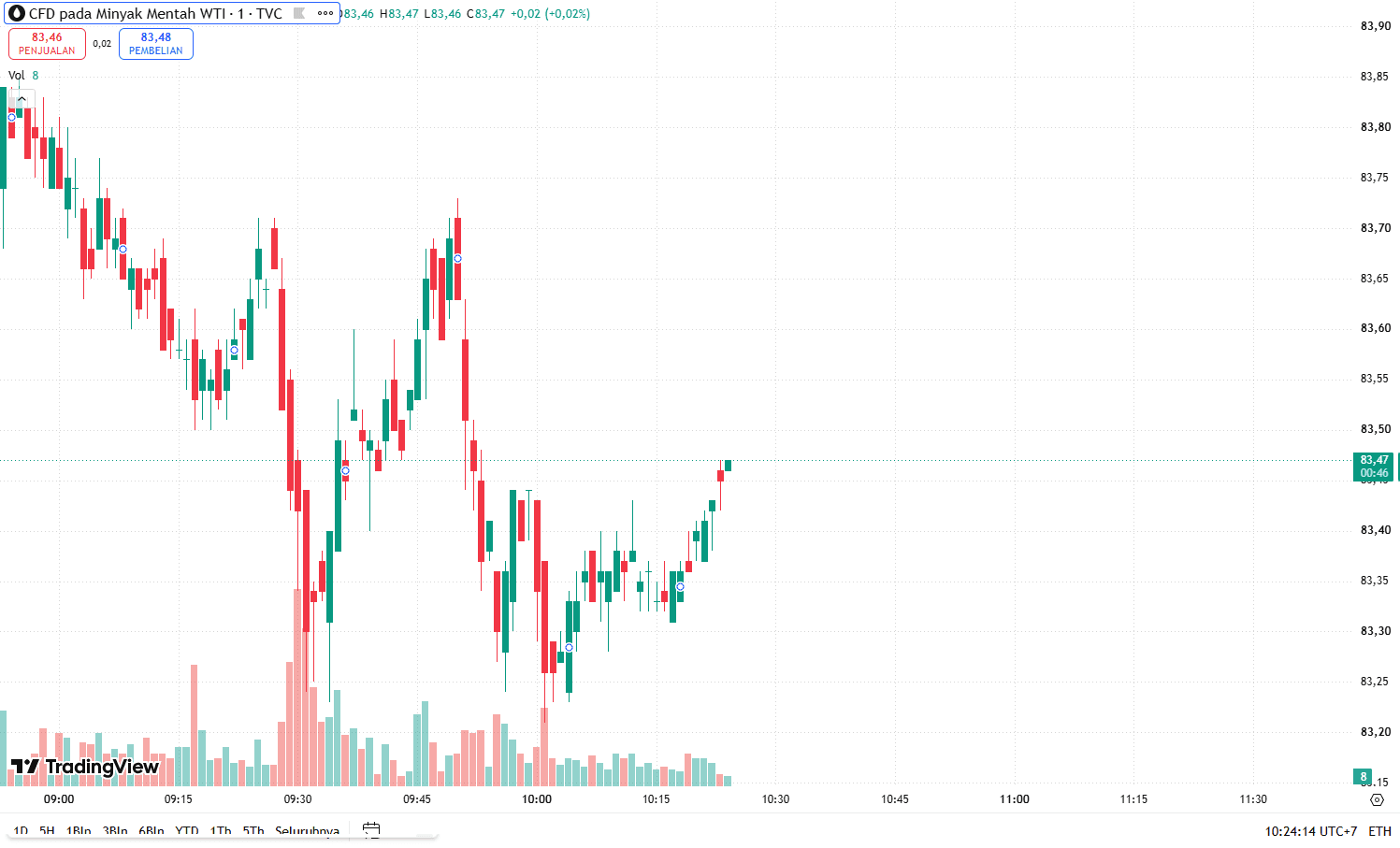
WTI Crude Oil Price
On July 30, prices corrected because oil was still leaving the region through several routes. Brent traded at around US$89 per barrel, while WTI remained near US$84.
These movements show that oil prices rise because of two factors. The first is physical disruption to production and shipping. The second is the risk premium, which is the additional amount the market is willing to pay to account for the possibility of worsening supply conditions.
Read also: KOSPI Plunges 8.95% amid a Technology Stock Sell-Off: What Happened?
How a Strait of Hormuz Closure Could Affect Brent Crude
Brent tends to be sensitive to disruptions in the Middle East because it is the main benchmark for international oil. WTI usually moves in the same direction, but it is also influenced by production, inventories, and logistics in the United States.
If the Strait of Hormuz is effectively closed again, the market could face lower supply and higher transportation costs. Freight rates and war-risk insurance premiums could rise. Buyers would also need to source oil from more distant regions.
The impact would not be limited to crude oil. Prices for gasoline, diesel, jet fuel, petrochemicals, and goods distribution could also rise. A prolonged increase in energy costs could intensify inflationary pressure and weigh on economic growth.
Read also: The Iran Conflict and Its Impact on the Global Economy and Oil Prices
Oil Price Outlook if the Iran Conflict Continues
No single price target can be considered certain. Oil’s direction is better assessed through several scenarios.
Conflict De-escalates
If the attacks stop and tanker traffic returns to normal, the risk premium could decline. Brent and WTI may weaken, although rebuilding global inventories would take time.
Prolonged but Limited Disruption
In this scenario, vessels would continue operating, but traffic volumes would decline and shipping costs would rise. Prices would likely remain elevated and volatile as the market continued to assess the risk of further attacks.
Effective Closure and a Wider Conflict
This scenario carries the greatest upside risk. Prices could surge if exports from Gulf countries fall sharply, energy facilities are attacked, and alternative routes cannot replace the lost supply.
Read Also: Iran-Us Tensions In Hormuz Resurface, Sending Brent And Wti Oil Prices Soaring
Factors That Could Limit Further Oil Price Increases
Threats involving Hormuz do not always produce a sustained price increase. Several factors could limit the rise:
- the use of alternative pipelines and export terminals;
- increased supply from outside the Middle East;
- releases from strategic petroleum reserves;
- lower demand caused by high energy prices;
- a global economic slowdown;
- the achievement of a diplomatic agreement.
Investors need to distinguish military headlines from physical market data. Tanker traffic, export volumes, production shutdowns, inventories, and freight costs provide a clearer picture of global oil supply conditions.
To follow developments in the conflict and their impact on the market, you can register with Bittime and monitor the latest economic and digital asset news. Always conduct a risk assessment before making financial decisions.
Conclusion
The Strait of Hormuz has once again become a major factor capable of moving oil prices. Its role in energy distribution means that every attack, shipping restriction, or threat of closure can immediately affect Brent and WTI.
However, the size of any increase depends on the amount of supply actually lost, not merely the severity of political statements. As long as the conflict involving Iran continues, volatility is likely to remain high.
The greatest risk of a price surge emerges when vessel traffic stops, energy facilities are affected, and alternative routes cannot offset the shortfall.

Let’s start trading crypto with the largest assets, such as BTC/IDR and ETH/IDR, right in the Bittime app.
Bittime is a licensed Digital Financial Asset Trader (PAKD) platform supervised by Indonesia’s Financial Services Authority (OJK) — where you can buy Bitcoin in Indonesia and hundreds of other crypto assets starting from Rp10,000. Registration is fast and secure, and you can get started today.
Monitor the USDT-to-IDR conversion and track the price movements of your favorite crypto assets in real time. Everything is available in one crypto investment app that can be downloaded for free from the Play Store.
Ready to get started? Register with Bittime now and execute your investment strategy on a platform trusted by millions of users in Indonesia.
FAQ
What Is the Strait of Hormuz?
The Strait of Hormuz is a maritime passage connecting the Persian Gulf with the Gulf of Oman. It is a major gateway for oil and gas shipments from several Middle Eastern countries.
Why Does Conflict in the Strait of Hormuz Drive Oil Prices Higher?
Conflict increases the risk that vessels will be unable to pass through the strait and that supply will decline. The market then prices in potential shortages, freight costs, and insurance premiums.
What Is the Difference Between Brent and WTI Crude?
Brent is the main benchmark for international oil trading. WTI is the United States oil benchmark and is more heavily influenced by domestic production and inventory conditions.
Can Iran Close the Strait of Hormuz?
Iran can disrupt shipping activity, but a complete closure would trigger an international response. The impact would depend on the scale and duration of the disruption.
What Should Be Monitored to Forecast Oil Prices?
Monitor tanker traffic, exports from Gulf countries, global inventories, attacks on energy facilities, alternative routes, and diplomatic developments.
Disclaimer: The views expressed belong exclusively to the author and do not reflect the views of this platform. This platform and its affiliates disclaim any responsibility for the accuracy or suitability of the information provided. It is for informational purposes only and not intended as financial or investment advice.

.png)