After Strait of Hormuz Opens: Is the AI Sector Back in the Spotlight?
2026-06-19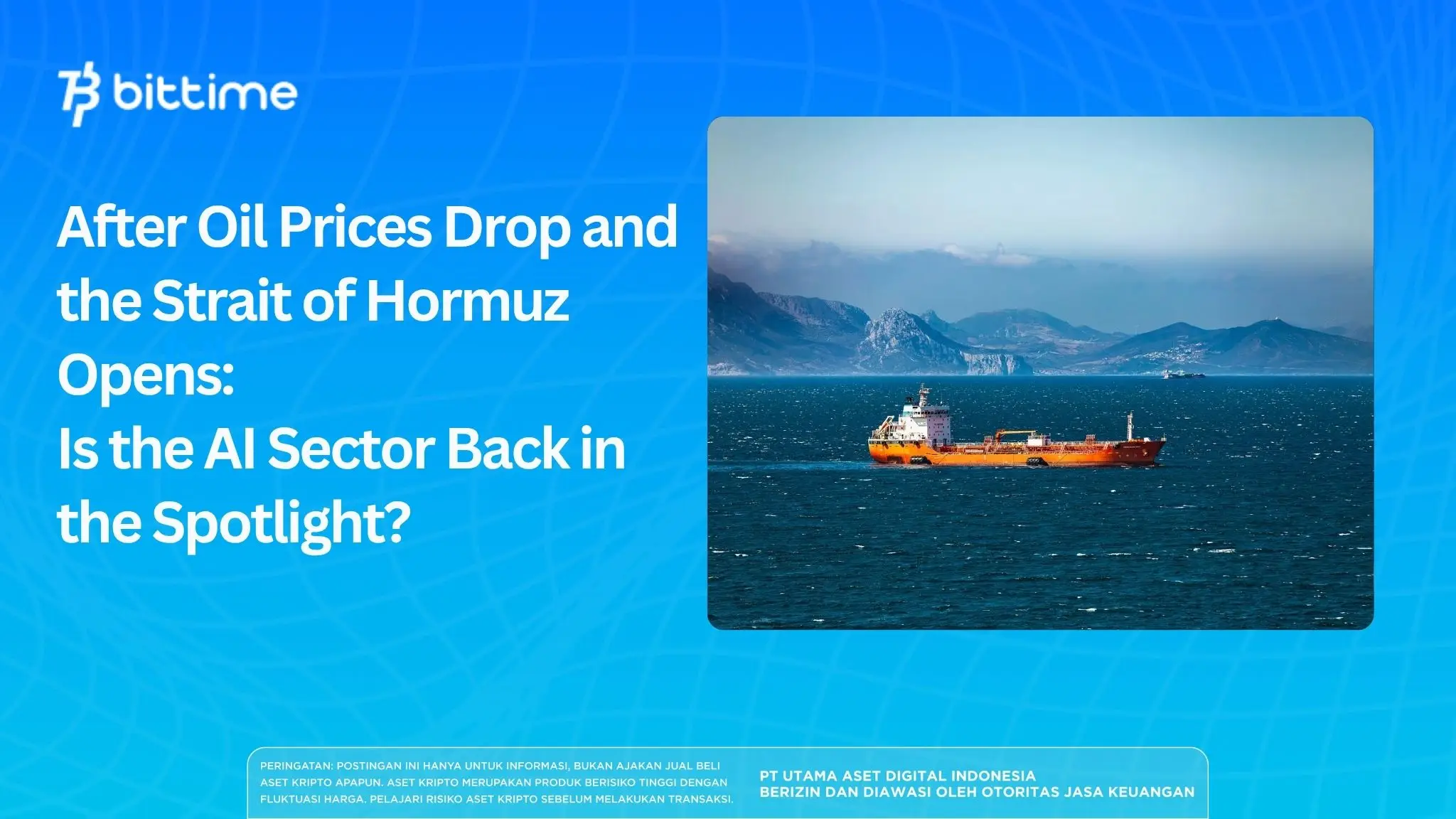
The US-Iran ceasefire and the reopening of the Strait of Hormuz in mid-June 2026 immediately put pressure on oil prices, with Brent falling 4.8% to $83.17 and WTI falling 4.9% to $80.75.
This decline opens a recovery window for technology stocks that were previously pressured by energy and inflation risks.
Nasdaq responded with a 1.9% gain on June 18, led by the semiconductor and AI hardware chain sectors.
But the rally was uneven: funds went selectively to Intel (+10%), optical interconnects, storage, and domestic manufacturing, not broad tech.
The question is, is this the beginning of a sustainable AI sector revival, or simply a valuation correction following geopolitical risk mitigation?
This article will explore the macroeconomic impact, AI hardware stock performance, and what will determine the market's future direction.
Key Points
The US-Iran ceasefire and the opening of the Strait of Hormuz lowered energy risks: Brent fell 4.8% to $83.17, WTI fell 4.9% to $80.75 — creating a window of recovery for growth stock valuations.
The Nasdaq rose 1.9% on June 18, led by semiconductors, optoelectronics, storage, and domestic manufacturing—not a broad tech rally, but a selective repricing of the AI hardware chain.
Intel jumped 10-11% after Trump announced that Apple would partner with Intel for chip design and manufacturing in the US. However, there has been no official confirmation on the scale of the contract or the production timeline.
Register at Bittime now and start trading crypto with a fast, safe, and easy process in the app.
Oil Prices Fall, Strait of Hormuz Opens: A Window for Valuation Recovery
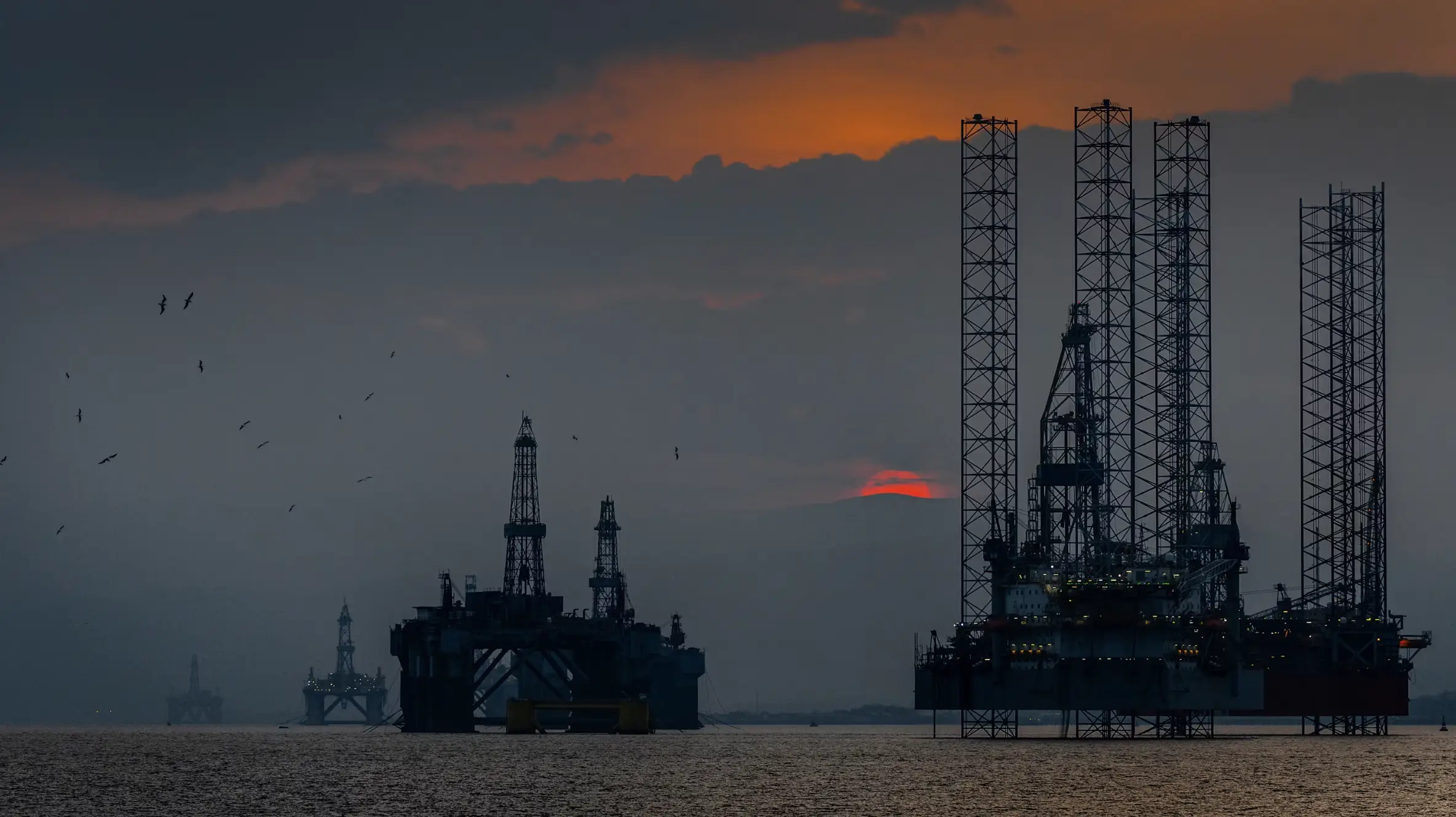
According to AP and Axios reports, the US and Iran agreed to extend thea 60-day ceasefire and a framework for tanker traffic through the Strait of Hormuz.
The impact was immediate: oil prices fell 4.8% (Brent to $83.17) and 4.9% (WTI to $80.75), returning to early March levels.
This oil drop is significant because the Strait of Hormuz is a vital global oil route.
If blocked, oil prices and inflation expectations could rise rapidly, depressing growth stock valuations.
Conversely, the opening of the strait reduces energy risks, opening a window of valuation recovery for technology stocks.
The Nasdaq responded with a 1.9% gain on June 18, 2026, led by the semiconductor and AI hardware chains. It's important to note, however: this wasn't a broad tech rally.
Funds are more selective, going into chip manufacturing, optical interconnects, storage, and domestic manufacturing.
Read also:What Is CVXON? Understanding Chevron's Tokenized Stock from Ondo Finance
AI Hardware Rally: Intel, Optical, Storage
Intel was one of the most visible stocks, up around 10-11%.
The trigger: Trump stated that Apple would work with Intel to design and manufacture chips in the US.
However, there has been no official confirmation from Apple or Intel regarding the scale of the contract, product categories, or mass production timeline.
This is a catalyst for domestic manufacturing policy and narrative—not a solid earnings report. Intel needs to prove that this partnership can translate into real foundry revenue.
Optical interconnects (such as Coherent, which is growing due to demand for high-speed data transmission) and storage (Micron, Western Digital) are also attracting attention.
AI clusters require more than just GPUs; they require high memory bandwidth, storage capacity, and data transfer efficiency.
Astera Labs provides a concrete benchmark: Q1 2026 revenue reached $3.084 billion, up 93% year-on-year and 14% quarter-on-quarter, driven by demand for PCIe 6 and AI-interconnect products.
This shows that the AI hardware chain is not just a narrative, but has become a real order and revenue stream.
Read also:What Are AI Cryptocurrencies? 9 Popular AI Coins to Watch in 2026
Macroeconomic Impact vs. AI Fundamentals
Key questions:Is this rally due to macroeconomics (downward energy risk) or AI fundamentals (real orders and capex)?
Both play a role.
The opening of the Strait of Hormuz reduced the risk premium, allowing funds to reinvest in growth stocks. More importantly, once the window opened, funds selected segments that could be validated by earnings and capital expenditure.
This differs from the early AI cycle which relied solely on the narrative of “bigger models, more GPUs.”
Now investors are asking: who really gets the revenue from building data centers?
Intel (policy catalyst), Astera Labs (revenue validation), and optical/storage (bottleneck AI clusters) represent three distinct validation pathways.
If Q2 earnings show cloud providers' capex remains strong, AI server orders are strong, and optical/storage revenue guidance continues to grow, this rally will look like a continuation of the AI cycle.
Otherwise, the market might define it as a valuation correction following geopolitical risk mitigation.
Read also:AI Image Generator 2026: Comparison of GPT Image 1.5, Flux 2 Max & Gemini 3 Pro
Who Benefits from the Opening of the Strait of Hormuz?
The opening of the Strait of Hormuz benefits several parties:
US tech stocks: Nasdaq and semiconductors get a valuation recovery window.
Intel: policy catalysts and domestic manufacturing narratives.
AI hardware chain: optical interconnects, storage, dan equipment.
Astera Labs: revenue validation strengthens trust in AI infrastructure orders.
But keep in mindThe US-Iran framework is still in its infancy. The 60-day ceasefire could fail, and the risks in the Strait of Hormuz have not yet disappeared.
Read also:Top 5 AI Cryptocurrencies in 2026: Which Ones Are Worth Buying?
Conclusion
After the oil price dropped and the Strait of Hormuz opened, the AI sector returned to prominence, but in a different way.
The Nasdaq rose 1.9%, Intel jumped 10%, and Astera Labs posted revenue of $3.08 billion.
But this rally is more selective: funds are going into AI hardware chains that can be validated by revenue and capex, not indiscriminate broad tech.
Intel still needs to prove the Apple partnership translates into real revenue.
Astera Labs has proven it.
Optical and storage are awaiting confirmation of Q2 earnings. Meanwhile, the macroeconomic environment remains fragile: the 60-day truce could change at any time.
The opening of the Strait of Hormuz opens a window, but the answer to whether AI returns to its prime will be in the Q2 earnings report, not a one-day rally.

Interested in investing in global stocks? Check out tokenized stocks like AAPLX and NVDAX on the Bittime market.
Bittime is a licensed and regulated Digital Financial Asset Trader (PAKD) supervised by Indonesia’s Financial Services Authority (OJK) — where you can buy Bitcoin in Indonesia and hundreds of other crypto assets starting from just Rp10,000. The registration process is fast, secure, and you can get started today.
Track USDT to IDR conversions and monitor your favorite crypto assets in real time. Everything is available in one crypto investment app that you can download for free on the Play Store
Ready to start? Register now on Bittime and execute your investment strategy with a platform trusted by millions of users in Indonesia.
FAQ
Why did the Nasdaq rise after the Strait of Hormuz opened?
Opening the straits lowers energy risks, suppresses oil prices, reduces inflationary pressures, and opens a window for recovery in growth stock valuations.
What impact will the opening of the Strait of Hormuz have on AI stocks?
Reducing the risk premium, allowing funds to flow back into the AI hardware chain, which can be validated by revenue and capex.
Why is Intel up 10%?
Trump stated that Apple would work with Intel to design and manufacture chips in the US. However, there has been no official confirmation.
What is AI hardware chain?
Semiconductors, optical interconnects (high-speed data transmission), storage, equipment, and chip manufacturing.
What is Astera Labs' contribution?
Q1 2026 revenue was $3.08 billion, up 93% YoY, driven by demand for PCIe 6 and AI-interconnect — evidence of real AI infrastructure orders.
Do tech stocks rise after oil falls?
Yes, but selectively. Not a broad tech rally, but rather a selective repricing of the AI hardware chain.
Disclaimer: The views expressed belong exclusively to the author and do not reflect the views of this platform. This platform and its affiliates disclaim any responsibility for the accuracy or suitability of the information provided. It is for informational purposes only and not intended as financial or investment advice.

.png)