SEC Classifies 16 Cryptos as Digital Commodities in 2026: What Does This Historic Decision Mean in March 2026?
2026-03-29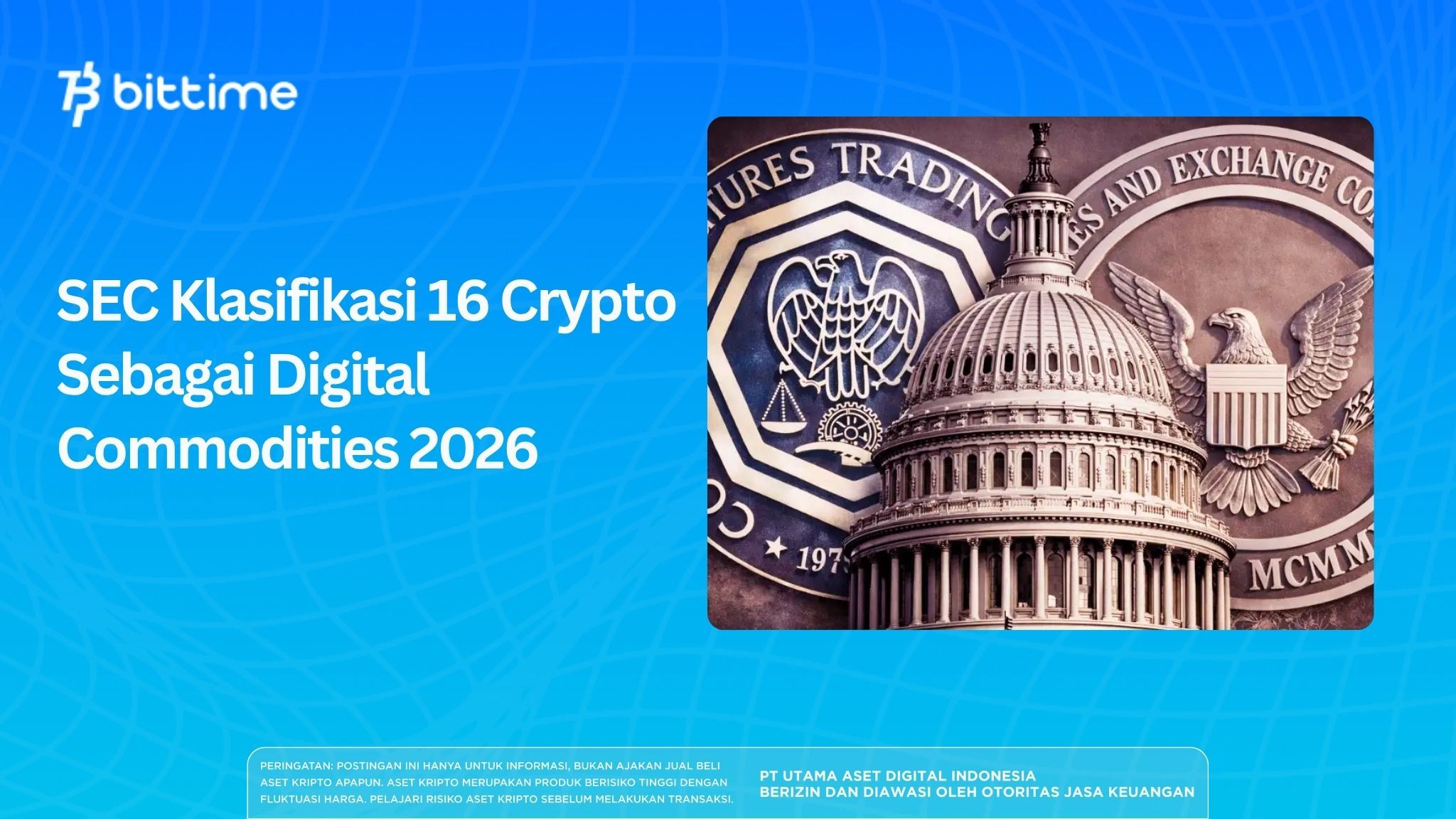
On March 17, 2026, the U.S. Securities and Exchange Commission (SEC) and the Commodity Futures Trading Commission (CFTC) issued a historic decision classifying 16 major cryptocurrencies as "digital commodities" under federal law.
This decision provides much-awaited regulatory clarity for the crypto industry, ending more than a decade of uncertainty about whether digital assets should be treated as securities or commodities.
Bitcoin, Ethereum, XRP, and Solana, which are included in this list, can now grow faster with the legal certainty supporting them.
This move provides great opportunities for investors to enter the market more safely and clearly. It also paves the way for the development of ETF products and allows for broader institutional adoption.
With Bitcoin at $72,000 and the market looking for a catalyst for the next price movement, this regulation comes at a crucial moment.
Key Takeaways:
- The SEC and CFTC's decision provides certainty for the crypto market, particularly for the 16 assets now classified as digital commodities.
- This opens up opportunities for new ETFs and smooths the path for institutional adoption, with XRP and Solana already in the approval process.
- This regulation creates a clearer path for the crypto market to develop, although challenges still need to be faced, such as taxes and DeFi regulations.
Classification of 16 Cryptocurrencies as Digital Commodities
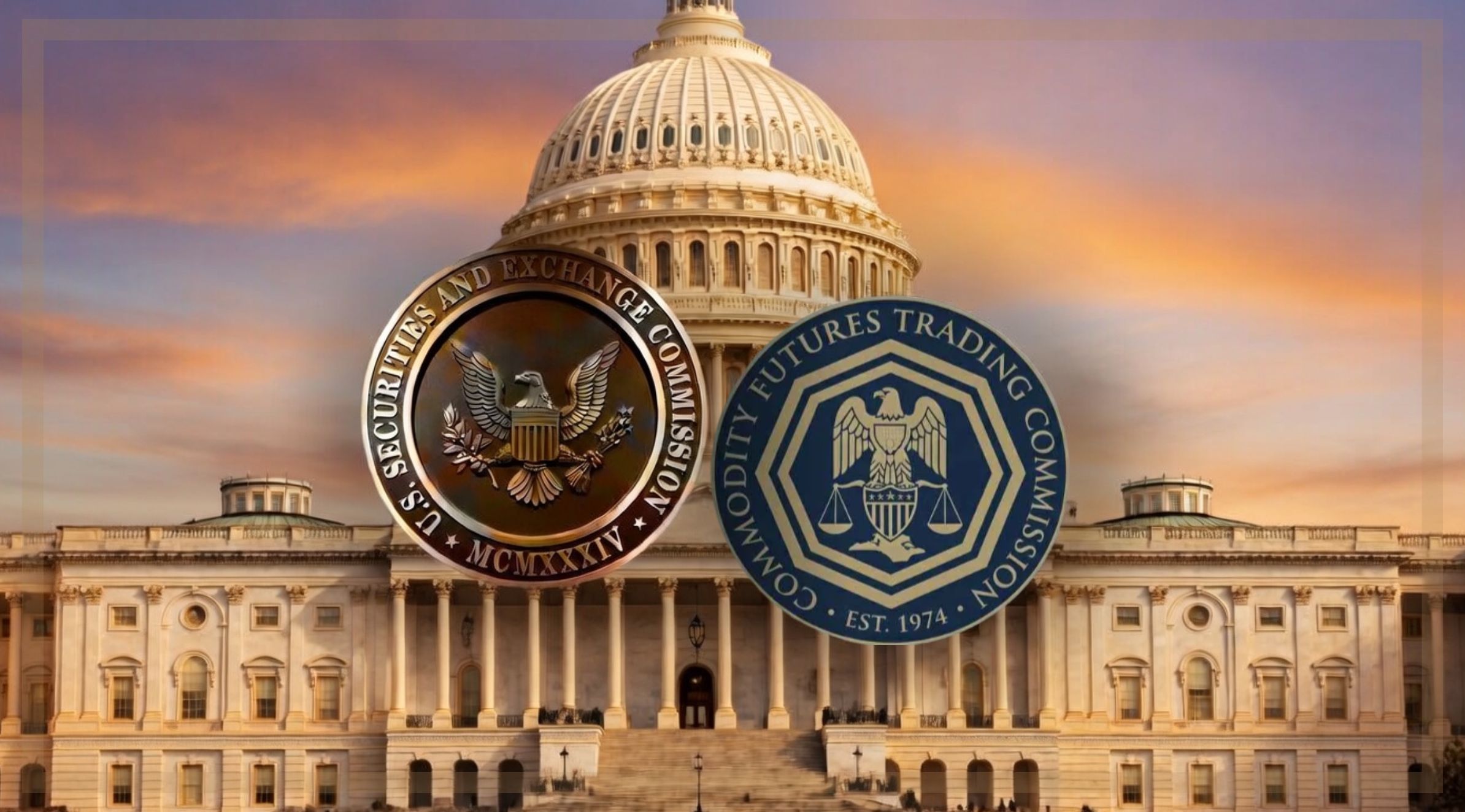
In March 2026, the SEC and CFTC jointly classified 16 cryptocurrencies as digital commodities, including Bitcoin, Ethereum (ETH), and XRP. The decision followed the criteria of decentralization and clear utility, stating that assets not controlled by centralized parties and having significant utility in the market could be categorized as commodities.
This provides a significant difference from securities, which require stricter registration regulations.
The decision makes Bitcoin and Ethereum pioneers, while XRP successfully overcame the legal uncertainty that has surrounded Ripple Labs for years.
Read Also: 7 Tips for Crypto Trading for Beginners, Complete with Tips and Tricks
However, some tokens related to DeFi projects or governance tokens still do not meet the criteria and remain classified as securities.
This decision provides a clearer structure for broader institutional adoption and reduces regulatory hurdles for exchanges operating with crypto assets.
Read Also: Join the Bittime Futures Public Beta Waitlist and Get Trial Funds up to 1500 USDT
Investment Impact and Market Influence
The crypto market welcomed this decision with Bitcoin's price stability around $72,000. The regulatory clarity provided allows ETF products to develop without legal uncertainty, paving the way for traditional investor adoption.
Several XRP and Solana ETFs are now in the approval process, expected to bring new capital into the crypto market.
Read Also: Crypto Trading Strategies for Beginners, Don't Do This!
Registered crypto exchanges classified as commodities can now operate with lighter compliance burdens, introducing more competitive fee structures. This also allows asset management and custodial services to operate under a more familiar legal framework, making it more accessible to institutional investors.
On the other hand, projects that fail to meet decentralization criteria may face higher regulatory risks in the future.
Conclusion
The SEC and CFTC decision classifying 16 cryptocurrencies as digital commodities is a major step in providing regulatory clarity for the crypto market.
With this regulation, investors can navigate the market with more confidence, and the development of products like ETFs will expand access to more investors. While challenges remain, this step represents significant progress for global crypto adoption.
Ready to take advantage of this new regulatory landscape? Bittime Exchange is here to help you with crypto trading, or you can read more crypto news at Bittime Blog.
FAQ
What is a digital commodity according to the SEC?
A digital commodity is a crypto asset that meets the criteria of decentralization and has real utility in the market, like Bitcoin and Ethereum.
What is the impact of the SEC decision on XRP?
This decision ends the legal uncertainty for XRP, recognizing it as a digital currency for cross-border payments, not as a security.
How does this regulation affect institutional adoption?
This regulation opens opportunities for institutional investors to more easily invest in cryptocurrency without concerns about legal uncertainty.
Are there other cryptocurrencies that could be classified as commodities?
Yes, the SEC is opening the possibility for other cryptocurrencies that meet the decentralization and utility criteria to receive similar recognition.
What challenges still exist in crypto regulation?
The main challenges are tax certainty and how this regulation will apply to DeFi projects and more centralized tokens.
How to Buy Crypto on Bittime?
Want to trade buy Bitcoin and invest in crypto easily? Bittime is here to help! As an officially registered crypto exchange in Bappebti, Bittime ensures every transaction is secure and fast.
Start with registration and identity verification, then make a minimum deposit of Rp10,000. After that, you can directly buy your favorite digital assets!
Check the rate BTC to IDR, ETH to IDR, SOL to IDR and other crypto assets to track today's crypto market trends in real-time on Bittime.
Additionally, visit Bittime Blog to get interesting updates and educational information about the crypto world. Find trusted articles about Web3, blockchain technology, and digital asset investment tips designed to enrich your knowledge in the crypto space.
Disclaimer: The views expressed belong exclusively to the author and do not reflect the views of this platform. This platform and its affiliates disclaim any responsibility for the accuracy or suitability of the information provided. It is for informational purposes only and not intended as financial or investment advice.
.png)