Is It True That Selfies Can Be Stolen for Fingerprint Scams? Here Are the Facts
2026-06-08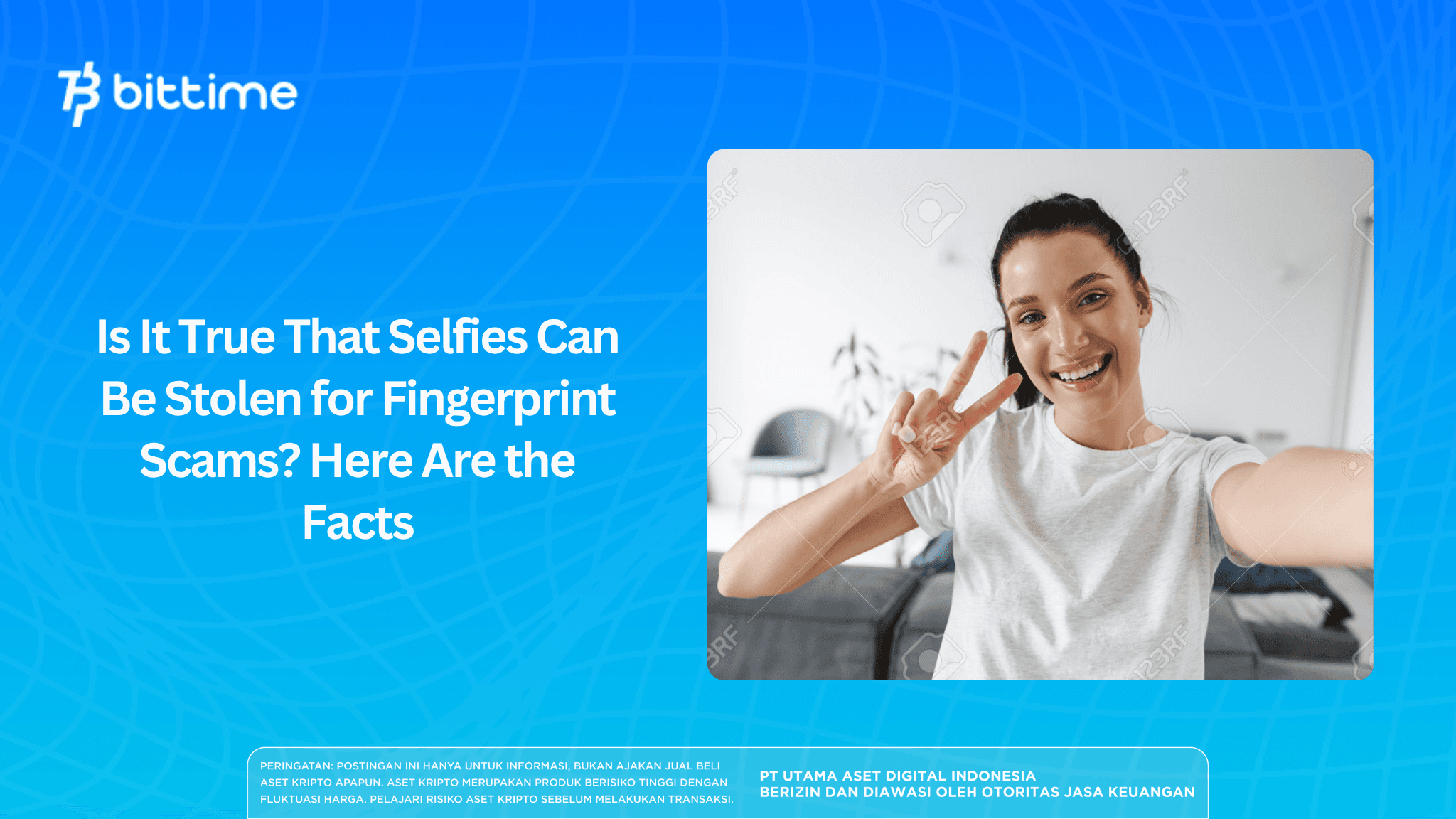
Recently, social media has been buzzing about a new threat called fingerprint scam or fingerprint theft from selfie photos.
This concern arose after several cybersecurity experts explained that modern AI technology has the potential to reconstruct fingerprint patterns from high-resolution photos uploaded publicly.
The narrative has sparked an important question: Is it true that someone can steal fingerprints just from a selfie photo showing a peace sign or fingers?
The answer is not simply yes or no. Technically it is possible, but the level of risk varies for each person.
Here is a complete explanation of fingerprint scams, the facts behind the technology, and steps you can take to protect your biometric data.
Key Takeaways
- Fingerprints can be reconstructed from high-resolution photos under certain conditions, but the process is not easy.
- The greatest risk mostly threatens high-value targets rather than ordinary users.
- AI-based cyber threats such as voice cloning and deepfakes are currently far more common than fingerprint theft from selfie photos.
Register at Bittime now and start trading crypto with a fast, secure, and easy process in the app.
What is a Fingerprint Scam?
A fingerprint scam is a form of biometric data misuse that exploits someone’s fingerprints to access devices, accounts, or commit identity fraud.
Unlike passwords that can be changed at any time, fingerprints are permanent biometric data. If this data is successfully stolen and replicated, the victim cannot simply replace their fingerprints like changing a password.
That is why biometric security issues are becoming increasingly important in the AI era.
This threat has become widely discussed after several reports showed that photos of hands or selfies with certain poses can reveal fingerprint pattern details if taken with high-resolution cameras.
Also read: AI-Based Crypto Scams Are Increasing: Deepfake Crypto Scams and Safe Ways to Avoid Fake Investments
Can Fingerprints Really Be Stolen from Selfie Photos?
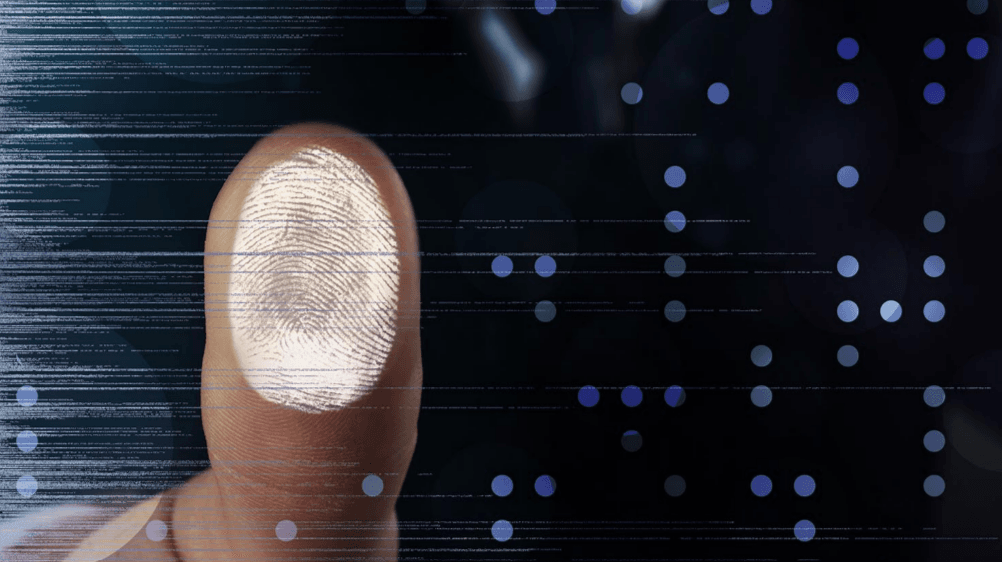
In theory, the answer is yes.
Cybersecurity experts and Carnegie Mellon University computer engineering professor Vyas Sekar explained that the technology makes it possible, especially if someone uploads very high-resolution images.
In practice, perpetrators need to go through several stages:
- Capture a photo that clearly shows the victim’s finger details.
- Enlarge and enhance the image quality using AI.
- Reproduce the fingerprint pattern into a biometric template.
- Use the data to attempt bypassing certain authentication systems.
However, the process is far more complicated than what is often portrayed on social media.
A perpetrator not only needs the victim’s fingerprint pattern but also access to the device or system that uses the fingerprint as an authentication method.
Because of the high level of difficulty, most cybercriminals prefer easier and cheaper fraud methods.
Real Cases of Fingerprint Theft from Photos
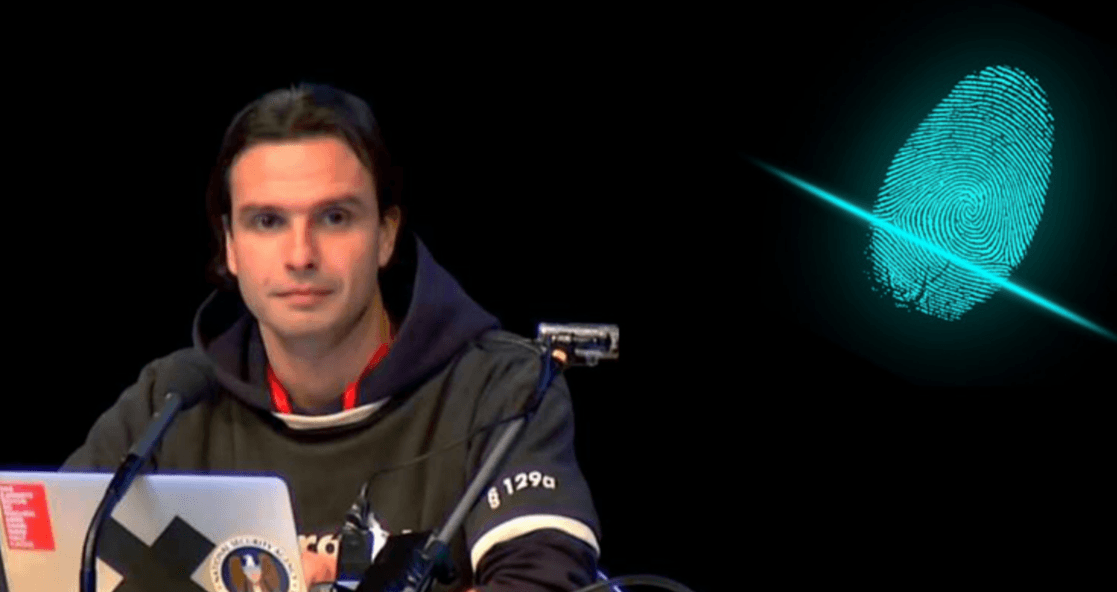
Although it sounds like a spy movie plot, similar cases have actually happened.
In 2014, German hacker Jan Krissler successfully reconstructed the fingerprints of former German Defense Minister Ursula von der Leyen using photos taken from various angles during public events.
That success proved that stealing fingerprints from photos is not just a theory.
However, it is important to note that the target in that case was a public figure with many high-quality photos available to the public.
This means the biggest threats are usually directed at:
- Government officials
- Executives of large companies
- Public figures
- Individuals with access to high-security facilities
For ordinary users, the risk is relatively lower.
Why Biometric Data Is an Attractive Target?
The main reason is that biometric data is permanent.
Common types of biometric data used today include:
- Fingerprints
- Face
- Retina
- Voice
- Palm patterns
If a password leaks, users can change it in minutes. But if biometric data is stolen, that identity stays compromised for life.
More Dangerous AI Threats
Although the selfie fingerprint scam issue attracts public attention, experts believe there are other threats that are far more common.
Conclusion
Is the fingerprint scam real? Technically, yes. Modern AI technology makes it possible to reconstruct fingerprints from certain photos, especially if the image has high resolution and clearly shows finger details.
However, for most users, the risk is relatively low compared to other cyber threats such as phishing, voice cloning, and deepfakes.
The most important thing is to understand that biometric data is a very valuable digital asset. The more personal information you share publicly, the greater the chance that the data will be misused.

Bittime is a licensed and supervised Digital Financial Asset Trader (PAKD) platform. Buy Bitcoin and hundreds of other crypto assets starting from Rp10,000 with a fast and secure registration process.
FAQ
Can selfie photos really be used to steal fingerprints?
In theory, yes — especially if the photo has high resolution and clearly shows fingerprint details. However, the process is quite complex and not easy to carry out.
What is scam fingerprint?
Fingerprint scam refers to the misuse or theft of fingerprint data to gain unauthorized access to devices, accounts, or to commit identity fraud.
Are regular users at risk of becoming victims?
There is some risk, but it is relatively low. More common targets include public figures, government officials, or individuals with access to high-value systems.
Why is biometric data dangerous if it is leaked?
Because biometric data, such as fingerprints or facial features, cannot be changed like a password. If compromised, the consequences can last for a very long time.
How can biometric data be protected?
Use multi-factor authentication (MFA), limit the sharing of high-resolution photos that may reveal fingerprints, enable privacy settings on social media, and stay vigilant against phishing attempts and AI-powered scams.
Disclaimer: The views expressed belong exclusively to the author and do not reflect the views of this platform. This platform and its affiliates disclaim any responsibility for the accuracy or suitability of the information provided. It is for informational purposes only and not intended as financial or investment advice.

.png)


