Pump.fun Accused of Being a "Casino of Scams," Here's the Controversy
2026-08-18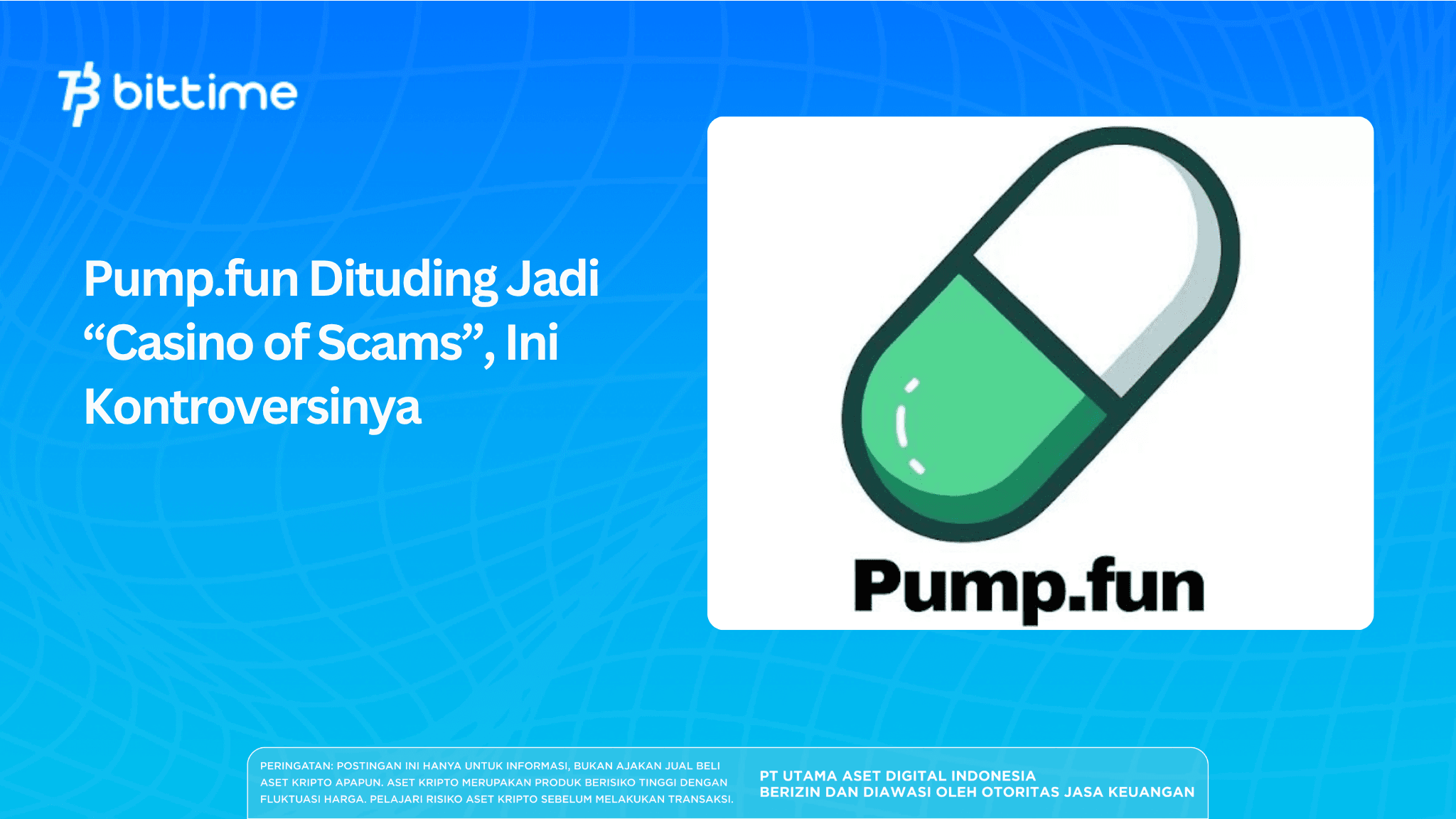
Pump.fun is back in the spotlight after Michael Egorov, founder of Curve Finance, sharply criticized the Solana-based memecoin launch platform.
Egorov called Pump.fun a “casino of scams,” referring to the high level of speculation and the risks associated with tokens traded through the platform. The statement then sparked debate over the limits of responsibility among the platform, token creators, and traders in the open memecoin market.
Key Takeaways
- Michael Egorov criticized Pump.fun, calling it a “casino of scams” associated with high-risk memecoin trading.
- The criticism was countered by the argument that Pump.fun merely provides the infrastructure, while decisions to create and trade tokens remain in the hands of users.
- The controversy has reignited debate over scams, rug pulls, speculation, and platform responsibility within the memecoin ecosystem.
Why Is Pump.fun Called a “Casino of Scams”?
Michael Egorov made the comment while discussing several popular products in the Solana ecosystem. His harshest criticism was directed at Pump.fun. In his post, Egorov explicitly described the platform as a “casino of scams called memecoins.”
The phrase reflects his view of the highly speculative nature of memecoin trading. Anyone can create a token through Pump.fun, after which other users can buy and sell it.
Pump.fun itself explains that its platform allows anyone to create a coin and gives users access to buy or sell from the outset. The platform also warns that prices can move quickly and that users should exercise caution when trading.
That ease of access is both a strength and a source of controversy. The barrier to creating tokens is low, but traders must deal with many new projects that have limited track records, utility, and credibility.
Read also: Pump.fun Launches Callout Rewards, Earn Tokens from Trading Referrals
Michael Egorov Criticizes Pump.fun and the Solana Ecosystem
Egorov’s criticism was not actually limited to Pump.fun. He also complained about his experience using Phantom with a hardware wallet and compared it with MetaMask. Even so, Egorov still spoke positively about the Solana Foundation’s support for its ecosystem.
The statement broadened the debate. The issue is not simply whether Pump.fun hosts many speculative tokens, but whether applications that become prominent on a blockchain also shape the reputation of that network.
Pump.fun itself has become one of the applications most closely associated with Solana’s memecoin trend. Its system allows new tokens to be launched and traded through a bonding curve mechanism before they meet certain conditions to advance to the next stage of trading.
Read also: What Is Pump.fun’s GO Feature?
Is Pump.fun Really Responsible for Scams?
This is where the controversy becomes more complex. Egorov’s statement drew a response from Tomi204, co-founder of ClawPump, who argued that Pump.fun provides a service while users determine how that service is used.
That argument places greater responsibility on token creators and traders. Permissionless platforms are designed so that users do not need centralized approval to launch assets.
On the other hand, the ease of issuing tokens can amplify risk when users fail to conduct adequate due diligence. Tokens can appear quickly, rise on social media hype, and then lose value within a short period.
The central debate is therefore not simply whether Pump.fun provides the technology, but how far a platform should go to protect users when its product model actively facilitates the trading of highly speculative assets.
Read also: Pump.fun Adds Support for Non-Native Tokens: What Does It Mean for the Solana Ecosystem?
Pump.fun Casino Scams: What Are the Risks for Traders?
The “Pump.fun casino scams” label should not be treated as proof that every token on the platform is a scam. However, traders still need to understand that memecoins carry very different risks from crypto assets with more established use cases and market histories.
Some risks to consider include:
- prices can move dramatically within a short period;
- new tokens may have very thin liquidity;
- the creator’s identity or track record may be unclear;
- social media hype can drive impulsive decisions;
- potential market manipulation or coordinated activity can be difficult for new traders to identify.
Research into Pump.fun activity has also highlighted speculative dynamics and possible manipulative behavior during token launches, underscoring the importance of analyzing early transaction patterns before making a decision.
Therefore, the appearance of a token on a popular platform should not be taken as an indication that the token is safe.
Read also: PUMP Buyback Uses 99% of Daily Revenue: Can It Support the Price?
Is This Controversy Bad for Solana?
Not necessarily. Egorov’s criticism specifically distinguishes the quality of the Solana network from the applications running on top of it. He acknowledged the support behind the Solana ecosystem but questioned the quality of some of its consumer-facing products.
The debate instead highlights the challenges of permissionless blockchains. A network can offer fast transactions and open access, but the quality of applications and user behavior can still vary widely.
For Solana, memecoin activity does bring users and transaction volume. However, the ecosystem’s long-term reputation also depends on security, transparency, application quality, and user protection.
Read also: Pump.fun’s Acquisition of Vyper Drives Cross-Chain Terminal Expansion
What Should You Consider Before Buying a Memecoin?
Traders should not buy a token simply because it is going viral. Check the token distribution, large-wallet activity, liquidity, the project’s official accounts, the creator’s history if available, and transaction patterns before entering a position.
Avoid using money needed for essential expenses, as memecoin volatility can be extremely high. Claims of large profits should also be treated skeptically, especially for new projects with no verifiable information.
If you want to keep up with developments around Pump.fun, Solana, memecoins, and the latest crypto news, you can sign up for Bittime and check market updates regularly before making decisions.
Conclusion
Michael Egorov’s statement calling Pump.fun a “casino of scams” has reopened the debate over memecoin risks and the responsibilities of permissionless platforms. The criticism does not mean that every token on Pump.fun is a scam, but it does highlight the real risks of a market that is highly accessible and highly speculative.
For traders, the most important point is not choosing a side in the debate, but understanding the risks. The ease of creating and buying tokens does not remove the need to conduct research, check liquidity, and manage risk before trading.
Bittime is a licensed Digital Financial Asset Trader (PAKD) supervised by the Financial Services Authority — where you can buy Bitcoin in Indonesia and hundreds of other crypto assets starting from Rp10.000. Registration is fast and secure, and you can get started today.
Track the conversion rate of USDT to IDR and the price movements of your favorite crypto assets in real time. Everything is available in a single crypto investment app that can be downloaded for free from the Play Store.
Ready to get started? Sign up for Bittime now and execute your investment strategy on a platform trusted by millions of users in Indonesia.
FAQ
Who Called Pump.fun a “Casino of Scams”?
Michael Egorov, founder of Curve Finance, used the phrase while criticizing Pump.fun and several products in the Solana ecosystem. The statement represented Egorov’s personal criticism of memecoin culture and its risks.
What Is Pump.fun?
Pump.fun is a Solana-based platform that allows users to create and trade tokens, especially memecoins. The platform states that anyone can create a coin and access trading from the outset.
Are All Pump.fun Tokens Scams?
No. It is not accurate to conclude that all Pump.fun tokens are scams based solely on Egorov’s criticism. Each token still needs to be evaluated based on its creator, distribution, liquidity, on-chain activity, and project information.
Why Is Pump.fun Controversial?
The controversy relates to how easy it is to launch speculative tokens and the debate over who is responsible when users suffer losses from problematic tokens. The permissionless model makes the issue difficult to answer in simple terms.
Are Memecoins on Pump.fun Safe to Buy?
There is no guarantee of safety or profit. Traders need to evaluate tokens independently and understand the risks of volatility, low liquidity, price manipulation, and the potential loss of their entire investment.
Disclaimer: The views expressed belong exclusively to the author and do not reflect the views of this platform. This platform and its affiliates disclaim any responsibility for the accuracy or suitability of the information provided. It is for informational purposes only and not intended as financial or investment advice.
.png)