Why Did Norway Ban ChatGPT and Generative AI for Elementary School Children?
2026-06-22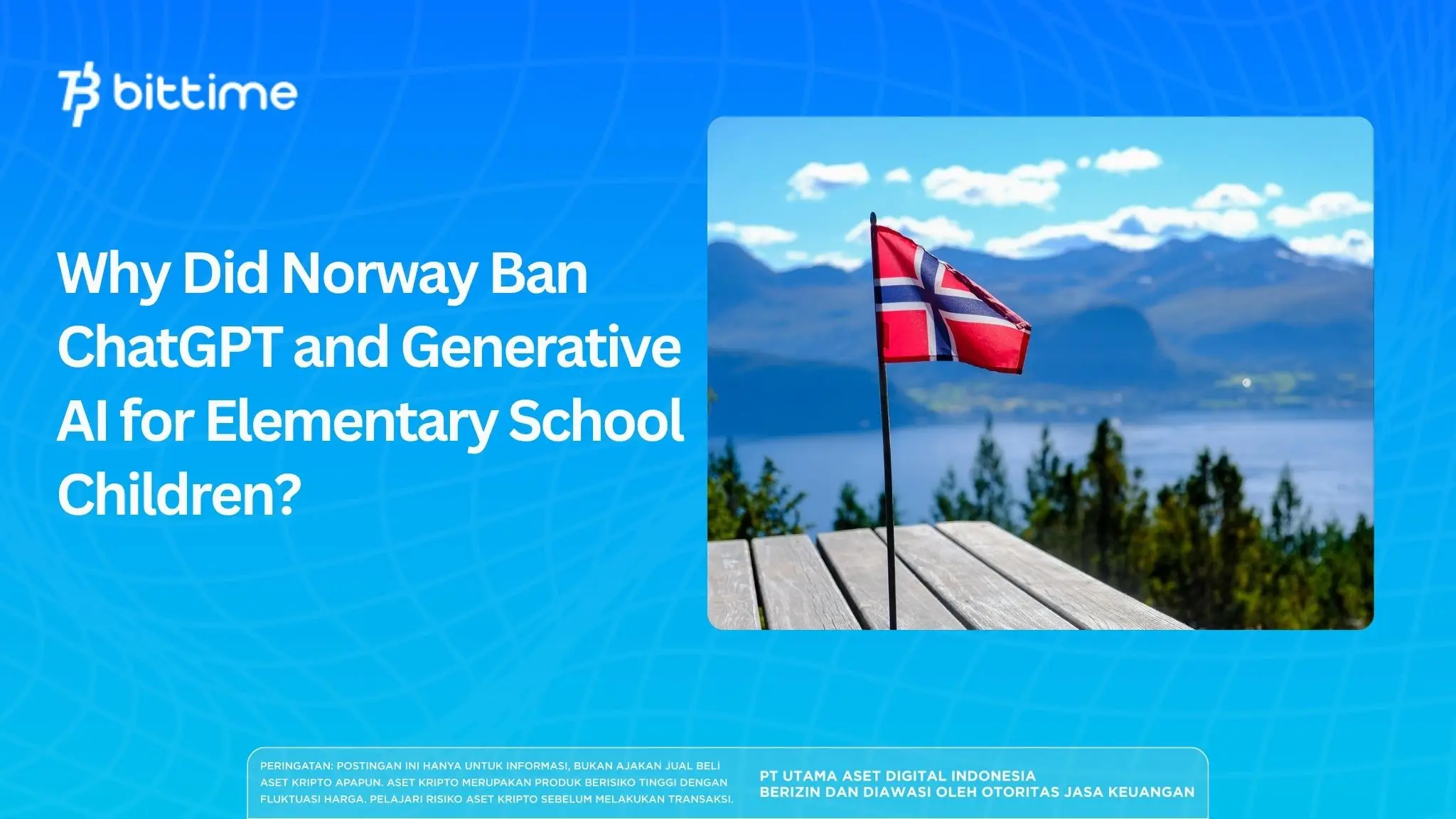
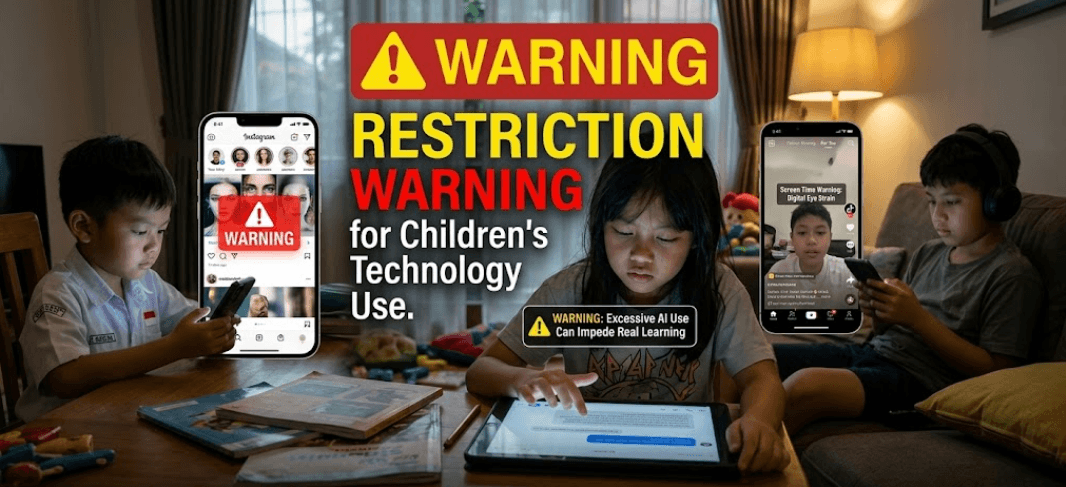
Norway has officially implemented a near-total ban on the use of generative AI for primary school students starting in August 2026.
Prime Minister Jonas Gahr Støre emphasized that the top priority for education is reading, writing, and arithmetic—not technological sophistication.
This decision was based on concerns that early use of AI could cause children to miss critical stages in the learning process and impair critical thinking skills.
This ban applies to students aged 6-13 (grades 1-7), while students aged 14-16 may only use it under teacher supervision, and students aged 17-19 are taught to use AI appropriately to prepare for work.
This article will review the background to the policy, the rules per age group, and the research and studies that underpin this controversial decision.
Key Points
Norway is imposing a near-total ban on the use of generative AI for primary school students (grades 1-7, ages 6-13) starting September 2026.
For junior high school students (ages 14-16), AI may be used cautiously under teacher supervision. High school students (ages 17-19) are taught to use AI appropriately.
This decision was based on research showing that AI weakens critical thinking skills and memory—as well as lowering reading, writing, and math scores in Norway.
Register at Bittime now and start trading crypto with a fast, safe, and easy process in the app.
AI Ban in Norwegian Schools
Norway has officially imposed a near-total ban on the use of generative AI for primary school students.
Prime Minister Jonas Gahr Støre emphasized: "The most important thing in schools is that our children learn to read, write and count."
He added that the use of AI increases the risk of students missing important stages in learning.
Starting September 2026, the Norwegian government will implement:
- Children in grades 1 to 7 (ages 6-13) "will generally not be given access to AI," according to an official government statement.
- For junior high school students (grades 8-10, ages 14-16), AI can be used cautiously under the supervision of a trained teacher.
- Meanwhile, high school students (aged 17-19) must learn to use AI appropriately to be ready to continue their education or enter the world of work.
The policy also includes plans to increase the use of books in the classroom, reversing the trend of tablet use that began in 2010.
Read also:Alph.ai: Quick Tutorial (Sniper, Wallet Tracker)
Why Did Norway Ban AI for Children?
This decision was based on three main factors.
1. Decline in educational value.
Over the past few years, Norwegian children's reading, writing, and math skills have declined. The government sees generative AI as a contributing factor to the problem.
2. Research on the impact of AI on the brain.
Studies conducted with adults show that the use of AI tends to reduce reliance on critical thinking and problem-solving. AI use also weakens memory and can significantly impact learning. For children, high-quality research on the effects of AI on brain function is still very limited.
3. Lack of critical thinking skills in children.
The government's official statement explains: "The youngest students lack the knowledge, critical reflection and self-regulation needed to use AI well."
Children under 13 are not yet able to distinguish accurate information from the “hallucinated garbage” that AI often produces.
Read also:What Is Cursor? An AI Coding Agent That Can Build Apps Without Manual Coding
Nordic Study: Majority Supports Ban
The large-scale survey by technology company Solita involved more than 3,000 office workers in Sweden, Finland and Denmark.
The result:Four out of five respondents (81%) believe children under 13 should not use AI.
In fact, 39% think children should start using AI no earlier than the age of 16. As many as 11% of respondents believe children should not use AI at all.
Only 6% think using AI like ChatGPT or Google Gemini is appropriate for children under 10.
Lasse Girs, Head of AI Studio Solita, said: "Using AI tools may seem 'child-like' on the surface, but in reality it requires the development of a wide range of cognitive skills and the ability to question different types of content."
Neuroscientist Mona Moisala adds: "Studies conducted with adults show that when using AI, people tend to rely less on critical thinking and problem-solving. The use of AI also appears to weaken memory retention."
Read also:What Is Outlier AI? Scale AI's Freelance AI Training Platform
Next Steps: Social Media and Cell Phone Bans
Norway has banned mobile phones in classrooms since 2024.
This AI ban follows a similar policy for social media which was banned for children under 16 in early 2026, following in the footsteps of Australia which implemented a similar ban in 2025.
The UK also plans to introduce similar laws starting next year.
Read also:What Is GovTech AI Indonesia? Here's How It Works and Its Benefits for the Community
Conclusion
Norway will ban generative AI for primary school children starting September 2026. This decision is based on the decline in educational value, research on the impact of AI on critical thinking skills, and the lack of capacity among young people to use AI responsibly.
The Nordic survey showed 81% of respondents supported this age limit.
With bans on mobile phones and social media already in place, Norway takes a conservative approach to digital technology in education.
FAQ
Why did Norway ban AI in schools?
Due to declining reading, writing, and math scores, the government is concerned that the use of AI is causing children to miss important learning milestones.
What age is prohibited from using AI?
Elementary school students in grades 1-7 (ages 6-13) are prohibited from using AI. Middle school students (ages 14-16) are permitted with teacher supervision. High school students (ages 17-19) are taught how to use AI appropriately.
When does this ban come into effect?
September 2026, the start of the new school year.
What is the scientific basis for this prohibition?
Research shows that AI impairs critical thinking, problem-solving, and memory. For children, research on AI's impact on the brain is still limited.
Are other countries doing the same thing?
Australia has banned social media for children under 16. The UK plans to implement similar rules. Norway has also banned mobile phones in classrooms since 2024.
What do the Nordic people say about this?
A Solita survey showed that 81% of respondents agreed that children under 13 should not use AI. 39% believed the minimum age should be 16.
Disclaimer: The views expressed belong exclusively to the author and do not reflect the views of this platform. This platform and its affiliates disclaim any responsibility for the accuracy or suitability of the information provided. It is for informational purposes only and not intended as financial or investment advice.

.png)