What Is Leverage and How Does It Work? Complete Guide!
2025-09-29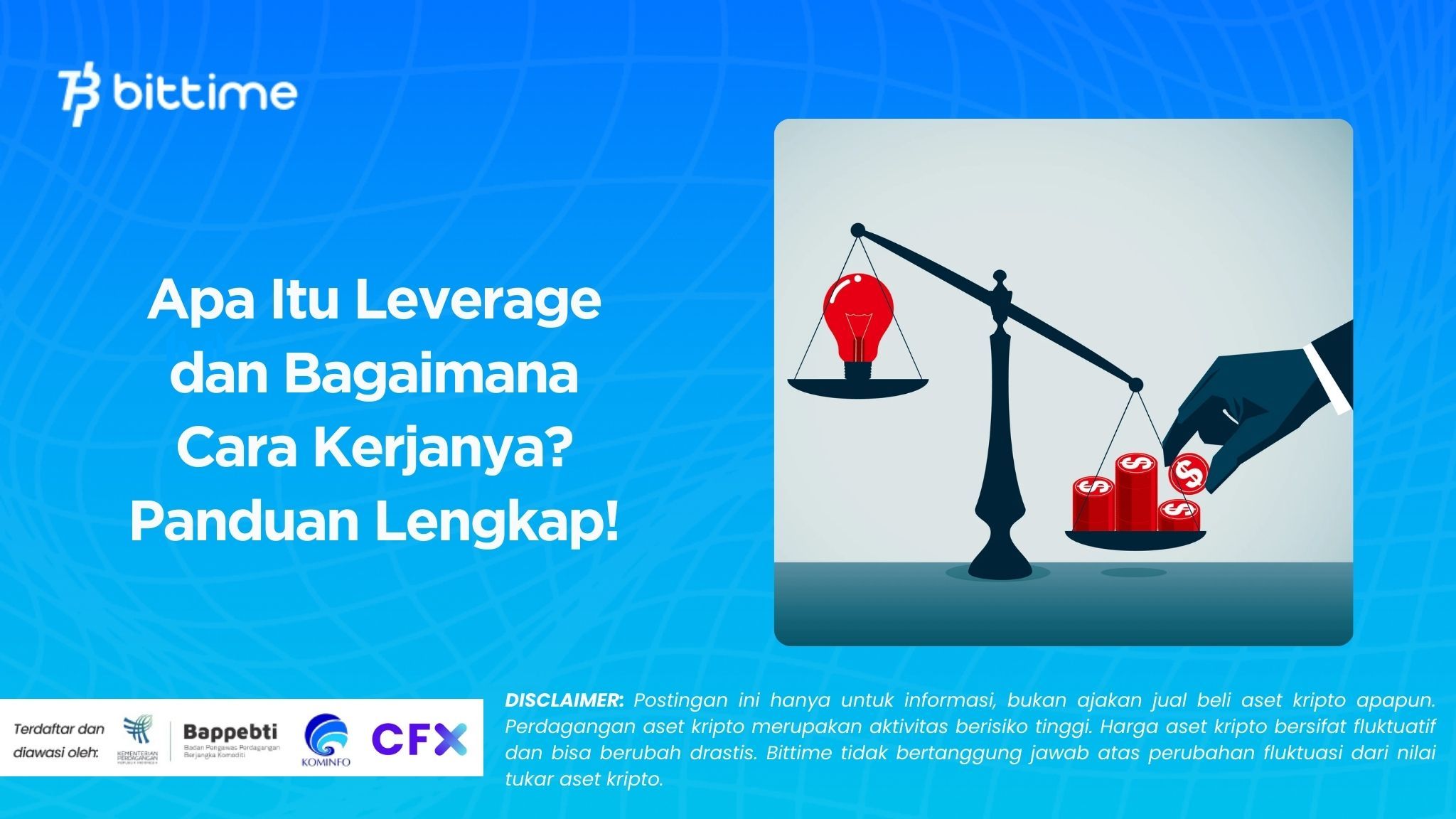
For many traders and investors, leverageis a term often heard but sometimes confusing. Essentially, leverage is an instrument that allows you to increase your potential profits with less capital.
With leverage, you can purchase assets worth much more than your capital. However, while it may seem advantageous, leverage also carries risks that must be fully understood before using it.
We will discuss it thoroughlywhat is leverage, how it works, and what you need to consider before using it in trading.
Read Also: 7 Effective Crypto Trading Methods for Beginners, Complete with Tips and Tricks
What's that Leverage?
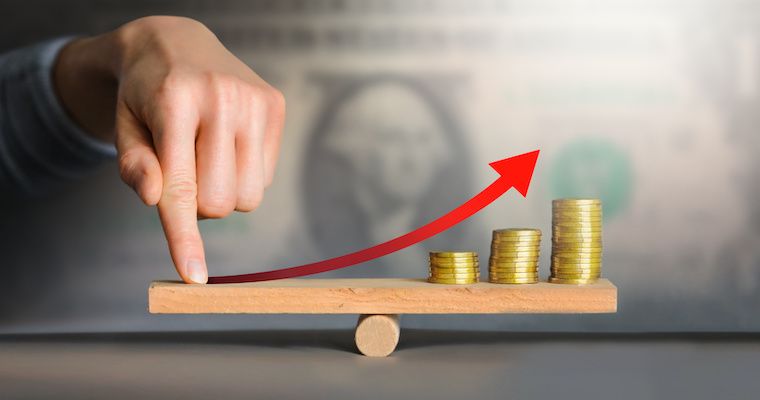
Leverage isA financial instrument that allows investors to gain greater exposure to an asset without having to pay the full price. Leverage allows you to purchase more stocks, currencies, or commodities with less capital.
For example, if you have capital of IDR 1 million and use 2x leverage, you can buy assets worth IDR 2 million even though you only have IDR 1 million.
The existence of leverage in financial markets aims to provide greater opportunities for investors with limited capital to obtain higher profits, albeit with greater risks.
In this case, leverage helps investors with small capital to still participate in larger markets.
Understanding How Leverage Works
Although it sounds promising,leverageIt's not an instrument to be used carelessly. Leading investment management firms worldwide, like major brokers, offer their clients leverage to increase potential profits.
However, it's important to remember that leverage also increases risk. In other words, while leverage allows you to achieve greater profits, if the market moves against your expectations, losses can be even greater.
How leverage works is quite simple. For example, if you use 2x leverage, you only need to deposit half the value of the transaction you want to make. In other words, leverage increases your purchasing power, but the remainder is borrowed from a broker or financial institution.
If you buy an asset using leverage if the asset's price rises, your profits will be greater than those you would have earned with just the amount of capital you deposited. Conversely, if the asset's price falls, your losses will also be greater.
Example of Leverage Concept

To better understand the concept of leverage, Let's examine the following illustration. Suppose investment management firm A offers 2x leverage to buy shares of company ABC, which are trading at Rp1 million per share.
If you have an initial capital of IDR 1 million, with this leverage, you can buy two ABC shares worth a total of IDR 2 million.
If the price of ABC shares rises to Rp1.2 million per share, you will get a profit of Rp400,000, not just Rp200,000 as you would get if you only bought one share with a capital of Rp1 million.
However, if the stock price drops to Rp800,000 per share, your loss will be Rp400,000, not just Rp200,000.
This illustrates thatleverage increases the potential for profit and loss. Therefore, it is very important to be careful in using it.
Read Also: Frequent Losses When Trading Crypto? Here Are 7 Reasons Why!
Understanding the Concept of Daily Leverage Fee
One of the costs that needs to be considered in using leverage is the daily leverage fee, or overnight fee, which is a fee charged when an investor holds a position open with leverage for more than one day.
These fees arise because leveraged transactions continue even after trading hours have ended.
For example, if an investor buys 10 shares of Alibaba (BABA) at US$100 per share, and he holds that position for more than one day, he will be subject to an overnight fee every night.
For example, if the overnight fee is 0.0205% per night, the fee charged on the first night would be US$0.20 and on the second night US$0.24. These fees will increase if the position is held longer.
Leverage Rules in Indonesia
In Indonesia, the use of leverage is recognized and regulated by the government. Futures contracts, which are a form of leverage, are recognized as standardized contracts for buying or selling commodities with future settlement.
These commodities can be stocks, bonds, interest rates, or foreign currencies. Furthermore, the Indonesian government ensures that leveraged transactions continue to operate in accordance with existing regulations, involving parties registered on futures exchanges.
This provides additional security for investors who use leverage to trade in financial markets.
Conclusion
Leverage is a very useful tool for increasing potential profits in trading, but it also carries risks that must be understood. Leverage allows you to enlarge your investment position with less capital, but losses can also be significantly greater if the market moves against your expectations.
Be sure to always be careful and understand how leverage works before using it in trading.
If you are interested in starting trading or want to learn more about the crypto world, visit Bittime Exchange for trading or reading Bittime Blog for the latest crypto news.
How to Buy Crypto on Bittime

Want to trade, sell buy Bitcoins and crypto investment easily? Bittime is here to help! As an Indonesian crypto exchange officially registered with Bappebti, Bittime ensures every transaction is safe and fast.
Start with registration and identity verification, then make a minimum deposit of IDR 10,000. After that, you can immediately buy your favorite digital assets!
Check the exchange rate BTC to IDR, ETH to IDR, SOL to IDR and other crypto assets to find out today's crypto market trends in real-time on Bittime.
Also, visit the Bittime Blog for interesting updates and educational information about the crypto world. Find reliable articles about Web3, blockchain technology, and digital asset investment tips designed to enrich your crypto knowledge.
FAQ
What is leverage in trading?
Leverage is an instrument that allows investors to purchase more assets than their capital by utilising loans from brokers or financial institutions.
How does leverage work?
Leverage works by allowing investors to purchase more assets with less capital. However, the risk of loss also increases with the use of leverage.
What are the risks associated with using leverage?
The biggest risk of using leverage is increased potential losses. If the asset price falls, the losses incurred could exceed the capital invested.
What is the daily leverage fee?
The daily leverage fee is a fee charged when a leveraged position is held for more than one day. This fee is calculated nightly and depends on the value of the open position.
Is leverage allowed in Indonesia?
Yes, leverage is recognized and regulated by the Indonesian government. Leveraged transactions are permitted through futures contracts traded on registered futures exchanges.
Disclaimer: The views expressed belong exclusively to the author and do not reflect the views of this platform. This platform and its affiliates disclaim any responsibility for the accuracy or suitability of the information provided. It is for informational purposes only and not intended as financial or investment advice.
.png)