World Oil Prices Rise 10%, What Impact on Indonesia?
2026-07-14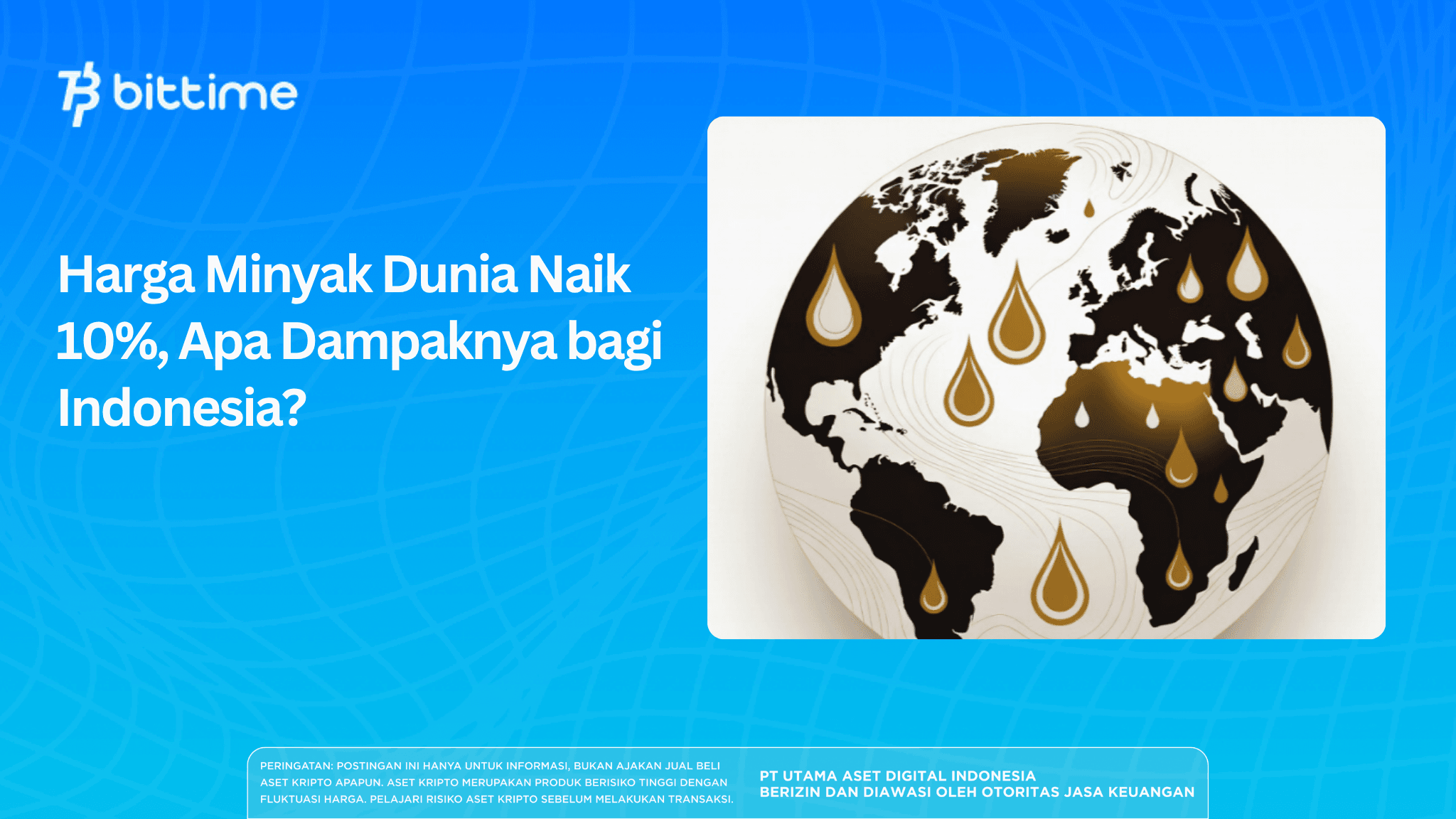
The movement of world oil prices has once again become a focus after surging nearly 10% in a single trading day.
This sharp spike was triggered by escalating Middle East conflict, particularly the latest tensions between the United States and Iran, which have raised concerns about the security of global energy distribution routes.
This increase not only affects the oil market but also influences stock markets, currency exchange rates, and inflation prospects in various countries. As a country that still imports part of its oil needs, Indonesia also has the potential to feel the impact if global energy prices remain at high levels.
Key Takeaways
- Brent and WTI oil prices surged nearly 10% due to rising geopolitical risks in the Middle East.
- The Strait of Hormuz has become the market's focus because it carries about 20% of global oil trade.
- Indonesia potentially faces rising energy import costs if oil prices remain high for an extended period.
Why Did World Oil Prices Rise Nearly 10 Percent?
Oil prices surged after the market reacted to escalating military conflict between the United States and Iran. The biggest concern for investors was not the war itself, but the possibility of disruption to global oil supply if the escalation continues.
Brent oil prices briefly surged close to 10%, while West Texas Intermediate (WTI) crude oil also recorded a similar increase. The spike was one of the largest daily gains in recent years.
According to a Jakarta Globe report citing international market developments, investors began adjusting prices due to rising geopolitical risks. This condition encouraged market participants to shift to assets considered safer, while energy commodities experienced sharp increases.
In the commodities market, oil prices are highly sensitive to potential supply disruptions. Even when production has not actually stopped, expectations of reduced supply are enough to drive prices higher as market participants factor in future risks.
Read Also: Iran Conflict and Its Impact on the Global Economy and Oil Prices

Source: Oil Price
The Strait of Hormuz Becomes the Key to Global Oil Supply
One of the main reasons for the rise in oil prices is the increased attention to the Strait of Hormuz, a strategic shipping route connecting the Persian Gulf with the Arabian Sea.
About 20% of global crude oil trade passes through this strait every day. Major producing countries such as Saudi Arabia, Iraq, the United Arab Emirates, Kuwait, and Qatar rely on this route to export oil to international markets.
If there is any disruption to shipping, whether due to military conflict or threats to tanker vessels, global oil distribution can slow down. As a result, supply becomes tighter and oil prices tend to rise.
A Pasardana report highlights that concerns about the security of the Strait of Hormuz have become the main factor driving the oil price rally this time. Meanwhile, various international energy analysts assess that geopolitical risk premiums have now returned to oil price calculations.
In addition to crude oil, this route is also an important passage for liquefied natural gas (LNG) trade, so its impact can extend to the overall energy market.
Take advantage of today’s opportunity to get started with investing. Sign up to Bittime and start building your portfolio.
What Is the Impact on Indonesia?
Indonesia is not entirely dependent on crude oil imports. However, national fuel needs are still met through imports of oil and petroleum products, so the rise in world oil prices still carries economic consequences.
If global oil prices remain high for a prolonged period, several potential impacts include:
- Increased energy import costs.
- The burden of energy subsidies may increase if the government maintains certain fuel prices.
- Pressure on the rupiah exchange rate may increase due to greater foreign exchange needs for energy imports.
- Logistics and transportation costs may rise, triggering inflationary pressure.
On the other hand, energy and oil and gas companies operating in Indonesia can benefit from higher oil selling prices if production remains stable.
The government will also continue to monitor global geopolitical developments because energy price stability has a direct influence on national economic growth.
Read Also: Iran-Us Tensions In Hormuz Resurface, Sending Brent And Wti Oil Prices Soaring
Conclusion
The nearly 10% surge in world oil prices shows that the energy market is highly sensitive to geopolitical developments.
The latest conflict between the United States and Iran has heightened concerns about disruptions to oil distribution through the Strait of Hormuz, one of the world's most important energy routes.
For Indonesia, the impact may not be felt immediately in the short term. However, if oil prices remain high in the coming weeks or months, energy import costs, inflation, and subsidy policies are likely to be affected.

Monitor developments in leading RWA asset prices such as ONDO, LINK, and HBAR, before trading on Bittime.
Bittime is a licensed and supervised Digital Financial Asset Trader (PAKD) platform by the Financial Services Authority — the place where you can buy Bitcoin in Indonesia and hundreds of other crypto assets starting from Rp10,000. The registration process is fast, secure, and can be started today.
Monitor the conversion USDT to IDR and the price movements of your favorite crypto assets in real-time. All available in one crypto investment app that can be downloaded for free on the Play Store.
Ready to start? Register now on Bittime and execute your investment strategy with a platform trusted by millions of users in Indonesia.
FAQ
Why did world oil prices rise nearly 10 percent?
Oil prices rose due to escalating conflict between the United States and Iran, which triggered concerns about disruptions to global oil supply, especially through the Strait of Hormuz.
What is the Strait of Hormuz?
The Strait of Hormuz is a strategic shipping route connecting the Persian Gulf with the Arabian Sea and is traversed by about 20% of global oil trade.
Will Indonesia be affected by the rise in world oil prices?
Yes. Indonesia still imports part of its oil and fuel needs, so rising global prices can increase import costs and put pressure on inflation.
Why can war affect oil prices?
Conflict increases the risk of disruption to oil distribution from major producing countries. The market then raises prices in anticipation of potential supply reductions.
Will fuel prices in Indonesia rise immediately?
Not necessarily. Fuel price adjustments depend on government policy, fiscal conditions, and developments in world oil prices over a certain period.
Disclaimer: The views expressed belong exclusively to the author and do not reflect the views of this platform. This platform and its affiliates disclaim any responsibility for the accuracy or suitability of the information provided. It is for informational purposes only and not intended as financial or investment advice.

.png)