Greenland, the World's Largest Island with a Permanent Ice Sheet
2026-01-20
When people think of Greenland, they often imagine vast expanses of white ice and extreme temperatures. This is no surprise, as Greenland is known as the world's largest island, largely covered in perpetual ice.
However, behind the cold and lonely impression, this giant island holds interesting stories about geography, culture, and its role in the issue of global climate change.
Greenland is not only vast in terms of land area, but also has a significant impact on the Earth's environmental balance. That's why the island is frequently in the spotlight of scientists and researchers from various countries.
Key Takeaways
- Greenland is the largest island in the world with an area of more than 2.17 million km².
- Most of the area is covered with thick ice up to 3 km in the center.
- The Greenland ice sheet plays a crucial role in the issue of global climate change.
Greenland: The Largest Island in the World
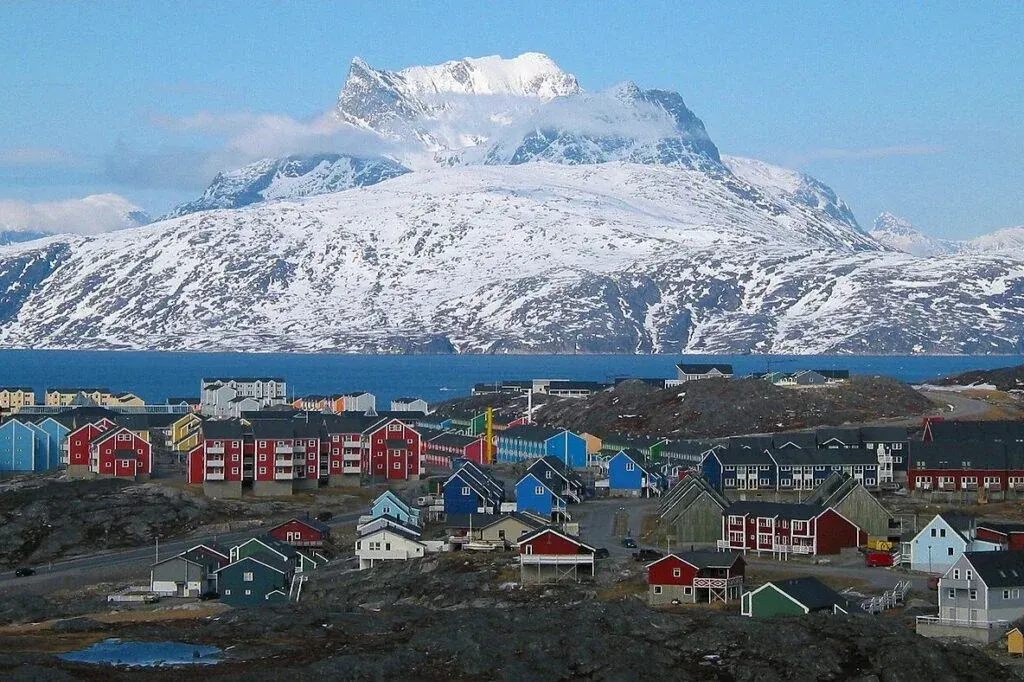
Image Source: War on the Rocks
Greenland is officially recognized as the world's largest island by Guinness World Records. Its land area is approximately 2,175,600 square kilometers, far surpassing other large islands such as Papua or Borneo.
However, Greenland is not categorized as a continent.
Many people ask why Australia isn't considered the largest island. The answer is because Australia is generally classified as a continent, not an island.
With that exception, Greenland automatically takes the top spot as the largest island on the planet.
Read Also: Oasis (ROSE) Price Prediction 2026: The Potential of a Privacy & AI Token
Greenland's Strategic Geographical Location
Greenland is located in the northern hemisphere, between the North Atlantic Ocean and the Arctic Ocean. The island lies east of Baffin Bay and close to the North Pole.
Politically, Greenland is an autonomous territory under the Kingdom of Denmark. This means Greenland has the authority to regulate its own internal affairs, while foreign affairs and defense remain under Denmark.
Despite its enormous size, Greenland's population is relatively small, only about 55,000. The majority of residents live in coastal areas, as the central part of the island is nearly uninhabitable due to the thick ice sheet.
Read Also: Dusk (DUSK) Price Prediction 2026: RWA Token Opportunity Analysis
Greenland's Permafrost
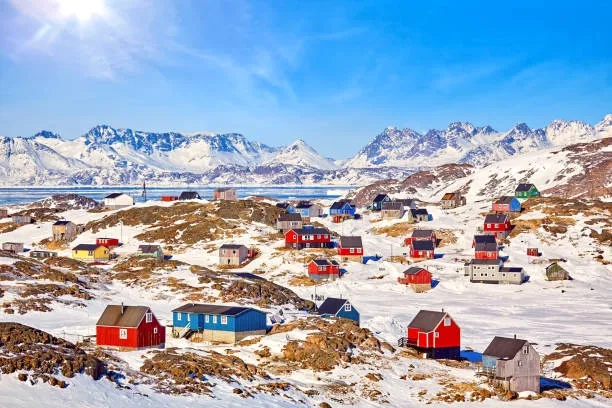
Image Source: iStock
One of Greenland's most distinctive features is the perpetual ice sheet that covers most of its territory. It's estimated that over 80% of Greenland's landmass is covered in ice, with ice reaching 3 kilometers in thickness in some spots.
This ice sheet is more than just an ordinary iceberg; it represents one of the world's largest reserves of fresh water. This is where Greenland plays a crucial role in the global climate system.
However, along the coast, the scenery offers stark contrasts. You'll find deep fjords, steep cliffs, icy mountains, and dramatic and beautiful coastlines.
Read Also: Manta Network (MANTA) Price Prediction 2026: Latest Analysis
Extreme Climate Full of Unique Phenomena
Most of Greenland lies north of the Arctic Circle, so it experiences long, dark winters. Temperatures can drop very low, especially inland.
During summer, conditions are slightly milder, especially in coastal areas. Average temperatures can reach around 9 degrees Celsius.
Although it is still relatively cold, this period allows for outdoor activities and more active community life.
Natural phenomena such as the midnight sun and the aurora borealis are also a special attraction for Greenland.
Read Also: RAI Token (RAI) Price Prediction 2026: Latest Chart Analysis
Inuit Culture Adapting to Nature
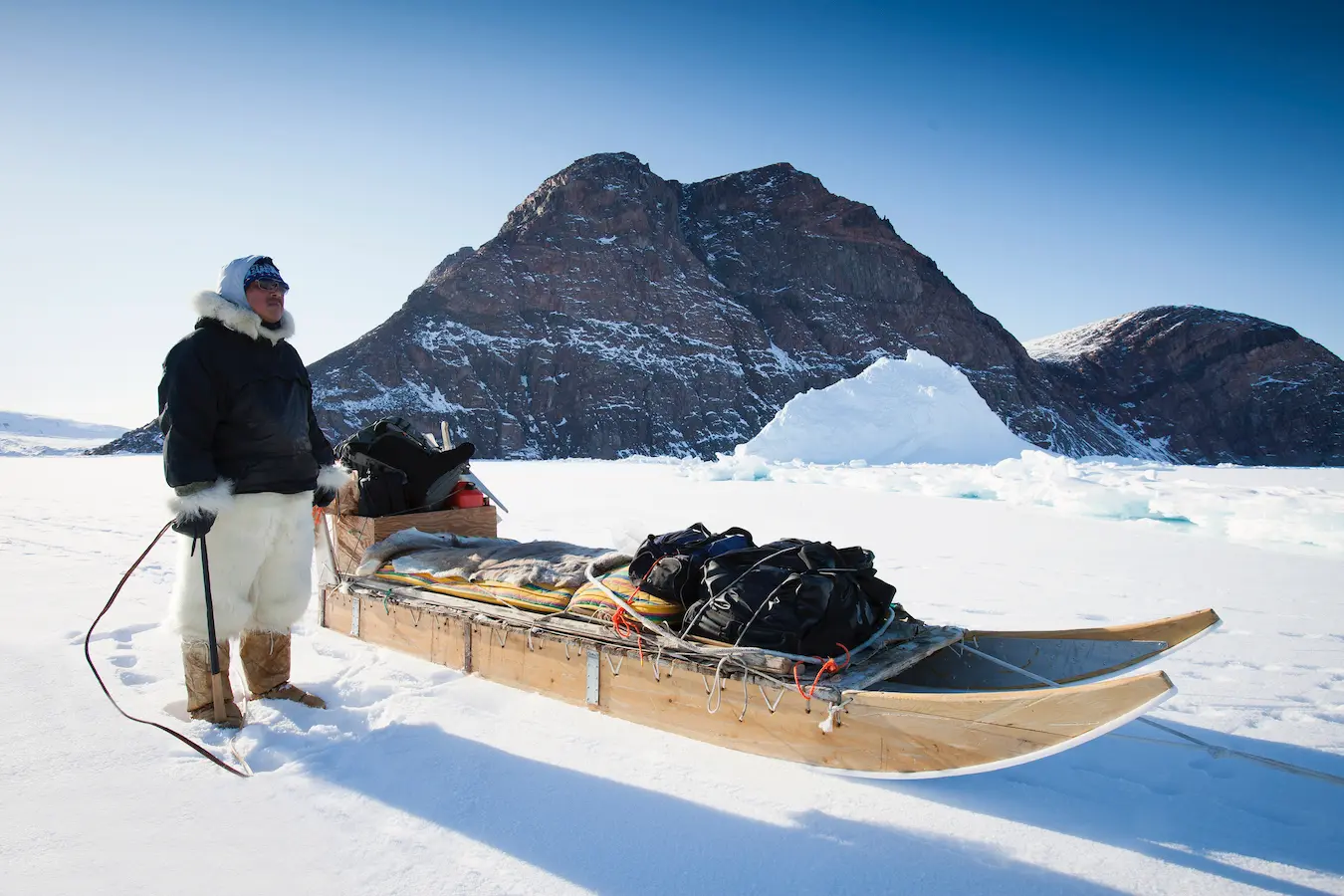
Image Source: Grist
Greenland is not just about ice and snow, but also about humans who have managed to survive in extreme environments. The indigenous people of Greenland are known as the Inuit, who have lived in this region for thousands of years.
They developed a lifestyle deeply in harmony with the Arctic environment, from hunting and fishing to making unique handicrafts. These traditions are still preserved today and form part of Greenland's cultural identity.
Read Also: Dolomite (DOLO) Price Prediction: Trend & Sentiment Analysis
Greenland's Role in Climate Change Issues
The Greenland ice sheet is a major focus of climate change research. If this ice were to melt on a large scale, global sea levels could rise significantly, impacting many coastal areas worldwide.

Therefore, Greenland is often used as an important indicator for monitoring the impacts of global warming. What happens on the world's largest island can provide insights into the future of Earth's climate.
Conclusion
So, Greenland, as the largest island in the world, not only excels in terms of area, but also plays an important role globally.
From its perpetual ice sheet, its unique Inuit culture, to its influence on climate change, Greenland holds many fascinating stories.
This island proves that even extreme natural environments can hold beauty, life, and important lessons for humans about environmental balance.
Read Also: Polyhedra Network (ZKJ) Price Prediction: Short to Long Term
How to Buy Crypto on Bittime
Want to trade sell and buy Bitcoins and easy crypto investing? Bittime is here to help! As an Indonesian crypto exchange officially registered with Bappebti, Bittime ensures every transaction is secure and fast.
Start by registering and verifying your identity, then make a minimum deposit of IDR 10,000. After that, you can immediately purchase your favorite digital assets!
Check the course BTC to IDR, ETH to IDR, SOL to IDR and other crypto assets to find out today's crypto market trends in real-time on Bittime.
Additionally, visit Bittime Blog to get various interesting updates and educational information about the world of crypto. Find trusted articles on Web3, blockchain technology, and digital asset investment tips designed to enrich your crypto knowledge.
FAQ
Is Greenland really the largest island in the world?
Yes, Greenland is officially recognized as the largest island in the world because Australia is classified as a continent.
How big is Greenland?
The land area of Greenland is approximately 2,175,600 square kilometers.
Why is most of Greenland covered in ice?
Because it is located in the Arctic region with very low temperatures, ice has accumulated over thousands of years.
Who are the indigenous people of Greenland?
The indigenous people of Greenland are the Inuit people who have lived in the region for a long time.
Why is Greenland important in the issue of climate change?
Because the ice sheet is a large freshwater reserve that if it melts could raise global sea levels.
Disclaimer: The views expressed belong exclusively to the author and do not reflect the views of this platform. This platform and its affiliates disclaim any responsibility for the accuracy or suitability of the information provided. It is for informational purposes only and not intended as financial or investment advice.

.png)