MUI Fatwa on Crypto: Is Cryptocurrency Halal or Haram in Islam?
2026-03-08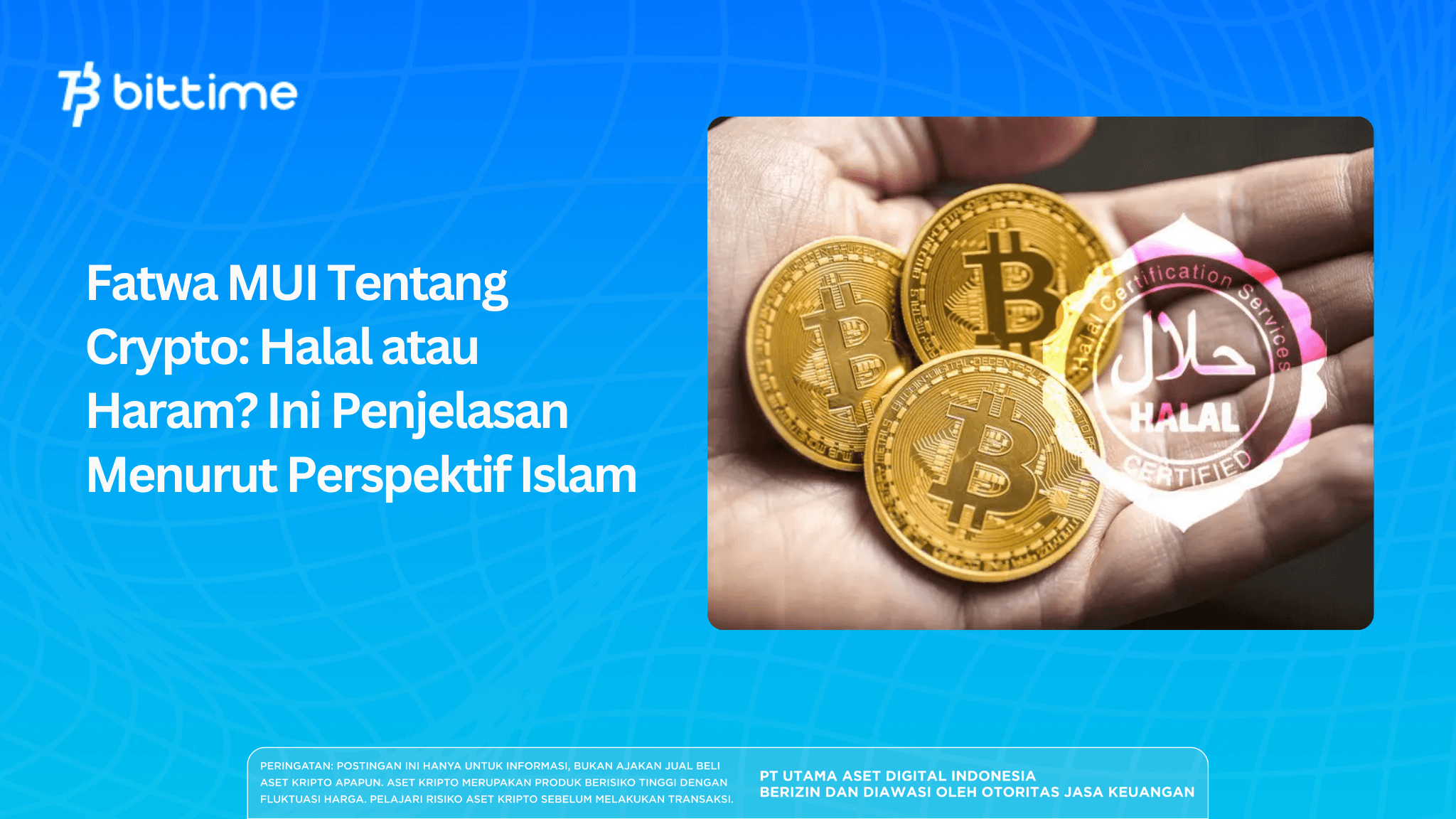
The rapid rise of cryptocurrency over the past decade has sparked global debate, including among Muslim communities. Many investors are asking an important question: is cryptocurrency permissible in Islam? In Indonesia, discussions about this topic often refer to the fatwa MUI tentang crypto, which provides guidance from Islamic scholars regarding the status of digital assets.
The Majelis Ulama Indonesia (MUI) has examined cryptocurrency from several perspectives, including its function as a payment method and its role as an investment asset. Their conclusions highlight the complexities of evaluating modern financial technology within traditional Islamic economic principles.
Understanding crypto menurut MUI is essential for Muslim investors who want to participate in the digital asset market while staying aligned with Islamic values. This article explains the core points of the MUI fatwa, the reasoning behind it, and how Islamic scholars continue to evaluate cryptocurrency in a rapidly evolving financial landscape.
Key Takeaways
- The fatwa MUI tentang crypto states that cryptocurrency is not considered valid as a payment instrument under Islamic law.
- Crypto may still be considered permissible as a tradable asset if it meets certain Sharia-compliant conditions.
- Islamic scholars and organizations continue to study cryptocurrency as blockchain technology evolves.
The Core View of the MUI Fatwa on Crypto
The MUI statement on crypto primarily evaluates cryptocurrency based on its intended use. The discussion distinguishes between two major functions: as a payment method and as an investment asset.
According to MUI scholars, cryptocurrency should not be used as a medium of exchange within Islamic economic principles. One reason is that digital currencies are not issued or guaranteed by a recognized authority such as a central bank. This lack of official backing creates uncertainty about their stability and value.
Another concern is the extremely volatile price movement seen in many cryptocurrencies. Such volatility may introduce elements of gharar, which refers to excessive uncertainty in financial transactions. Islamic finance discourages transactions that involve high levels of ambiguity because they can potentially harm one of the parties involved.
Additionally, the speculative nature of crypto trading may resemble maysir, a concept in Islamic law that refers to gambling or excessive speculation. These factors contributed to the cautious stance reflected in the MUI Crypto ruling.
However, the fatwa also acknowledges that cryptocurrency is part of a broader technological innovation involving blockchain systems. Therefore, scholars continue to examine how the technology itself could be used in ways that comply with Islamic principles.
Crypto Menurut MUI as an Asset or Commodity
While cryptocurrency is not recognized as a legitimate payment tool in the fatwa MUI on crypto, the discussion does not entirely prohibit its existence. Instead, crypto according to MUI may still be acceptable if it is treated as a digital commodity or asset that fulfills certain Sharia requirements.
For cryptocurrency to be considered permissible, several criteria should be met:
- The asset must have clear underlying value or utility
- Transactions should be transparent and free from fraud
- The asset must not be used for illegal activities
- Trading mechanisms must avoid manipulation or deception
Under these conditions, some scholars argue that cryptocurrencies could function similarly to digital commodities traded in open markets.
This perspective has encouraged discussions about the concept of Sharia-compliant cryptocurrency. The idea is to develop blockchain-based assets that follow Islamic economic guidelines, ensuring fairness, transparency, and real economic value.
Although the concept is still evolving, it reflects the growing effort to align financial innovation with Islamic ethical standards.
Ongoing Debate Among Islamic Scholars
Even with the MUI Crypto ruling in place, the discussion surrounding cryptocurrency in Islamic finance is far from settled. The rapid pace of technological development means that scholars must constantly revisit earlier interpretations.
Several Islamic institutions and organizations continue to study digital assets, including their economic impact and technological structure. Some groups believe that blockchain technology itself holds significant potential for improving transparency and efficiency in financial systems.
Key issues still being debated include:
- Whether cryptocurrencies have sufficient intrinsic value
- The level of speculation involved in crypto trading
- The role of blockchain technology in future Islamic finance systems
Because these discussions are ongoing, interpretations of crypto according to MUI may evolve over time as new financial models and regulatory frameworks emerge.
This ongoing dialogue shows that the topic of cryptocurrency is not only about investment opportunities but also about ensuring that financial practices remain ethical and compliant with Islamic teachings.
Conclusion
The debate about cryptocurrency in Islam continues to develop as technology and financial markets evolve. Based on the fatwa MUI on crypto, digital currencies are not considered valid as a payment instrument due to concerns about uncertainty and speculation.
However, crypto according to MUI may still be considered permissible if treated as a tradable asset that meets Sharia principles such as transparency, fairness, and clear value.
As the digital economy grows, discussions about MUI Crypto will likely continue. For Muslim investors, understanding both the technological aspects of cryptocurrency and the ethical considerations within Islamic finance is essential before participating in the market.
FAQ
1. What does the MUI fatwa say about cryptocurrency?
The fatwa states that cryptocurrency is not considered valid as a payment method under Islamic law.
2. Is cryptocurrency completely prohibited in Islam according to MUI?
Not entirely. It may be allowed as an asset or commodity if it meets specific Sharia conditions.
3. Why is crypto considered problematic in Islamic finance?
Because it may involve gharar (uncertainty) and maysir (excessive speculation).
4. What is Sharia-compliant cryptocurrency?
It refers to digital assets designed to follow Islamic financial principles such as transparency and fairness.
5. Can the ruling on crypto change in the future?
Yes. As technology evolves, Islamic scholars may continue to reassess cryptocurrency and its role in the financial system.
How to Buy Crypto on Bittime?

Want to trade sell buy Bitcoins and crypto investment easily? Bittime is here to help! As an Indonesian crypto exchange officially registered with Bappebti, Bittime ensures every transaction is safe and fast.
Start with registration and identity verification, then make a minimum deposit of IDR 10,000. After that, you can immediately buy your favorite digital assets!
Check the exchange rate BTC to IDR, ETH to IDR, SOL to IDR and other crypto assets to find out today's crypto market trends in real-time on Bittime.
Also, visit the Bittime Blog for interesting updates and educational information about the crypto world. Find reliable articles about Web3, blockchain technology, and digital asset investment tips designed to enrich your crypto knowledge.
Disclaimer: The views expressed belong exclusively to the author and do not reflect the views of this platform. This platform and its affiliates disclaim any responsibility for the accuracy or suitability of the information provided. It is for informational purposes only and not intended as financial or investment advice.

.png)