Grayscale's Ethereum Staking ETF: A New Innovation for Crypto Investors
2026-01-07
Bittime - Crypto market The United States is entering a new chapter with the arrival of staking-based ETFs. Ethereum from Grayscale.
Until now, investors have only been able to gain exposure to Ethereum through price tracking instruments, without direct access to staking returns.
With the advent of staking ETFs, the proof-of-stake mechanism can now be enjoyed within a safer and more structured regulatory framework.

The Main Point
Staking Ethereum ETFs give investors the opportunity to earn crypto returns without managing validators.
Grayscale became a pioneer by launching the first staking ETF in the US.
This product marks a shift from mere price tracking to full participation in the blockchain ecosystem.
New risks such as staking taxes and slashing mechanisms need to be considered by investors.
Why Ethereum Staking ETFs Matter
Staking is the process of locking crypto assets to support network security and earn rewards.
In the Ethereum ecosystem, proof-of-stake replaces traditional mining, allowing ETH holders to earn returns by becoming validators.
However, for institutional investors, managing validators is challenging. Staking ETFs offer a solution because staking rewards are directly integrated into the investment product, eliminating the need for technical management.
Read also:7 Best Investments of 2026 Worth Considering Now
Grayscale's Strategic Moves
Grayscale is rebranding some of its products to emphasize its focus on yield-generating exposure:
ETHE becomes Grayscale Ethereum Staking ETF.
ETH turns into Grayscale Ethereum Staking Mini ETF.
GSOL becomes Grayscale Solana Staking ETF.
This structure makes Grayscale the first company in the US to offer an Ethereum ETF with staking returns distributed to investors.

Read also:Bitcoin ETF vs Ethereum ETF: Which One Performs Better?
Risks and Challenges
While innovative, the ETF staking model brings a number of challenges:
Taxation on staking income requires regulatory clarity.
The risk of slashing (validator penalties) must be managed within the fund structure.
The redemption mechanism needs to be adjusted to the capital locked in staking.
These factors add complexity, but can still be overcome with proper risk management.
Read also:New Wave of Investing: 5 Spot XRP ETFs Set to Debut – What Does It Mean?
Impact on the US ETF Market
The arrival of Ethereum staking ETFs marks a major shift in the US crypto ETF market. These products no longer simply track the price of digital assets but also provide access to crypto yields.
If demand increases, a similar model could be extended to other proof-of-stake networks like Solana or Polkadot.
This has the potential to accelerate the integration of blockchain yield into mainstream portfolios.
Read also: How to Buy Ethereum (ETH)
ETF Staking Outlook in 2026
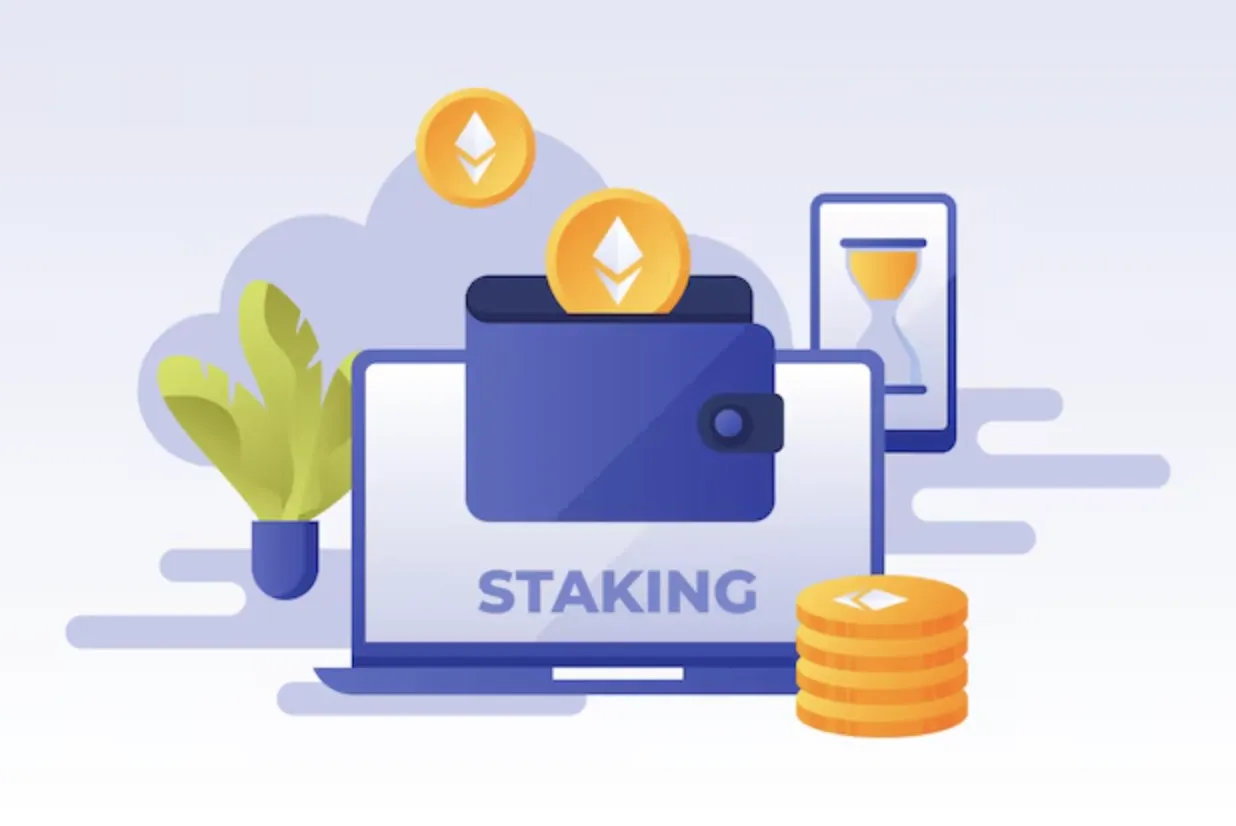
ETF staking is predicted to be the blueprint for a new generation of digital investment products.
2026 could be the year when crypto ETFs serve not only as passive instruments, but also as a means of full participation in the blockchain ecosystem.
This innovation paves the way for more diverse investment strategies and broadens the appeal of crypto in the global market.
How to Buy Crypto on Bittime
Want to trade sell buy Bitcoins and crypto investment easily? Bittime is here to help! As an Indonesian crypto exchange officially registered with Bappebti, Bittime ensures every transaction is safe and fast.
Start with registration and identity verification, then make a minimum deposit of IDR 10,000. After that, you can immediately buy your favorite digital assets!
Check the exchange rate BTC to IDR, ETH to IDR, SOL to IDR and other crypto assets to find out today's crypto market trends in real-time on Bittime.
Also, visit the Bittime Blog for interesting updates and educational information about the crypto world. Find reliable articles about Web3, blockchain technology, and digital asset investment tips designed to enrich your crypto knowledge.
FAQs
What is Ethereum ETF staking?
An ETF product that integrates Ethereum staking rewards into a regulated investment instrument.
Why is ETF staking considered an innovation?
Because it provides access to crypto returns without investors having to manage validators or infrastructure.
What are the main risks of ETF staking?
Taxes on staking income, risk slashing, and locked capital redemption mechanisms.
What products has Grayscale launched?
Grayscale Ethereum Staking ETF, Ethereum Staking Mini ETF, dan Solana Staking ETF.
What is the outlook for crypto ETFs in 2026?
It is predicted to be a new digital investment blueprint, expanding full participation in the blockchain ecosystem.
Disclaimer: The views expressed belong exclusively to the author and do not reflect the views of this platform. This platform and its affiliates disclaim any responsibility for the accuracy or suitability of the information provided. It is for informational purposes only and not intended as financial or investment advice.

.png)